Kagoshima does not look like a place designed for easy farming. Much of its land is shaped by volcanic ash, quick drainage, and soils that challenged rice cultivation for generations. Farmers had to work with a landscape that did not always reward the crops expected elsewhere in Japan.
Sweet potatoes changed that relationship. They suited the land, fed communities, and eventually became the crop that enabled Kagoshima to produce one of Japan’s most recognisable distilled spirits. Satsuma Shochu grew out of that adaptation. It is a spirit shaped by volcanic ground, local water, koji, sweet potatoes, and the habits of distillers who learned to make the region’s difficult agriculture productive.
Today, Satsuma is protected as a Japanese Geographical Indication (GI). The name is tied to Kagoshima Prefecture, excluding Amami City and Oshima District, and to a production system that requires local sweet potatoes, local water, koji, fermentation, pot still distillation, and filling within the defined area. It should not be confused with Iichiko, which is part of Ōita’s barley shochu culture and has no place in the Satsuma GI.
The Shirasu Plateau and the Rise of Sweet Potatoes
The agricultural story of Satsuma begins with the Shirasu Plateau, a landscape formed from volcanic deposits. Its soils drain quickly and do not behave like the heavier rice fields associated with many other parts of Japan. For Kagoshima, this condition was not a minor detail. It shaped what people could grow, how they lived, and what kind of drink culture could take root.
Sweet potatoes arrived from Ryukyu in the seventeenth century and found a lasting place in the former Satsuma domain. The Japanese word satsumaimo still carries that regional memory. The crop became food, security, and eventually raw material for distillation.
Shochu made from sweet potatoes did not appear because someone designed a modern regional brand. It came from practical agriculture. Kagoshima had a crop that worked in its soil, and distillers found a way to give that crop another life through fermentation and distillation.
A Name Legally Bound to Kagoshima
Satsuma was designated as a Japanese Geographical Indication for spirits on December 22, 2005. The protected area is Kagoshima Prefecture, but with an important exclusion: Amami City and Oshima District are outside the Satsuma GI. That separation keeps Satsuma Shochu distinct from Amami’s brown sugar shochu tradition.
The rules tie the name closely to Kagoshima. The sweet potatoes must be harvested in the defined area. The koji must be made from rice or from sweet potatoes harvested in Kagoshima. The water must come from Kagoshima. Fermentation, distillation, storage when used, and filling into consumer containers must also take place there.
The result is a protected name that cannot be reduced to flavour or raw material alone. Satsuma Shochu is Kagoshima’s agricultural and technical system written into law.
Koji at the Centre of the Spirit
Satsuma Shochu depends on koji. Without it, the sweet potato cannot become the kind of fermentable base that shochu requires. Koji is where grain, mold, water, temperature, and human judgment meet.
The official specification recognises the importance of black koji mold (Aspergillus luchuensis) and white koji mold (Aspergillus kawachii) in the development of Satsuma production from the Meiji era onward. These molds helped producers manage fermentation in southern Kyushu’s climate and gave shochu making a more stable technical foundation.
Satsuma Shochu is made through a layered fermentation culture. Koji, water, and yeast form the first stage, then sweet potatoes are brought into the main fermentation. That process allows the character of the sweet potato to become part of the moromi before pot still distillation.
It is not only a matter of turning starch into alcohol. Koji gives the spirit its method, while sweet potato gives it its regional voice.
Pot Still Distillation and Local Character
The GI requires the moromi made from koji, sweet potatoes, and water to be distilled in a pot still. This keeps Satsuma within Japan’s pot still shochu tradition, where the spirit is expected to retain character from its raw material and fermentation.
The official description of Satsuma points to a rich sweet potato bouquet, a rounded sweetness, and a smooth palate even soon after distillation. Those qualities are not treated as abstract tasting notes. They are connected to place. Local sweet potatoes, local water, local fermentation, and local distillation are all part of what the GI protects.
The law is not trying to make every bottle identical. It is protecting the conditions that allow Kagoshima’s sweet potato shochu to remain recognisably itself.
Brewers, Districts, and Passed Down Skill
Satsuma Shochu is also a story of people. The official specification names the Kurose master brewers from the Kurose district of Kasasacho, Minamisatsuma City, and the Ata master brewers from the Ata district of Kinpocho, Minamisatsuma City. These groups helped carry production knowledge across generations.
Their role gives the GI a human dimension. Satsuma is not only a map, a list of ingredients, or a legal file. It is also a record of skill that moved through families, districts, breweries, and local training.
Modern Kagoshima continues that work through institutions such as the Kagoshima Prefectural Institute of Industrial Technology and Kagoshima University’s Shochu and Fermentation Science Education and Research Centre. Research and education help keep the tradition active, not frozen.
Koji Heritage and UNESCO Recognition
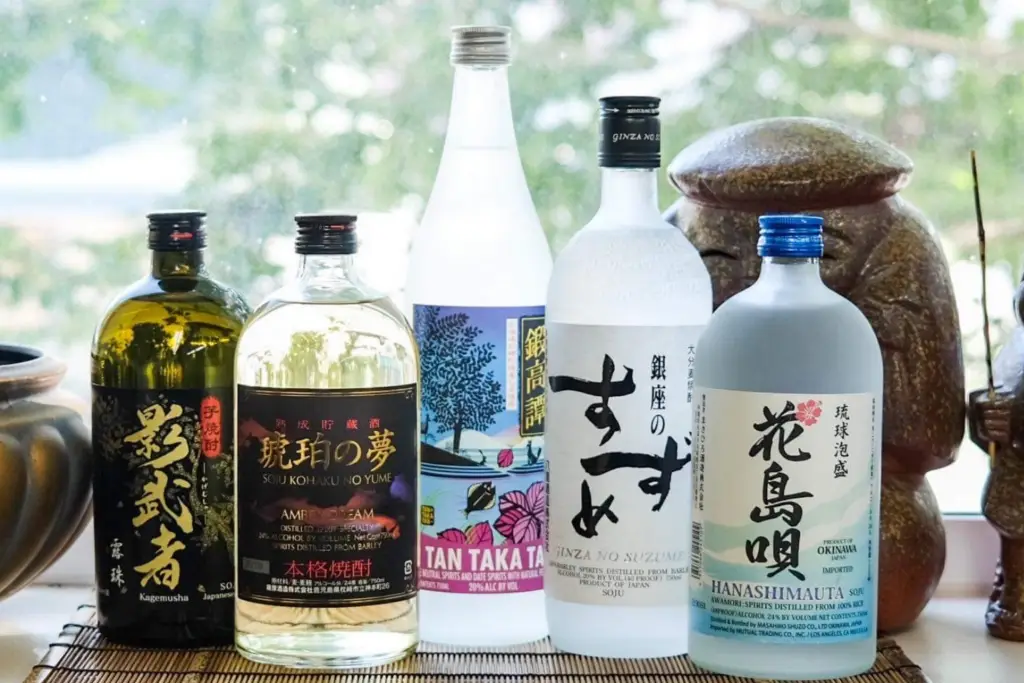
In December 2024, the traditional knowledge and skills of sake making with koji mold in Japan were registered as UNESCO Intangible Cultural Heritage. The recognition covers a wider Japanese brewing culture that includes nihonshu, shochu, awamori, mirin, and related traditions.
For Satsuma Shochu, this matters because koji is not a background detail. It sits at the centre of the production culture. The GI protects the name Satsuma and the Kagoshima-based production requirements. UNESCO recognition highlights the wider cultural knowledge behind koji-based brewing and fermentation in Japan.
Together, they show two different forms of protection. One protects a regional spirit name. The other recognises the human knowledge that makes such spirits possible.
Kagoshima Producers and a Shared Regional System
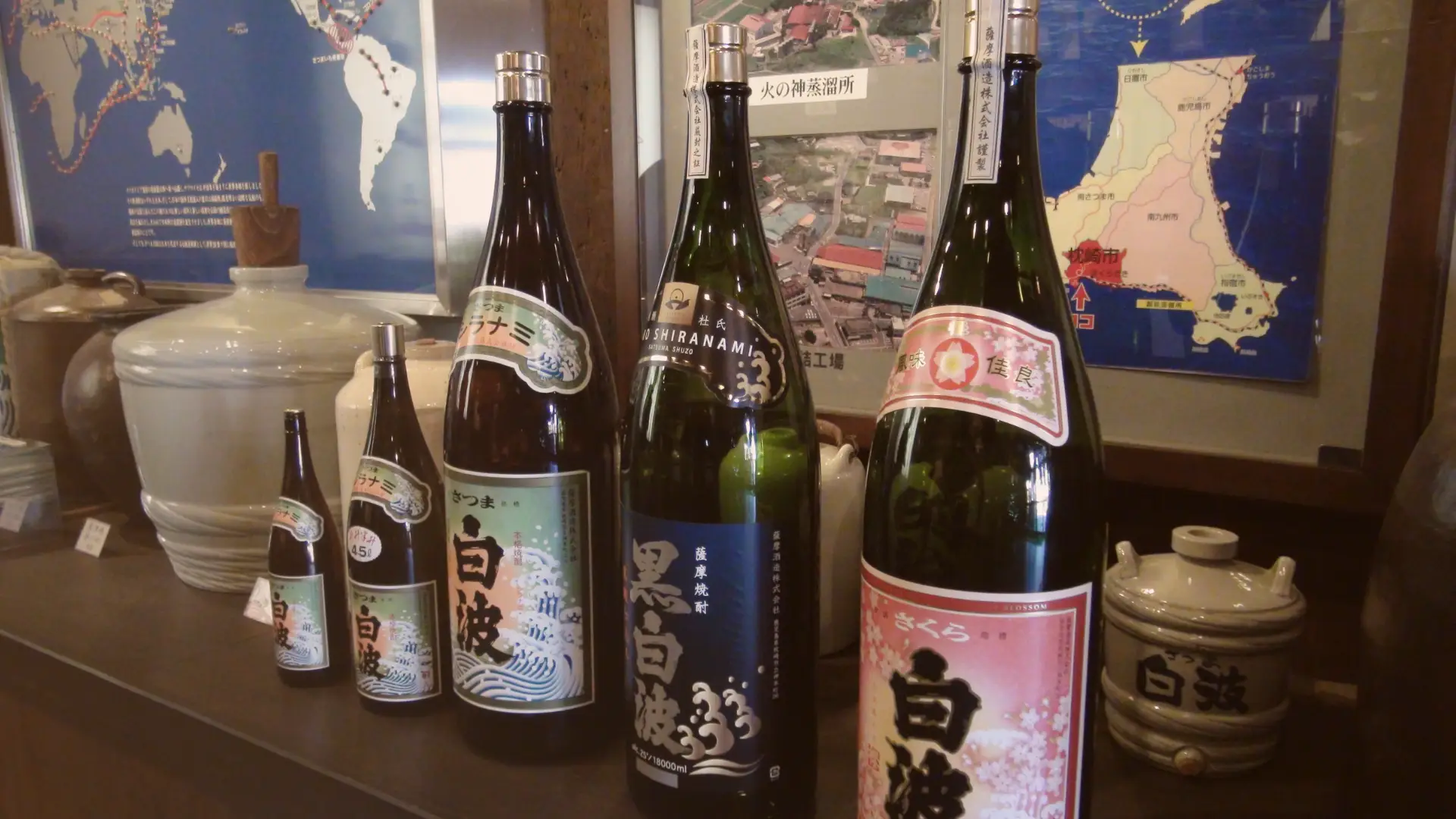
Satsuma Shochu is made across Kagoshima by producers of different sizes and histories. Satsuma Shuzo, founded in 1936, remains one of the most visible names and is closely associated with Satsuma Shiranami. Hamada Syuzou is another important Kagoshima producer with a long presence in shochu. Komasa Jyozo, Hombo Shuzo, Nishi Shuzo, Ōishi Shuzo, and Wakashio Distillery also show the range of the region’s production landscape.
These producers are important, but the GI does not belong to one company. Satsuma is a shared regional identity. Its legal meaning comes from the place and the production rules, not from a single trademark. That is what gives the category its strength. A bottle may carry the mark of a particular producer, but the protected name points back to Kagoshima.
A Spirit Grown From Adaptation
Satsuma Shochu became a Geographical Indication because Kagoshima gave the spirit its conditions. Volcanic land made sweet potatoes important. Koji made fermentation possible. Pot still distillation carried the character of the moromi into the spirit. Local brewers gave the method continuity.
The protected name carries that whole history. It holds together soil, crop, mold, water, distillation, and regional skill.
Satsuma Shochu shows how an appellation can grow from adaptation. A difficult landscape produced a useful crop, and that crop became one of Japan’s clearest examples of a spirit defined by place.

Renowned freelance spirits consultant, award-winning author, and international spirits judge, recognized globally as a leading authority on spirits selection, historical distillates, and market innovation.


Distillery
Hamada Syuzou Co., Ltd. is a distinguished Japanese distillery with a rich heritage in crafting premium shochu, a…

Spirit
Kuro Kirishima Shochu is a premium Japanese spirit that embodies the rich cultural heritage and craftsmanship of shochu…

Spirit
Barley Shochu Red Kage Whisky is an exquisite expression from the Yanagita Distillery, renowned for its craftsmanship and…
Spirit
3S Super Shochu Spirits Ohishi Premium Blended
3S Super Shochu Spirits Ohishi Premium Blended Shochu represents a masterful blend of craftsmanship and tradition, embodying the…
Spirit
Elizabeth Satsuma Liqueur, crafted by the John Emerald Distilling Company in Alabama, is a vibrant homage to the…
Partnership

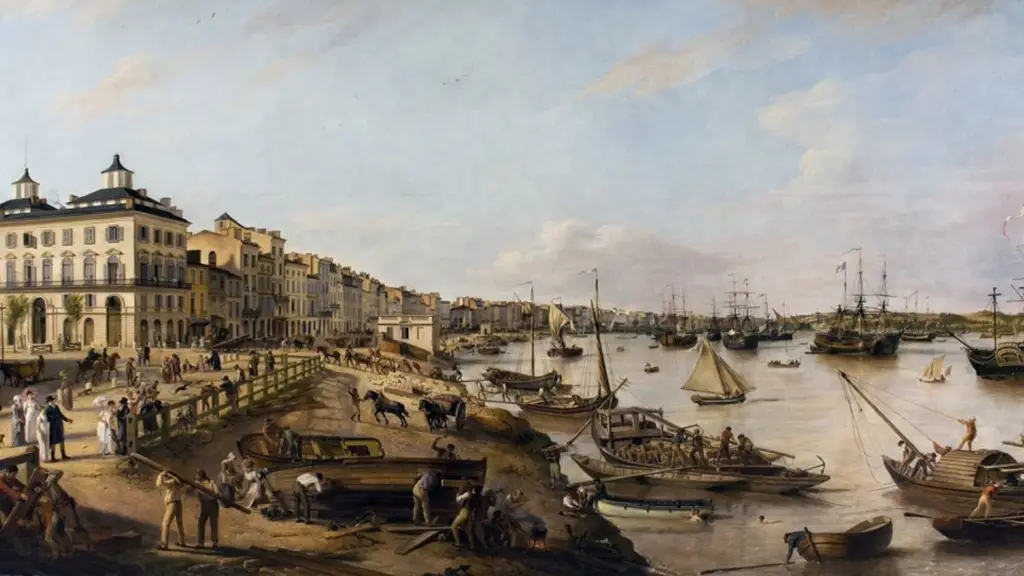
The Port of Bordeaux and the Trade Routes That Built Cognac
Cognac did not become a global spirit because of vineyards alone. Its rise depended on water, ships, and merchants long before it depended on distilleries. The identity of Cognac was shaped as much by the port of Bordeaux as by the chalk soils of Charente. Without Bordeaux’s access to Atlantic trade routes, cognac would likely […]
September 16, 2026

Partnership
Jamaica Rum and the Sugar Estate Landscape Behind a Protected GI
Jamaica’s Rum story begins with sugar estates, limestone water, heavy fermentations, coastal trade, and a landscape where cane became both wealth and memory. The island’s reputation was not made by one house or one parish. It grew across estates, distilleries, ports, and rural communities where sugar production and rum making became inseparable from the country’s […]
September 13, 2026
Partnership
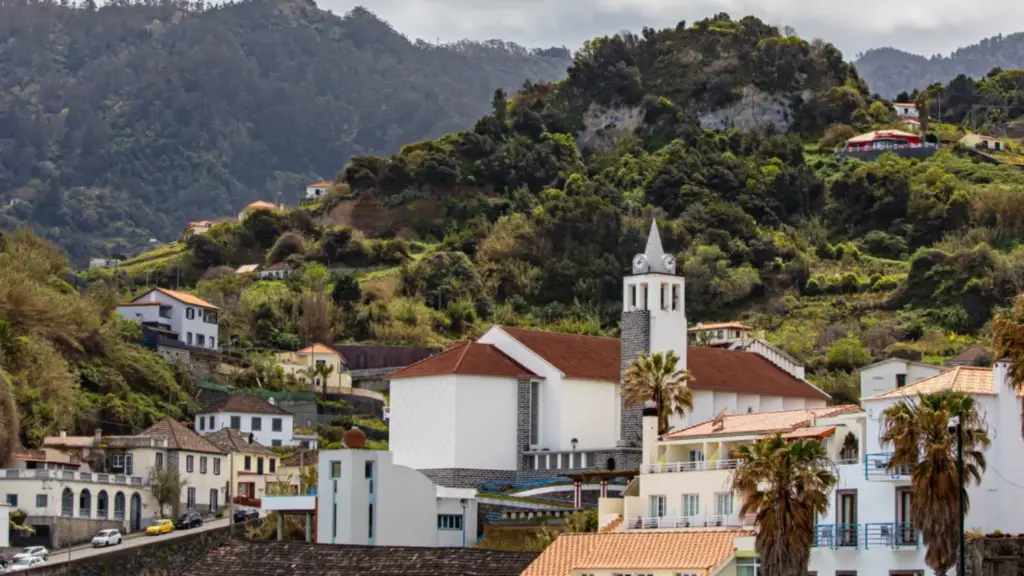
From Porto da Cruz to Calheta: The Distilleries That Define Madeiran Rum
Madeiran rum exists within a narrow technical and geographic framework that resists abstraction. Unlike Caribbean or Latin American rum traditions shaped by scale and export, rum production on Madeira remains tied to fresh sugarcane juice, seasonal distillation, and localised milling. From the northern coast at Porto da Cruz to the southern town of Calheta, a […]
September 9, 2026