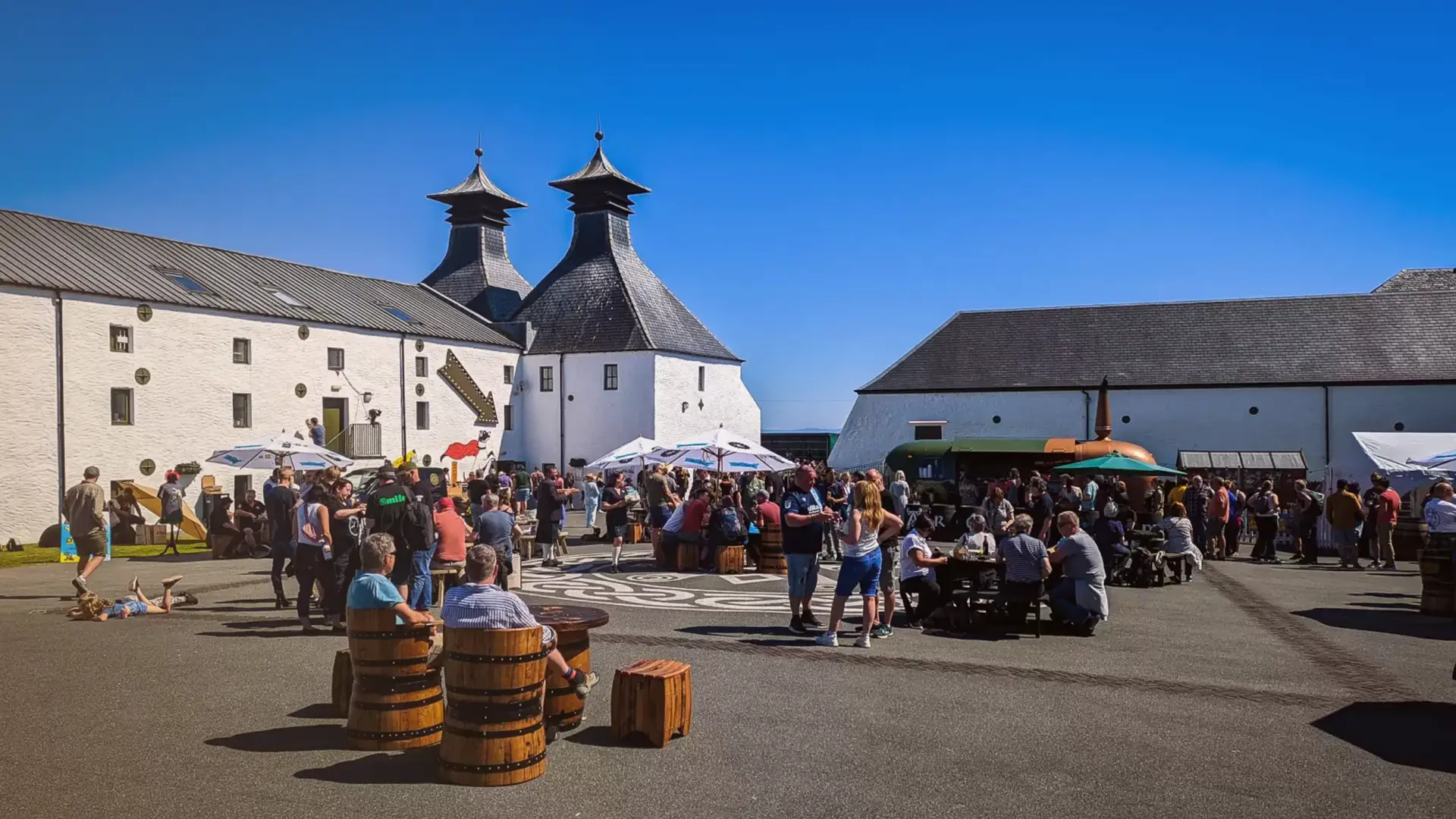
Islay is often introduced through whisky, but the island is not defined by distilleries alone. Its identity is built through weather, language, music, books, food, ferry arrivals, village halls, shoreline roads, and the steady rhythm of communities that live with whisky rather than simply present it. The island’s festivals reveal that wider structure.
Across the year, Islay hosts gatherings that bring together local culture and global attention. Some are closely tied to whisky. Others belong to music, literature, folk tradition, or seasonal island life. Together, they show why Islay has become more than a production region. It has become a cultural landscape where spirit, place, and community cannot be separated.
The most famous of these gatherings is Fèis Ìle, known internationally as the Islay Festival of Music and Malt. Yet to understand Islay festivals properly, it is important to see Fèis Ìle not as an isolated whisky event, but as part of a broader island calendar. Cantilena Festival, Islay Jazz Festival, Islay Book Festival, and Islay Sessions all contribute to the same idea: on Islay, culture is not staged around whisky. Whisky is one expression of culture.
Fèis Ìle and the Making of a Whisky Pilgrimage
Fèis Ìle began in the mid 1980s as a local effort to strengthen the island’s cultural life and extend the visitor season. Its roots were not purely commercial. The early festival included community events, walks, talks, music, ceilidhs, and local gatherings, with whisky present but not yet dominant.
That origin matters. The festival’s later global reputation grew from a community structure rather than from a marketing campaign. As Islay whisky became more visible internationally, the distilleries became central to the festival, but they did not erase its cultural frame. The island remained the subject.
Today, Fèis Ìle brings together distillery open days, music, tastings, local food, limited releases, and community events. Names such as Laphroaig, Lagavulin, Ardbeg, Bowmore, Bruichladdich, Bunnahabhain, Caol Ila, Kilchoman, Ardnahoe, and Port Ellen become physical destinations rather than labels on a shelf.
The festival works because geography is part of the experience. Visitors move between southern coast distilleries, inland roads, harbour villages, and warehouse courtyards. The journey gives context to the glass. Peat smoke becomes landscape. Maritime character becomes weather. Distillery identity becomes a place.
Islay Festivals: Distillery Days and the Ritual of Place
The structure of Fèis Ìle gives each distillery its own moment. Open days allow producers to present themselves directly through archive stories, production details, cask selections, music, food, and conversations with people who work on site.
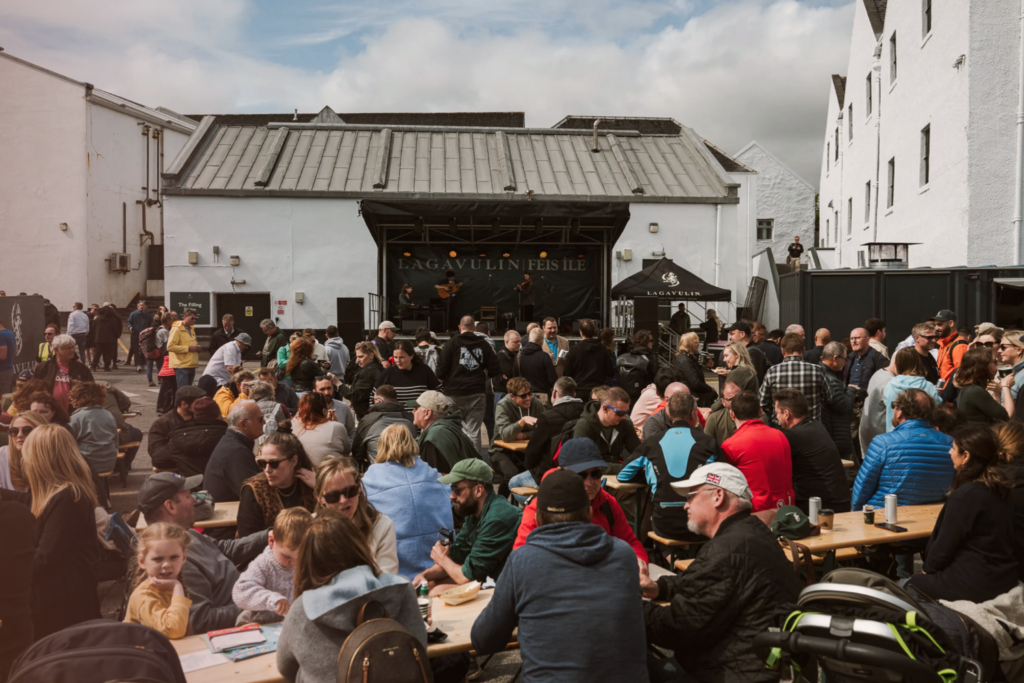
This rhythm turns the island into a living map of whisky character. A day at Laphroaig does not feel like a day at Bruichladdich. Lagavulin does not occupy the same cultural space as Bunnahabhain. Ardbeg brings a different kind of energy from Bowmore or Caol Ila. Each distillery uses the festival to speak through its own setting.
Limited festival bottlings have become part of this language. They are often discussed through scarcity and collectability, but their deeper importance lies in communication. A Fèis Ìle release tells engaged followers how a distillery wants to be understood in a particular year. It might lean into peat, sherry casks, refill oak, age, archive stock, experimental maturation, or a return to older production references. These bottles are not simply products. They are annual documents of identity.
Cantilena Festival and the Sound of Small Rooms
Not every Islay festival begins with whisky. Cantilena Festival brings chamber music into intimate island spaces, where scale becomes part of the experience. The island does not offer the anonymity of a concert hall in a major city. Music on Islay is heard close to the people playing it, in rooms where weather, wood, stone, and silence shape attention.
This intimacy matters because it reflects the island’s wider cultural pattern. Islay often turns small spaces into important ones. A village hall, church, hotel room, or distillery building can become a stage. The listener is not separated from the setting.
For whisky culture, this offers a useful parallel. The strongest Islay experiences are rarely abstract. They depend on proximity. A warehouse tasting, a coastal walk, a music session, and a conversation in a local hall all work through closeness rather than spectacle. Cantilena Festival reminds visitors that Islay is not only a place of smoke and oak. It is also a place of listening.
Islay Jazz Festival and the Island as Moving Venue
Islay Jazz Festival gives the island another rhythm. Its character comes partly from movement. Performances take place across different venues, often using the island itself as a sequence of stages. The listener travels between rooms, villages, roads, and coastlines.
Jazz suits Islay because it can hold structure and improvisation at the same time. That balance mirrors the island’s whisky culture. Distilleries operate within defined production systems, but the island constantly reshapes perception through weather, season, atmosphere, and encounter.
The festival also shows how distilleries function as cultural spaces. On Islay, a distillery is not only a production site. It may become a venue, a meeting place, a landmark, or a point of orientation. During festival periods, these roles become more visible. The music does not sit beside whisky as decoration. It helps reveal the social life around it.
Islay Festivals: Islay Book Festival and the Island in Words
Islay Book Festival brings another form of attention to the island. Literature changes the tempo. Instead of gathering around stills or stages, people gather around language, memory, argument, and story. This is important because Islay is already a narrative-heavy place. Distilleries carry founding dates, ownership changes, closures, revivals, production myths, family histories, and local memory. Villages carry their own stories. Coastlines and ferry routes carry another set of associations.
A book festival gives that narrative culture a formal setting. Authors and readers meet in a place where history is never far from the present. For visitors who arrive through whisky, it offers a wider frame. Islay is not only something to taste. It is something to read, hear, interpret, and remember. The island’s whisky reputation becomes richer when placed beside its literary and cultural life.
Islay Sessions and the Continuity of Folk Tradition
Islay Sessions belongs to the living tradition of music passed through performance rather than display. Fiddles, guitars, songs, and local participation connect the event to a wider Gaelic and Scottish folk world. The significance lies in continuity. Folk music is not preserved only by archives. It survives when people play it, teach it, repeat it, and reshape it in shared rooms. The same can be said of many island traditions. They endure through use.
This makes Islay Sessions especially important within the festival calendar. It resists the idea that island culture exists mainly for visitors. Instead, it shows culture as practice. People gather, listen, play, and carry tunes forward.
Whisky Tourism and the Pressure of Visibility
The success of Islay festivals has brought opportunity and pressure. Whisky tourism supports local businesses, accommodation, hospitality, transport, food producers, artists, musicians, and distillery teams. It also places strain on a small island with limited infrastructure.
This tension is part of the modern Islay story. The island’s appeal depends on intimacy, but popularity increases demand. Ferries, roads, beds, staffing, and event capacity all become part of the cultural equation. The more global the island becomes, the more carefully its local character must be protected.
Fèis Ìle captures this balance clearly. It is now one of the most important events in the Scotch whisky calendar, yet its strength still depends on local participation. Without the island community, the festival would become only a sequence of brand events. With the community, it remains something deeper: a place-based gathering where whisky is only one part of belonging.
Why Islay Festivals Matter Beyond Whisky
The importance of Islay festivals lies in how they change the way people understand place. A bottle can introduce a distillery. A festival can introduce the conditions around it. Through Fèis Ìle, visitors encounter whisky as geography. Through the Cantilena Festival, they encounter the island through sound. Through the Islay Jazz Festival, they experience movement between venues and communities. Through the Islay Book Festival, they enter the island through language. Through Islay Sessions, they see tradition maintained in real time.
Together, these festivals show that Islay is not only a whisky destination. It is a cultural system. Distilleries are central to that system, but they are not alone within it. Islay festivals reveal why the island holds such authority in the spirits world. The appeal is not simply peat smoke, limited bottles, or famous distillery names. It is the way whisky is held inside a larger cultural landscape.
Fèis Ìle may be the best known expression of that landscape, but it belongs to a wider rhythm of music, books, performance, hospitality, and island memory. These events make clear that Islay whisky is not only produced on the island. It is interpreted there, celebrated there, and continually returned to its source.

Distillery
Bruichladdich Distillery Company
Bruichladdich Distillery Company, nestled on the idyllic Isle of Islay in Scotland, is renowned for its dedication to…
Distillery
Nestled on the southern coast of the Isle of Islay, Ardbeg Distillery is celebrated for its unique productions…

Distillery
Bunnahabhain Distillery, located on the sweeping shores of the Sound of Islay, holds a significant place in the…
Distillery
Located in the heart of Islay, Bowmore Distillery is a hallmark of Scottish single malt whisky craftsmanship. Established…
Distillery
Port Ellen distillery, nestled in the picturesque town of Port Ellen on the Isle of Islay, is a…
Distillery
Laphroaig Distillery, nestled on the rugged south coast of Islay, Scotland, is synonymous with rich and complex single…
Distillery
Lagavulin Distillery, nestled in the picturesque village of Lagavulin on the southern coast of Islay, Scotland, is renowned…
Partnership

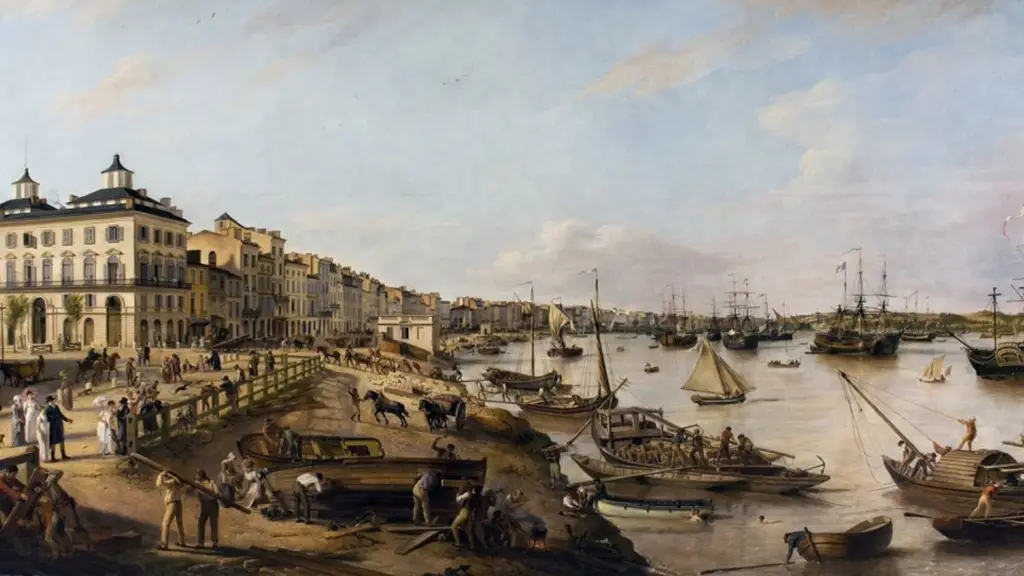
The Port of Bordeaux and the Trade Routes That Built Cognac
Cognac did not become a global spirit because of vineyards alone. Its rise depended on water, ships, and merchants long before it depended on distilleries. The identity of Cognac was shaped as much by the port of Bordeaux as by the chalk soils of Charente. Without Bordeaux’s access to Atlantic trade routes, cognac would likely […]
September 16, 2026
Partnership
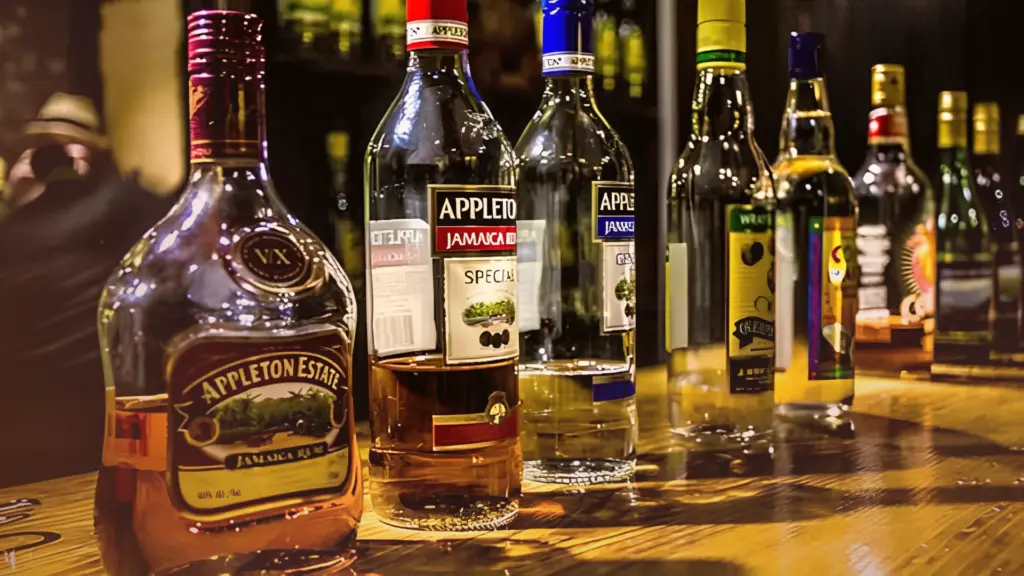
Jamaica Rum and the Sugar Estate Landscape Behind a Protected GI
Jamaica’s Rum story begins with sugar estates, limestone water, heavy fermentations, coastal trade, and a landscape where cane became both wealth and memory. The island’s reputation was not made by one house or one parish. It grew across estates, distilleries, ports, and rural communities where sugar production and rum making became inseparable from the country’s […]
September 13, 2026
Partnership
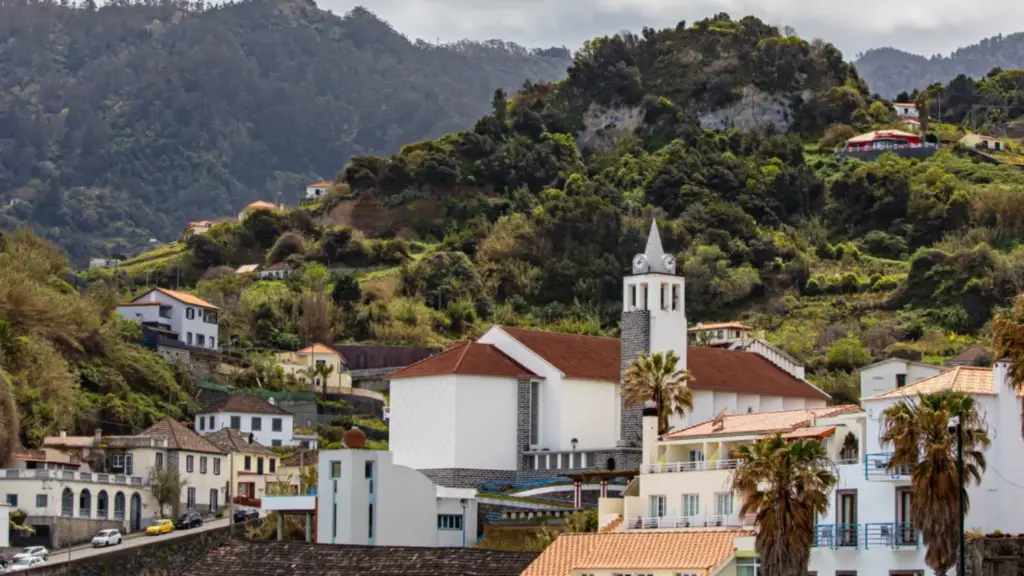
From Porto da Cruz to Calheta: The Distilleries That Define Madeiran Rum
Madeiran rum exists within a narrow technical and geographic framework that resists abstraction. Unlike Caribbean or Latin American rum traditions shaped by scale and export, rum production on Madeira remains tied to fresh sugarcane juice, seasonal distillation, and localised milling. From the northern coast at Porto da Cruz to the southern town of Calheta, a […]
September 9, 2026