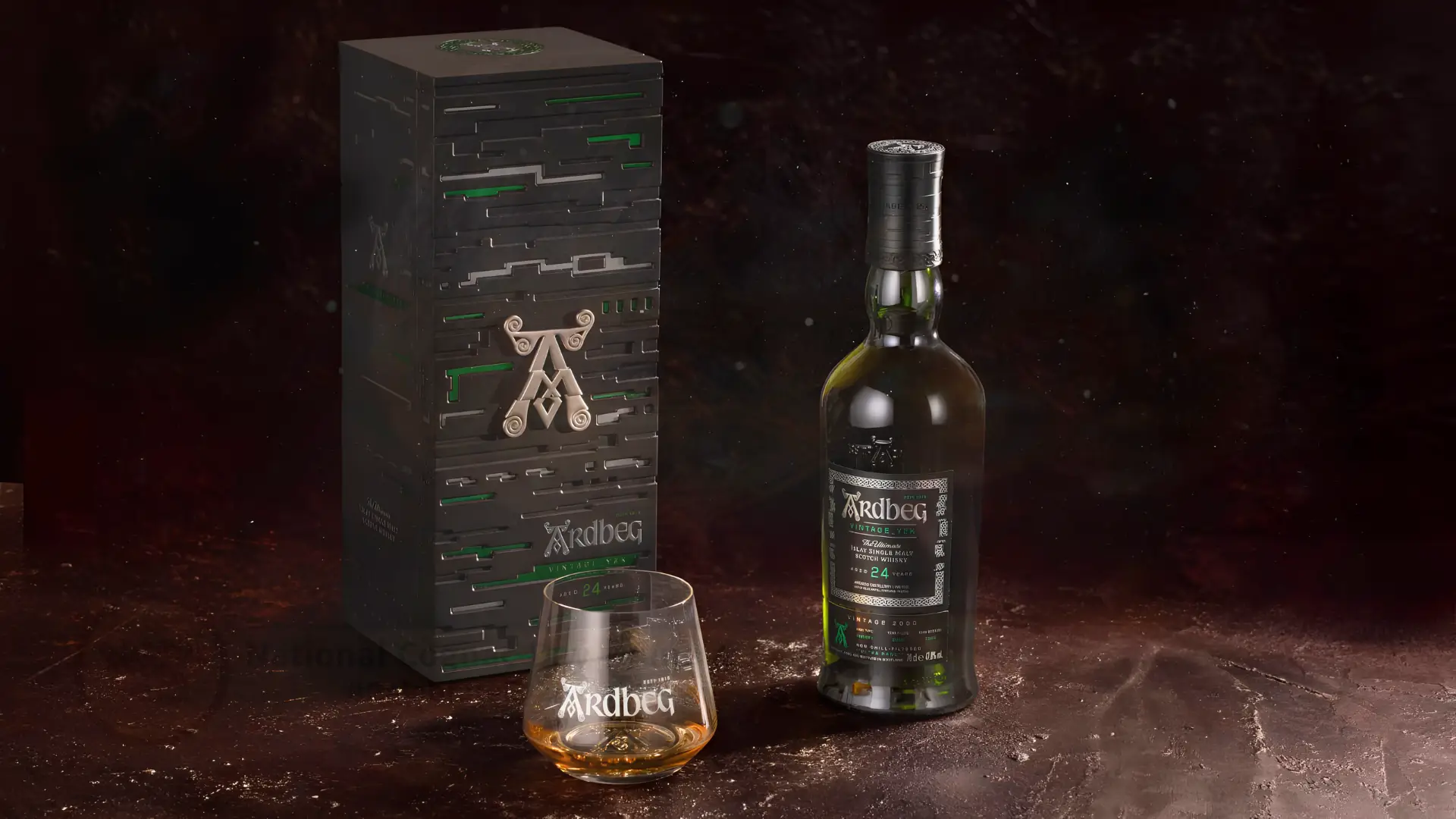
Few Scotch whisky distilleries have experienced a history as uncertain as Ardbeg Distillery. Today, Ardbeg stands among the most recognisable names in heavily peated whisky, celebrated for expressions such as Ardbeg 10 Years Old, Ardbeg Uigeadail, and Ardbeg Corryvreckan. Yet the distillery’s modern success was far from inevitable.
Between the early 1980s and the late 1990s, Ardbeg endured closures, reduced production, ownership changes, and uncertainty about its future. During these years, decisions made out of necessity rather than ambition ultimately preserved the distillery long enough for its eventual revival. What emerged from this turbulent period was not simply a reopened distillery but a new model for how heritage, production philosophy, and community engagement could sustain a whisky brand in the modern era.
Journey of Ardbeg: The Whisky Crisis of the 1980s
The difficulties facing Ardbeg Distillery were not unique. Throughout the late 1970s and early 1980s, the Scotch whisky industry faced a severe downturn. Global demand slowed, inventories expanded, and many producers found themselves holding years of unsold stock.
Like several Islay distilleries, Ardbeg Distillery became vulnerable during this contraction. At the time, the distillery was owned by Hiram Walker, which later became part of Allied Distillers. Production ceased in 1981, and the distillery entered a prolonged period of inactivity.
For a distillery whose origins trace back to 1815, when John MacDougall secured its official license, closure represented more than a temporary business decision. It threatened the continuity of one of Islay’s most distinctive whisky-making traditions.
Mothballing and the End of Traditional Maltings
One of the most significant consequences of the closure period was the permanent loss of Ardbeg Distillery‘s traditional floor maltings.
For generations, Islay distilleries had malted their own barley on-site, controlling peat levels and drying methods directly. During the industry’s restructuring, maintaining these labour-intensive operations became increasingly impractical.
When Ardbeg Distillery resumed limited production in 1989, the distillery no longer relied on its historic malt floors. Instead, it sourced malted barley from Port Ellen Maltings, which supplied multiple Islay distilleries.
This shift mirrored broader industry trends. Distilleries such as Lagavulin Distillery, Caol Ila Distillery, and Port Charlotte Distillery also depended on centralised malt supply systems at various points in their histories.
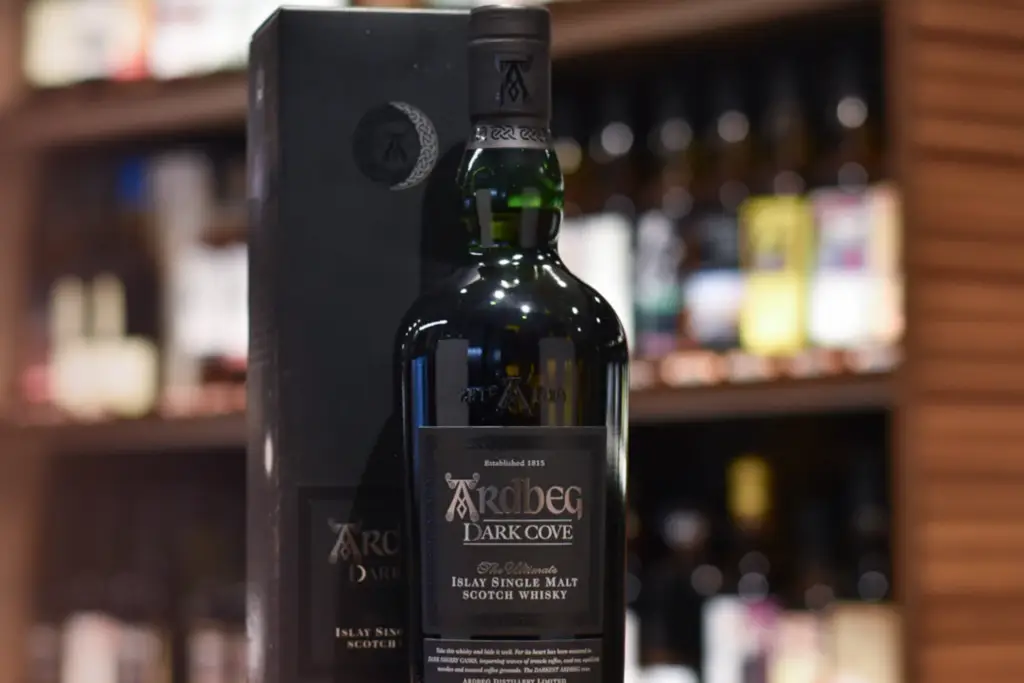
Although Ardbeg lost direct control over traditional malting, outsourcing ensured survival. The alternative may have been permanent closure.
Reduced Production and Changing Peat Specifications
Production resumed only intermittently after 1989. Ardbeg operated on a limited basis, primarily producing spirit for blending requirements rather than building a strong single malt identity.
Some historical accounts indicate that peat specifications varied during portions of this period, reflecting commercial realities and changing production priorities. However, the distillery’s reputation for heavily peated whisky remained intact, particularly because many of the mature stocks later bottled under the Ardbeg name originated from periods when peat influence remained central to production.
What mattered most was continuity. Even reduced output allowed warehouses to receive fresh spirit and kept the distillery operational during years when many believed its future was uncertain.
Silence Returns in 1996
By the mid-1990s, production had again dwindled significantly. In 1996, Ardbeg Distillery‘s stills fell silent once more.
The closure was particularly alarming because stocks were limited and the Scotch whisky industry had not yet entered the premium single malt boom that would emerge in the following decade. Without intervention, Ardbeg risked joining the growing list of closed distilleries remembered primarily through surviving bottles and archival photographs.
At this stage, the future of the site depended entirely on finding a buyer willing to invest in a heavily peated distillery located on a remote Hebridean island.
The Glenmorangie Acquisition and Immediate Revival
The turning point arrived in 1997 when Glenmorangie plc acquired Ardbeg for approximately £7 million.
Rather than treating the distillery as a secondary asset, Glenmorangie moved quickly to restore production. Investment was directed toward equipment, staffing, and long-term brand development. The goal was not merely to preserve Ardbeg’s history but to reposition it as a leading single malt whisky.
This decision proved transformative. While many distilleries emerging from closure struggled to establish a modern identity, Ardbeg embraced its reputation for intense peat smoke, medicinal character, and coastal complexity. The strategy focused on differentiation rather than compromise.
Protecting the Character of Ardbeg 10
One of the most consequential decisions made after the acquisition involved Ardbeg 10 Years Old.
At a time when chill filtration and lower bottling strengths were common industry practices, Glenmorangie chose to present the whisky at 46% ABV and without chill filtration. This preserved texture, flavour concentration, and many of the heavier compounds that contribute to Ardbeg’s character.
The decision aligned with growing consumer interest in authenticity and production transparency. It also helped distinguish Ardbeg from competitors whose products were often filtered and bottled at lower strengths. Over time, Ardbeg 10 became one of the defining whiskies of modern Islay.
The Ardbeg Committee and the Power of Community
In 2000, the distillery launched the Ardbeg Committee by Ardbeg Distillery, a move that would become one of the most influential marketing initiatives in contemporary Scotch whisky.
Created to ensure that the distillery would never again face extinction, the Committee connected enthusiasts directly to the brand through exclusive releases, events, and early access bottlings.
Expressions such as Ardbeg Uigeadail, Ardbeg Supernova, Ardbeg Corryvreckan, and later Committee-exclusive releases transformed enthusiasts into active participants in the distillery’s story. The model influenced countless whisky brands that followed, demonstrating how community could become a strategic asset rather than simply a customer base.
LVMH and Global Expansion
A further milestone arrived in 2004 when LVMH acquired Glenmorangie plc.
This acquisition provided Ardbeg with access to global distribution networks, marketing resources, and premium positioning opportunities. As international demand for peated Scotch expanded throughout the 2000s and 2010s, Ardbeg was well-positioned to capitalise on the trend. The distillery evolved from a rescued Islay producer into one of the most recognised names in the global single malt market.
Survival Before Success
Ardbeg’s modern reputation was not created during years of prosperity. It was forged during years of uncertainty.
The closure of traditional maltings, reliance on Port Ellen Maltings, intermittent production schedules, the 1996 shutdown, the 1997 acquisition by Glenmorangie plc, and the formation of the Ardbeg Committee were not isolated events. Together, they formed a chain of decisions that preserved the distillery long enough to become what it is today. Many distilleries have great whisky. Fewer have survived multiple periods when their future was genuinely uncertain.
Ardbeg’s legacy rests not only in peat smoke, medicinal notes, or celebrated bottlings. It also rests in its ability to endure. What was once a distillery repeatedly threatened by silence ultimately became one of the defining voices of modern Islay whisky.

Distillery
Port Charlotte is a distinguished brand of Scotch whisky that hails from the remote and rugged Isle of…
Distillery
Nestled on the southern coast of the Isle of Islay, Ardbeg Distillery is celebrated for its unique productions…
Distillery
Glenmorangie Distillery is a renowned distillery located in Tain, Ross-shire, Scotland, celebrated for its exceptional single malt Scotch…
Distillery
Lagavulin Distillery, nestled in the picturesque village of Lagavulin on the southern coast of Islay, Scotland, is renowned…
Distillery
Caol Ila Distillery, located on the northeastern shores of Islay, Scotland, stands as a testament to the rich…
Spirit
Ardbeg 10 YO Cask Strength Whisky
Ardbeg 10 YO Cask Strength is a unique expression from the Ardbeg Distillery, standing as a testament to…
Spirit
Ardbeg Corryvreckan Single Malt Scotch Whisky
Ardbeg Corryvreckan is a prime example of Islay's rugged and untamed whisky character. This single malt is bold,…
Spirit
Ardbeg Uigeadail Islay Single Malt Scotch Whisk
Ardbeg Uigeadail is a distinguished expression of single malt Scotch whisky that showcases the rich character and tradition…
Spirit
Ardbeg Supernova SN2019 Islay Single Malt Scotch Whisky
Ardbeg Supernova SN2019 is an extraordinary single malt whisky, renowned for its bold peaty character and intense flavor…
Distillery
Port Charlotte is a distinguished brand of Scotch whisky that hails from the remote and rugged Isle of…
Distillery
Nestled on the southern coast of the Isle of Islay, Ardbeg Distillery is celebrated for its unique productions…
Distillery
Glenmorangie Distillery is a renowned distillery located in Tain, Ross-shire, Scotland, celebrated for its exceptional single malt Scotch…
Distillery
Lagavulin Distillery, nestled in the picturesque village of Lagavulin on the southern coast of Islay, Scotland, is renowned…
Distillery
Caol Ila Distillery, located on the northeastern shores of Islay, Scotland, stands as a testament to the rich…
Spirit
Ardbeg 10 YO Cask Strength Whisky
Ardbeg 10 YO Cask Strength is a unique expression from the Ardbeg Distillery, standing as a testament to…
Spirit
Ardbeg Corryvreckan Single Malt Scotch Whisky
Ardbeg Corryvreckan is a prime example of Islay's rugged and untamed whisky character. This single malt is bold,…
Spirit
Ardbeg Uigeadail Islay Single Malt Scotch Whisk
Ardbeg Uigeadail is a distinguished expression of single malt Scotch whisky that showcases the rich character and tradition…
Spirit
Ardbeg Supernova SN2019 Islay Single Malt Scotch Whisky
Ardbeg Supernova SN2019 is an extraordinary single malt whisky, renowned for its bold peaty character and intense flavor…
History
Lagavulin Distillery and the Discipline of Slow Distillation on Islay
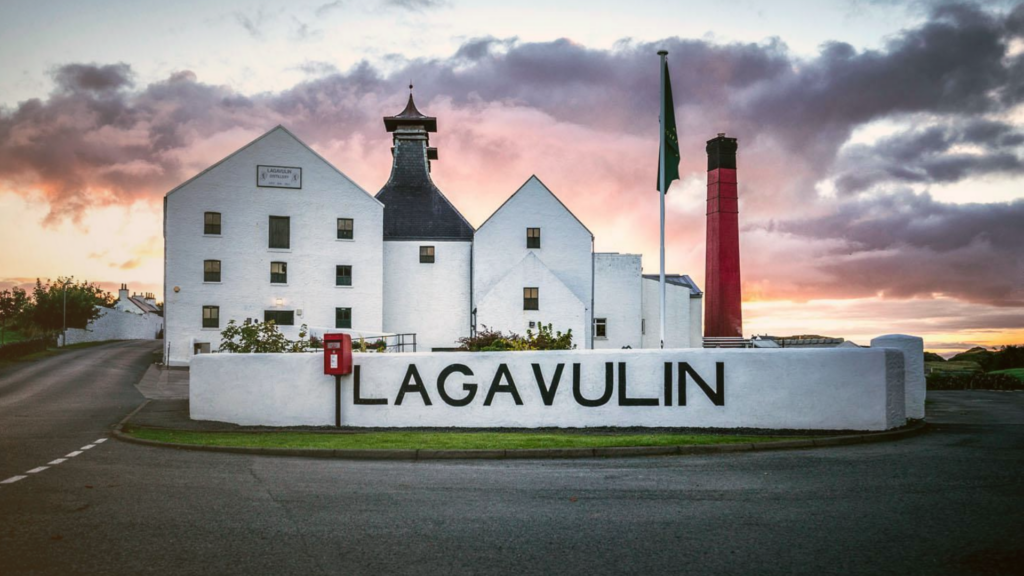
On the southern coast of Islay, Lagavulin Distillery stands beside a sheltered bay between Laphroaig and Ardbeg. Its white buildings, dark kiln roofs, and long waterfront warehouses belong to one of Scotland’s most recognisable whisky landscapes. Still, the character associated with the distillery was not created by scenery alone. Peat is the most obvious part […]
June 28, 2026
Distilleries & Producers
The Last Days of Floor Maltings: When Scotch Distilleries Made Their Own Malt
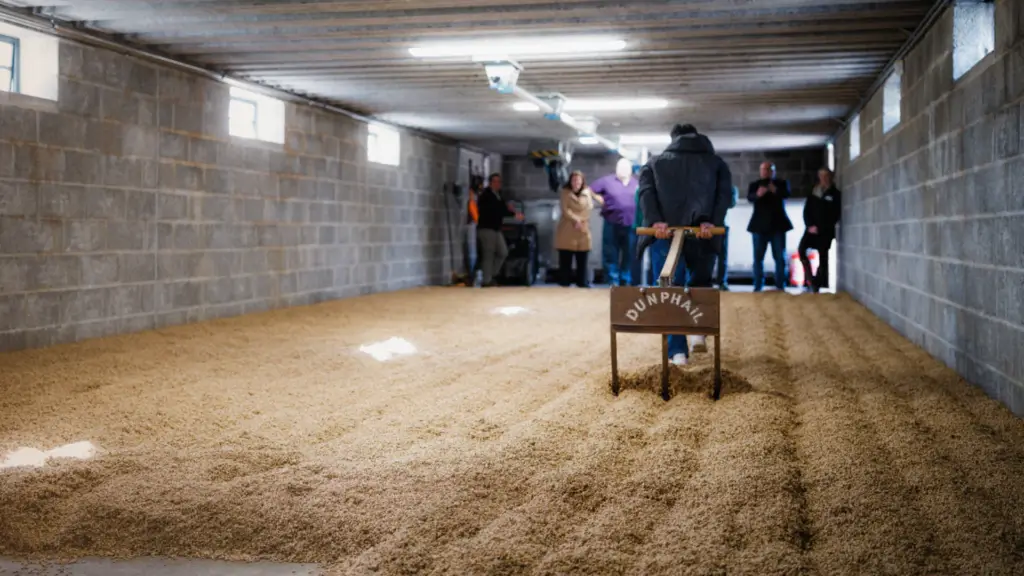
Floor Maltings History: Where Whisky Began Before stainless steel vessels, automated temperature control, and industrial malt plants, a Scotch whisky distillery often began its work on a stone or concrete floor. Barley was steeped in water, spread in a shallow layer, and turned repeatedly by hand as it germinated. The process demanded time, judgement, space, […]
June 18, 2026
Distilleries & Producers
The Lost Distilleries of Islay: Ghost Sites That Shaped Scotch Whisky
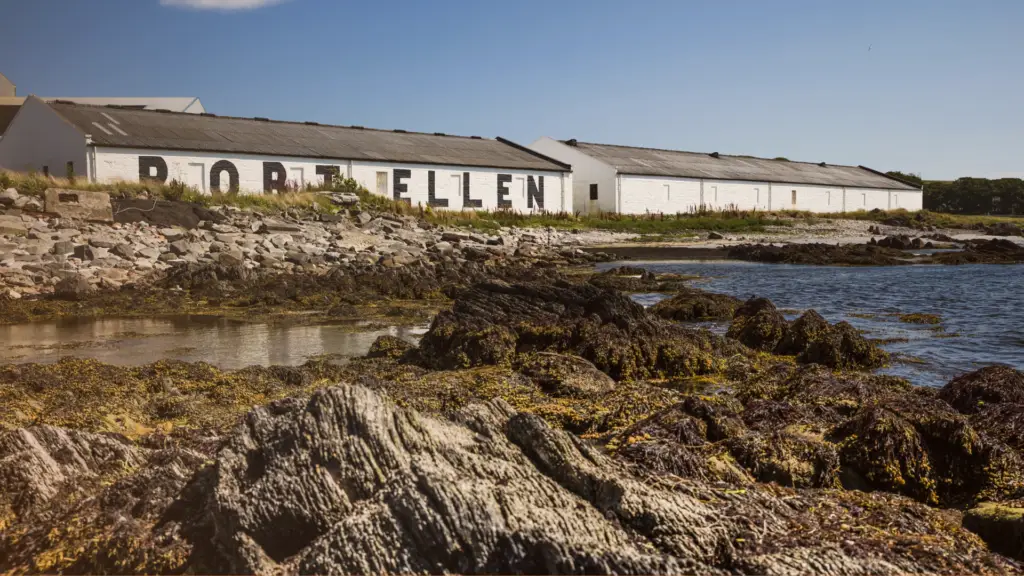
Islay’s modern whisky map can appear permanent. Whitewashed distillery buildings stand beside sheltered bays, names stretch across warehouse walls, and active still houses seem inseparable from the island’s coastline. Yet the map has never been fixed. The lost distilleries of Islay reveal a far more fragmented history of establishment, closure, consolidation, and revival. Across the […]
June 12, 2026