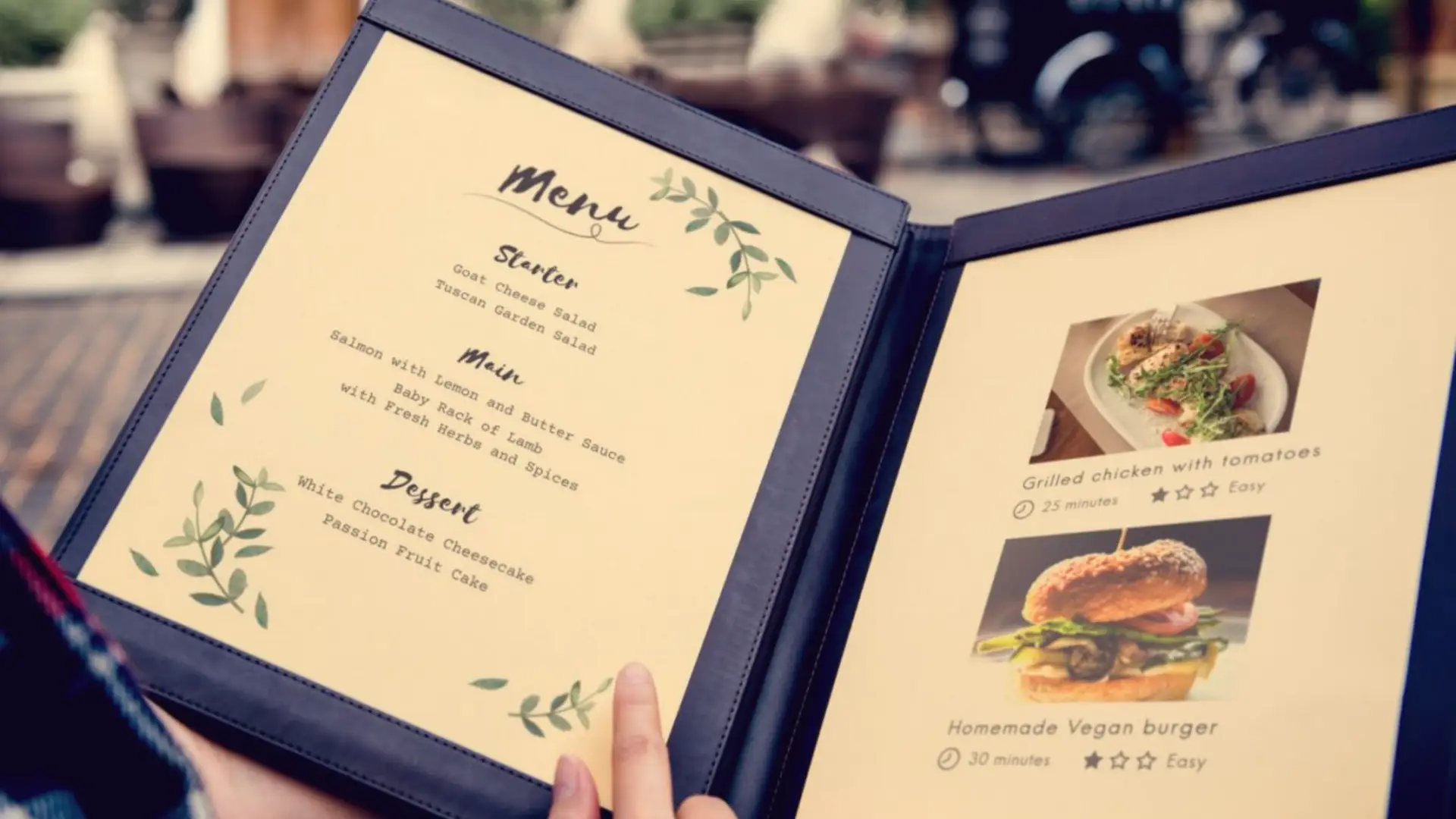
Cocktail menus are rarely just a list of drinks. It functions as a structured system that shapes how guests navigate choice, often before any interaction with a bartender begins. Through layout, naming, pricing, and categorization, menus guide attention and reduce uncertainty, influencing decisions in ways that feel intuitive rather than directed.
Across modern bar culture, from historic hotel institutions to contemporary design-driven venues, menu design has evolved into a quiet but powerful tool. What appears simple is often carefully constructed. The decision is rarely made at the bar. It begins on the page.
From Early Cocktail Lists to Designed Menus
The foundation of cocktail menu structure can be traced to Jerry Thomas and his The Bartender’s Guide, published in 1862. While not a menu in the modern sense, it introduced standardized ways of categorizing drinks, shaping how cocktails would later be presented in bars.
By the early 20th century, venues such as Harry’s New York Bar began offering printed menus that reflected hierarchy rather than neutrality. Imported spirits like Cognac and Champagne were positioned as aspirational choices, while simpler mixed drinks occupied more accessible positions. Menus were already influencing perception long before design became a formal discipline in hospitality.
Case Study: Structured Influence at The NoMad Bar
When The NoMad Bar opened in 2012, its cocktail menu reflected a deliberate shift toward behavioral structuring in modern bar culture. The layout was not built around simple listing, but around controlled visibility and guided choice.
Premium, concept-driven cocktails were positioned in visually dominant areas, ensuring they were encountered early in the decision process. In contrast, familiar classics such as the Martini and the Old Fashioned functioned as anchors, offering immediate recognition and reducing hesitation.
Alongside these, house signatures were presented with concise narrative descriptions, adding context without overwhelming the reader. This balance between familiarity and exploration created a layered decision framework where guests could move naturally between known structures and new experiences. The result was a menu that guided behavior without appearing to do so.
Naming as a Psychological Trigger
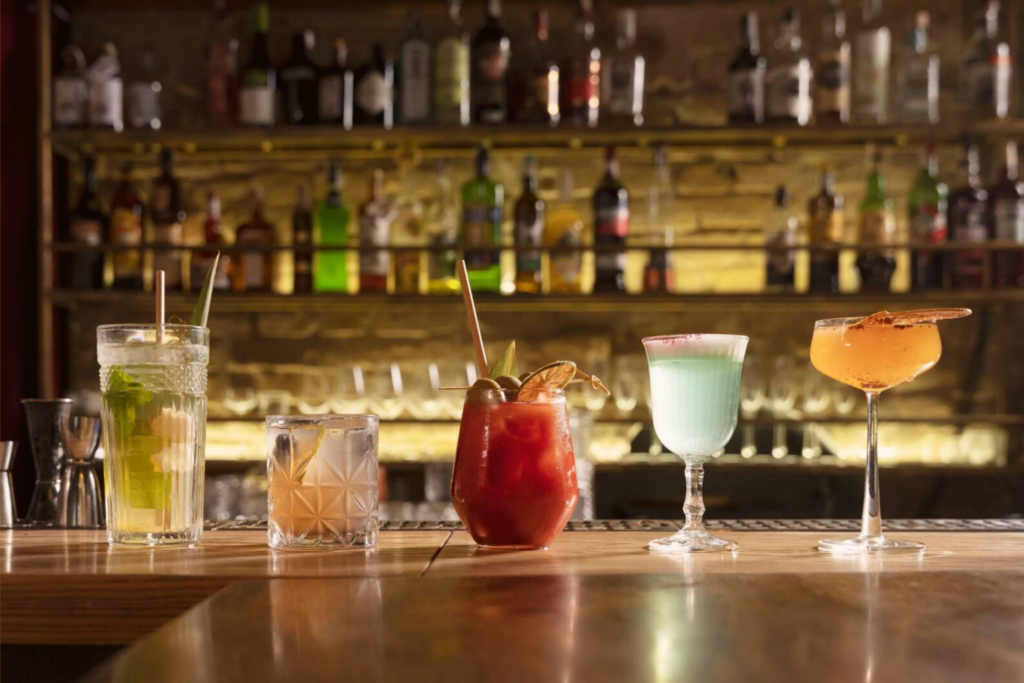
The naming of cocktails plays a central role in shaping how quickly a guest can make a decision. A drink such as the Negroni communicates its structure immediately, allowing for fast and confident ordering.
In contrast, modern bars often move toward abstraction. At Dandelyan, developed by Ryan Chetiyawardana, menus between 2014 and 2018 shifted away from ingredient-based naming toward conceptual frameworks built around ideas and narratives.
This approach introduced a different type of engagement. Rather than choosing based on familiarity, guests were drawn into curiosity and interpretation. Familiar names reduce friction, while abstract names increase engagement and exploration.
Price Anchoring and Perceived Value
Price anchoring remains one of the most effective tools in cocktail menu design. The first price a guest encounters establishes a reference point that shapes how all other options are evaluated.
Bars often place higher-priced cocktails in prominent positions to elevate perceived value across the menu. A Martini prepared with premium Gin or Vodka can be repositioned as a signature experience through placement and framing alone.
This strategy mirrors pricing structures used in fine dining, where high-end options define the perceived value of everything that follows. Guests do not judge price independently. They judge it relative to what they see first.
Visual Hierarchy and Attention Design
Cocktail menus are rarely read in a linear way. Guests scan for visual cues, focusing on areas that stand out through spacing, typography, and placement.
At venues such as the American Bar at The Savoy, menu layout is refined to guide attention without overwhelming the guest. Key cocktails are positioned in visually dominant areas, increasing their likelihood of being selected. Even minimal design choices, such as spacing or font variation, influence perception and behavior. Visibility is not accidental. It is designed.
Categorization and Emotional Framing
Modern cocktail menus increasingly organize drinks around experience rather than technical composition. Instead of grouping by Rum or Tequila, categories are framed around mood and sensory expectation.
This reflects how guests typically approach decision-making. Many do not prioritize technical differences between spirits, but instead respond to how a drink is expected to feel. By aligning categories with emotional cues, bars reduce complexity and increase confidence. Clarity in feeling often matters more than clarity in composition.
Scarcity and Seasonal Influence
Scarcity has long influenced consumption patterns. In cocktail culture, it appears through seasonal ingredients and limited offerings. Historically, drinks such as the Mint Julep were closely tied to ingredient availability. In modern bars, this concept is applied more intentionally.
A cocktail described as seasonal or limited carries added significance. It suggests immediacy and encourages guests to choose it over permanent options. What feels temporary often becomes more desirable.
Social Behavior and Collective Choice
Cocktail decisions are rarely made in isolation. In social settings, guests often look to others before making their choice.
At The Dead Rabbit, menus are designed to encourage shared exploration, combining storytelling with presentation to create a collective experience. When one guest orders something distinctive, others often follow. This creates patterns that reinforce certain drinks as popular choices. The menu influences the individual, but the group amplifies the effect.
The Menu as a Silent System of Influence
Cocktail menus have evolved from functional lists into structured systems that shape behavior through design, language, and presentation.
From early printed menus in Paris to contemporary concept-driven formats in London and New York, the underlying principle remains consistent: choices are guided before they are consciously made. In modern bar culture, the menu is not simply part of the experience. It is where the experience begins.
Bar
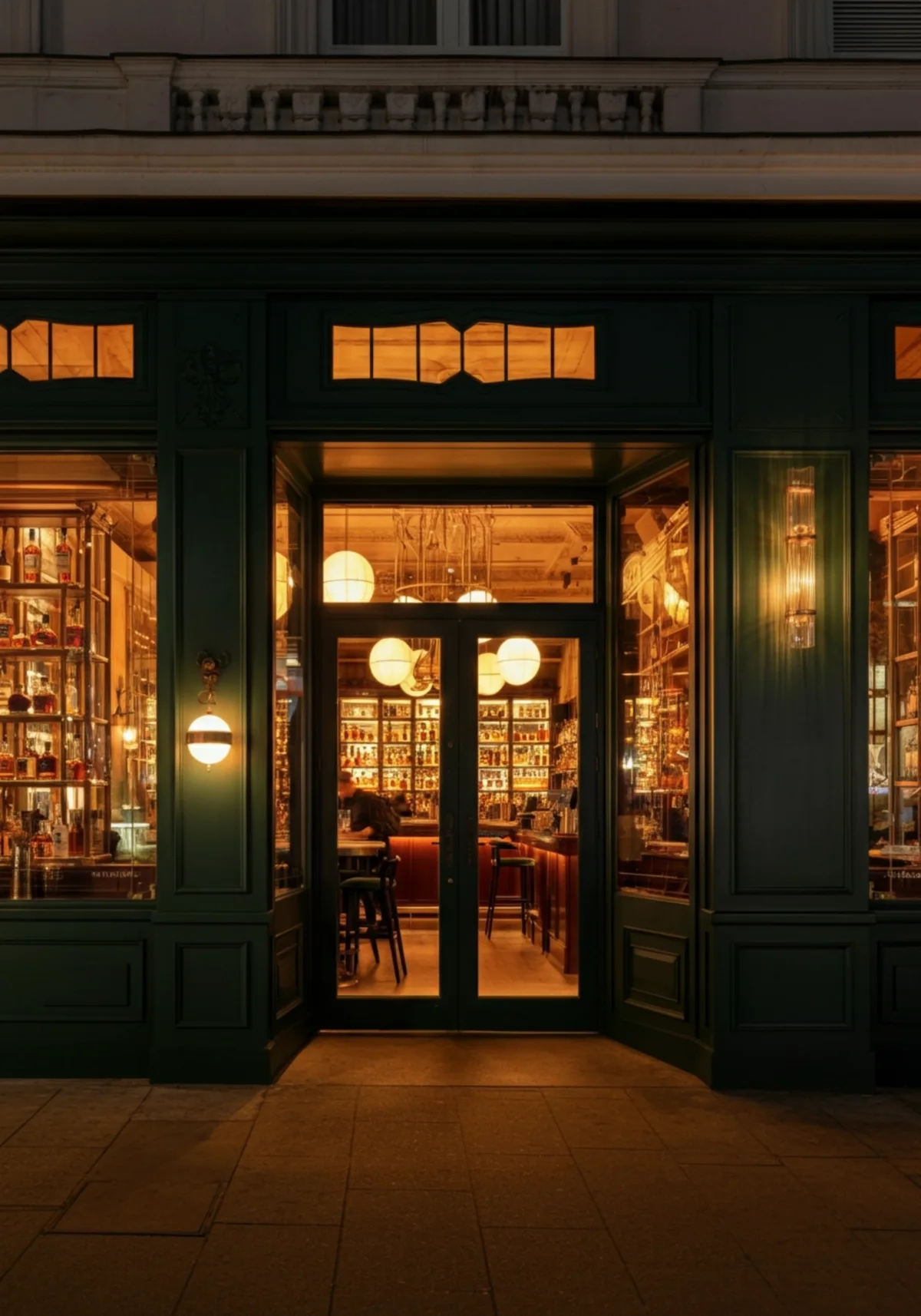
Harry's Bar is an iconic cocktail bar located in the heart of Paris’s 2nd arrondissement on Rue Daunou.…
Bar
The Dead Rabbit is an iconic Irish cocktail bar nestled in New York City’s Financial District at 30…
Bar
In Osaka’s cocktail landscape, Bar Dandelion has earned a reputation as a refined and approachable destination for those…
Bar
American Bar at The Savoy stands as London’s most historic and iconic cocktail destination, widely recognized as the…
Cocktail
The Martini is perhaps the most iconic cocktail in the world, a symbol of elegance, sophistication, and modernity.…
Cocktail
The Old Fashioned is widely regarded as the original cocktail, a simple yet profound combination that has endured…
Cocktail
The Negroni is one of Italy’s most celebrated cocktails, a symbol of refinement and balance that has remained…
Bar
Harry's Bar is an iconic cocktail bar located in the heart of Paris’s 2nd arrondissement on Rue Daunou.…
Bar
The Dead Rabbit is an iconic Irish cocktail bar nestled in New York City’s Financial District at 30…
Bar
In Osaka’s cocktail landscape, Bar Dandelion has earned a reputation as a refined and approachable destination for those…
Bar
American Bar at The Savoy stands as London’s most historic and iconic cocktail destination, widely recognized as the…
Cocktail
The Martini is perhaps the most iconic cocktail in the world, a symbol of elegance, sophistication, and modernity.…
Cocktail
The Old Fashioned is widely regarded as the original cocktail, a simple yet profound combination that has endured…
Cocktail
The Negroni is one of Italy’s most celebrated cocktails, a symbol of refinement and balance that has remained…
Partnership
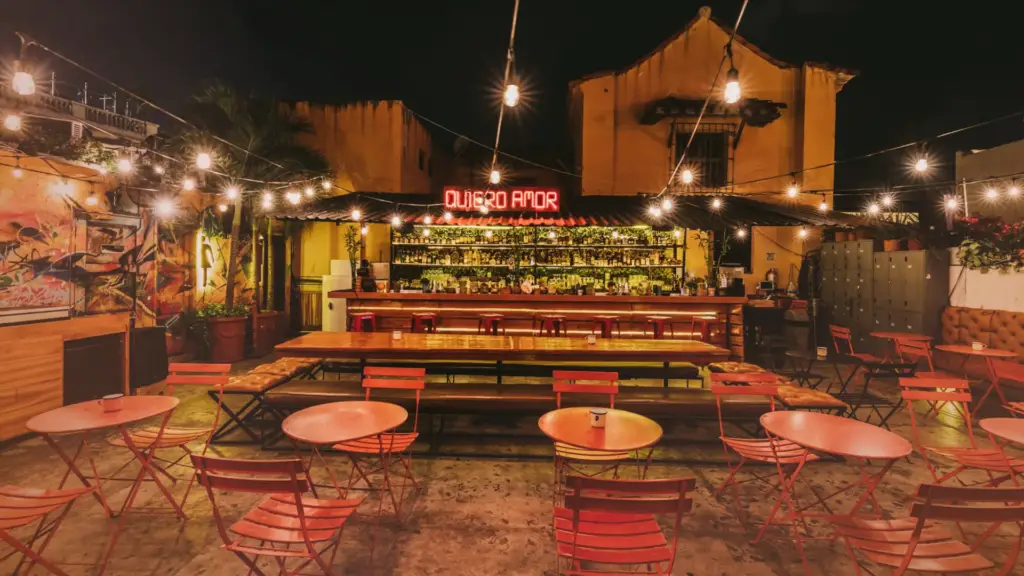
Alquímico in Cartagena: The Multi-Level Bar Where Precision Operates as One System
Within the historic walled city of Cartagena, Alquímico occupies a restored three-storey colonial building that has, since its opening in 2016, evolved into one of the most structurally complex cocktail operations in the world. What appears as a high-energy nightlife destination is, in practice, a fully integrated system combining agriculture, production, and service at scale, […]
September 12, 2026
Trending
World Class 2026 and Dubai’s Rise as a Global Cocktail Culture Hub
From bartender competition to global industry platform The modern cocktail world has developed far beyond the traditional image of the bartender as a skilled server behind a bar. Over the past two decades, bartending has increasingly been recognised as a professional discipline built on technical knowledge, hospitality, creativity and a deeper understanding of spirits. Few […]
September 8, 2026
Partnership
Tres Monos in Buenos Aires: The High-Energy Bar Redefining Cocktail Craft
Volume comes first. Not just music, but movement, conversation, the rhythm of a room that rarely settles. At Tres Monos in Buenos Aires, energy is not an accessory to the experience; it is the structure that holds everything together. What appears spontaneous is, in reality, tightly controlled, with every drink, every gesture, and every interaction […]
September 5, 2026