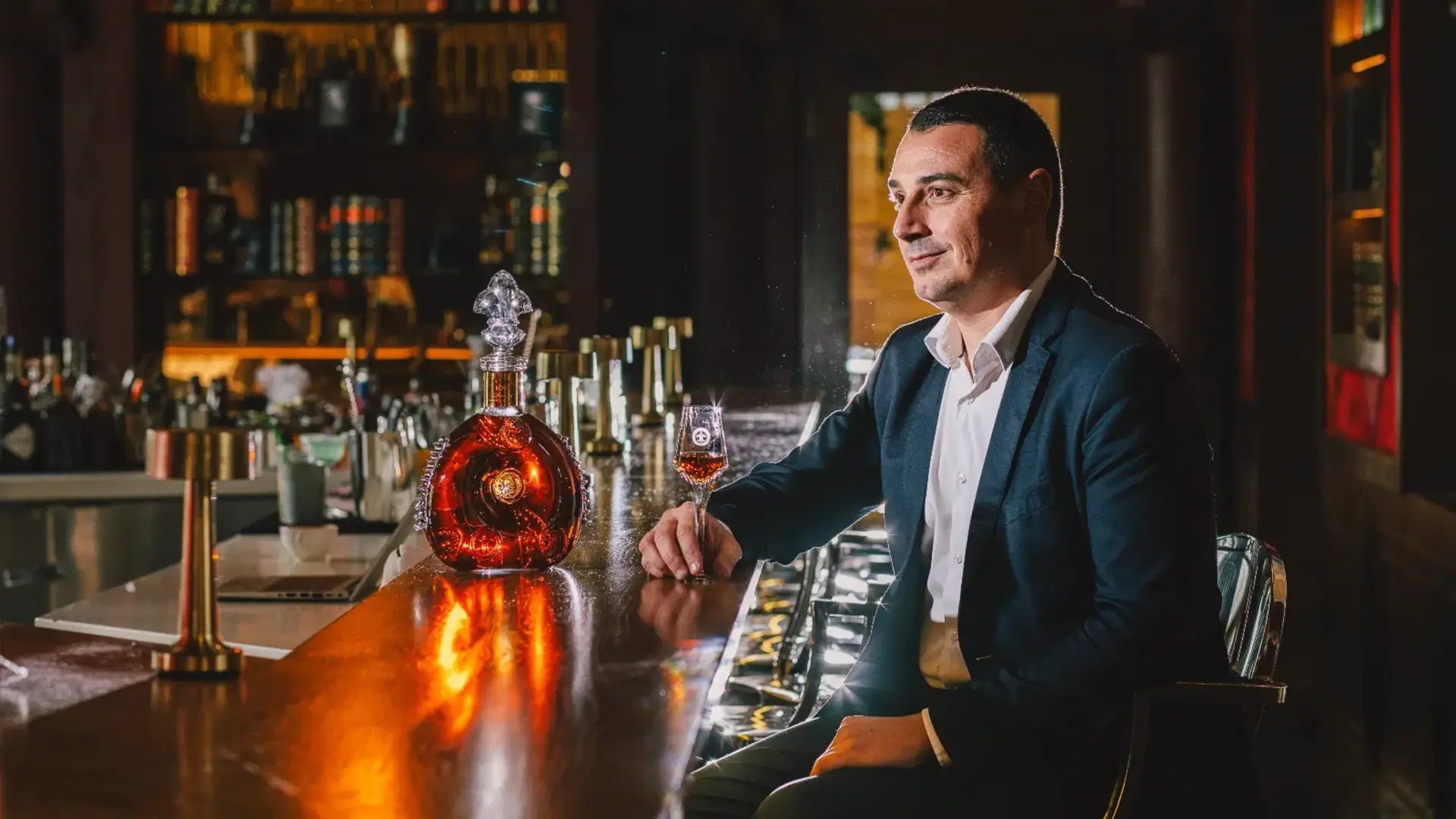
In the damp chalk cellars along the Charente River, beneath the quiet town of Cognac in southwestern France, the Cognac Cellar Master works far from public view. Barrels rest in long, symmetrical rows, their staves darkened by humidity and time. Within this stillness, the Cognac Cellar Master protects something more fragile than oak or spirit. He protects memory. Every release from a historic house must taste unmistakably familiar, even when decades separate distillation from bottling. The responsibility of the Cognac Cellar Master is therefore not innovation for its own sake, but the disciplined preservation of house identity.
Consistency in Cognac is an achievement shaped by foresight. Harvests vary. Climate shifts. Yet the Cognac Cellar Master must ensure that a bottle of Rémy Martin XO or Hennessy VSOP opened today echoes the aromatic benchmarks defined generations ago.
The Historical Emergence of the Cognac Cellar Master
The role of the Cognac Cellar Master developed alongside the international rise of Cognac in the seventeenth and eighteenth centuries. When Richard Hennessy founded Hennessy in 1765 and Rémy Martin established his house in 1724, exports to Britain and Northern Europe required reliable quality. As trade networks expanded, the necessity of a dedicated authority overseeing blending became clear.
By the 19th century, houses such as Martell, founded in 1715 and Courvoisier, established in 1828 formalized internal hierarchies in which the Cognac Cellar Master served as the ultimate arbiter of taste. Maurice Hennessy introduced the star classification system in 1865, creating the VS designation. From that point forward, the Cognac Cellar Master became responsible for aligning minimum aging standards with consistent sensory expression.
Inside the Tasting Ritual of a Cognac Cellar Master
After harvest, Ugni Blanc grapes are fermented into acidic base wine and distilled twice in traditional Charentais copper pot stills. The resulting eau de vie is colorless and high in alcohol, typically around 70 percent ABV. Once placed into French oak barrels from Limousin or Tronçais forests, the aging process begins.
The Cognac Cellar Master conducts systematic tastings throughout maturation. Pierrette Trichet, who became cellar master at Rémy Martin in 2003 and the first woman to hold such a position in a major Cognac house, often emphasized that tasting is both analytical and intuitive. The Cognac Cellar Master evaluates floral lift, fruit density, acidity retention, and tannic development. Notes are meticulously recorded, sometimes referencing archives decades old. A young eau de vie destined for an XO blend may rest for twenty years or more before its role is confirmed.
Blending for Consistency in the Hands of a Cognac Cellar Master
Blending defines the craft of the Cognac Cellar Master. An expression such as Hennessy XO, first created in 1870 under Maurice Hennessy, may incorporate more than one hundred eaux de vie from different crus, including Grande Champagne, Petite Champagne, Borderies, and Fins Bois. Each cru offers distinct aromatic signatures. Grande Champagne provides elegance and longevity. Borderies contributes violet and nutty nuances. Fins Bois adds fruit-forward immediacy.
The Cognac Cellar Master assembles these elements not by formula but by calibrated balance. If a particular vintage produces riper spirit due to warmer summers, fresher reserves from cooler years may be introduced. Baptiste Loiseau, appointed cellar master at Martell in 2014 at the age of 34, has spoken publicly about maintaining house style through proportion rather than repetition. The objective of the Cognac Cellar Master is to recreate the aromatic architecture of the house, not to replicate identical ingredients.
Aging Strategy and the Part des Anges
Aging occurs within humid chais where annual evaporation, known as the part des anges, reduces volume by roughly two percent each year. The Cognac Cellar Master monitors humidity and barrel condition carefully. Some cellars are drier, encouraging greater evaporation of water and resulting in higher alcohol concentration. Others are more humid, producing softer integration.
Reserve stocks are central to consistency. Houses like Hennessy maintain libraries of eaux de vie aged fifty years or longer. These reserves provide corrective flexibility when harvest variation or climate anomalies occur. The foresight required of a Cognac Cellar Master extends decades into the future. Each decision anticipates not only current releases but blends that may be assembled long after the original distillation.
Mentorship and Generational Continuity
The path to becoming a Cognac Cellar Master is shaped by apprenticeship. Jean Baptiste Lécaillon at Louis Roederer in Champagne once described cellar leadership as custodianship, a sentiment echoed in Cognac. Successors train for years, internalizing the sensory DNA of the house.
When Pierrette Trichet handed responsibility to her successor at Rémy Martin in 2014, she transferred not simply technical documentation but experiential memory. This mentorship culture ensures that the Cognac Cellar Master position evolves without rupture. Authority lies in continuity rather than disruption.
Modern Pressures Facing the Cognac Cellar Master
Climate change has influenced sugar concentration in Ugni Blanc grapes, altering potential alcohol levels and acidity balance. Analytical technology now measures phenolic development and chemical markers with precision. Yet even in a data-driven era, the decisive judgment remains sensory.
The Cognac Cellar Master integrates laboratory insight without surrendering palate authority. Instruments confirm structure, but aroma determines harmony. In a global market where demand from Asia and North America continues to grow, consistency remains the defining expectation. The responsibility of the Cognac Cellar Master, therefore, intensifies rather than diminishes.
Behind every bottle of Martell Cordon Bleu, Rémy Martin XO, or Hennessy VSOP stands the disciplined mind of a Cognac Cellar Master. What appears seamless to the consumer is the result of decades of tasting, reserve management, and calibrated blending. Consistency is not static replication but structured balance sustained across time.
Through Interviews and Insights, Barlist brings readers closer to the human intelligence behind heritage spirits. Understanding the role of the Cognac Cellar Master deepens appreciation for Cognac as more than aged brandy. It reveals a profession defined by precision guided by memory, where tradition is not preserved by accident but by deliberate and enduring stewardship.

Distillery
Hennessy Cognac is renowned as the world's leading producer of cognac, representing a harmonious blend of tradition and…
Distillery
Cognac Courvoisier is one of the most esteemed names in the world of cognac, representing centuries of excellence,…
Distillery
Maison Martell, established in 1715, stands as the oldest of the prestigious cognac houses located in the heart…
Spirit
Hennessy VSOP Very Superior Old Pale Cognac
Hennessy VSOP Very Superior Old Pale Cognac is a distinguished blend that encapsulates a legacy of craftsmanship and…
Spirit
Hennessy X.O X Frank Gehry Masterpiece
The Hennessy X.O X Frank Gehry Masterpiece celebrates the 150th anniversary of Hennessy X.O with an extraordinary fusion…
Spirit
Rémy Martin XO Cognac represents the epitome of fine craftsmanship and expert blending from the renowned house of…
Trending
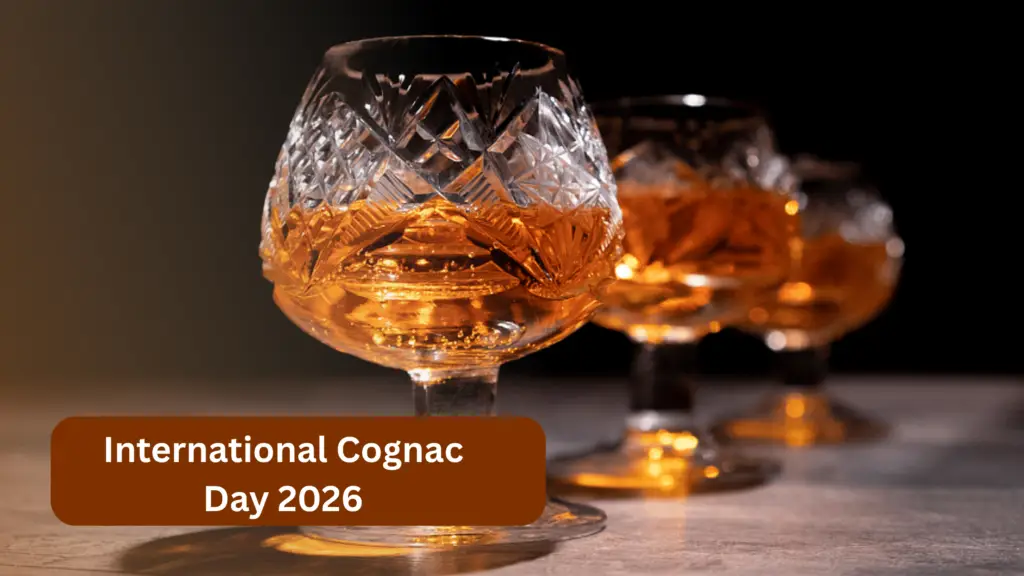
International Cognac Day: History, Appellation, and the Spirit of Charente
International Cognac Day is observed each year on June 4, but the spirit it recognizes belongs to a much longer calendar. Cognac is shaped by harvests, distillation seasons, oak maturation, and a legal framework that has turned a regional wine distillate into one of France’s most carefully protected spirits. Its identity begins in the Charente, […]
June 4, 2026
Distilleries
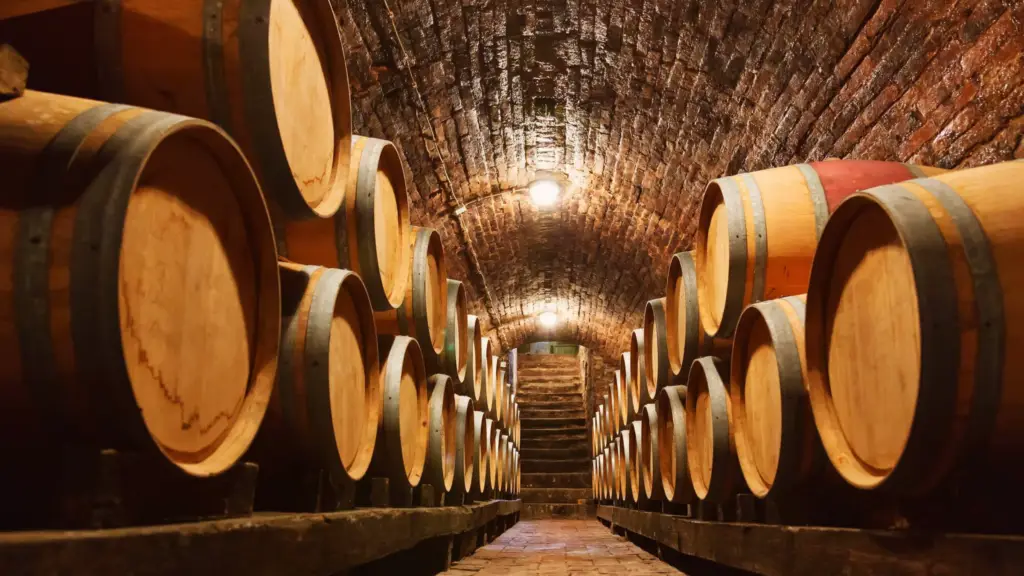
French Oak Vs American Oak in Rémy Martin Barrel Maturation
Freshly distilled Cognac is structurally incomplete. Clear, high in alcohol, and aromatically narrow, it carries the potential of the grape but not its final form. That transformation begins only once the eau-de-vie enters oak, where wood, oxygen, and time begin to reorganize its composition. The system built around Rémy Martin relies on French oak to […]
April 11, 2026
Spirits
Pricing and Taxation in 19th-century European Spirits Consumption
In the early decades of the nineteenth century, the cost of a glass of spirits in London, Paris, or Warsaw was rarely determined by the distiller. It was determined by the state. A measure of whisky, Cognac, or vodka carried within it a structure of duties, controls, and transport costs that defined not only its […]
April 7, 2026