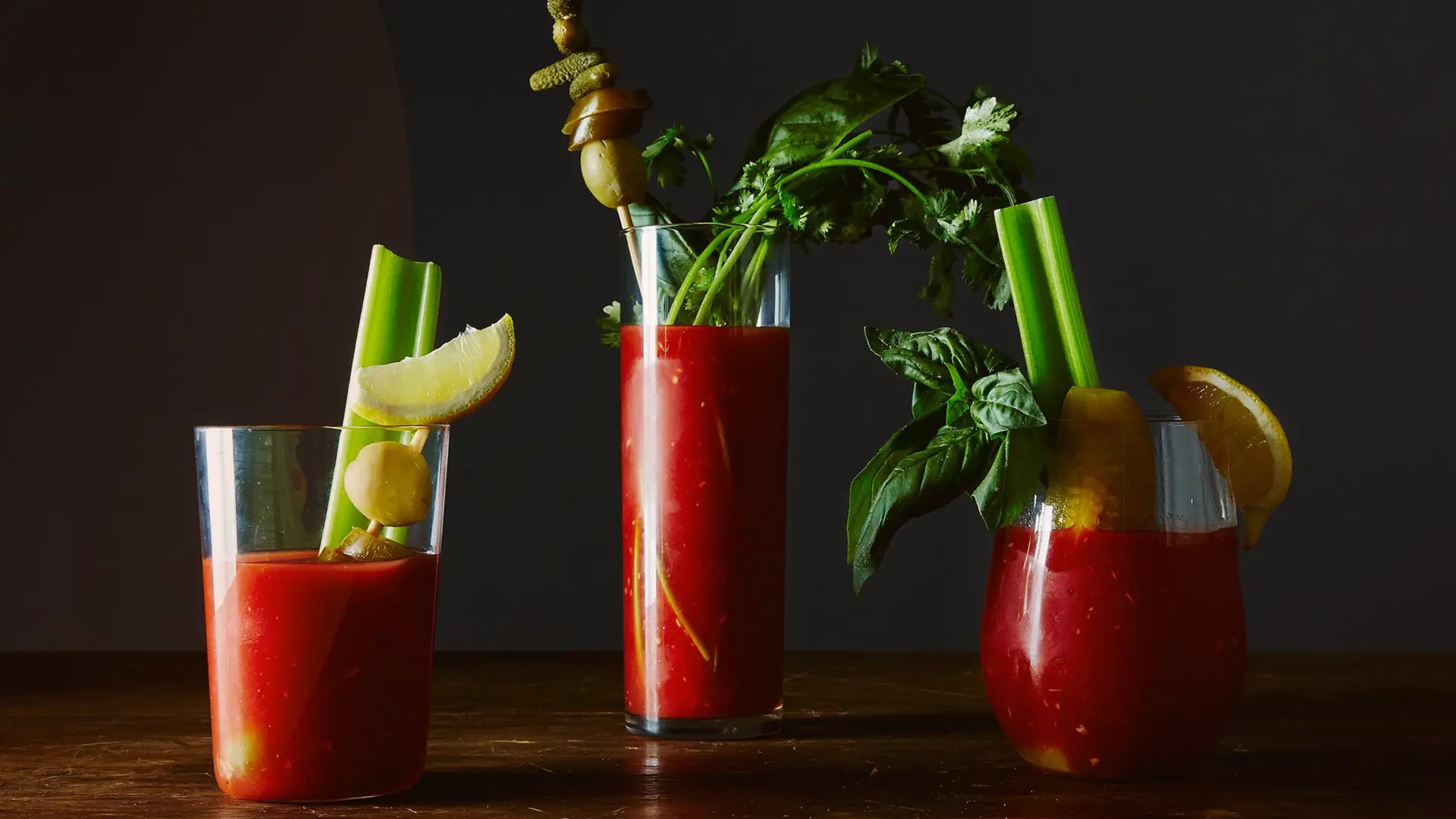
The Bloody Mary originated in the early 1920s at Harry’s New York Bar in Paris. Fernand Petiot, the bartender often credited with its creation, first experimented with a mix of tomato juice and spirits to produce a savory, balanced cocktail. Early versions included a combination of tomato juice, vodka, a hint of black pepper, and Worcestershire sauce, sometimes under names like “Bucket of Blood” or “Red Snapper.”
This Parisian environment, home to American expatriates and European cocktail enthusiasts, fostered technical experimentation. Bartenders focused on balance rather than showmanship, treating tomato juice as a structured medium for acidity, body, and umami, and vodka as a neutral base to provide lift without overshadowing the ingredients.
Harry’s New York Bar became a landmark for cocktail innovation, influencing both European and American bartending styles. Its prominence illustrates how Bloody Mary’s creation was rooted in urban sophistication, not brunch culture.
Transatlantic Adaptation and Brunch Integration
When Petiot relocated to New York in 1934, the cocktail was adapted for American tastes. At the St. Regis Hotel, he standardized the recipe, emphasizing vodka over gin or other spirits. By the 1940s, the Bloody Mary appeared regularly on cocktail menus, including the King Cole Bar and the Algonquin Hotel, often listed as a “morning restorative” alongside coffee and lighter spirits.
The drink’s transition into brunch culture occurred postwar, particularly in hotel bars catering to urban professionals. The savory profile, perceived restorative qualities, and flexibility with alcohol content made it ideal for midday consumption. Its association with Sunday brunch solidified in the 1960s and 1970s, especially in New York and Chicago, cementing its identity beyond Parisian innovation.
Technical Composition and Preparation Methods
The Bloody Mary is an exercise in structural precision. Vodka functions as a neutral alcohol carrier, allowing the acidity, umami, and spice of tomato juice and seasonings to dominate. Essential additives include Worcestershire sauce, Tabasco, horseradish, lemon juice, celery salt, and freshly ground black pepper. These elements are not decorative; they balance pH, enhance mouthfeel, and modulate perceived heat.
Preparation requires careful technique. Classic methods involve stirring or gently rolling the mixture rather than aggressive shaking, which can create undesirable froth. Some modern bartenders use a blender at low speed to emulsify the tomato juice with the seasonings, creating a uniform texture while maintaining the cocktail’s clarity. Ice quality and temperature control are critical, as excessive dilution can disrupt acidity and alter viscosity.
Garnishes-celery stalks, olives, pickles, lemon wheels, or cooked shrimp- serve as tactile and visual extensions of the cocktail. They do not redefine flavor but provide cues to drinker expectations and presentation. Bars like The 21 Club in New York and Dandelyan in London prioritize these nuances, demonstrating that balance and emulsion define the Bloody Mary more than flamboyant decoration.
Historical Cocktail Menus and Codification
The Bloody Mary first appeared in American cocktail guides in the 1930s. Early recipes emphasized simplicity, listing only tomato juice, vodka, and a dash of seasonings. By the 1950s, hotel cocktail menus incorporated more elaborate versions, sometimes including pepper, horseradish, or tomato juice adjustments to match seasonal produce.
Bartenders at the St. Regis and King Cole Bar often experimented with ratios to optimize perceived strength and mouthfeel. The cocktail’s inclusion in these menus reflects a technical approach: each element was measured to maintain acidity, texture, and alcohol balance. Unlike tiki or flamboyant cocktails, the Bloody Mary’s evolution prioritized consistency and functional drinking over spectacle.
International Variations
Across the globe, the Bloody Mary has been adapted to local tastes. In Canada, bartenders often substitute Clamato for tomato juice, creating the “Caesar,” which incorporates celery salt and lime. In Mexico, Micheladas use beer instead of vodka but maintain the savory, spiced structure.
European variations include the Red Snapper in London, which often uses gin as a base, and Spanish versions, which sometimes incorporate smoked paprika or regional olives. Despite these modifications, the cocktail maintains its core principles: acidity, umami, spice, and structural balance.
In modern bars such as Dandelyan and Milk & Honey, mixologists explore artisanal vodkas, fermented tomato blends, and smoked salts, yet these experiments remain true to the cocktail’s framework. They illustrate how international adaptation can coexist with technical fidelity, rather than replacing the original method and intent.
Bars, Bartenders, and Signature Spirits
The story of Bloody Mary is inseparable from the bars that refined and preserved it. At Harry’s New York Bar, Fernand Petiot developed the early structure of the cocktail in the 1920s, combining tomato juice with spirits in a format that balanced acidity and alcohol with restraint. The bar’s role in interwar cocktail culture positioned the Bloody Mary within a broader transatlantic exchange of technique and taste.
When Petiot moved to the United States, the cocktail evolved at the St. Regis Hotel, where vodka became the standardized base spirit. The hotel environment shaped the drink’s identity as a refined morning or midday cocktail rather than a novelty. Within the St. Regis, the King Cole Bar played a defining role in codifying the Bloody Mary’s service style, presentation, and consistency.
Across Midtown Manhattan, the Algonquin Hotel helped embed the cocktail within urban hospitality culture, reinforcing its association with writers, business travelers, and weekend brunch traditions. Meanwhile, at The 21 Club, bartenders emphasized precision in dilution, ice control, and seasoning balance, underscoring the technical discipline required to maintain the drink’s structure.
In London, modern reinterpretations emerged at Dandelyan, where bartenders explored artisanal vodkas, clarified tomato bases, and measured spice integration while preserving the foundational architecture of the cocktail. These interpretations demonstrate that evolution can occur without abandoning structural integrity.
The base spirit remains vodka, selected for neutrality and textural lift. In Canada, Clamato defines the Caesar variation, altering salinity and umami without changing the core philosophy of savory balance. In London and other European bars, gin occasionally replaces vodka in the Red Snapper adaptation, introducing botanical structure while retaining the tomato-driven framework.
Together, these bars and spirits illustrate that the Bloody Mary is not static. It is maintained through institutional memory, bartender precision, and controlled reinterpretation, ensuring continuity across geography and era.
Cultural Debate and Brunch Rituals
The Bloody Mary remains a point of cultural discussion. Purists argue for fidelity to the Petiot recipe, emphasizing raw tomato juice, measured spices, and vodka neutrality. Contemporary bartenders encourage reinterpretation using heirloom tomatoes, craft vodkas, and house-made seasonings, raising debates over authenticity.
Its brunch identity has reinforced social patterns. In hotels and urban bars, a Bloody Mary is as much a marker of communal leisure as a cocktail. Its midday consumption, often paired with eggs or seafood, underscores the drink’s functional role, while international variations reflect local culinary integration.

Bar
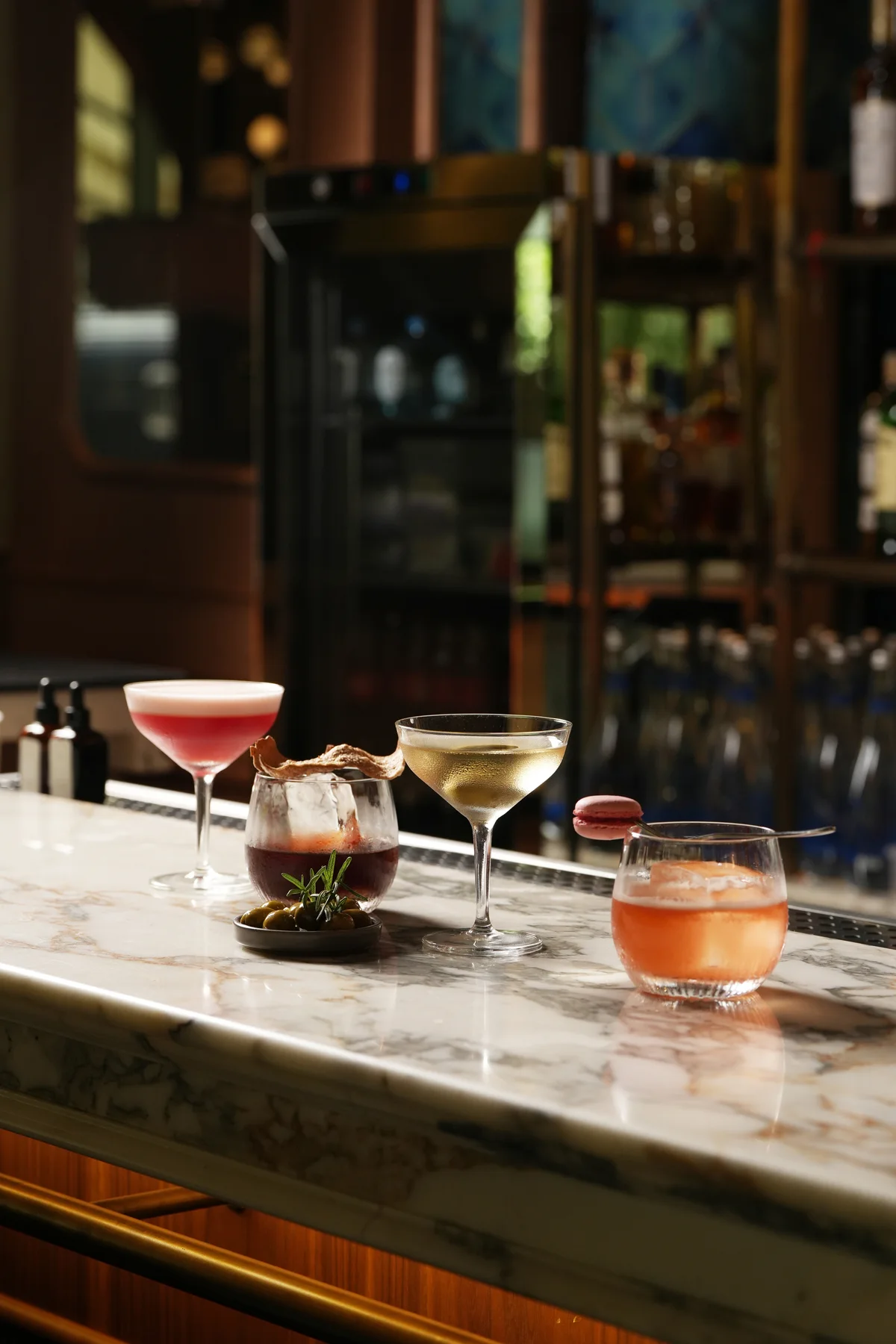
Harry's Bar is an iconic cocktail bar located in the heart of Paris’s 2nd arrondissement on Rue Daunou.…
Bar
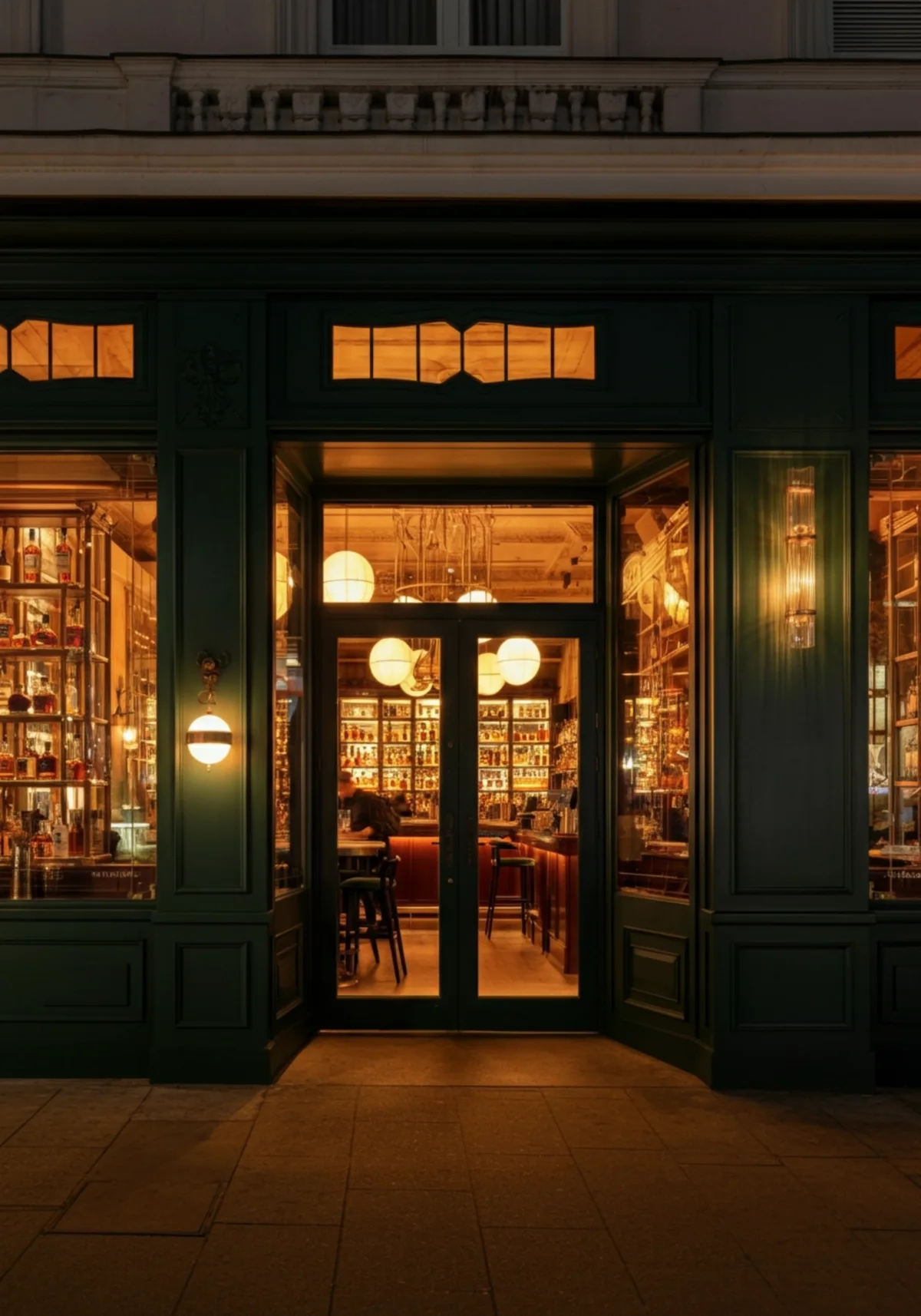
Nestled in the heart of Manhattan, this intimate speakeasy emerged in 2000 from the mind of industry visionary…
Bar
In Osaka’s cocktail landscape, Bar Dandelion has earned a reputation as a refined and approachable destination for those…
Bar
Bloody Mary Cocktail Bar has become a familiar name within Barcelona’s independent cocktail scene, known for its relaxed…
Bar
Nestled within the opulent confines of The St. Regis Hotel in Manhattan, this esteemed bar holds the weight…
Bar
The St. Regis Bar at The Londoner Macao
The St. Regis Bar, located on the second floor of The St. Regis Macao within The Londoner Macao…
Cocktail
The Bloody Mary is a classic cocktail celebrated for its bold, savory, and complex flavor profile. Traditionally made…
Trends and Innovations
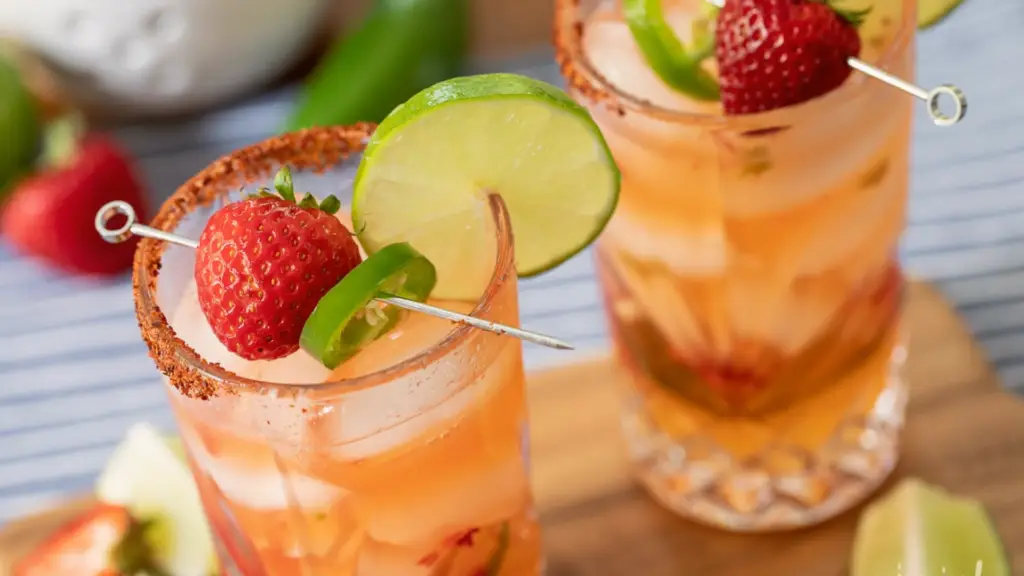
Sweet Heat: How Fruit and Spice Are Changing Modern Cocktail Culture
Sweet heat cocktail culture is not as new as its current trend language suggests. Fruit and chilli have shared space for generations in markets, kitchens, street food, pickles, sauces, snacks, and drinks across Mexico, wider Latin America, South Asia, and Southeast Asia. Mango and chilli, pineapple and pepper, citrus and salt, tamarind and spice, watermelon […]
July 4, 2026
Bars and Cocktails
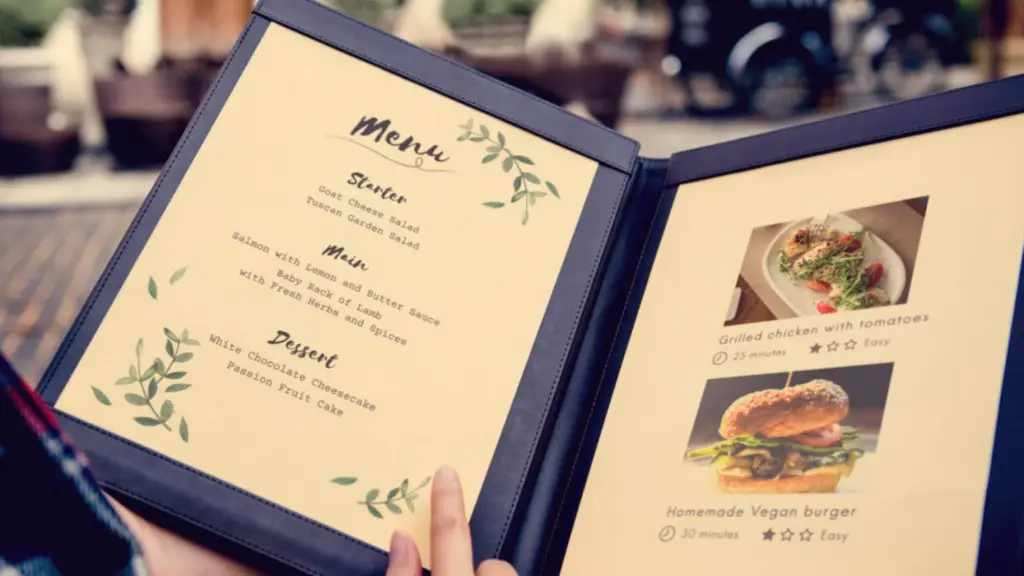
Psychology of Cocktail Menus: Design Influences Choice
Cocktail menus are rarely just a list of drinks. It functions as a structured system that shapes how guests navigate choice, often before any interaction with a bartender begins. Through layout, naming, pricing, and categorization, menus guide attention and reduce uncertainty, influencing decisions in ways that feel intuitive rather than directed. Across modern bar culture, […]
April 2, 2026
Bars and Cocktails
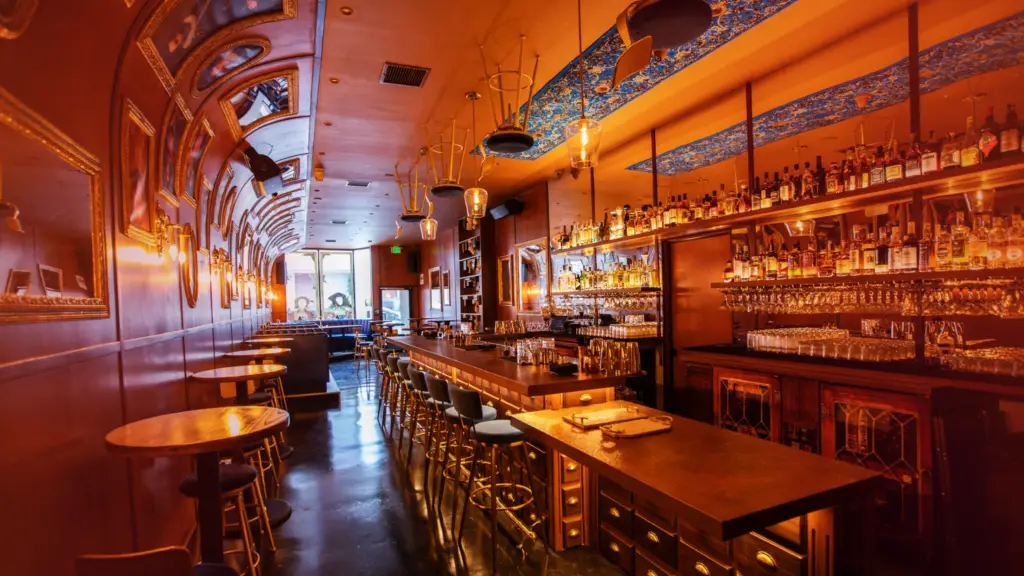
The Rise of Speakeasy 2.0: How Modern Hidden Bars Reframed Craft
A ringing telephone inside a New York hot dog shop opens a concealed door. A narrow staircase in Shoreditch descends into candlelit jazz. An unmarked façade in Singapore reveals one of Asia’s most awarded cocktail programs. These are not acts of evasion but of design. The rise of Speakeasy 2.0 marks a shift from prohibition […]
March 2, 2026