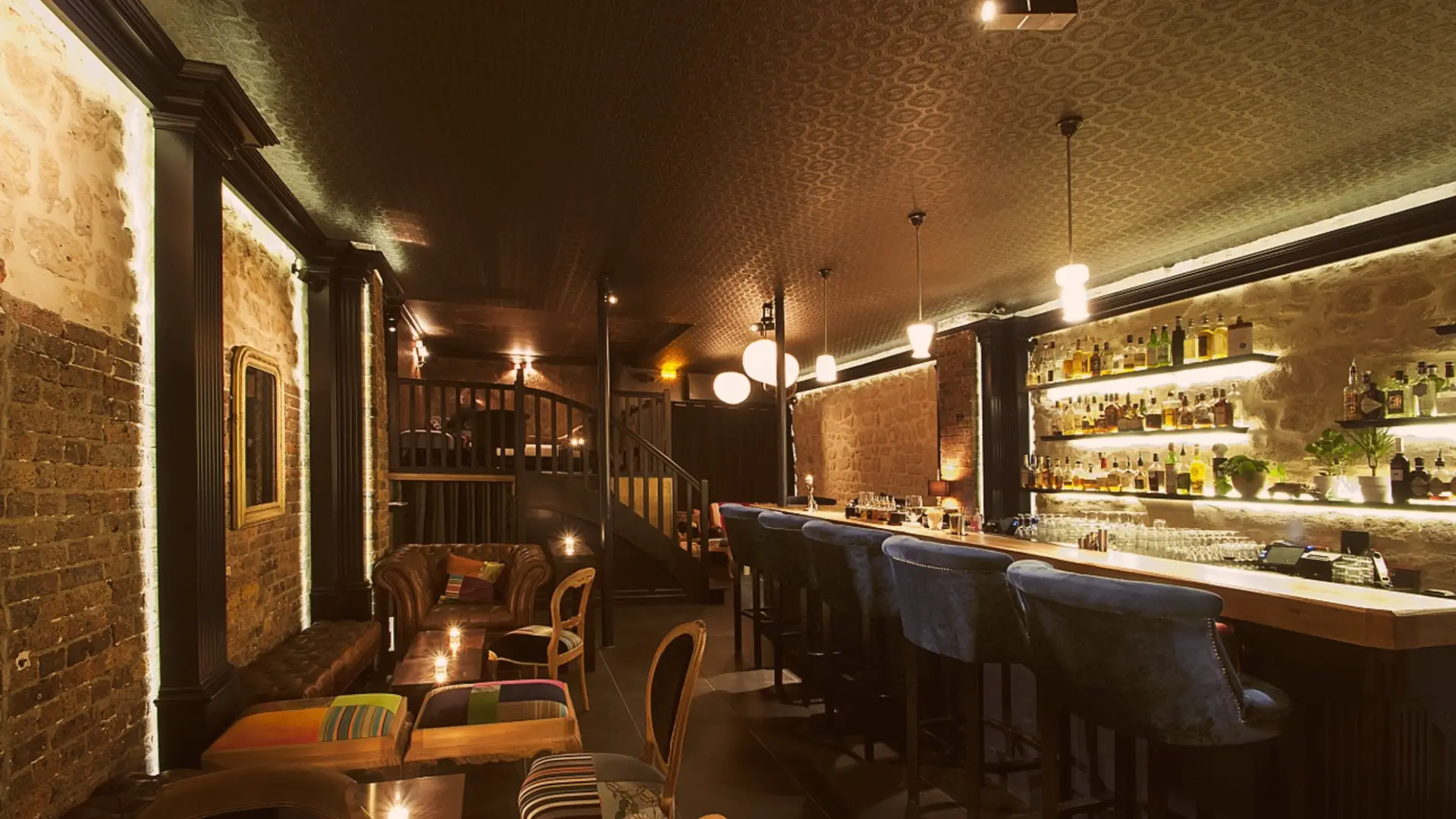
Paris does not reward novelty for long. Bars rise quickly, but only a few remain relevant once fashion moves on. In 2026, the Paris bars that matter are not those chasing trends or social media visibility. They are the ones who shaped drinking culture through decisions, discipline, and continuity. These bars matter because they have influenced how Paris drinks, not because they followed what was already popular.
Each of the following addresses operates within a specific neighbourhood, with a defined point of view, a recognisable drink identity, and a history that explains its presence rather than justifying it.
Little Red Door, Marais: One of the Most Visited Paris Bars
Opened in 2012 in the Marais, Little Red Door became influential by rejecting menu permanence. Rather than anchoring itself to signature drinks, the bar rebuilt its menu structure repeatedly, each time around a theme grounded in research rather than aesthetics.
Menus such as twisted classics, terroir-driven ingredients, and regional storytelling reframed how cocktails could function as narrative objects. Drinks like the Twisted Negroni did not aim to improve balance but to challenge familiarity. The bar’s influence extended beyond Paris, shaping menu thinking across Europe.
Little Red Door matters in 2026 because it proved that intellectual rigour could coexist with accessibility without sacrificing volume or consistency.
Harry’s New York Bar, Opéra
Founded in 1911 near Opéra, Harry’s New York Bar remains one of the most historically significant cocktail bars in the world. It is associated with the creation of drinks such as the Bloody Mary and the Sidecar, and with figures including Harry MacElhone, whose role in documenting cocktails shaped early bar literature.
Harry’s matters not because of nostalgia, but because it never attempted reinvention. Its relevance lies in continuity. The bar preserved American cocktail structure in Paris through Prohibition, war, and shifting tastes, acting as a cultural anchor rather than a trend participant.
In 2026, Harry’s remains a reference point for what a bar becomes when it refuses to chase relevance.
Candelaria Bar: 3rd arrondissement
Hidden behind a taqueria in the 3rd arrondissement, Candelaria Bar opened in 2011 and played a central role in redefining Paris cocktail culture during the early modern revival. Its focus on tequila and mezcal arrived before agave spirits became globally fashionable.
Cocktails like the Tommy’s Margarita were presented without spectacle, prioritising restraint and quality. Candelaria normalised serious agave drinking in Paris, influencing how spirits from Mexico were positioned and understood.
The bar matters in 2026 because it demonstrated that specialisation, when executed quietly and consistently, could reshape consumer behaviour.
Danico, Palais Royal
Located near Palais Royal, Danico is the Paris outpost of bartender Nico de Soto. Since opening in 2016, Danico has focused on flavour layering, acidity management, and global ingredient sourcing.
Drinks such as the Cosmo Pickle introduced fermentation and salinity into the cocktail structure without relying on novelty. Danico bridged experimental technique with classical discipline, influencing a generation of Paris bartenders comfortable working outside European flavour traditions.
Danico matters because it expanded the technical vocabulary of Paris cocktails without disconnecting from service discipline.
Bar Hemingway at the Ritz, Place Vendôme
Situated inside the Ritz Paris, Bar Hemingway carries a legacy shaped by Colin Field, who led the bar for decades and redefined luxury cocktail service through precision rather than excess.
Cocktails such as the Serendipity reflect an approach rooted in clarity, ice quality, and repetition. Bar Hemingway did not modernise through reinvention. It was modernised by refining execution.
In 2026, the bar matters because it demonstrates that luxury bars can influence culture through consistency rather than spectacle.
Le Syndicat, Strasbourg Saint-Denis
Opened in 2014, Le Syndicat positioned itself explicitly around French spirits. Cognac, Armagnac, Calvados, and agricole rum formed the backbone of its menu at a time when imported spirits dominated cocktail culture.
Cocktails such as the Syndicat Old Fashioned reframed French distillates as contemporary rather than traditional. The bar’s political stance on sourcing influenced how French producers were perceived domestically.
Le Syndicat matters in 2026 because it shifted national spirits from heritage objects into living cocktail ingredients.
These six bars matter because they changed behaviour. They influenced how menus are written, how spirits are framed, and how continuity competes with novelty. None of them succeeded by following trends. They succeeded by committing to a position and refining it over time.
Paris drinking culture in 2026 is not defined by excess choice. It is defined by places that understand why they exist.
Bar
Bar Hemingway is a truly iconic cocktail bar located inside the legendary Ritz Paris at 38 Rue Cambon.…
Bar
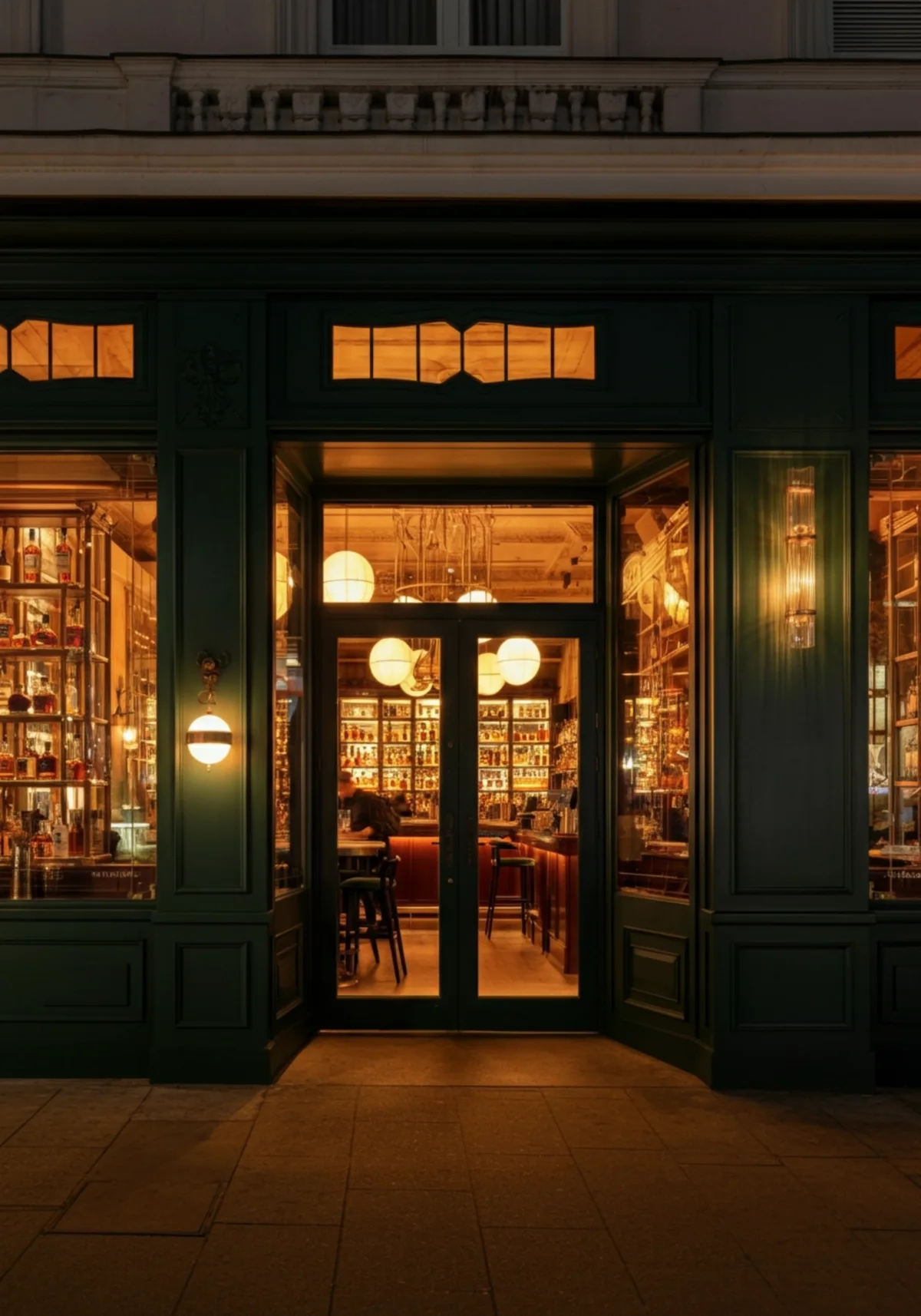
Harry's Bar is an iconic cocktail bar located in the heart of Paris’s 2nd arrondissement on Rue Daunou.…
Bar
Le Syndicat is a boldly innovative cocktail bar tucked behind a poster-plastered façade at 51 Rue du Faubourg…
Bar
Tucked discreetly in the lively Marais district of Paris, Candelaria begins its story like any unassuming neighborhood spot.…
Bar
In the heart of Paris, just a few steps from the grand arcades of Palais Royal, lies Danico…
Bar
In the heart of the Marais, on Rue Charlot, Little Red Door stands as one of the most…
Cocktail
The Classic Old-Fashioned is one of the most iconic and enduring cocktails in mixology, celebrated for its simplicity,…
Partnership
Román Granitto: From Buenos Aires to the World Stage
In Buenos Aires, bartending is rarely quiet. Service moves fast, conversations overlap, and the energy of the room shapes every interaction. For Román Granitto, this environment was not a challenge to manage but a system to understand. Control, in this context, is learned through movement rather than imposed on it. His early development came through […]
July 13, 2026
Bars and Cocktails
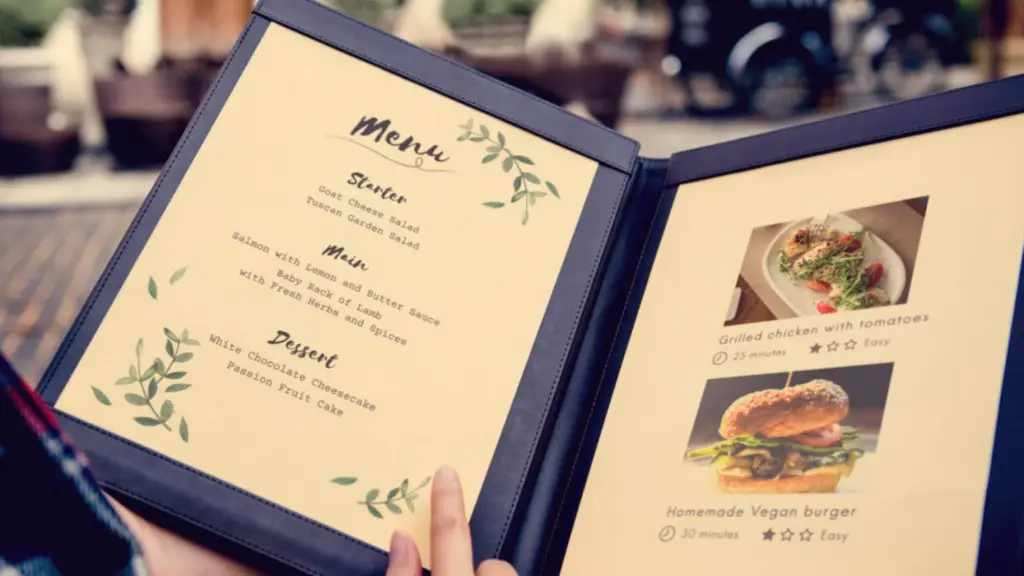
Psychology of Cocktail Menus: Design Influences Choice
Cocktail menus are rarely just a list of drinks. It functions as a structured system that shapes how guests navigate choice, often before any interaction with a bartender begins. Through layout, naming, pricing, and categorization, menus guide attention and reduce uncertainty, influencing decisions in ways that feel intuitive rather than directed. Across modern bar culture, […]
April 2, 2026
Bars and Cocktails
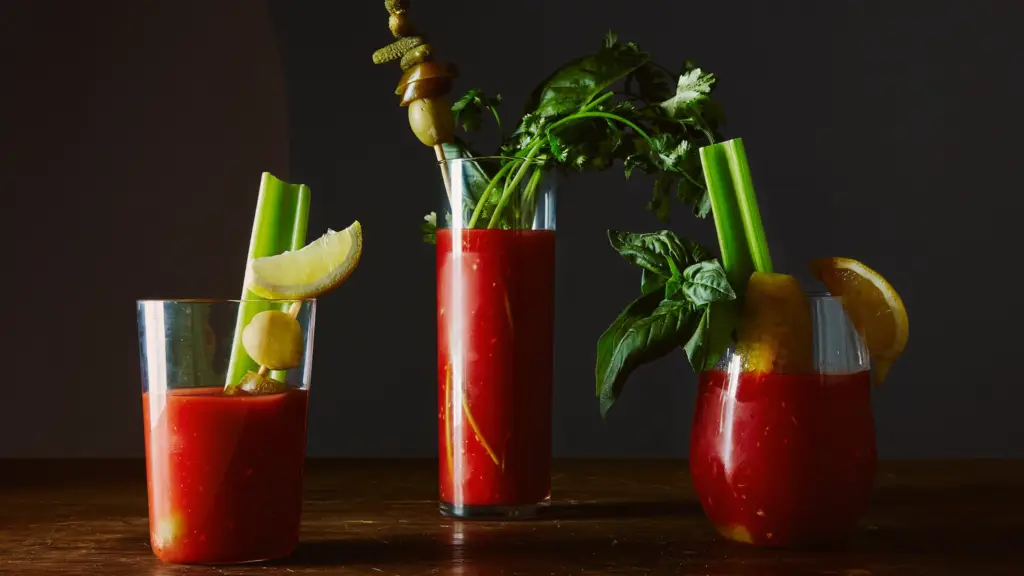
Bloody Mary: From Parisian Bars to Brunch Rituals and Cultural Debate
The Bloody Mary originated in the early 1920s at Harry’s New York Bar in Paris. Fernand Petiot, the bartender often credited with its creation, first experimented with a mix of tomato juice and spirits to produce a savory, balanced cocktail. Early versions included a combination of tomato juice, vodka, a hint of black pepper, and […]
March 4, 2026