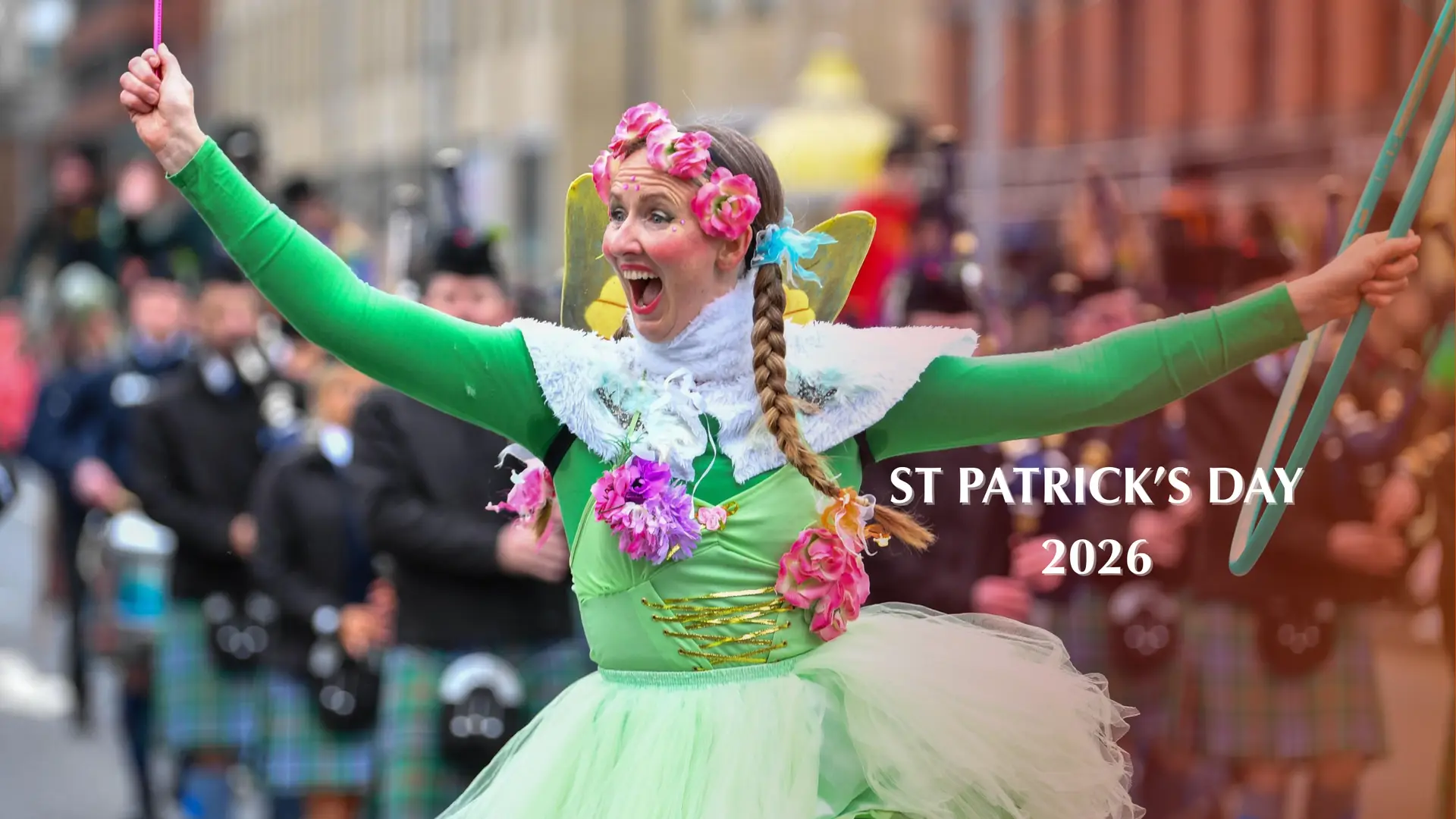
Before the first pint is poured, before the streets fill with green, St Patrick’s Day begins in quiet observance. In Ireland, the day still carries its original meaning. It marks the death of Saint Patrick, traditionally dated to March 17, 461 CE. For centuries, it was not a celebration of excess but a moment of reflection, woven into the Catholic calendar and observed with restraint.
The global image of crowded bars and flowing whiskey came much later. What defines St Patrick’s Day today in 2026 is not a break from tradition, but the gradual layering of history, migration, and culture onto a religious foundation that remains present beneath the surface.
Before Celebration There Was Restraint
For much of its history, St Patrick’s Day in Ireland unfolded without spectacle. Churches were central, families gathered, and the day passed without the public drinking now associated with it. Irish law required pubs to remain closed on March 17 until 1961, reinforcing the day’s religious significance.
This detail matters. The modern identity of St Patrick’s Day did not originate in Irish bars. It took shape elsewhere, shaped by communities that carried Irish identity beyond the island.
The shift from feast to festival did not replace the original meaning. It expanded it.
Diaspora and the Reinvention of the Day
The transformation of St Patrick’s Day began with the Irish diaspora. During the 18th and 19th centuries, Irish communities abroad turned the day into a public expression of identity. In New York, the first recorded parade in 1762 marked an early turning point.
These gatherings were not initially about drinking. They were about visibility, belonging, and cultural continuity. Over time, as Irish communities settled into urban life, the bar became a natural extension of that expression.
Outside Ireland, the Irish pub evolved into more than a place to drink. It became a space where identity could be performed and shared. Within that space, alcohol, particularly Irish whiskey and stout, became part of the ritual.
By the 20th century, the diaspora had reshaped the day into something Ireland itself would later recognize and adopt.
Irish Whiskey and the Return of the Glass
The resurgence of Irish whiskey played a defining role in shaping the modern form of St Patrick’s Day in 2026. Distilleries such as Jameson Distillery, Bushmills Distillery, and the production center at Midleton Distillery helped restore Ireland’s presence in global spirits culture.
Irish whiskey’s smoother profile, shaped by triple distillation and blending traditions, made it particularly suited to social environments. It was not a spirit of intensity but of approachability. This allowed it to move easily across cultures and occasions.
On St Patrick’s Day in 2026, the presence of Irish whiskey is not incidental. It is structural. The act of pouring and sharing it connects the modern celebration to its Irish origins, even when observed far from the island.
The Irish Pub as a Global System
If Irish whiskey provided the liquid identity of St Patrick’s Day, the Irish pub provided its stage. Rooted in hospitality and conversation, the pub became one of Ireland’s most recognizable cultural exports.
Stout, particularly from Guinness, reinforced this identity. Its consistency across markets ensured that the experience of drinking it remained recognizable whether in Dublin, London, or New York.
Over time, Irish pubs developed a shared structure for the day. Music, high-volume service, and communal drinking created a rhythm that could be replicated internationally. The celebration became standardized while maintaining its cultural references.
This repeatability allowed St Patrick’s Day to function as a global ritual rather than a local event.
From Local Feast to Global Event
The scale of St Patrick’s Day reflects decades of cultural expansion. Public traditions such as the Chicago River being dyed green since 1962, alongside major parades in Dublin and other cities, transformed the day into a coordinated global event.
Tourism initiatives and international media further expanded their reach. Ireland itself embraced this global identity, presenting the celebration as both cultural expression and national showcase.
Within this system, drinking is not random. It carries meaning. Irish whiskey and stout act as shared symbols, connecting participants across locations through a common experience.
Repetition as Cultural Memory
Despite its scale, the structure of St Patrick’s Day remains consistent. Drinks are simple. Whiskey is often served neat or with minimal dilution. Stout is poured with care. Cocktails exist, but they are not central.
The emphasis is on repetition. Each year follows a familiar pattern. This consistency reinforces identity and preserves tradition. Repetition becomes memory.
The story of St Patrick’s Day is one of expansion rather than replacement. A religious feast rooted in early Ireland now exists as a global ritual shaped by migration, distillation, and bar culture.
Barlist examines this transformation through the connection between spirits, places, and practice. Irish whiskey distilleries, diaspora communities, and the global presence of Irish pubs did not simply influence the celebration. They shaped it.
In every glass raised on March 17, there is more than celebration. There is continuity. The original meaning remains present, layered beneath centuries of cultural adaptation. What appears as festivity is the result of a system built over time.

Distillery
Midleton Distillery, located in County Cork, Ireland, is renowned as a cornerstone of Irish whiskey production. Founded in…
Distillery
The Old Bushmills Distillery, nestled in the picturesque village of Bushmills, County Antrim, Northern Ireland, holds the revered…
Distillery
The Jameson Distillery, an iconic landmark in the heart of Dublin, is rooted in the rich tradition of…
Spirit
Jameson Bow Street 18 YO Cask Strength Irish Whiskey
Jameson Bow Street 18 Year Old Cask Strength is a distinguished Irish whiskey that encapsulates the rich heritage…
Spirit
Bushmills 30 YO Single Malt Irish Whiskey
Bushmills 30 Year Old Single Malt Irish Whiskey represents the pinnacle of craftsmanship from the world’s oldest licensed…
Spirit
Redbreast 15 YO Single Pot Still Irish Whiskey
Redbreast 15 YO is a hallmark of Irish whiskey craftsmanship, standing out as one of the finest examples…
Tips and Tricks
Why Certain Distilleries Invite Visitors and Others Remain Guarded
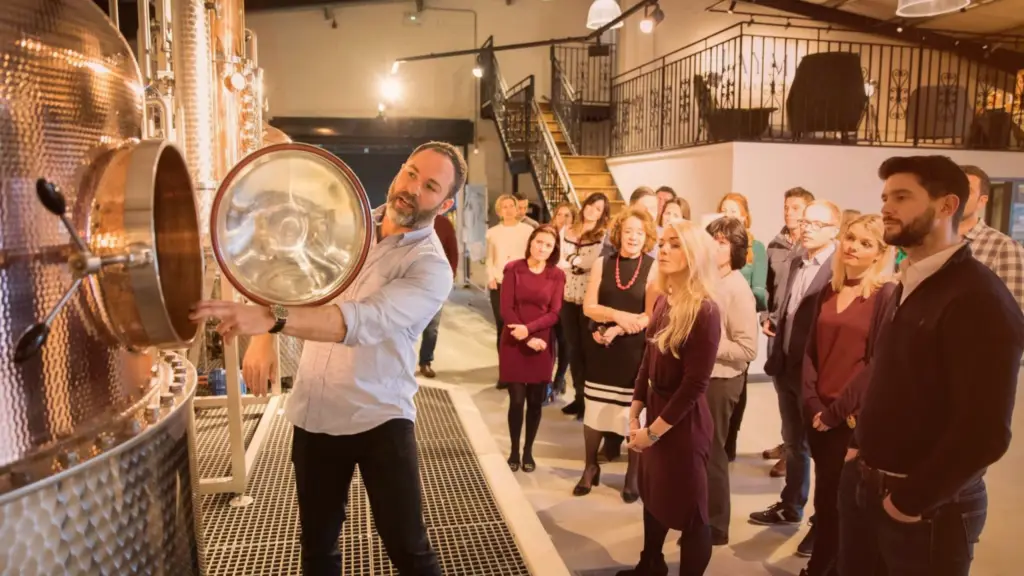
A visitor standing beneath the curved timber roof of The Macallan distillery in Speyside encounters a spectacle of transparency. Glass walls reveal stills. Interactive exhibits explain oak sourcing. The building itself, opened in 2018, was designed as an architectural statement of modern whisky confidence. Yet only portions of production are accessible. Beyond certain corridors, access […]
March 23, 2026
Community and Lifestyle
International Irish Whiskey Day 2026: Exploring Single Pot Still to Grain Whiskey
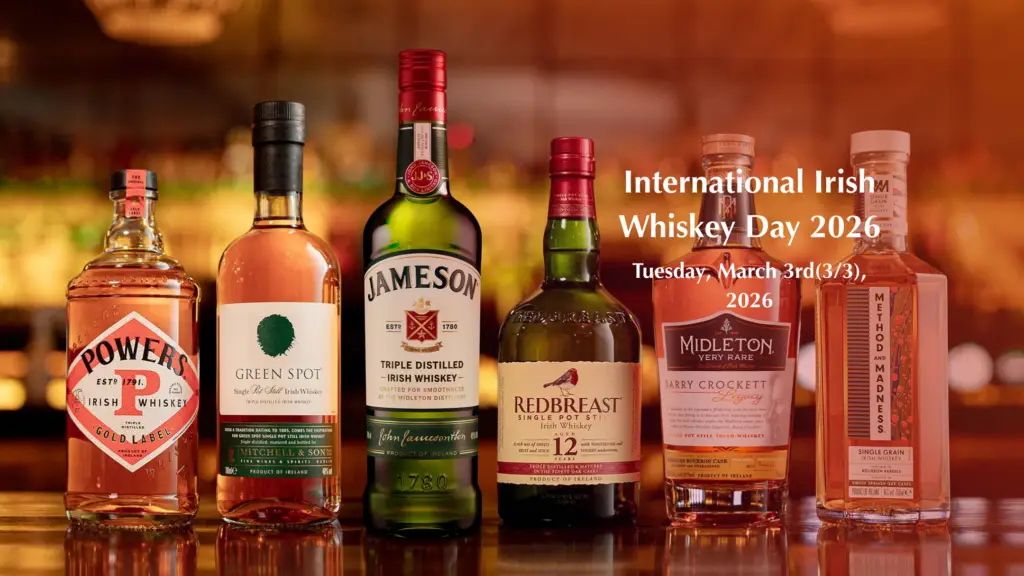
Irish whiskey has long balanced tradition with innovation, and International Irish Whiskey Day, observed annually on March 3(3/3), celebrates that heritage. The date, often associated with Ireland’s historic use of triple distillation, provides an opportunity to examine the categories that define the nation’s spirit. From the robust, spice-laden depth of Single Pot Still expressions to […]
March 1, 2026
History
Oktoberfest: Where Beer, History, and Bavarian Tradition Meet
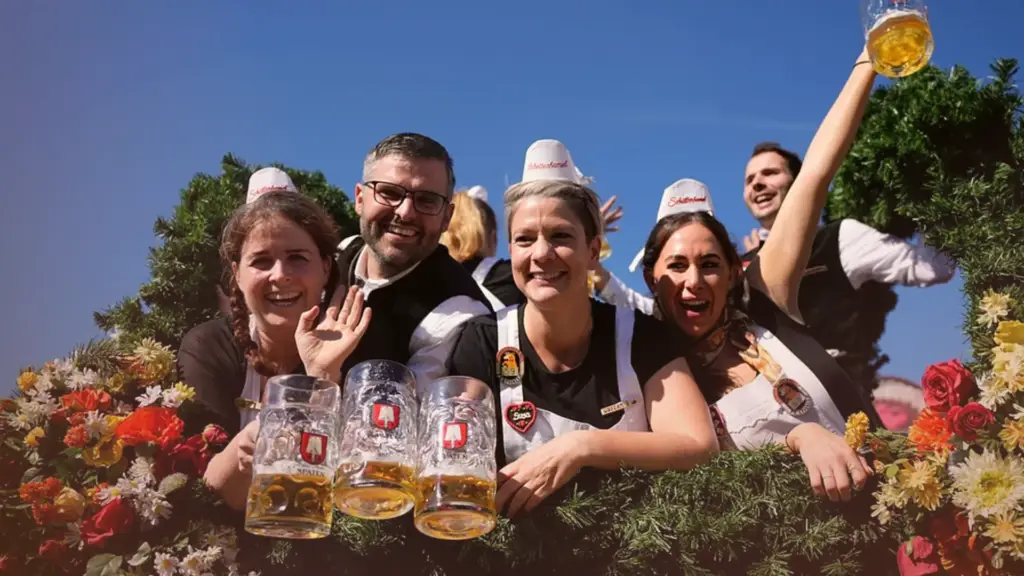
Every autumn, the city of Munich undergoes a remarkable transformation. The streets become filled with traditional music, the aroma of Bavarian cuisine spreads through the city, and millions of visitors gather at Theresienwiese for a celebration unlike any other. Known around the world as Oktoberfest, this festival represents much more than beer. It is a […]
September 25, 2026