Spirits’ history is often framed as a lineage of male founders and master distillers. This narrative obscures a more accurate reality. Across categories and centuries, women shaped spirits through ownership, legal stewardship, technical decision-making, and long-term preservation of production systems. Their influence was rarely performative. It was structural.
In moments of instability, women often became custodians of continuity. They preserved distilleries during political upheaval, formalised production standards during periods of transition, and defined category identity when markets encouraged dilution.
Madame Clicquot and Process as Authority
Born in 1777, Madame Clicquot, known formally as Barbe Nicole Ponsardin, assumed control of Veuve Clicquot in 1805. At the time, Champagne production lacked consistency, and cloudy bottles limited export potential.
Her development of riddling tables transformed Champagne into a repeatable, export-ready product. This intervention was not aesthetic. It was structural. It enabled scale without sacrificing clarity and set a precedent for process-driven refinement that later influenced spirits production philosophy.
Elizabeth Cumming and Legal Transition in Scotch Whisky
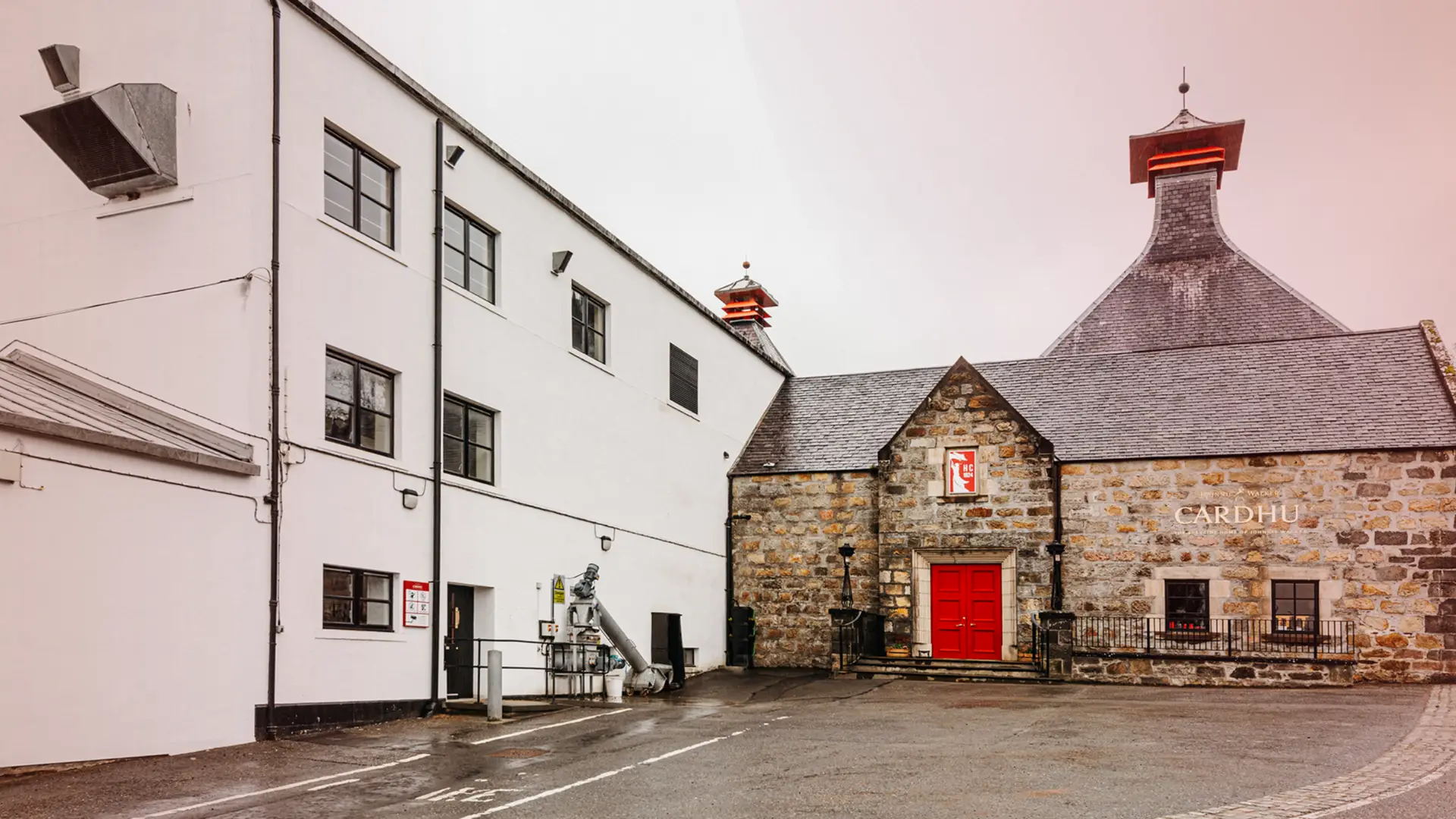
In 1811, Elizabeth Cumming founded Cardhu Distillery in Speyside. Operating initially under illicit conditions, she navigated the transition to legal distillation following the Excise Act of 1823.
Her decisions ensured Cardhu’s survival and legitimacy. The distillery became a foundational malt for blending houses, and spirits such as Cardhu 12 Year Old later played a stabilising role in Scotch whisky structure. Cumming’s contribution lay in continuity through regulatory change.
Bessie Williamson and the Preservation of Islay Identity
The identity of Laphroaig Distillery owes much to Bessie Williamson, who joined the distillery in 1934 and eventually became its owner.
At a time when Islay distilleries faced closure or homogenisation, Williamson protected Laphroaig’s peat-driven character. Spirits such as Laphroaig 10 Year Old reflect a production style preserved rather than reinvented. Her stewardship ensured that institutional memory survived consolidation pressure.
Joy Spence and the Codification of Rum Blending
In 1997, Joy Spence became the first woman appointed master blender at Appleton Estate.
Her role formalised blending as a documented discipline rather than an inherited intuition. Under her direction, Appleton Estate reinforced age statements and transparency. Spirits such as Appleton Estate 12 Year Old Rare Casks reflect a structured approach to maturation and blending that strengthened Jamaican rum’s global credibility.
Marjorie Samuels and the Softening of Bourbon Structure
In the United States, Marjorie Samuels played a decisive role in shaping Maker’s Mark. While her husband developed the mash bill, Samuels influenced both flavour direction and presentation.
Her insistence on a softer, wheat-based bourbon reshaped perceptions of American whiskey. Spirits such as Maker’s Mark demonstrated that bourbon could be approachable without sacrificing structure. Her decisions influenced the expansion of bourbon beyond regional consumption.
Ann Smith and Process Control in Modern Bourbon
At Buffalo Trace Distillery, Ann Smith contributed to modernising production discipline during the late 20th century.
Her work focused on fermentation monitoring, yeast management, and warehouse strategy. These systems underpin spirits such as Buffalo Trace Bourbon and Eagle Rare. Smith’s contribution reflects how technical oversight reshaped American whiskey from volume-driven production to process-controlled consistency.
Pierrette Trichet and Authority in Cognac
In 2003, Pierrette Trichet became the first woman appointed cellar master at Rémy Martin.
Her tenure reinforced eaux de vie selection discipline and long-term ageing strategy. Cognacs such as Rémy Martin Louis XIII continued under her stewardship without stylistic disruption. Trichet’s role demonstrated that authority in Cognac rested on continuity rather than reinvention.
Barlist approaches spirits history by tracing decision-making rather than reputation. By documenting how figures such as Madame Clicquot, Elizabeth Cumming, Bessie Williamson, and Joy Spence shaped production systems and protected category identity, Barlist reframes influence as structural rather than symbolic.
This perspective reveals that women did not enter the spirit world late. They sustained it during its most fragile moments.

Distillery
Cardhu Distillery, nestled in the stunning Speyside region of Scotland, is celebrated for producing high-quality single malt Scotch…
Distillery
Appleton Estate, crafted in the heart of Jamaica, represents the pinnacle of authentic Jamaican rum production. Renowned for…
Distillery
Buffalo Trace Distillery, located in Frankfort, Kentucky, is a venerable institution that has been committed to the art…
Distillery
Maker's Mark Distillery, Inc. is a revered bourbon distillery located in Loretto, Kentucky, that epitomizes the art of…
Distillery
Laphroaig Distillery, nestled on the rugged south coast of Islay, Scotland, is synonymous with rich and complex single…
Distillery
Rémy Martin is a prestigious French distillery renowned for its exceptional production of cognac, with a rich heritage…
Spirit
Louis XIII De Rémy Martin Grande Champagne Cognac
Rémy Martin Louis XIII Cognac represents the pinnacle of cognac craftsmanship, a blend of over 1,200 eaux-de-vie, each…
Spirit
Appleton Estate 12 YO Rare Casks Rum
Appleton Estate 12 Year Old Rare Casks Rum represents a pinnacle of Jamaican rum craftsmanship, carefully crafted to…
Spirit
Buffalo Trace Distillery Bourbon Cream Liqueur
Buffalo Trace Distillery Bourbon Cream Liqueur is a masterfully crafted spirit that melds the rich heritage of traditional…
Discovery and Education
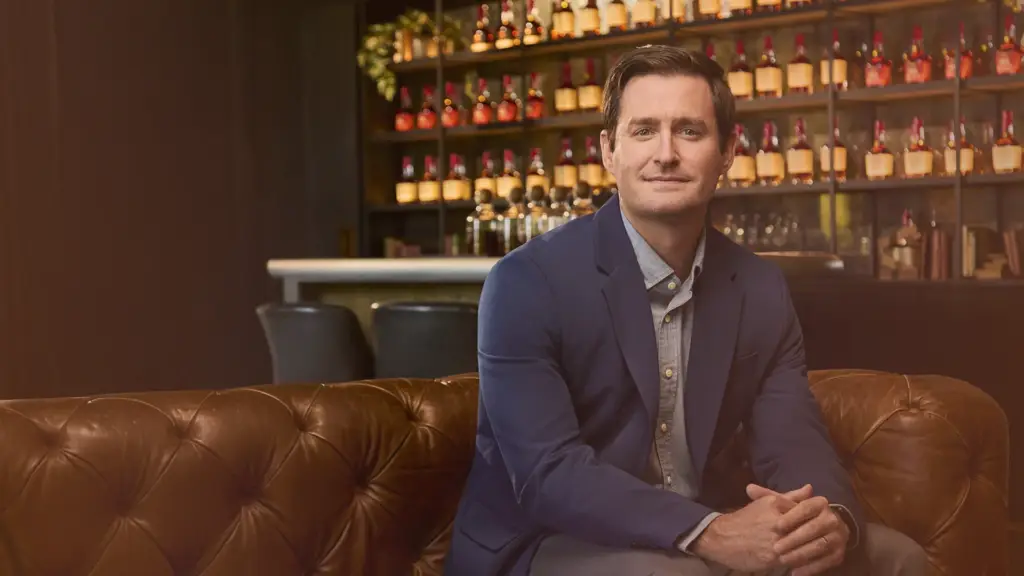
Tradition Meets Innovation: J. Blake Layfield and Maker’s Mark’s New Generation
When J. Blake Layfield, Ph.D. became the ninth Master Distiller at Maker’s Mark in 2024, he inherited one of Kentucky bourbon’s most recognisable production philosophies. The responsibility was larger than maintaining a familiar recipe. Maker’s Mark had spent more than seven decades building an identity around a particular approach to bourbon, from its use of […]
August 12, 2026
History
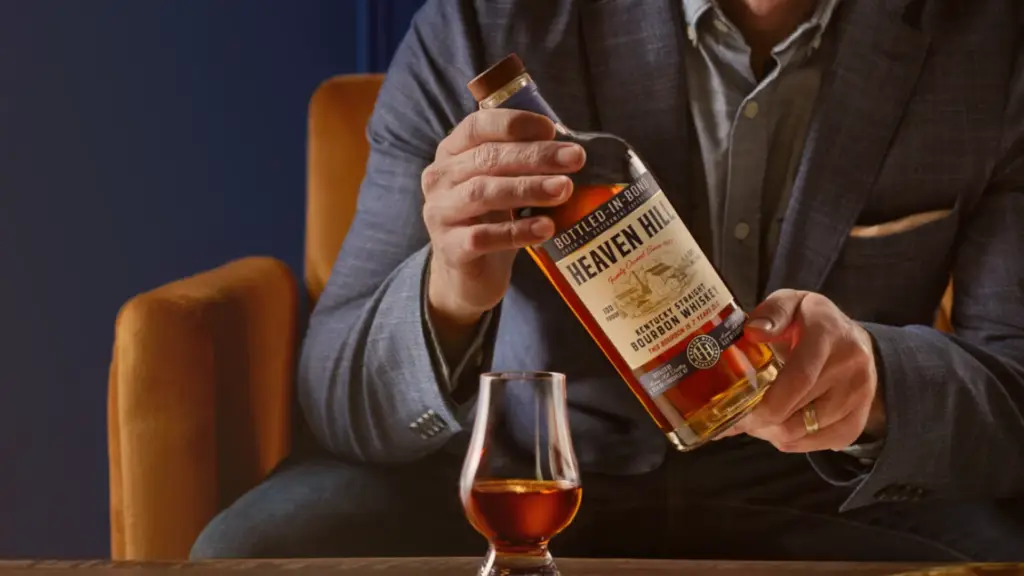
Bottled in Bond: How Fraud and Adulteration Created an American Whiskey Standard
Bottled in Bond for whiskey history begins with a problem that was larger than whiskey itself. In the late 19th century, the American spirits market was difficult for ordinary consumers to trust. Bottles could carry respectable names while holding liquid that had been stretched, coloured, flavoured, blended beyond recognition, or presented as aged whiskey when […]
July 8, 2026
History
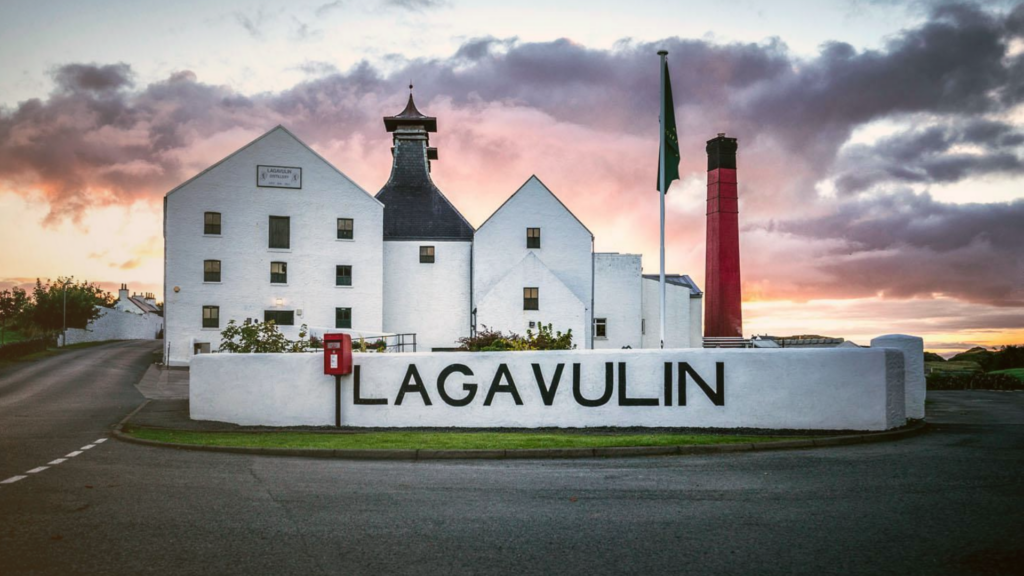
Lagavulin Distillery and the Discipline of Slow Distillation on Islay
On the southern coast of Islay, Lagavulin Distillery stands beside a sheltered bay between Laphroaig and Ardbeg. Its white buildings, dark kiln roofs, and long waterfront warehouses belong to one of Scotland’s most recognisable whisky landscapes. Still, the character associated with the distillery was not created by scenery alone. Peat is the most obvious part […]
June 28, 2026