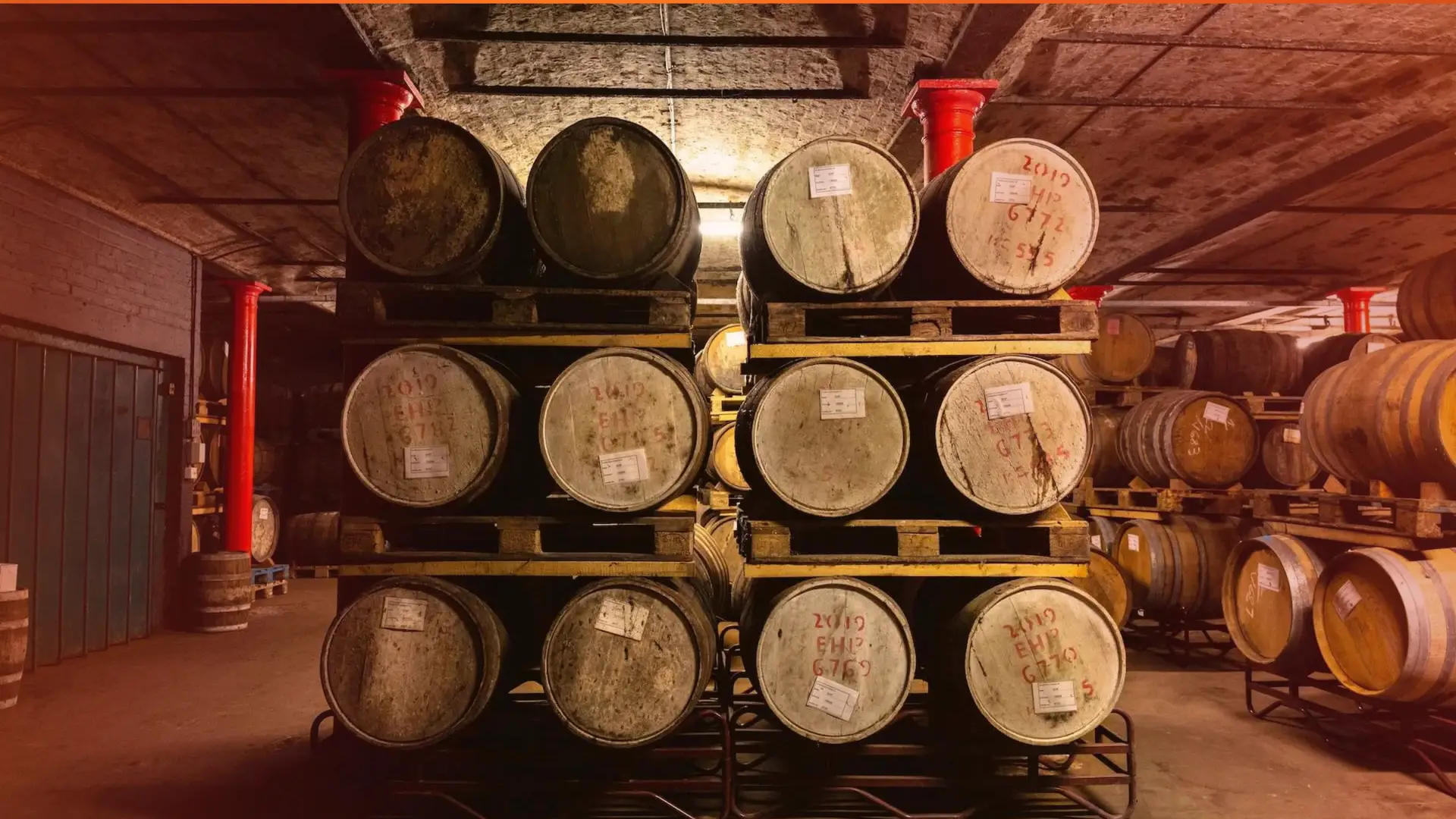
In the Caribbean, maturation is not a quiet affair. Barrels expand beneath midday heat, contract in the relative cool of night, and breathe salt-tinged air drawn in from surrounding coastlines. For a master blender in Barbados or Jamaica, temperature fluctuation in tropical aging is not an incidental condition but a structural force. It shapes extraction, accelerates evaporation, and transforms raw distillate into dense, aromatic rum at a pace rarely seen in continental warehouses. To understand temperature fluctuation in tropical aging is to recognize climate as an active collaborator in Caribbean rum production.
Across the region, from the limestone-filtered water sources of Barbados to the lush Nassau Valley of Jamaica, rum producers have built reputations on this climatic intensity. The rhythm of heat and humidity defines both the challenges and the distinction of tropical maturation.
The Science Behind Temperature Fluctuation in Tropical Aging
Caribbean warehouses often experience daytime temperatures exceeding 30 degrees Celsius, with noticeable drops after sunset. This daily expansion and contraction drives spirit deep into oak staves and back again. Richard Seale of Foursquare Distillery in Barbados, established on a former sugar factory site in 1996, though rum production on the island dates to at least 1703 at Mount Gay, has publicly emphasized that tropical maturation cannot be equated with accelerated aging. Instead, temperature fluctuation in tropical aging intensifies the interaction between rum and barrel, increasing the extraction of vanillin, caramelized hemicellulose, and tannic compounds.
Most Caribbean producers age rum in ex-bourbon American oak barrels sourced from Kentucky. Under consistent heat cycles, lignin breakdown occurs more rapidly. The result is a darker color, richer mouthfeel, and pronounced notes of toasted coconut, caramel, and baking spice within fewer years. An eight-year rum matured entirely in Barbados may exhibit oak integration comparable to a significantly older spirit aged in Scotland’s cooler climate.
The Angel’s Share in the Tropics
Evaporation, commonly known as the angel’s share, illustrates the dramatic impact of temperature fluctuation in tropical aging. In Scotland, annual loss averages around two percent. In Jamaica and Barbados, that figure can range between six and eight percent per year. The concentration effect reshapes structure, intensifying both alcohol strength and flavor density.
At Appleton Estate in Jamaica, founded in 1749 within the Nassau Valley, Master Blender Joy Spence has often discussed the vigilance required to manage tropical evaporation. Appointed in 1997, Spence became the first woman master blender in the spirits industry. She has explained that temperature fluctuation in tropical aging demands constant monitoring to prevent over extraction. High ester Jamaican rum, already rich in volatile aromatic compounds, can become overwhelmingly concentrated if barrel management is neglected.
Yet this concentration also contributes to signature depth. Appleton Estate 21 Year Old, for example, develops remarkable dried fruit and molasses complexity partly because of sustained tropical heat cycles.
Historical Roots of Tropical Maturation
Rum production in the Caribbean traces back to the seventeenth century, emerging from sugarcane byproducts as plantation economies expanded. By the early eighteenth century, Barbados and Jamaica had become central rum exporters to Britain and North America. Maturation initially occurred in transport casks during transatlantic voyages, inadvertently exposing rum to fluctuating temperatures at sea. This early experience demonstrated how temperature fluctuation in tropical aging altered character, deepening color and integrating flavors.
Mount Gay, officially established in 1703 in Barbados, remains one of the oldest continuously operating rum distilleries. Its tropical warehouses reflect centuries of adaptation to climate-driven maturation. Similarly, Hampden Estate in Jamaica, operational since 1753, produces high ester rum that gains amplified aromatic intensity through island aging.
Structural Balance and Blending Decisions
For a Caribbean rum expert, managing temperature fluctuation in tropical aging is ultimately about balance. Rapid extraction must be offset by careful barrel rotation and blending. Some producers, including Foursquare, have gained international recognition for releasing vintage-dated rums matured entirely in Barbados, allowing the tropical climate to define authenticity. Foursquare 2004 and 2007 vintages illustrate how disciplined blending preserves equilibrium despite intense heat exposure.
Other houses export rum to Europe for secondary maturation. Continental aging slows extraction, offering a contrast to the density created by tropical conditions. The expert perspective remains consistent, however. Authentic Caribbean identity is rooted in climate-shape aging. temperature fluctuation in tropical aging builds structural weight that cannot be replicated elsewhere.
Climate Change and the Future of Tropical Aging
Rising global temperatures present new considerations. Longer heat waves increase evaporation rates and accelerate oak interaction beyond historical norms. Caribbean producers now integrate data logging and humidity monitoring into warehouse management, supplementing traditional sensory evaluation. Even so, the decisive factor remains the trained palate of the master blender.
Joy Spence has noted that blending must anticipate environmental shifts. The role requires forecasting how today’s barrel will taste decades into the future. temperature fluctuation in tropical aging, therefore, becomes both a challenge and signature, requiring disciplined oversight to maintain stylistic benchmarks.
Understanding temperature fluctuation in tropical aging reframes Caribbean rum as a spirit inseparable from place. Heat is not merely an environmental context. It is an active agent shaping texture, concentration, and aromatic depth. From Mount Gay in Barbados to Appleton Estate and Hampden Estate in Jamaica, tropical maturation defines regional character.
Barlist exists to illuminate these forces behind the glass. Through Interviews and Insights, the platform connects enthusiasts to the producers who navigate climate, wood, and time with precision. In the Caribbean, aging is not passive waiting. It is an intentional dialogue between barrel and environment, guided by expertise and sustained by generations of craft.

Distillery
Foursquare Rum Distillery, nestled in the lush southern countryside of Saint Philip, Barbados, is a bastion of rum…
Distillery
Appleton Estate, crafted in the heart of Jamaica, represents the pinnacle of authentic Jamaican rum production. Renowned for…
Distillery
Hampden Distillery, founded in 1753 in the heart of Jamaica's Trelawny Parish, stands as a testament to centuries…
Distillery
Mount Gay Distillery, renowned as the oldest running rum distillery in the world, has been the cornerstone of…
Spirit
Foursquare 2007 Hemp Sparrow 12 YO Rum
Foursquare 2007 Hemp Sparrow 12 YO Rum is a testament to the craft of one of the most…
Spirit
Appleton Estate 21 YO Jamaica Rum
Appleton Estate 21 Year Old Jamaica Rum is a premium expression known for its rich, complex flavor profile…
Partnership
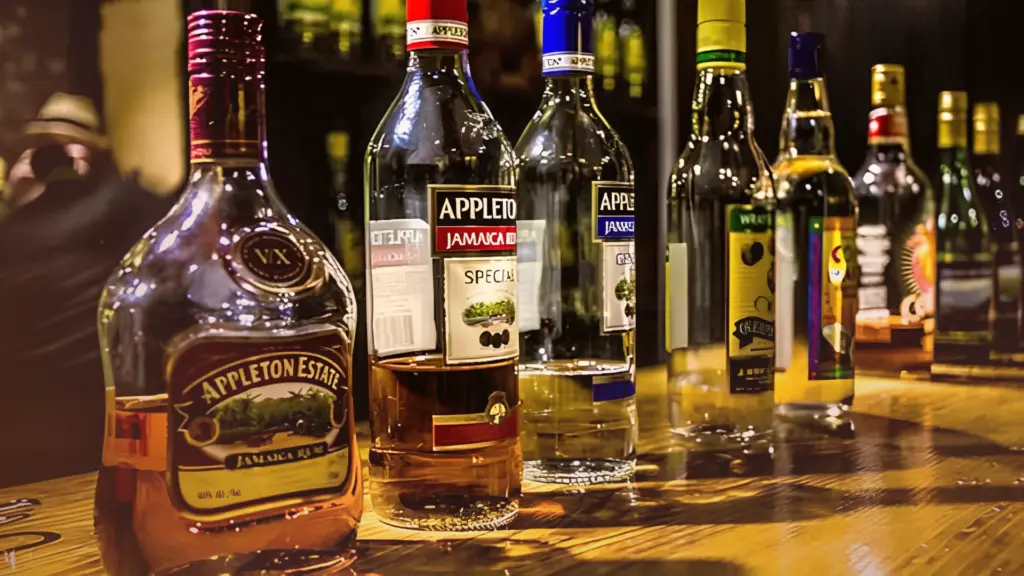
Jamaica Rum and the Sugar Estate Landscape Behind a Protected GI
Jamaica’s Rum story begins with sugar estates, limestone water, heavy fermentations, coastal trade, and a landscape where cane became both wealth and memory. The island’s reputation was not made by one house or one parish. It grew across estates, distilleries, ports, and rural communities where sugar production and rum making became inseparable from the country’s […]
September 13, 2026
Distilleries
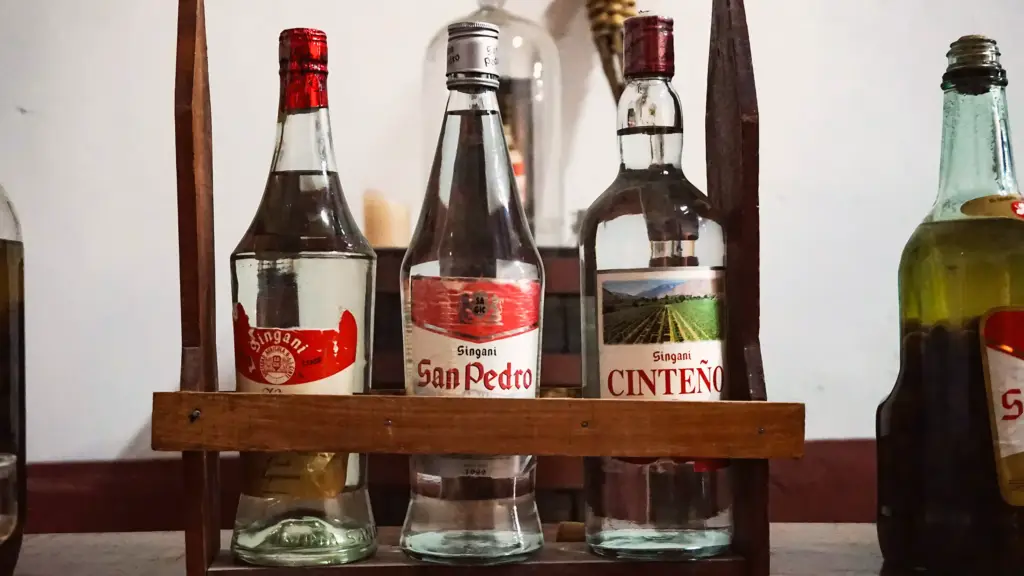
Singani: Bolivia’s High-Altitude Spirit and a Forgotten Andean Heritage
The vineyards of Tarija do not resemble traditional brandy landscapes. They rise sharply into the Andes, where sunlight is direct, air pressure is reduced, and diurnal temperature shifts slow the ripening cycle. At elevations between 1,600 and 2,200 meters, grapes develop differently. Sugar accumulates without losing acidity, and aromatics intensify rather than flatten. From this […]
April 19, 2026
Distilleries & Producers
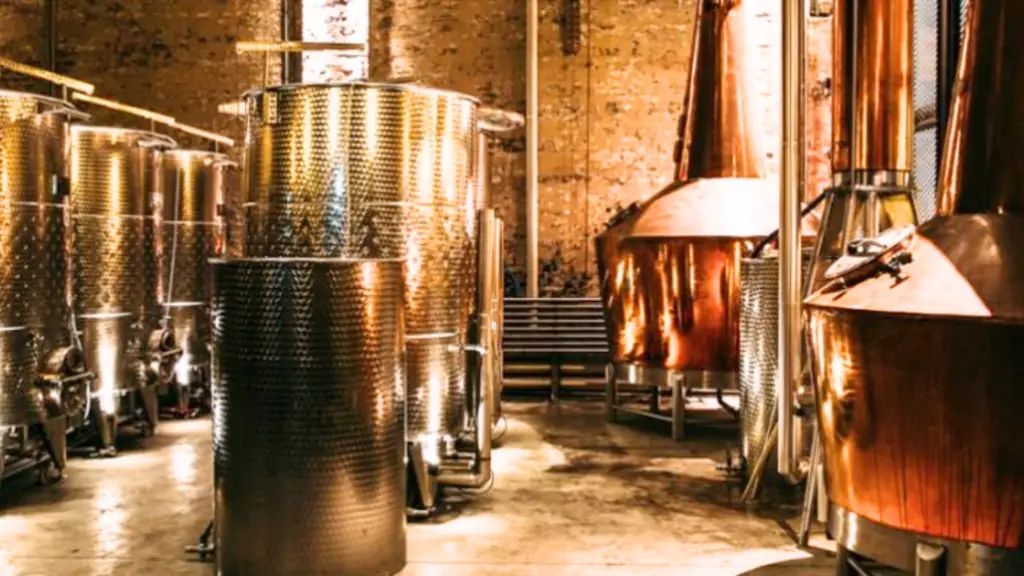
Dunder Pit Fermentation at Hampden Estate and the Formation of High Ester Marques
Behind the fermenters at Hampden Estate, the ground holds part of the distillery’s production logic. Open dunder pits sit exposed to heat and time, filled with the residue of previous distillations. This material is not discarded. It is allowed to decompose, acidify, and evolve before being reintroduced into new fermentations. In most modern distilleries, each […]
April 10, 2026