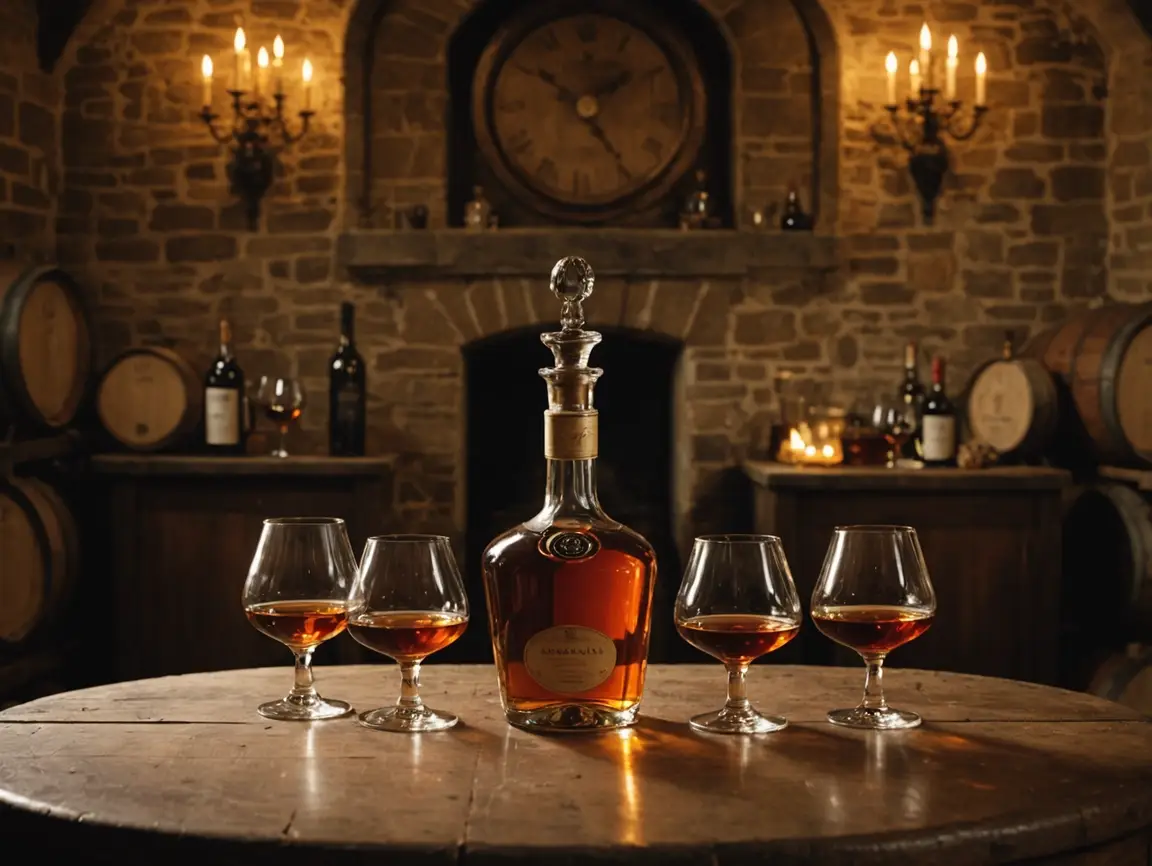
France did not create just one great aged spirit. It created three. Armagnac, Cognac, and Calvados emerge from different soils, different raw materials, and different philosophies of maturation, yet all are bound by an unwavering respect for time. In each region, oak is not merely a storage. It is a collaborator. What differs is the intention behind the wait.
Armagnac Cognac and Calvados
Armagnac and the Depth of Gascony
In Gascony, Armagnac has been distilled since at least the early fifteenth century, making it France’s oldest brandy tradition. Houses such as Château de Laubade and Delord Armagnac continue to use continuous column stills that produce a spirit distilled once, retaining weight and texture.
Unlike the polished precision associated with Cognac, Armagnac embraces structure and intensity. Grape varieties, including Ugni Blanc, Baco, and Folle Blanche, form a spirit that enters oak with force. Time does not soften it immediately. It deepens it. Prune, dark spice, leather, and rancio develop gradually, as if the years are compressing flavor inward rather than refining it outward.
Cognac and the Art of Refinement
Further north in Cognac, Cognac follows a stricter path. Double distilled in copper pot stills, then aged in French oak, the spirit is shaped as much by blending as by maturation. Historic houses such as Hennessy, founded in 1765, and Rémy Martin, established in 1724, built global reputations on consistency and elegance.
Here, time is refinement. Harsh edges are polished away. Floral notes lift. Texture becomes silk rather than weight. Master blenders curate decades of eaux-de-vie to achieve balance, turning patience into precision.
Calvados and the Orchard Transformed
In Normandy, Calvados begins not with grapes, but apples. Producers such as Christian Drouin ferment cider before distillation and oak aging. Over time, orchard brightness yields to baked fruit, toasted almond, and subtle spice.
Calvados does not intensify like Armagnac or refine like Cognac. It transforms. Apple becomes memory. Freshness becomes depth.
At Barlist, these three spirits reveal a single truth. Patience is not uniform. Armagnac asks for time to intensify. Cognac asks time to refine. Calvados asks for time to transform. The barrel remains the same. The philosophy does not. Discover the spirits shaped by time.

Distillery
Hennessy Cognac is renowned as the world's leading producer of cognac, representing a harmonious blend of tradition and…
Distillery
Château de Laubade is recognized as one of the premier distilleries producing Armagnac, situated in the heart of…
Distillery
Armagnac Delord is a storied distillery located in Lannepax, in the heart of the Bas-Armagnac region of France,…
Distillery
Nestled in the idyllic heart of Normandy, the Christian Drouin Distillery is renowned for its exceptional craftsmanship and…
Distillery
Rémy Martin is a prestigious French distillery renowned for its exceptional production of cognac, with a rich heritage…
Partnership
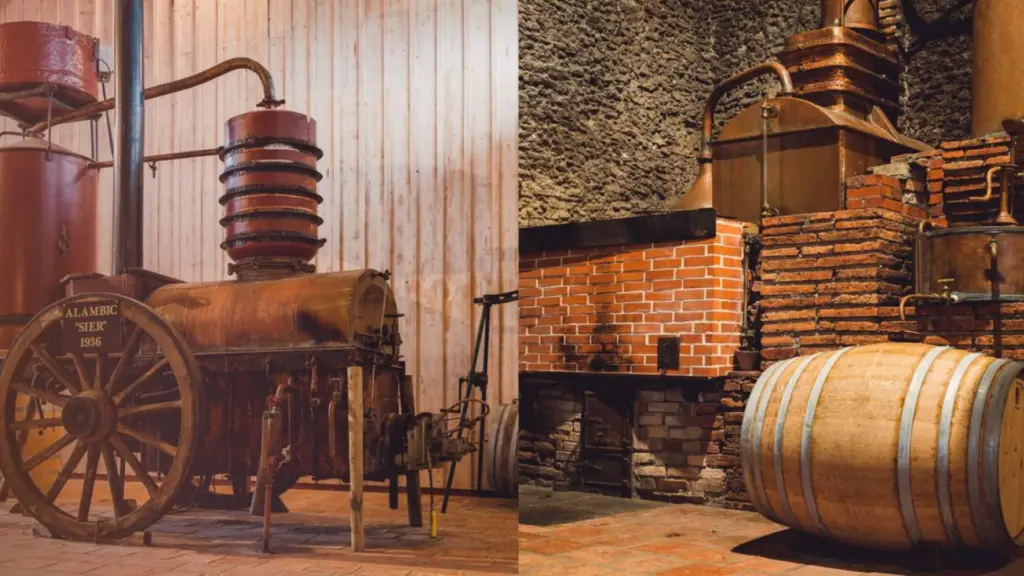
Armagnac: The Oldest French Brandy Defined by Region and Continuous Distillation
In Gascony, wine and distillation developed together long before Armagnac became a protected name. The region was rural, mixed, and agricultural, shaped by vines, forests, cereals, livestock, local markets, and routes that connected inland producers with wider trade. Distilling wine gave this landscape a durable product that could travel, age, and carry value beyond the […]
August 9, 2026
Trending
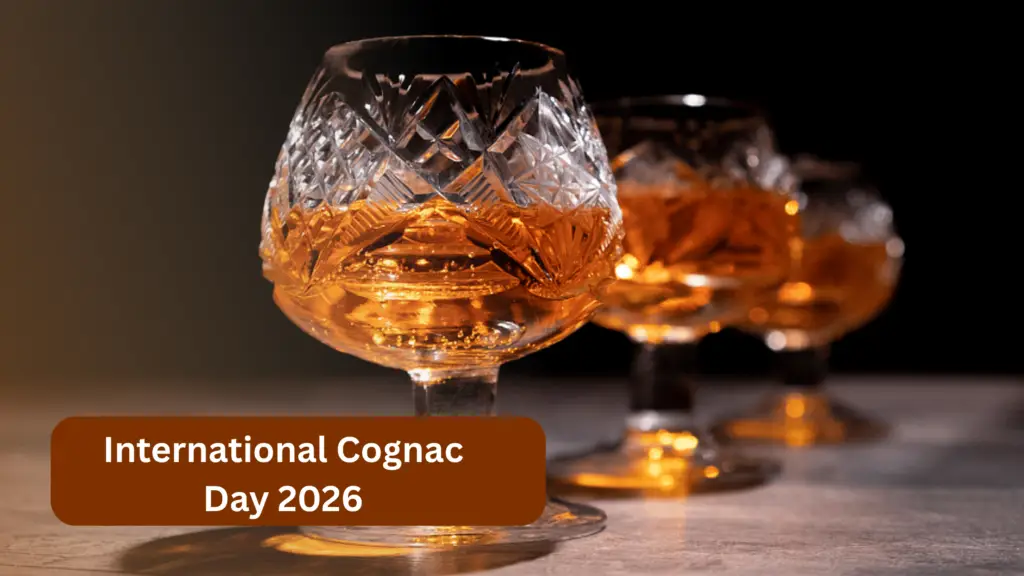
International Cognac Day: History, Appellation, and the Spirit of Charente
International Cognac Day is observed each year on June 4, but the spirit it recognizes belongs to a much longer calendar. Cognac is shaped by harvests, distillation seasons, oak maturation, and a legal framework that has turned a regional wine distillate into one of France’s most carefully protected spirits. Its identity begins in the Charente, […]
June 4, 2026
Distilleries
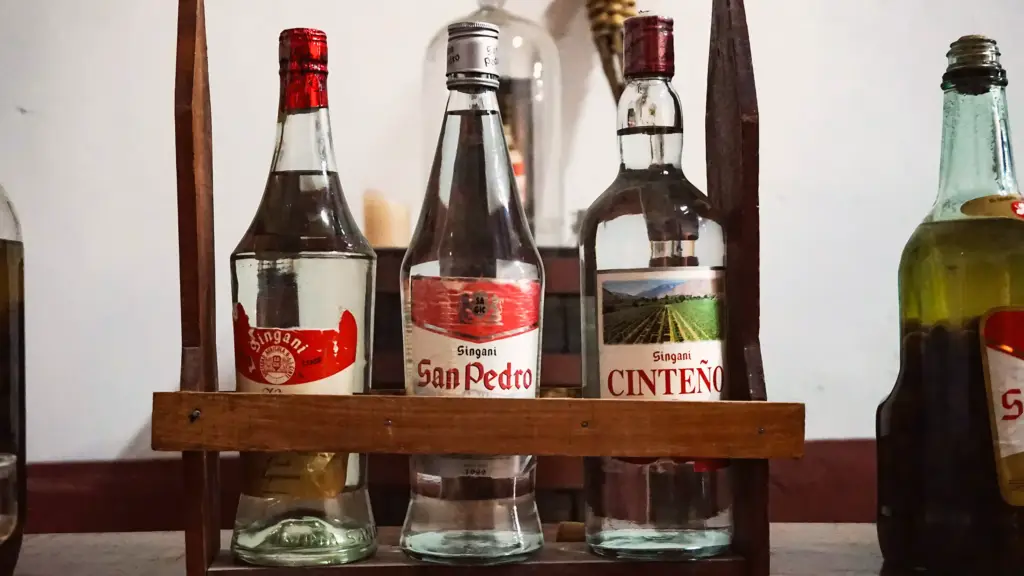
Singani: Bolivia’s High-Altitude Spirit and a Forgotten Andean Heritage
The vineyards of Tarija do not resemble traditional brandy landscapes. They rise sharply into the Andes, where sunlight is direct, air pressure is reduced, and diurnal temperature shifts slow the ripening cycle. At elevations between 1,600 and 2,200 meters, grapes develop differently. Sugar accumulates without losing acidity, and aromatics intensify rather than flatten. From this […]
April 19, 2026