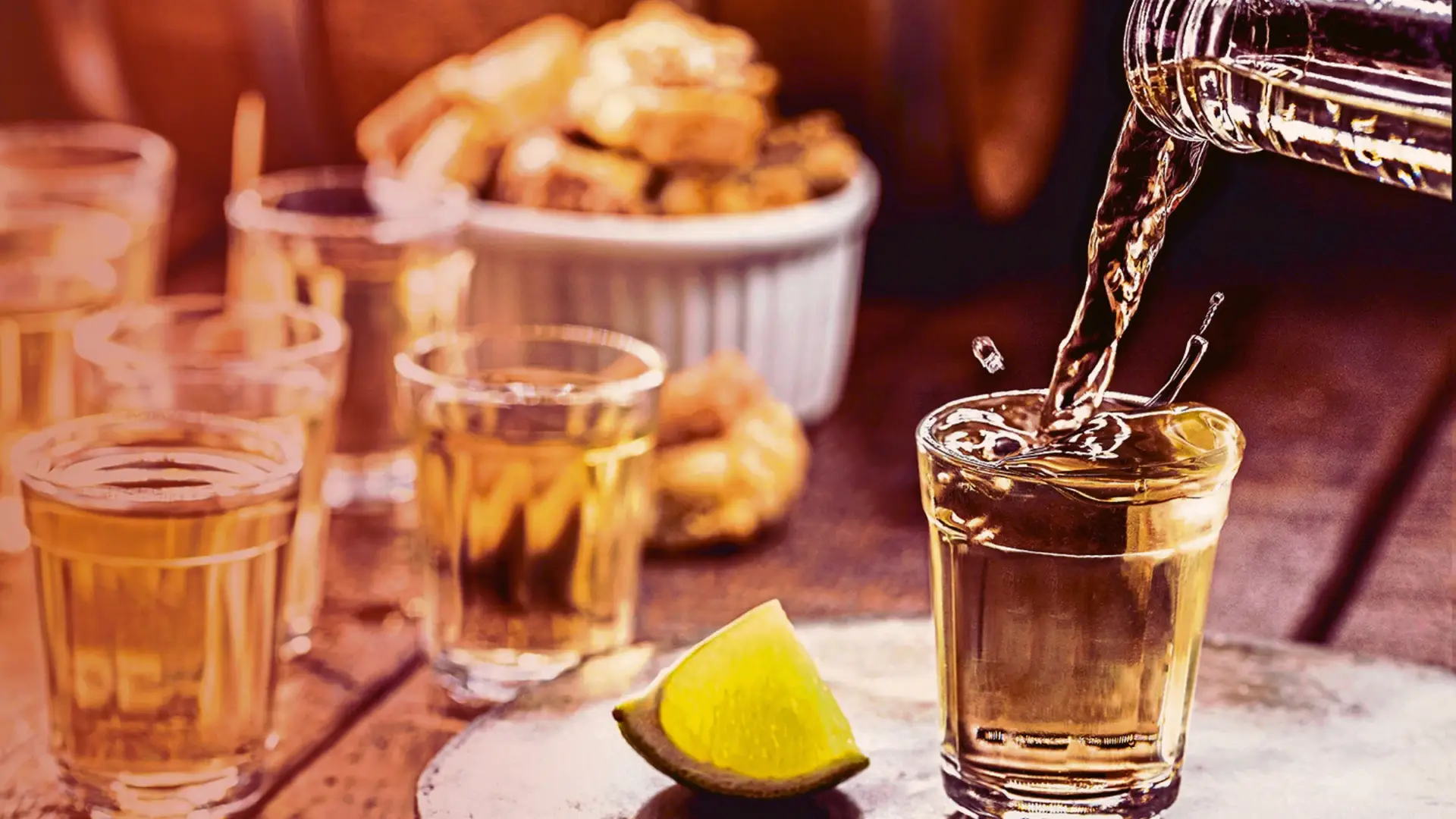
Long before it became the foundation of the Caipirinha, Cachaça was born under oppression. In sixteenth-century Brazil, enslaved Africans working on Portuguese sugar plantations observed something their captors overlooked. The foam skimmed from boiling sugarcane juice fermented naturally. Distilled quietly and shared in secrecy, it became one of the earliest forms of what we now know as Cachaça.
The Portuguese Crown quickly recognized its growing presence. Across two decades, Cachaça was banned three times, officially to protect imported wine and brandy, but the tension ran deeper. A locally made spirit, created and consumed outside imperial control, represented more than competition. It symbolized autonomy. What began as a byproduct of sugar production became a cultural assertion in liquid form.
From Colonial Resistance to the National Identity of Cachaça
Despite prohibition, Cachaça spread throughout Brazil. It was consumed in secret, passed among workers, and eventually associated with broader resistance movements, including the late-eighteenth-century independence conspiracy known as the Inconfidência Mineira. Though the revolt failed, the symbolism endured. Cachaça evolved from a marginalized drink into a marker of Brazilian identity.
Today, Cachaça is Brazil’s national spirit and the defining base of the Caipirinha. Distilleries across the country, from small artisanal producers to larger houses, continue traditions that date back centuries. What once threatened an empire now stands as cultural heritage.
At Barlist, stories like this remind us that spirits are never just recipes. They are shaped by power, labor, resistance, and time. Cachaça is more than sugarcane distilled. It is history carried forward in every pour.

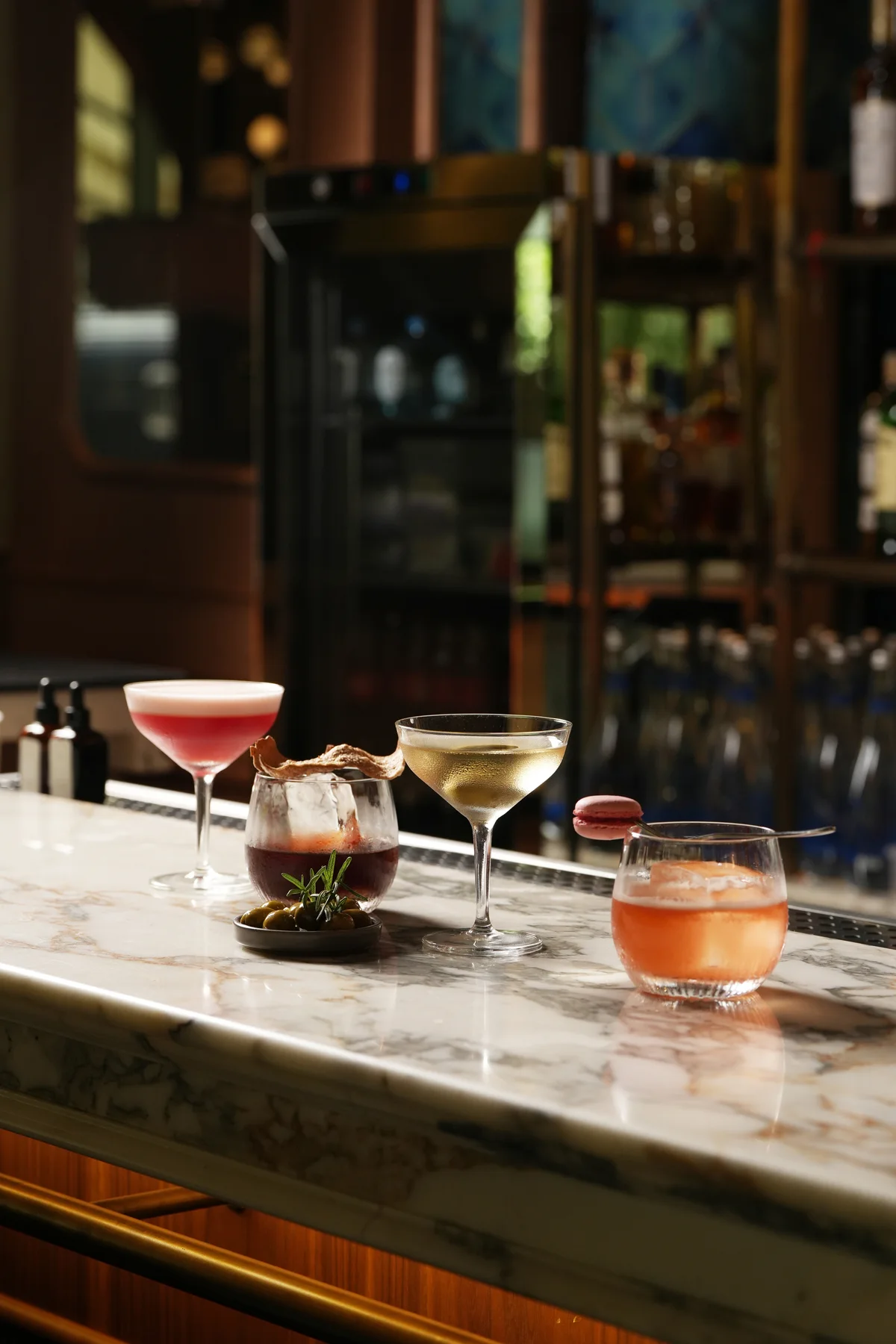
Distillery
Mount Gay Distillery, renowned as the oldest running rum distillery in the world, has been the cornerstone of…
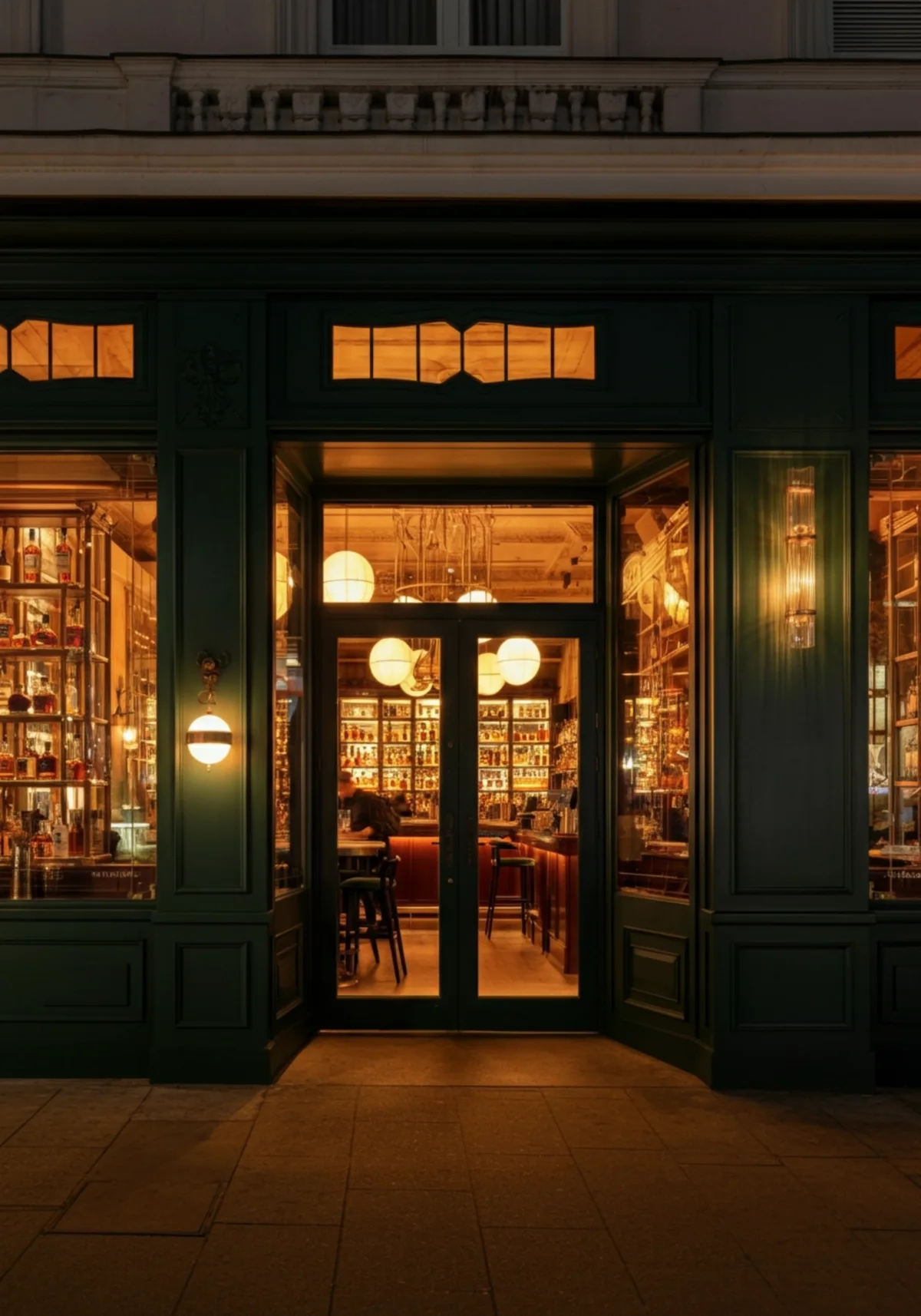
Distillery
Neisson is a distinguished distillery located in Martinique, celebrated for its commitment to producing high-quality Rhum Agricole. Founded…
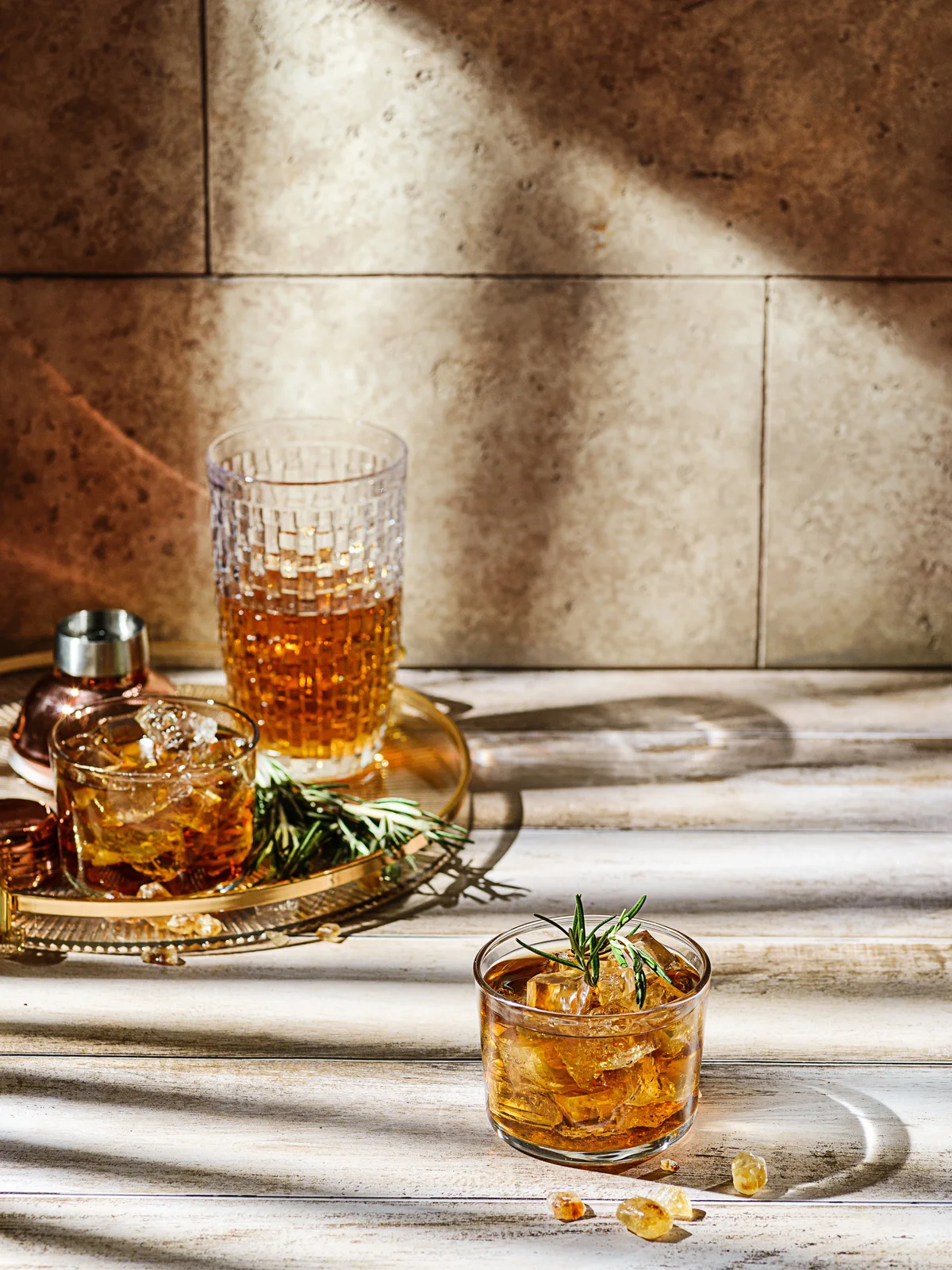
Spirit
Cachaça Companheira 8 YO Extra Premium
A Cachaça Companheira 8 YO Extra Premium é uma verdadeira ode à tradição cachaçeira brasileira, destacando-se por sua…
Discovery and Education
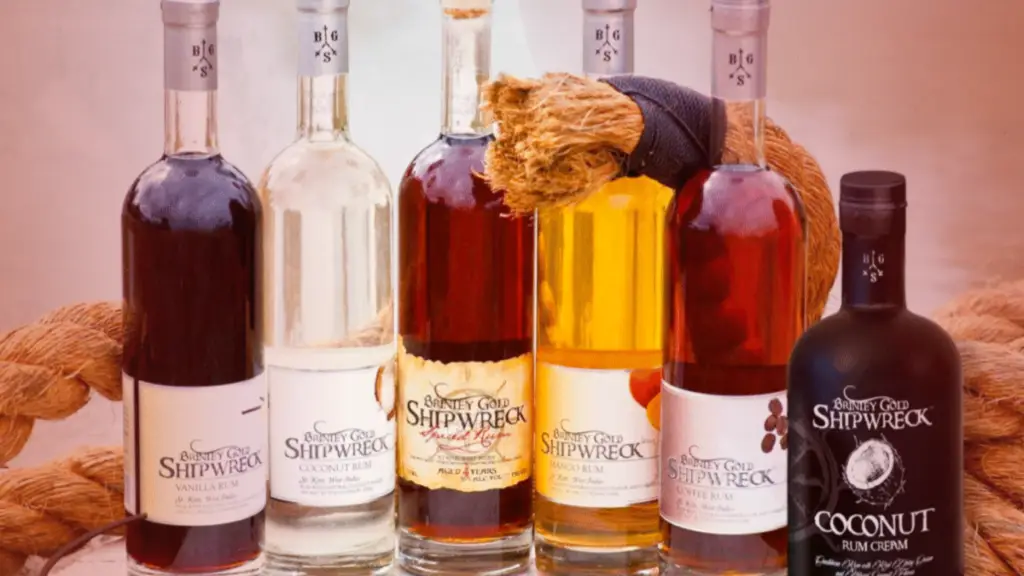
Shipwreck Rum: When the Ocean Became a Rum Cellar
For more than three centuries, rum moved across the Atlantic in wooden hulls bound for Europe and the Americas. Barrels left the Caribbean from islands such as Jamaica and Barbados, produced at estates like Mount Gay Distilleries, founded in 1703, and later at houses such as Appleton Estate, established in 1749. Many of those shipments […]
March 2, 2026
Interviews & Insights
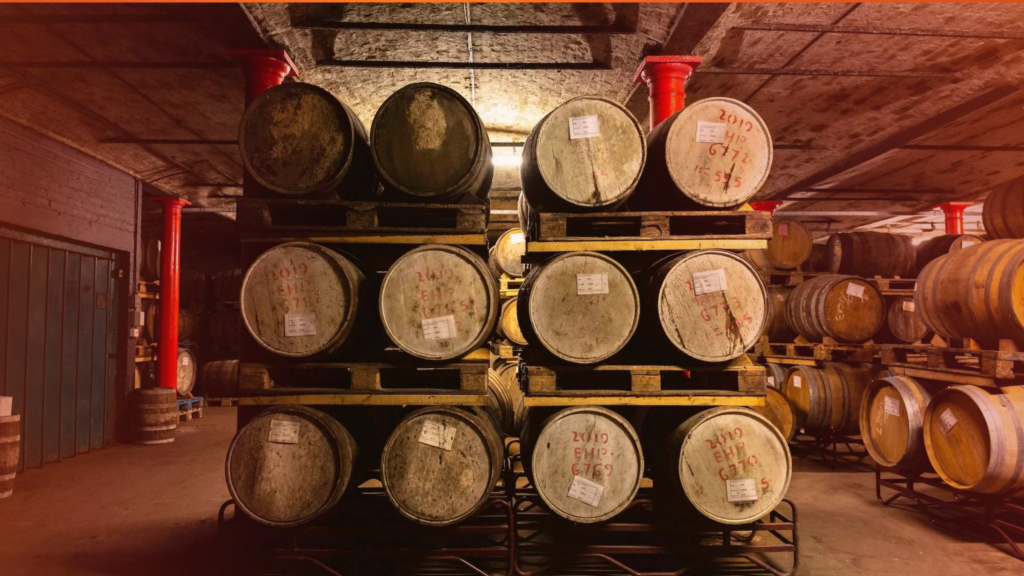
Temperature Fluctuation in Tropical Aging: A Caribbean Rum Expert Explains
In the Caribbean, maturation is not a quiet affair. Barrels expand beneath midday heat, contract in the relative cool of night, and breathe salt-tinged air drawn in from surrounding coastlines. For a master blender in Barbados or Jamaica, temperature fluctuation in tropical aging is not an incidental condition but a structural force. It shapes extraction, […]
February 25, 2026
Bars and Cocktails
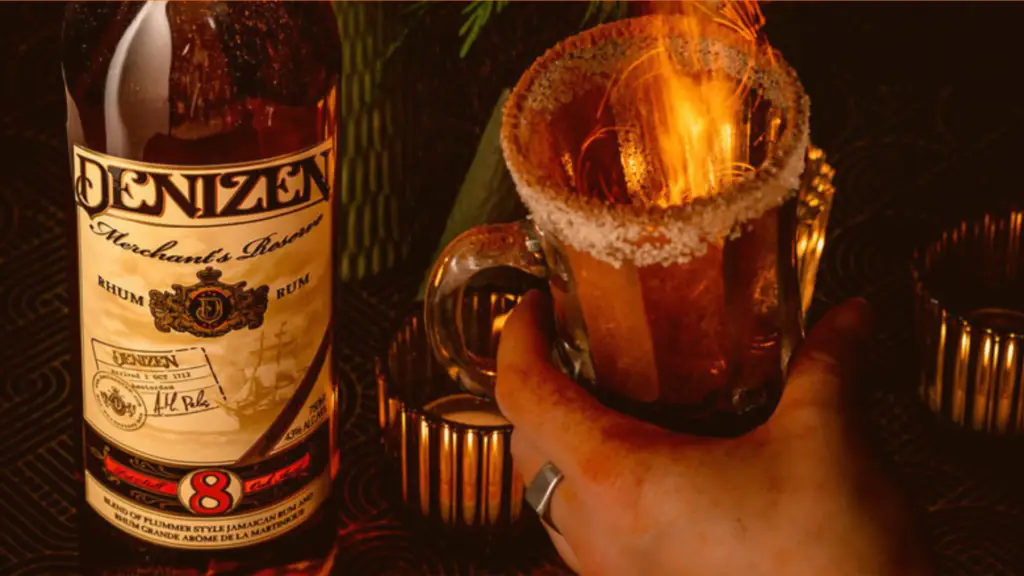
Best Rum for Eggnog and Why Structure Matters More Than Sweetness
Choosing the best rum for eggnog is not about intensity or novelty. Eggnog is a historical cocktail built on balance, richness, and restraint. Its origins stretch back centuries, and the rum that performs best within it must support texture and spice rather than dominate. Understanding why certain rums succeed in eggnog requires looking at the […]
January 28, 2026