
International Scotch Whisky Day is not a celebration of flavour alone. It is an opportunity to examine how Scotch whisky became one of the most tightly structured and legally protected spirits in the world. Unlike many global categories shaped primarily by brand expansion, Scotch developed through regulation, geography, and institutional discipline that defined what the spirit could be long before it became a global export.
The authority of Scotch whisky rests not on marketing narratives but on a framework built over centuries, binding distilleries, regions, production methods, and law into a coherent national system.
Geography, Distilleries, and Early Organization
Scotch whisky production emerged across Scotland during the late medieval and early modern periods, shaped by climate, water sources, and access to grain. By the 18th century, distilling activity was widespread, particularly in the Highlands, Lowlands, Islay, and the northeast regions later associated with Speyside.
Early distilleries such as Glenlivet Distillery, founded in 1824 by George Smith, illustrate how legalization and structure transformed illicit practice into a formal industry. Glenlivet’s early licensing following the Excise Act of 1823 marked a turning point, demonstrating that compliance could enable both quality control and commercial growth.
Other historic distilleries, including Bowmore Distillery, founded in 1779, and Auchentoshan Distillery, established in 1823, further anchored whisky production to place and method rather than improvisation.
The Legal Spine of Scotch Whisky
The defining feature of Scotch whisky is not style but structure. Over time, Scotland developed a layered legal framework that governs production, maturation, and naming. The modern foundation was consolidated with the Scotch Whisky Regulations of 2009, which legally define Scotch whisky across five categories and five regions.
Under these regulations, Scotch must be distilled and matured in Scotland for a minimum of three years in oak casks, using water, malted barley, and other cereals as permitted. Additives are tightly restricted, and maturation warehouses must remain within Scotland’s borders.
This framework ensures that Scotch remains inseparable from its place of origin. It also prevents the category from drifting into abstraction, a fate that has affected less regulated spirits.
Regions as Structural Identity
Scotch whisky’s regional system is not a marketing invention but a functional classification rooted in production reality. The five officially recognised regions are Highlands, Lowlands, Speyside, Islay, and Campbeltown.
Each region reflects historical access to fuel, water, and trade routes rather than flavour stereotypes alone. Islay’s maritime exposure shaped distilleries such as Lagavulin Distillery, founded in 1816, whose peated spirit reflects both environment and long fermentation practices. Speyside’s density of distilleries reflects agricultural concentration and transport efficiency rather than stylistic uniformity.
Campbeltown’s survival as a recognised region, maintained by distilleries including Springbank Distillery, founded in 1828, demonstrates how regional identity is preserved through continuity rather than scale.
Blending, Scale, and National Coherence
Scotch’s global success was enabled by blending, which provided consistency while absorbing regional variation. Firms such as Johnnie Walker, originating in the 19th century, relied on malt whiskies from multiple regions to create stable profiles for export markets.
This blending culture did not erase distillery identity. Instead, it reinforced the need for standardised production rules. Without legal clarity, blending at scale would have diluted Scotch’s definition. Instead, structure allowed diversity to exist within controlled boundaries.
Modern Challenges and Enduring Structure
By 2026, Scotch whisky will face pressures from overproduction, inventory saturation, and shifting consumption patterns. Yet its structural foundation remains intact. Distilleries continue to operate within a framework that prioritises provenance over flexibility.
Spirits such as Lagavulin 16 Year Old, The Glenlivet 12 Year Old, and Springbank 10 Year Old remain identifiable not because of branding innovation, but because they are anchored to regulated production systems.
Scotch whisky endures because it resists reinvention, where reinvention would weaken definition.
International Scotch Whisky Day 2026 Beyond Celebration
What makes International Scotch Whisky Day 2026 distinctive is not novelty or celebration, but timing. It arrives at a moment when Scotch whisky is being reassessed through structure rather than expansion. After years of rapid growth, inventory pressure, and shifting global consumption, 2026 places focus back on the framework that has allowed Scotch to endure while other categories struggle. Regulation, regional definition, long maturation cycles, and legally enforced production discipline have insulated Scotch from losing coherence, even under strain. International Scotch Whisky Day 2026, therefore, functions less as a festive marker and more as a moment of reflection on why Scotch remains a national spirit governed by continuity, restraint, and institutional memory rather than trend-driven reinvention.
Barlist documents Scotch whisky through its structural foundations, connecting distilleries, regions, and legal definitions rather than surface tasting notes. By mapping spirits back to their production frameworks and historical decisions, Barlist preserves clarity in a category where identity depends on discipline more than trend.
International Scotch Whisky Day is not a reminder of what Scotch tastes like. It is a reminder of why Scotch still exists as a coherent national spirit in a globalised market.


Distillery
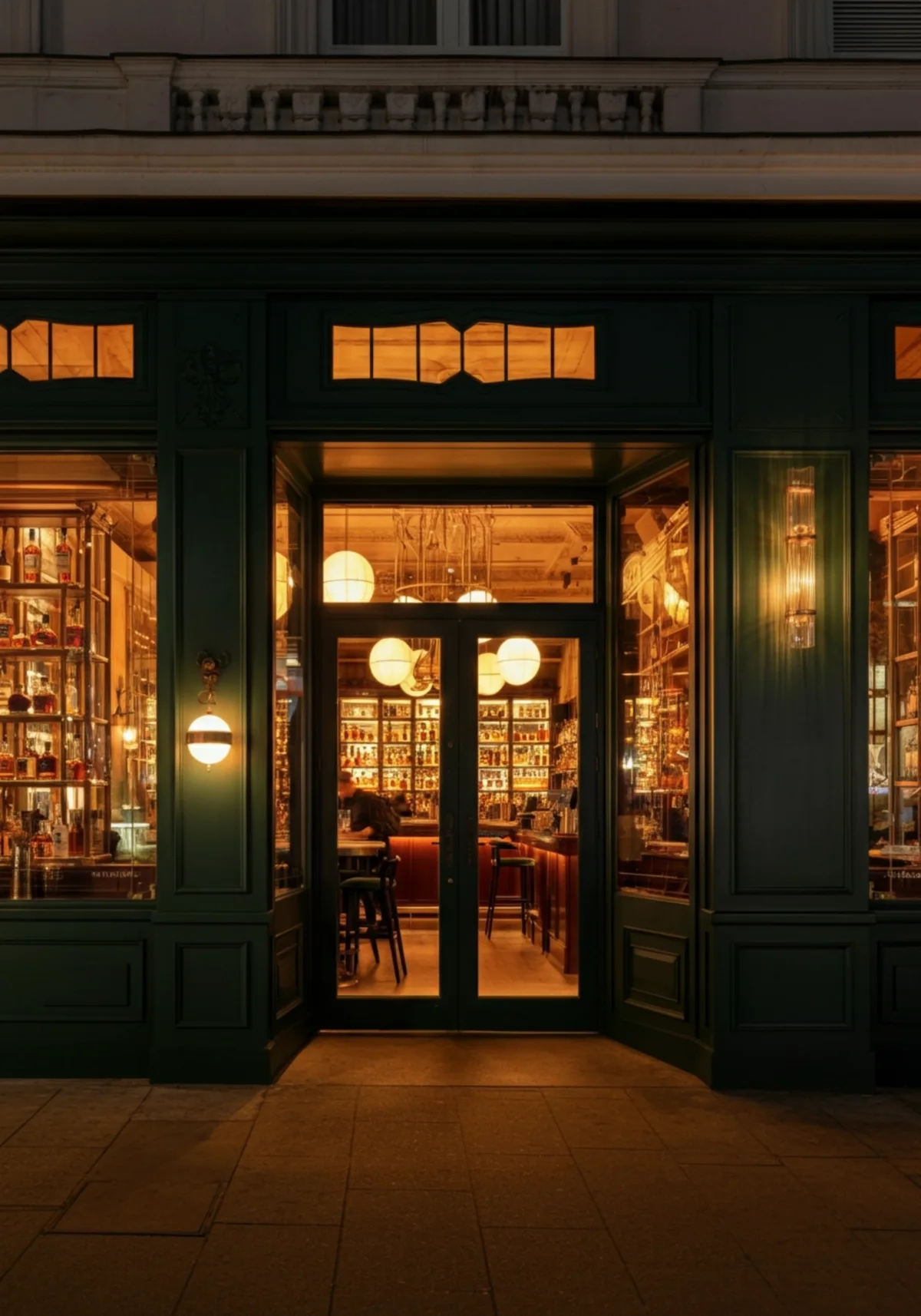
The Glenlivet Distillery is an iconic Scottish whisky producer situated in the picturesque region of Speyside, near Ballindalloch…
Distillery
Auchentoshan Distillery, nestled at the foot of the Kilpatrick Hills in Clydebank, Scotland, is renowned for its exquisite…

Distillery
Located in the heart of Islay, Bowmore Distillery is a hallmark of Scottish single malt whisky craftsmanship. Established…
Distillery
Lagavulin Distillery, nestled in the picturesque village of Lagavulin on the southern coast of Islay, Scotland, is renowned…
Distillery
Springbank Distillery, renowned for its unrivaled commitment to quality and tradition, is nestled in the picturesque town of…
Spirit
Springbank 10 YO Campbeltown Single Malt Scotch Whisky
Springbank Campbeltown Single Malt Scotch Whisky is celebrated for its distinct and complex character, embodying the artistry of…
History
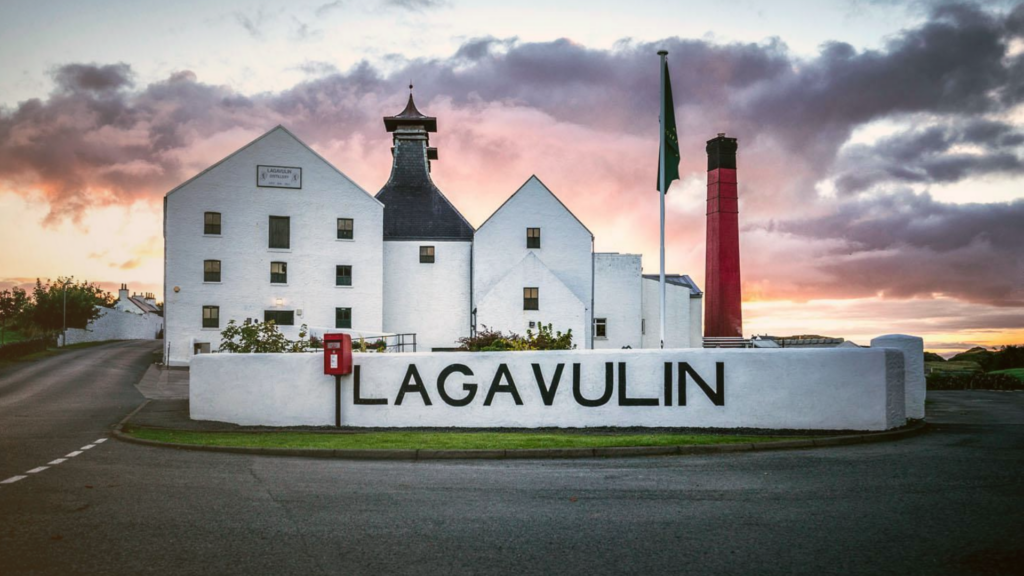
Lagavulin Distillery and the Discipline of Slow Distillation on Islay
On the southern coast of Islay, Lagavulin Distillery stands beside a sheltered bay between Laphroaig and Ardbeg. Its white buildings, dark kiln roofs, and long waterfront warehouses belong to one of Scotland’s most recognisable whisky landscapes. Still, the character associated with the distillery was not created by scenery alone. Peat is the most obvious part […]
June 28, 2026
Barlist
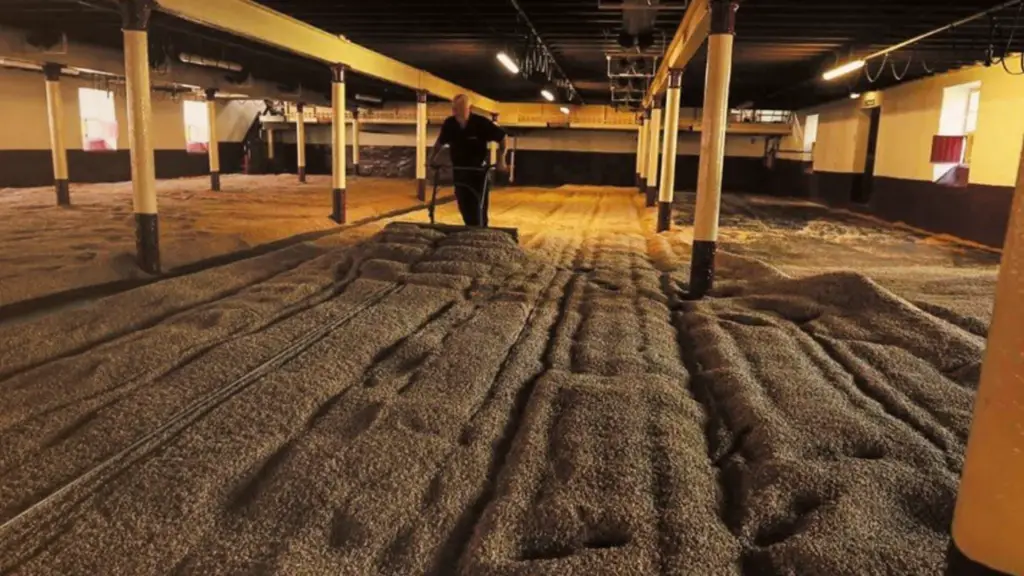
From Floor Maltings to Bottling: How Springbank Distillery Kept Whisky Production on Site
At Springbank Distillery, barley still arrives at one end of the production process and bottled whisky leaves at the other. Between those points, the grain is steeped, spread across malting floors, dried in the kiln, milled, mashed, fermented, and distilled. The resulting spirit is filled into casks, matured in Campbeltown, bottled, and labelled by the […]
June 24, 2026
Distilleries & Producers
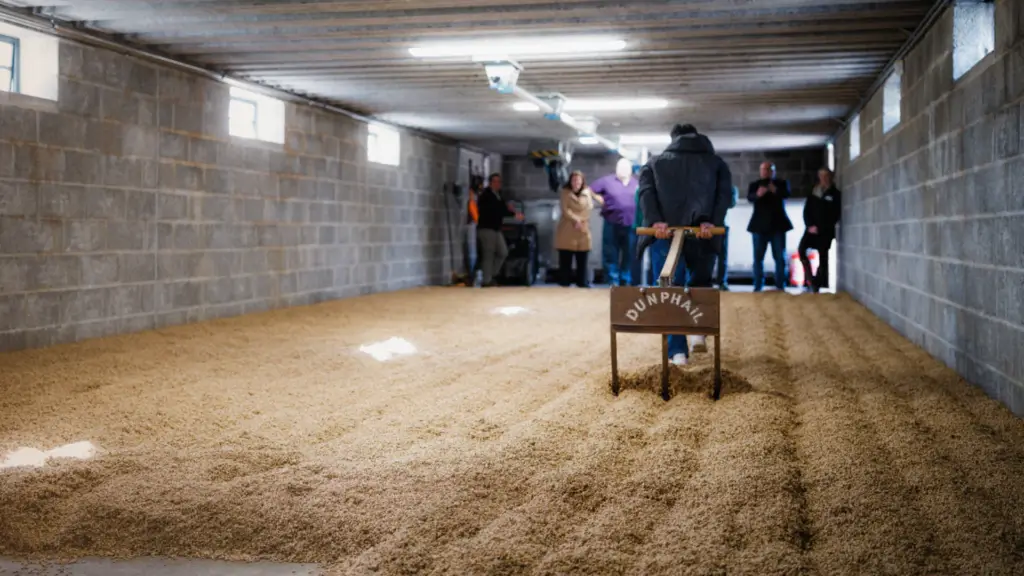
The Last Days of Floor Maltings: When Scotch Distilleries Made Their Own Malt
Floor Maltings History: Where Whisky Began Before stainless steel vessels, automated temperature control, and industrial malt plants, a Scotch whisky distillery often began its work on a stone or concrete floor. Barley was steeped in water, spread in a shallow layer, and turned repeatedly by hand as it germinated. The process demanded time, judgement, space, […]
June 18, 2026