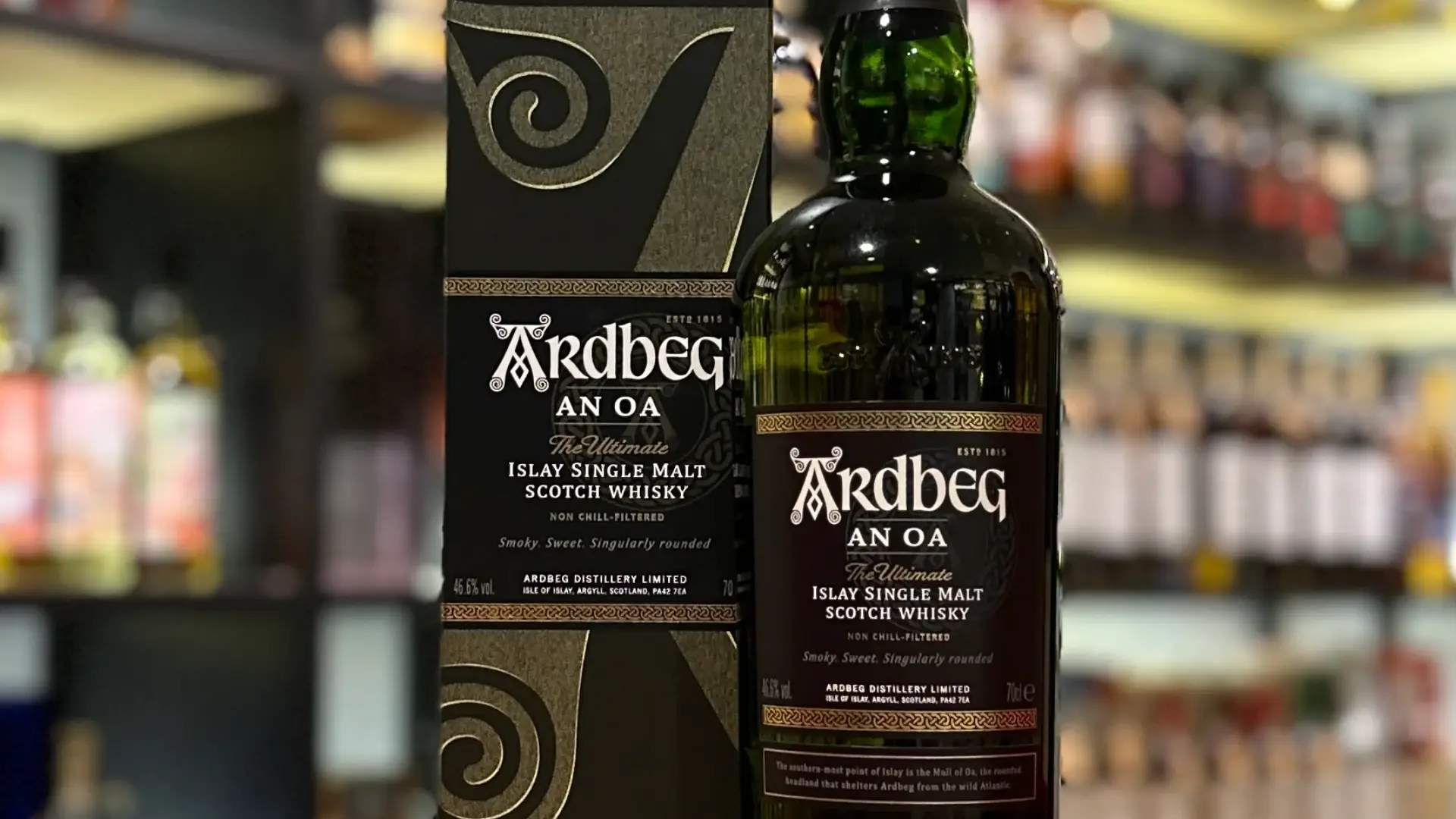
Few names in the world of peated whisky provoke as immediate a reaction as Ardbeg scotch whisky. Revered by enthusiasts and approached cautiously by newcomers, Ardbeg represents an uncompromising expression of Islay character. Its reputation is built not on mass appeal but on intensity, consistency, and a deep connection to place. To understand Ardbeg is to understand how geography, technique, and persistence shape one of Scotland’s most distinctive single malts.
Islay and the Roots of Ardbeg’s Identity
The story of Ardbeg scotch whisky begins on the southern coast of Islay, an island long recognized as the spiritual home of peated Scotch whisky. Islay’s peat bogs, Atlantic exposure, and soft water sources created ideal conditions for bold distillation traditions. The location of the Ardbeg Distillery along the shoreline exposes maturing whisky to maritime air, contributing a subtle coastal character that defines its aroma and finish.
Licensed officially in 1815, Ardbeg operated during a period when illicit distillation was common across Scotland. Legal recognition allowed the distillery to refine its methods while remaining deeply rooted in traditional Islay practice. From its earliest years, Ardbeg focused on producing whisky of intensity and structure rather than volume.
Production Philosophy and Peat Intensity
At the heart of Ardbeg scotch whisky lies an unwavering commitment to peat. Ardbeg is widely regarded as one of the most heavily peated single malt producers in Scotland, often cited in discussions of phenolic intensity alongside other Islay icons.
However, peat alone does not define Ardbeg. Careful fermentation and deliberate distillation cut points preserve weight and texture beneath the smoke. This approach results in a profile marked by dense peat smoke, citrus brightness, and oily depth, rather than a one-dimensional sensory experience.
Maturation traditionally takes place in ex-bourbon casks, allowing the spirit’s character to remain dominant. Wood supports rather than obscures, reinforcing Ardbeg’s identity as a spirit-first whisky.
Periods of Closure and Revival
The history of Ardbeg scotch whisky includes periods of uncertainty. Like many Islay distilleries, Ardbeg faced economic pressure during the 20th century, leading to multiple closures. Extended shutdowns in the 1980s and early 1990s placed the distillery’s future in jeopardy.
A decisive moment arrived in 1997 when Ardbeg was acquired by The Glenmorangie Company, marking the beginning of a careful revival. Investment restored production capacity while preserving traditional practices. This resurgence aligned with a global renewed appreciation for peated whisky, allowing Ardbeg to re-establish itself with confidence and clarity.
The reopening transformed Ardbeg into a cult distillery respected for authenticity rather than reinvention.
Flavor Profile and Sensory Identity
The sensory identity of Ardbeg scotch whisky is unmistakable. Smoke leads the experience but unfolds in layers often described as medicinal, earthy and maritime. Beneath the peat emerge notes of lemon zest, espresso, dark chocolate and sea salt.
Texture plays a defining role. Ardbeg whiskies are known for their viscous mouthfeel, which carries flavor across the palate and extends the finish. This weight distinguishes Ardbeg from lighter peated malts and deepens its appeal among experienced drinkers.
Rather than diminishing with age, Ardbeg’s peat integrates, allowing secondary flavors to develop while preserving intensity.
Global Reputation and Cult Status
Following its revival, Ardbeg’s global reputation grew steadily. Limited releases and committee bottlings fostered loyalty without diluting the core range. Recognition from institutions such as the World Whiskies Awards reinforced credibility, though its standing rests primarily on peer respect and consumer trust.
Among peat-focused whisky enthusiasts, Ardbeg scotch whisky is frequently cited as a benchmark. Its intensity divides opinion, but that divisiveness strengthens its identity. Ardbeg does not aim for universal appeal. It exists to express Islay with honesty.
Ardbeg Within the Islay Landscape
Within Islay’s constellation of distilleries, Ardbeg occupies a distinct position. While neighboring producers also embrace peat, it emphasizes raw power balanced by precision. It sits at the more end of the Islay spectrum without sacrificing structure.
This clarity allows Ardbeg scotch whisky to coexist alongside other Islay styles without confusion. Drinkers know exactly what Ardbeg represents, and that consistency builds long-term trust.
Islay’s identity is collective, but Ardbeg’s voice within it remains unmistakable.
Endurance Through Authenticity
The enduring appeal of Ardbeg scotch whisky lies in its refusal to compromise. While whisky trends evolve, Ardbeg remains anchored to production values established over two centuries ago. Innovation occurs within boundaries rather than at their expense.
This discipline resonates with modern drinkers seeking transparency and substance. Ardbeg demonstrates that heritage alone is insufficient without continuity and intent.
Where Barlist Meets Ardbeg Scotch Whisky
The story of Ardbeg Scotch whisky reflects Barlist’s focus on spirits shaped by place, process and perseverance. On Barlist, whiskies like Ardbeg are explored as cultural artifacts rather than status symbols. By tracing Ardbeg’s journey from Islay’s shoreline to global recognition, Barlist connects readers to a whisky whose reputation is built on authenticity, intensity and an unwavering sense of identity.


Distillery
Nestled on the southern coast of the Isle of Islay, Ardbeg Distillery is celebrated for its unique productions…
Spirit
Ardbeg An Oa Single Malt Scotch Whisky
Ardbeg An Oa is a distinguished single malt Scotch whisky from the Isle of Islay, celebrated for its…

Spirit
Ardbeg Islay Single Malt Scotch Whisky
Ardbeg 1975 Single Malt Scotch Whisky is a limited edition that embodies the iconic Islay character so revered…
Spirit
Ardbeg 25 YO Ardbeg Single Malt Scotch Whisky
Ardbeg 25 Years Old is a remarkable expression from the renowned Islay distillery, a testament to the artistry…
History
Lagavulin Distillery and the Discipline of Slow Distillation on Islay
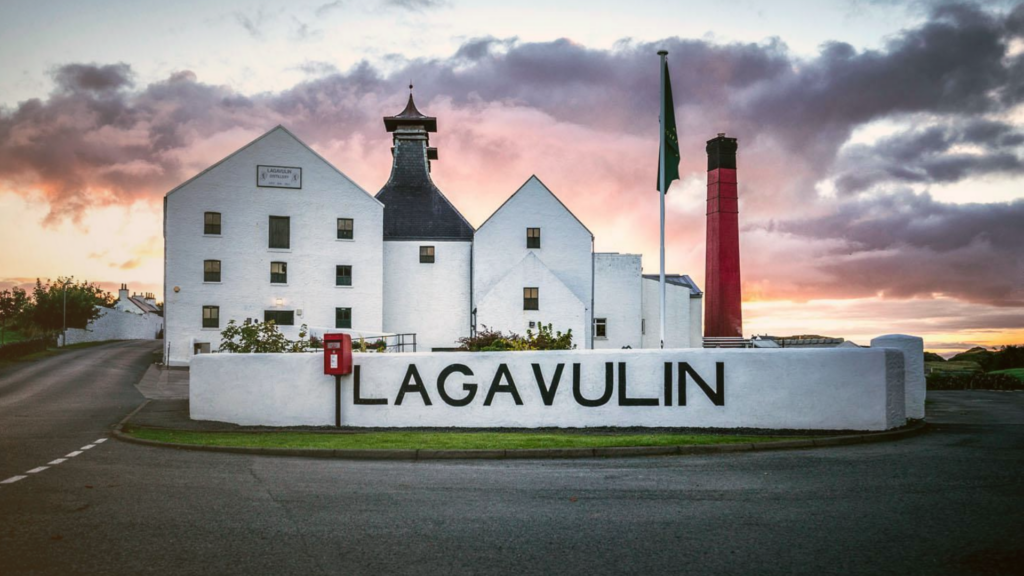
On the southern coast of Islay, Lagavulin Distillery stands beside a sheltered bay between Laphroaig and Ardbeg. Its white buildings, dark kiln roofs, and long waterfront warehouses belong to one of Scotland’s most recognisable whisky landscapes. Still, the character associated with the distillery was not created by scenery alone. Peat is the most obvious part […]
June 28, 2026
Distilleries & Producers
The Last Days of Floor Maltings: When Scotch Distilleries Made Their Own Malt
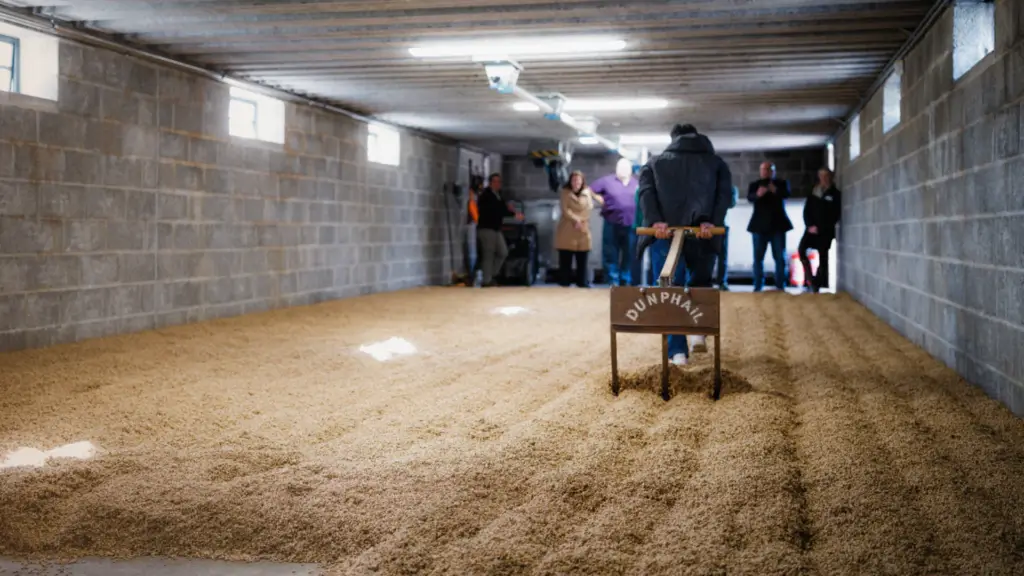
Floor Maltings History: Where Whisky Began Before stainless steel vessels, automated temperature control, and industrial malt plants, a Scotch whisky distillery often began its work on a stone or concrete floor. Barley was steeped in water, spread in a shallow layer, and turned repeatedly by hand as it germinated. The process demanded time, judgement, space, […]
June 18, 2026
Barlist
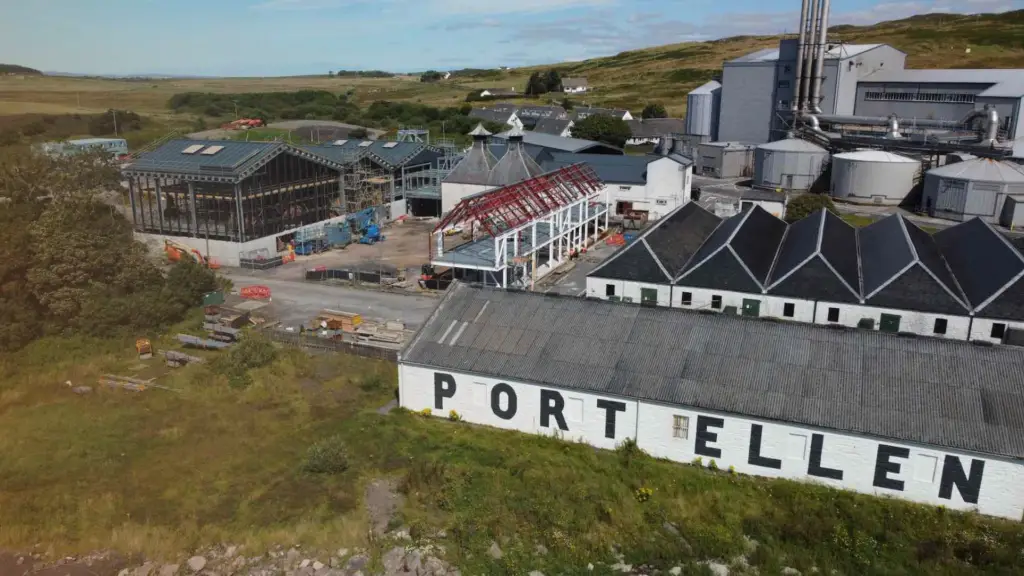
Port Ellen: From Closed Distillery to Whisky Legend
The southern coast of Islay has long been associated with peat smoke, maritime weather, and some of Scotland’s most influential whisky distilleries. Yet few names have acquired the near-mythical status of Port Ellen Distillery. For more than four decades, the distillery existed in an unusual state: closed, silent, and unable to produce a single drop […]
June 2, 2026