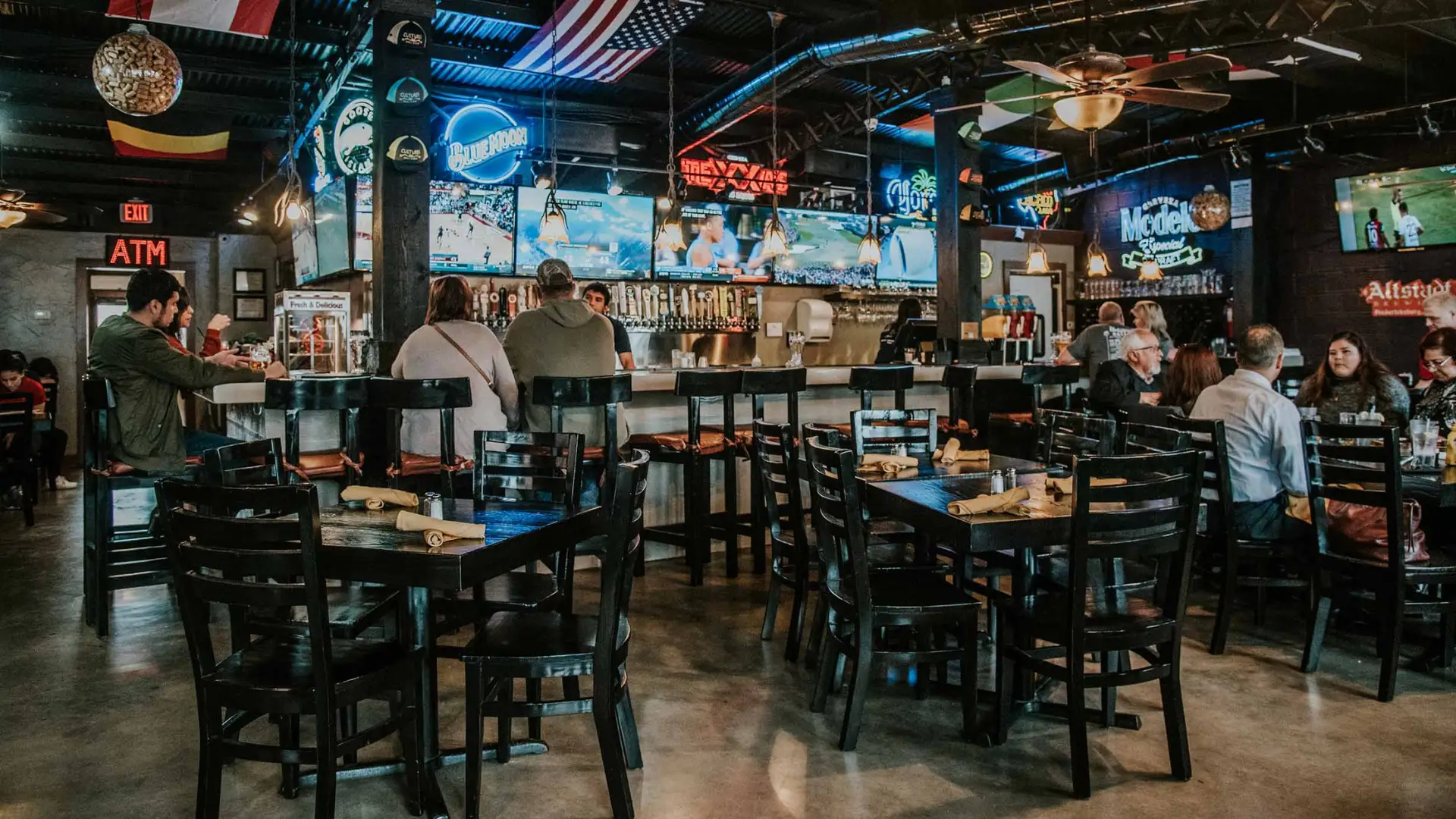
The idea of a culture bar and grill is inseparable from place, time, and habit. Long before social dining became a marketing term, bars that served food evolved organically as neighborhood institutions. From post-war urban taverns to modern all-day dining bars, these spaces have reflected how communities eat, drink, and gather in real life. Their rise is not a trend-driven story but a response to shifting urban rhythms, work patterns, and social behavior.
Neighborhood Bars as Cultural Anchors Since the 19th Century
Historically, bars that served food functioned as informal civic spaces. In the late 19th century, European cafés and American saloons became extensions of public life, hosting political discussion, local news exchange, and routine social interaction. By the early 20th century, this model had evolved into establishments where food and drink coexisted naturally.
In New York City, The Dead Rabbit, founded in 2013 by Jack McGarry and Sean Muldoon, demonstrates how modern bars can function as cultural storytellers. While primarily known for cocktails, its Irish pub roots, food program, and historical narrative place it firmly within the lineage of culture-driven bar dining spaces.
In Chicago, The Gage, opened in 2007 near Millennium Park, exemplifies how bars integrated with grills became everyday gathering points. Serving classic American and European-influenced food alongside beer, whisky, and cocktails, it operates not as a destination restaurant but as a dependable urban fixture for locals, professionals, and visitors alike.
These venues are not defined by novelty. They endure through consistency, repeated presence, and cultural relevance.
Urban Design and Street-Level Social Flow
The physical design of a culture bar and grill plays a decisive role in its success. Historically, bars positioned at street level with visible interiors encouraged spontaneous entry. This principle remains unchanged.
In London, neighborhoods such as Soho and Shoreditch illustrate how social dining integrates with urban movement. Dishoom, founded in 2010, draws inspiration from Bombay cafés of the 1960s while functioning as a modern social dining space. Its open layouts, long tables, and all-day service encourage extended stays, blending breakfast, lunch, cocktails, and late evening drinks without rigid transitions.
Similarly, in Barcelona, districts like El Born and Gràcia host bars and grills where wine, vermouth, beer, and grilled food coexist as part of the daily routine. These spaces thrive because they feel embedded in the street rather than separated from it.
A true culture bar and grill does not announce itself. It absorbs the pace of its surroundings.
Food Built Around Sharing and Time Rather Than Ceremony
Food in a culture bar and grill is designed to support conversation, not interrupt it. This philosophy can be traced to Mediterranean and Latin dining cultures, where shared plates and flexible pacing have long dominated.
In Austin, Texas, Loro, opened in 2018 by chefs Tyson Cole and Aaron Franklin, reflects this approach clearly. Blending Asian inspired flavors with Texas grilling traditions, Loro operates as a casual bar centered around beer, cocktails, and shared dishes. Guests move fluidly between eating and drinking, reinforcing the social function of the space.
In Melbourne, a city whose modern dining identity has formed strongly since 2000, neighborhood grills paired with wine and cocktail bars have become community hubs. The emphasis is rarely on fine dining structure. Instead, food acts as a social medium, encouraging longer stays and return visits.
This explains why searches for ‘culture bar and grill’ often signal an intent for atmosphere as much as cuisine.
Drinks Programs as Social Language
Drinks define the tempo of a culture bar and grill. Unlike specialist cocktail bars or tasting rooms, these venues prioritize accessibility and familiarity. Beer, wine, and classic cocktails dominate because they support social flow rather than performance.
In Los Angeles, Bavel, opened in 2018 by chefs Ori Menashe and Genevieve Gergis, integrates a serious drinks program without overshadowing conversation. Mediterranean influenced cocktails, wine, and spirits complement food while remaining approachable.
Across Berlin, neighborhood bars emphasize beer and simple mixed drinks rooted in German drinking culture. In Paris, wine led bars with grills focus on everyday bottles rather than prestige selections.
The category choices matter. Whisky, gin, vermouth, aperitivo spirits, and beer appear frequently because they are culturally familiar and socially functional.
Routine, Habit, and Emotional Ownership
The defining feature of a culture bar and grill is routine. These venues become part of residents’ weekly patterns rather than special occasion planning.
In Brooklyn neighborhoods such as Williamsburg and Park Slope, bar and grill spaces function as extensions of living rooms. Locals stop in without agenda. This emotional ownership creates loyalty that cannot be replicated through branding alone.
Globally, this pattern appears in different forms. In Tokyo, izakaya style grills serve beer, shochu, and whisky alongside small dishes. While culturally distinct, their social function mirrors the culture bar and grill model precisely.
People return because the space feels predictable yet alive.
Inclusivity as a Structural Principle
A successful culture bar and grill attracts diverse age groups, professions, and backgrounds. Dress codes are relaxed. Menus are readable. Pricing encourages frequency rather than exclusivity.
In Toronto, multicultural neighborhoods support bars and grills that reflect local demographics through subtle food influences and music rather than overt themes. Cultural identity emerges naturally, shaped by the people who use the space rather than imposed by concept.
This inclusivity ensures longevity. As neighborhoods change, these venues adapt without losing relevance.
The Future of Culture Bar and Grill Spaces
The future of the culture bar and grill lies in sustainability, local sourcing, and community engagement rather than spectacle. Guests increasingly value authenticity and consistency over reinvention.
Technology supports reservations and service efficiency, but human interaction remains central. The role of the bar and grill as a social anchor remains unchanged from its historical roots.
These spaces endure because they reflect how people actually live, eat, and drink.
Where Barlist Meets Culture Bar and Grill
The culture bar and grill represents exactly the type of place Barlist exists to document. On Barlist, bars are not evaluated solely by menus or awards but by cultural role, history, and lived experience. By examining real venues, real cities, and real habits, Barlist connects readers to social dining spaces that function as everyday institutions, where spirits, food, and people intersect naturally.
Bar
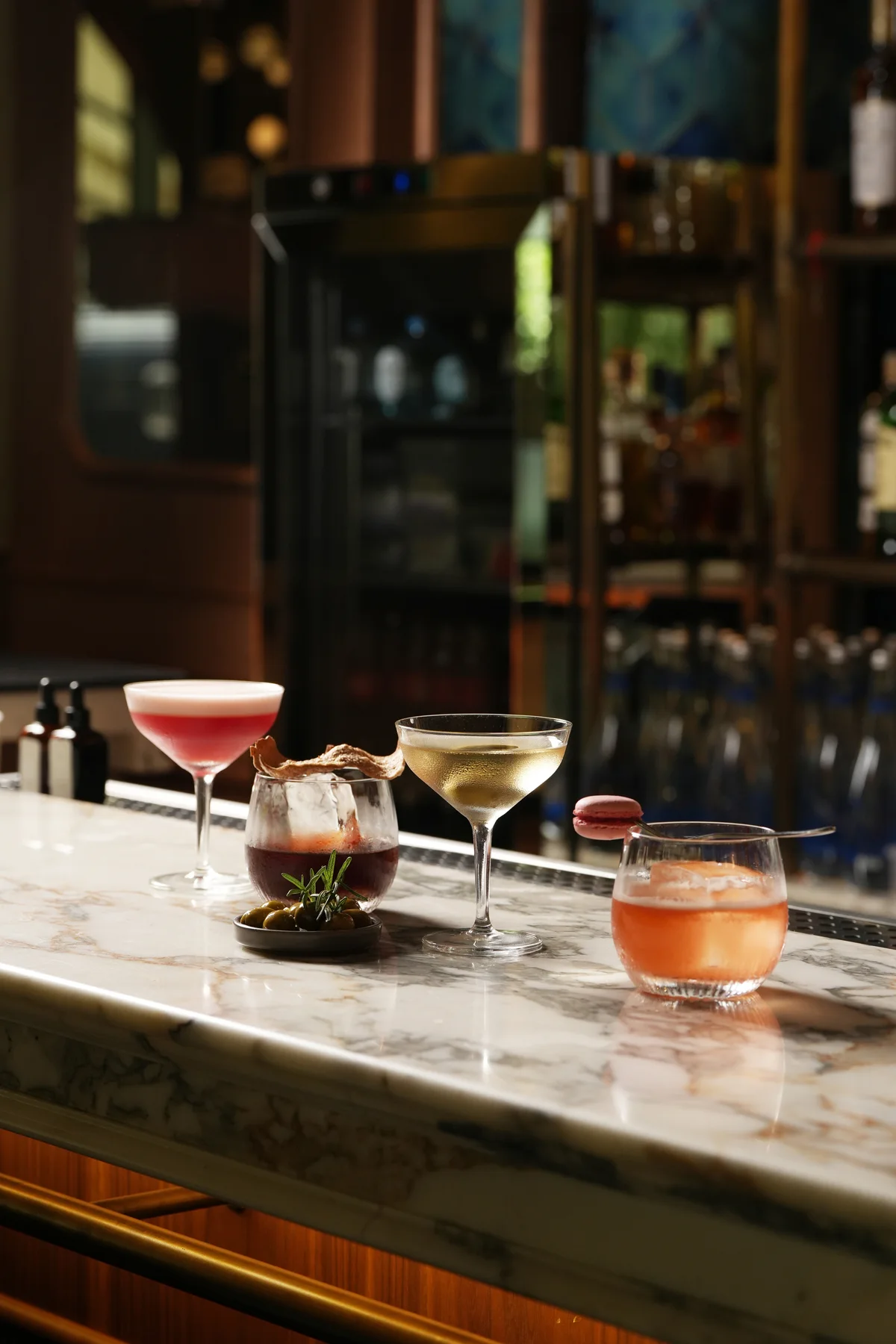
The Dead Rabbit is an iconic Irish cocktail bar nestled in New York City’s Financial District at 30…
Bar
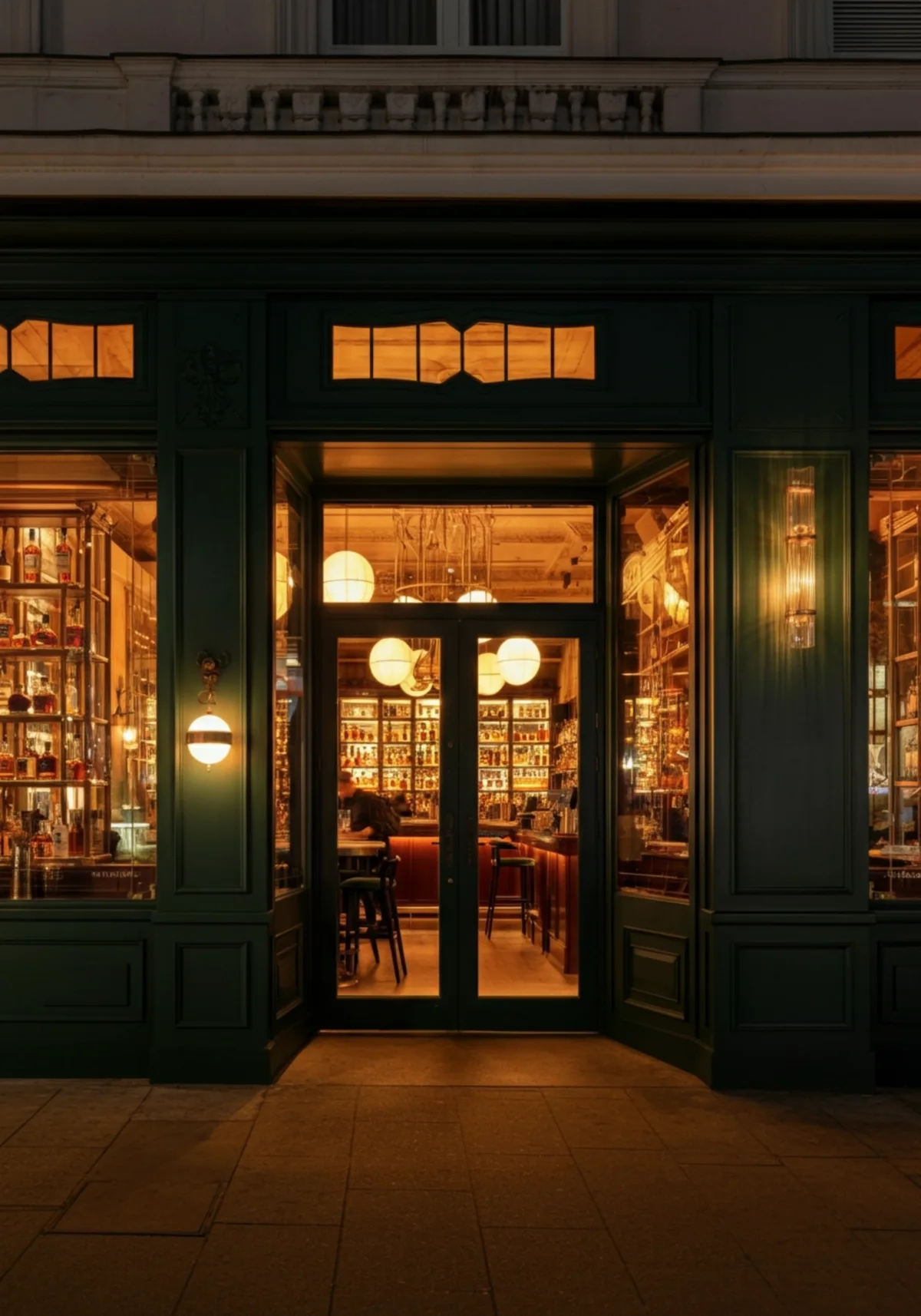
The Lobo is a celebrated cocktail bar situated at 1/209 Clarence Street in Sydney’s bustling downtown district. This…
Partnership
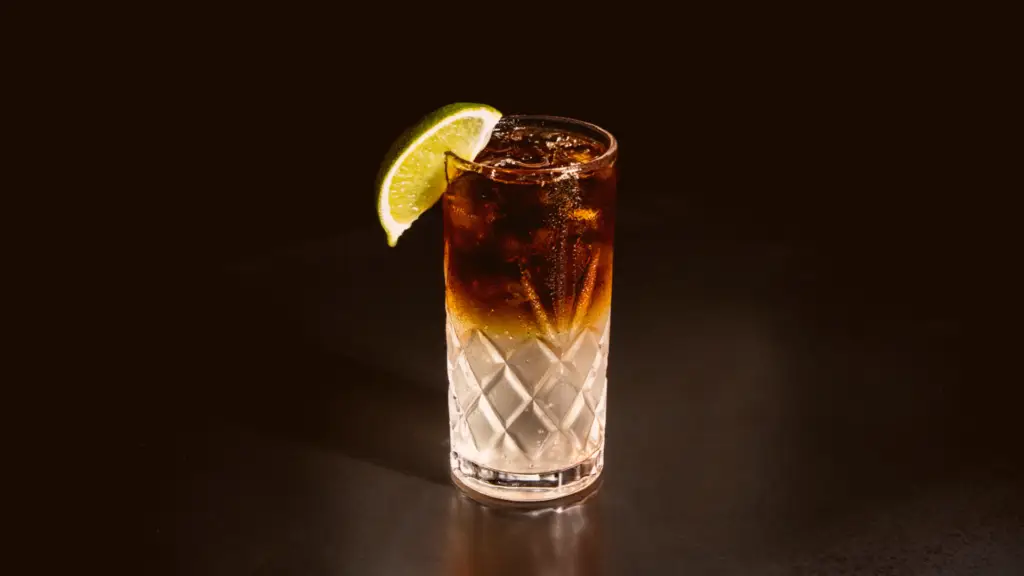
Dark ’N’ Stormy: Bermuda’s Highball, Trademark Law, and the Precision of Simplicity
A bar, a storm, and a glass of dark rum over ginger beer. The image has become inseparable from Bermuda, where the Dark ’N’ Stormy is less a cocktail than a national signature. Unlike many mixed drinks shaped by evolving bar culture, this one is anchored to a single producer, a specific island, and a […]
July 30, 2026
Cocktail of The Week
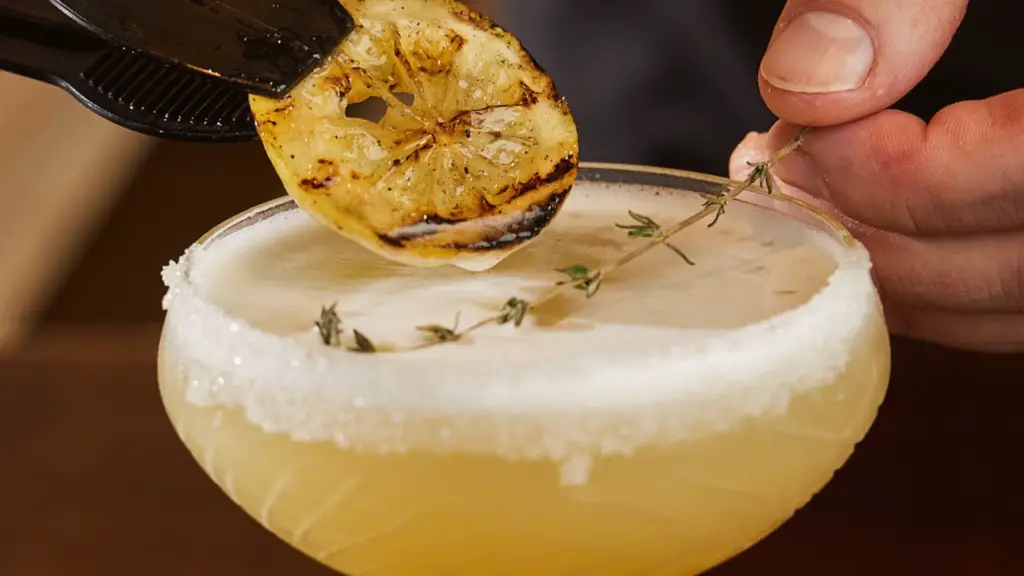
Bee’s Knees: Prohibition Precision, Honey Structure, and the Evolution of a Gin Sour
During the 1920s, under the restrictions of Prohibition, American drinkers and bartenders became used to cocktails that corrected, softened, or disguised rough spirits. Among them, the Bee’s Knees stands out for one reason: it did not disappear when better spirits returned. Instead, it moved beyond its Prohibition association, becoming one of the clearest demonstrations of […]
July 2, 2026
Bars and Cocktails
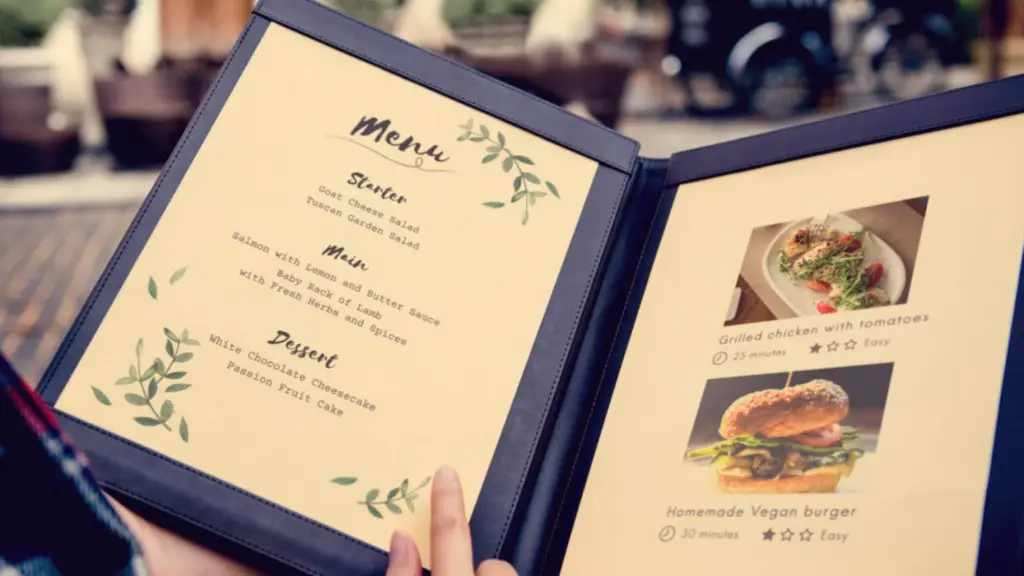
Psychology of Cocktail Menus: Design Influences Choice
Cocktail menus are rarely just a list of drinks. It functions as a structured system that shapes how guests navigate choice, often before any interaction with a bartender begins. Through layout, naming, pricing, and categorization, menus guide attention and reduce uncertainty, influencing decisions in ways that feel intuitive rather than directed. Across modern bar culture, […]
April 2, 2026