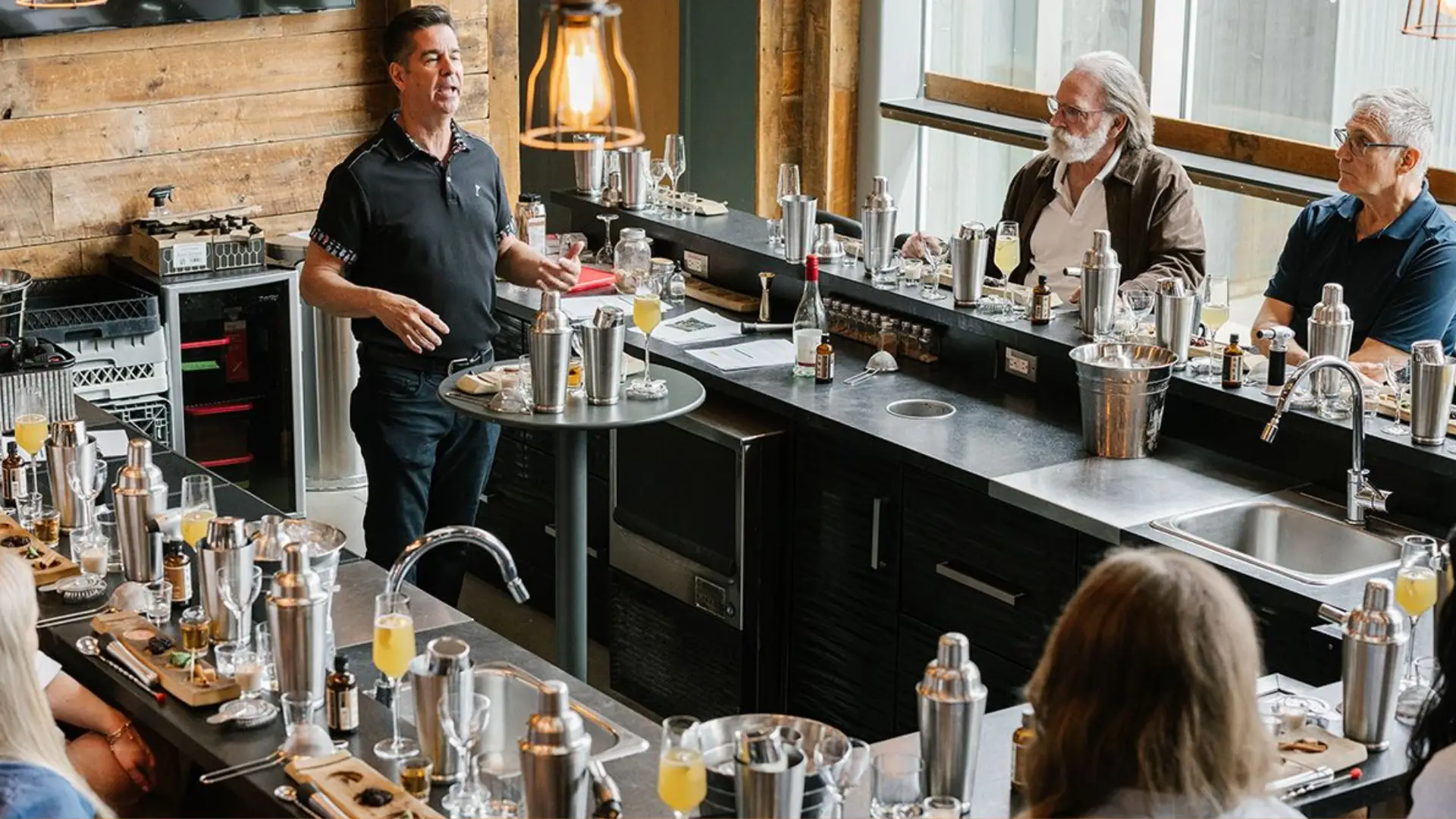
The rise of mixology classes reflects a fundamental shift in how cocktails are understood and respected. What was once viewed as simple bartending has evolved into a discipline that combines technique, sensory awareness and cultural literacy. Modern mixology education sits at the intersection of flavor science and artistic expression shaping how cocktails are crafted and experienced around the world.
From Bartending to Mixology Education
For much of the 20th century, cocktail knowledge was transmitted informally behind bars through repetition and observation. This began to change in the late 1990s as the cocktail revival gained momentum. Classic recipes lost during earlier decades were rediscovered and attention returned to balance and technique.
Formal mixology classes emerged in cities such as New York, London and Tokyo, where bartenders sought structured learning environments. These programs emphasized consistency, historical awareness and professional standards. The shift marked a turning point where cocktail making became an intentional craft rather than routine service.
Flavor as a Learned Discipline
At the heart of mixology classes lies the study of flavor. Students are trained to understand how sweetness, acidity, bitterness, alcohol and texture interact. This sensory framework allows bartenders to create drinks that feel complete rather than improvised.
Palate development is treated as a skill built through repetition and comparison. Students learn to identify imbalance and adjust structure with precision. This approach transforms flavor from instinct into knowledge, bridging the gap between creativity and discipline. Understanding flavor in this way elevates cocktails from novelty to expression.
Technique and the Language of Craft
Technique forms the physical language of mixology. Mixology classes teach stirring, shaking, dilution, temperature control, and glassware selection, not as habits, but as deliberate choices. Each movement influences aroma, texture and perception.
Historical context supports these techniques. Students examine why certain methods were adopted during different periods and how technology influenced practice. This awareness reinforces respect for tradition while encouraging thoughtful adaptation. Technique becomes a tool for clarity rather than performance.
Artistic Expression and Cultural Context
Cocktails exist within cultural narratives. Mixology classes explore how drinks reflect social trends, regional ingredients and historical events. From the elegance of early 20th-century hotel bars to the minimalism of contemporary cocktail rooms, each era leaves a signature.
Artistic expression in mixology does not mean excess. It means composition balance and intention. Students are encouraged to develop personal style while honoring established forms. This balance ensures that creativity enhances rather than overshadows flavor. The result is a craft rooted in meaning rather than spectacle.
Professional Pathways and Industry Impact
For many students, mixology classes serve as gateways to professional advancement. Certification and structured training signal commitment and discipline to employers. Premium bars, hotels and beverage programs increasingly value formal education.
Beyond employment, mixology education shapes confidence, communication and hospitality philosophy. Trained bartenders engage guests through knowledge, storytelling and thoughtful service. This professionalism elevates the entire bar experience.
Education strengthens both individual careers and industry standards.
Global Exchange and Modern Mixology
Mixology education has become increasingly global. Schools and academies share techniques influenced by Japanese precision, Italian aperitivo culture, Caribbean rum traditions and European classicism. This exchange broadens perspective and fosters respect for origin.
Students learn that cocktails are not isolated creations but part of a global conversation shaped by trade migration and adaptation. Mixology classes now function as cultural bridges connecting tradition with innovation.
This global awareness enriches both flavor and understanding.
Where Barlist Meets Mixology Classes
The evolution of mixology classes mirrors Barlist’s philosophy of discovery through knowledge. Cocktails are more than recipes. They are expressions of history, craft and culture. On Barlist, mixology education is explored as a pathway to deeper appreciation, connecting flavor with context and artistry. By examining where flavor meets art, Barlist invites readers to see cocktails not as trends but as enduring cultural creations shaped by learning and intention.
Partnership
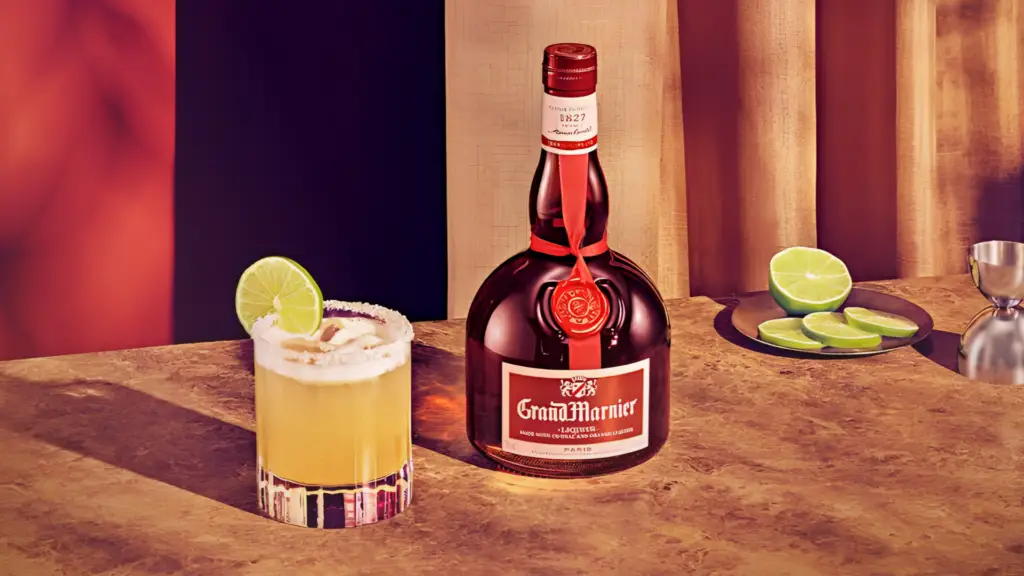
Grand Margarita: The Margarita Variation Defined by Liqueur Choice
The shift from a standard Margarita to a Grand Margarita happens in a single substitution, but the change is immediate in the glass. Where most builds rely on lighter orange liqueurs, this version is structured around Grand Marnier, introducing a deeper, more weighted profile that alters how the drink is perceived from the first sip. […]
September 10, 2026
Trending
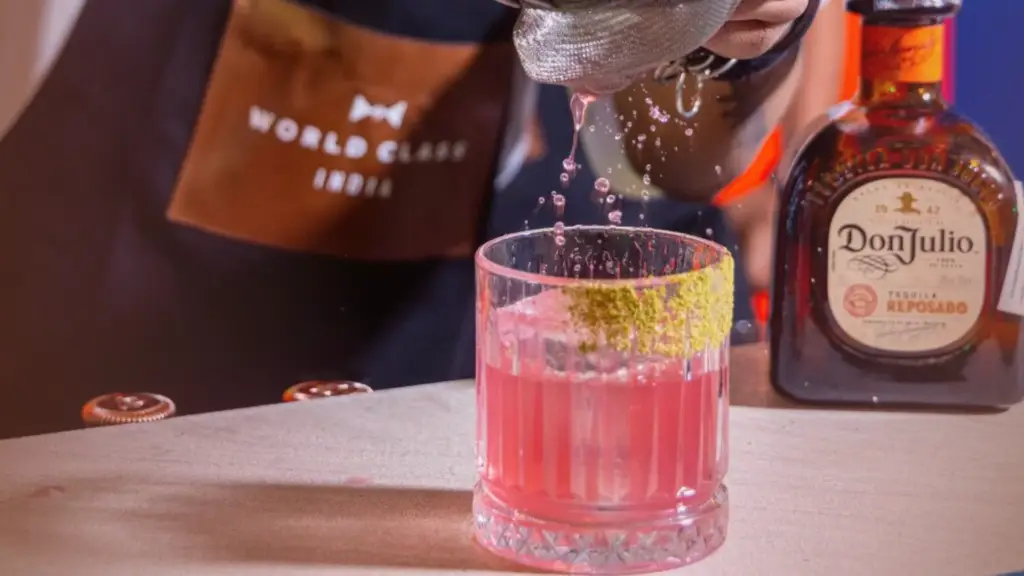
World Class 2026 and Dubai’s Rise as a Global Cocktail Culture Hub
From bartender competition to global industry platform The modern cocktail world has developed far beyond the traditional image of the bartender as a skilled server behind a bar. Over the past two decades, bartending has increasingly been recognised as a professional discipline built on technical knowledge, hospitality, creativity and a deeper understanding of spirits. Few […]
September 8, 2026
Partnership
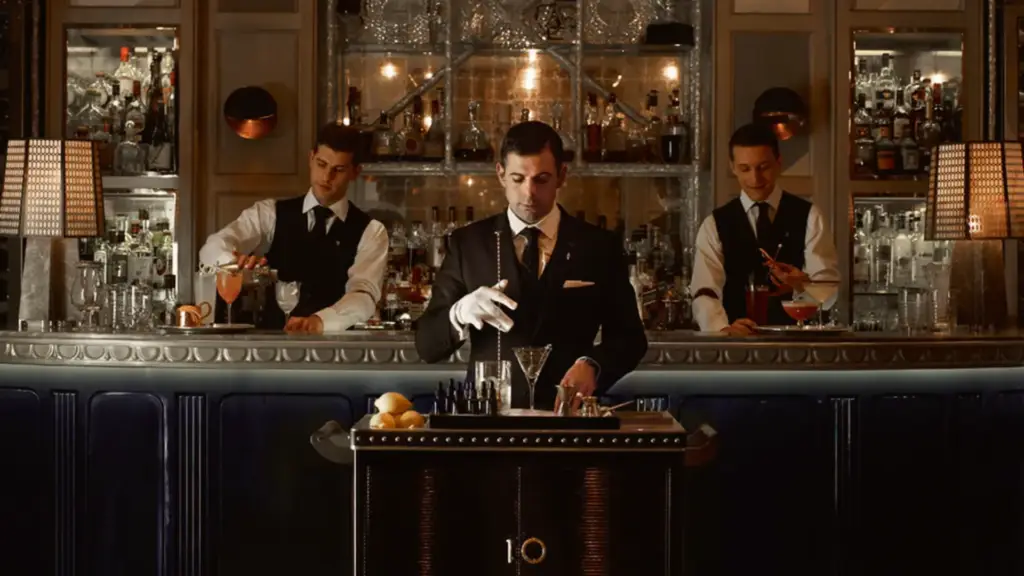
The Connaught Bar: Precision, Ritual, and the Martini That Set the Standard
Some bars are defined by their drinks. Others by their atmosphere. At Connaught Bar, it is service that holds everything together. Tucked within The Connaught in London, the bar has, over time, established itself as a reference point for what modern classic bartending can look like when precision and ritual are treated as inseparable. This […]
August 1, 2026