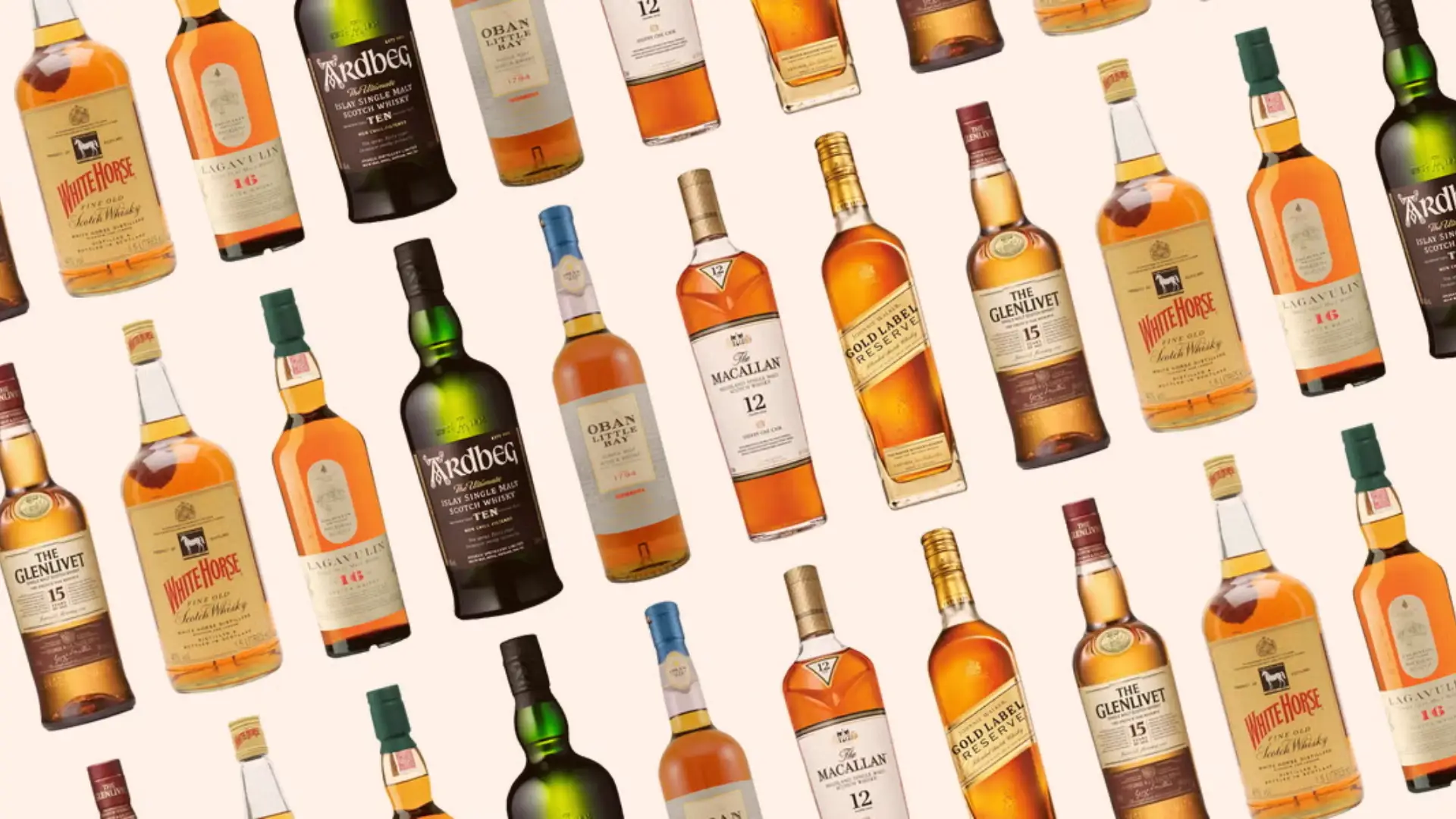
The idea of a brand of Scotch whisky is inseparable from historical regulation and global commerce, unlike many spirit categories that evolved informally. Scotch whisky developed within a tightly defined legal and cultural framework. Every major Scotch brand carries layers of identity shaped by place, production method and the era in which it rose to prominence. From high volume blends poured across continents to heritage driven single malts produced at individual distilleries Scotch brands collectively define how whisky culture is understood worldwide.
Legal Foundations and the Birth of Scotch Whisky Brands
The modern brand of scotch whisky emerged after the passage of the Excise Act in 1823. This legislation transformed Scotch production by allowing distillers to operate legally under license rather than in secrecy. One year later, in 1824, Alexander Reid established The Macallan at Easter Elchies Estate in Speyside, marking one of the earliest legally registered distilleries.
Legalisation allowed distilleries to focus on consistency, scale and identity rather than evasion. Over time, this consistency enabled recognisable branding. Oversight from the Scotch Whisky Association continues to define what qualifies as Scotch whisky, protecting geographic origin, production standards and maturation requirements that underpin brand credibility.
Blended Scotch and the Rise of Global Best Sellers
The first truly global brand of scotch whisky was built through blending. The invention of the Coffey still in 1831 made continuous distillation possible, producing lighter grain whisky suitable for large-scale production. By the 1860s, blending malt and grain whisky had become common, allowing producers to create balanced, approachable spirits with consistent flavour.
This development gave rise to international brands such as Johnnie Walker, whose commercial expansion accelerated in the late 1800s. Today, Johnnie Walker remains the world’s best-selling Scotch whisky brand according to sales analysis frequently referenced by Forbes. Other blended Scotch brands, including Ballantine’s, Chivas Regal, and Dewar’, followed similar trajectories using reliability and house style to establish trust across export markets in Europe, North America and Asia.
Blended Scotch brands became cultural ambassadors, introducing Scotch whisky to millions of drinkers who may never have encountered single malts at that stage.
Single Malt Brands and the Power of Place
While blends drove volume, single malt brands preserved locality. A brand of scotch whisky rooted in single malt production represents a single distillery using malted barley pot still distillation and maturation in Scotland. Although single malts existed for centuries, their branding significance expanded during the 20th century.
In 1963, Glenfiddich began actively marketing single malt Scotch internationally, challenging the dominance of blends. This shift encouraged consumers to associate flavor with geography, distillery character, and production philosophy. Later, The Macallan strengthened this movement in the 1980s by positioning its single malts around wood management and long maturation rather than peat intensity.
These brands reshaped consumer education and laid the foundation for today’s premium Scotch market.
Market Expansion and Brand Recognition in the Late 20th Century
By the late 1900s, the brand of scotch whisky had become a global commercial force. Export volumes grew steadily as Scotch entered emerging markets where brand recognition often outweighed category understanding. Blended brands offered familiarity while single malts represented aspiration.
Publications such as The Spirits Business regularly document how Scotch brands balance volume-driven expressions with premium releases. Tiered portfolios allowed brands to serve both casual drinkers and collectors without eroding identity. This period established Scotch whisky as both a mainstream and luxury product simultaneously.
Heritage Icons and the Economics of Prestige
In the early 2000s the meaning of a brand of scotch whisky expanded beyond consumption into collectability. Rare bottlings vintage releases and age statements began commanding attention at auction houses. Whisky entered the language of fine art and investment.
Macallan’s historic releases distilled in 1926 became defining moments, selling for record prices and redefining the economic potential of Scotch. Recognition from institutions such as the World Whiskies Awards reinforced the idea that heritage craftsmanship and time-driven maturation, rather than novelty, defined prestige.
These heritage icons elevated Scotch brands into symbols of patience, provenance and trust.
Contemporary Scotch Brands and Cultural Continuity
Today, the strength of a brand of scotch whisky lies in continuity. Sustainability, transparency and storytelling now accompany tradition. Distilleries invest in long-term wood programs, visitor centres and digital education to maintain relevance while honouring legacy.
Global producers such as Suntory openly acknowledge Scotch brand influence, highlighting how Scottish whisky continues to shape international whisky culture. Yet Scotch brands remain protected by regulatory geography and collective heritage, ensuring authenticity in an increasingly globalised spirits market.
Where Barlist Meets the World of Scotch Whisky Brands
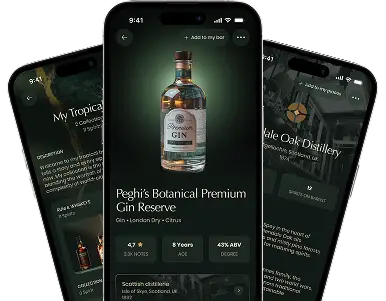
Every brand of scotch whisky is ultimately a record of decisions made across decades and centuries. On Barlist, these brands are explored through their origins, production methods and cultural influence rather than popularity alone. By connecting global best sellers with heritage icons, Barlist reveals how Scotch whisky brands collectively built one of the most enduring spirits cultures in the world and why their stories continue to matter beyond the glass.
Distillery
Johnnie Walker & Sons is synonymous with excellence in the world of blended Scotch whisky. Established in Kilmarnock,…
Distillery
The Glenfiddich Distillery, one of the most iconic names in the world of single malt Scotch whisky, is…
Distillery
Ballantine's is a prestigious brand of blended Scotch whisky originating from Dumbarton, Scotland, under the ownership of Chivas…
Spirit
Johnnie Walker Blue Label Ultra Blended Scotch Whisky
Johnnie Walker Blue Label Ultra Blended Scotch Whisky represents the pinnacle of Johnnie Walker's dedication to craftsmanship and…
Spirit
Johnnie Walker Blue Label Blended Scotch Rarest Whisky
Johnnie Walker Blue Label Blended Scotch Rarest Whisky epitomizes the pinnacle of luxury blended Scotch, expertly crafted to…
Distilleries & Producers
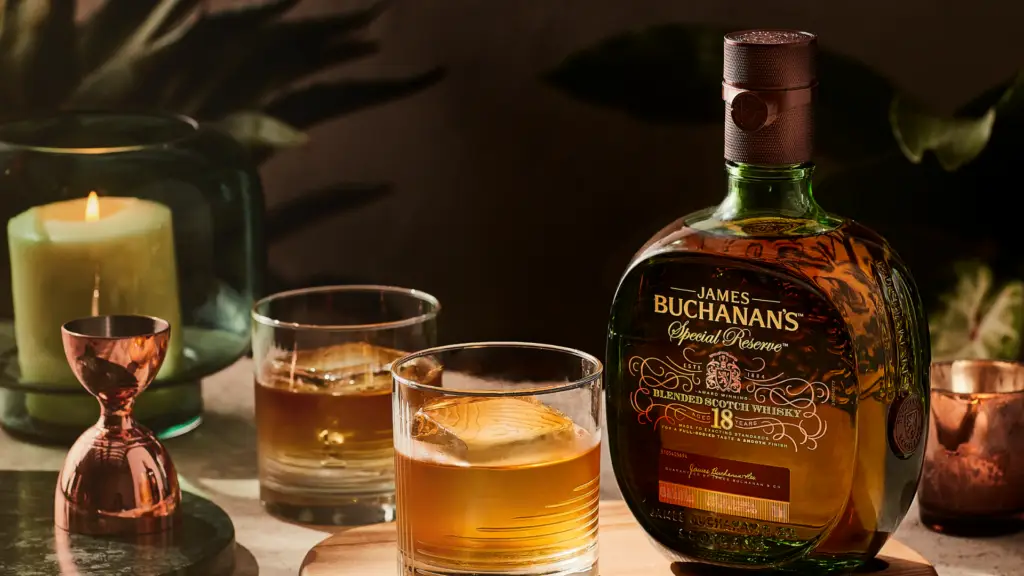
James Buchanan & Co: The Blending House That Turned Scotch into a Modern Brand
The history of James Buchanan & Co belongs to a crucial moment in Scotch whisky’s transformation. In the late nineteenth century, Scotch was no longer only a regional spirit sold through merchants, casks, clubs, hotels, and local trade. It was becoming a bottled product with labels, reputation, visual memory, and commercial reach. The whisky itself […]
July 11, 2026
Tips and Tricks
Why Certain Distilleries Invite Visitors and Others Remain Guarded
A visitor standing beneath the curved timber roof of The Macallan distillery in Speyside encounters a spectacle of transparency. Glass walls reveal stills. Interactive exhibits explain oak sourcing. The building itself, opened in 2018, was designed as an architectural statement of modern whisky confidence. Yet only portions of production are accessible. Beyond certain corridors, access […]
March 23, 2026
Discovery and Education
Scotland’s Whisky Regions and the Six Dialects of Flavour
Scotland does not produce one style of whisky. It produces six distinct regional expressions, each shaped by geography, climate, water, peat, and centuries of local tradition. From the floral lightness of the Lowlands to the maritime depth of Campbeltown and the powerful peat of Islay, every region answers the same question differently. How should whisky […]
March 2, 2026