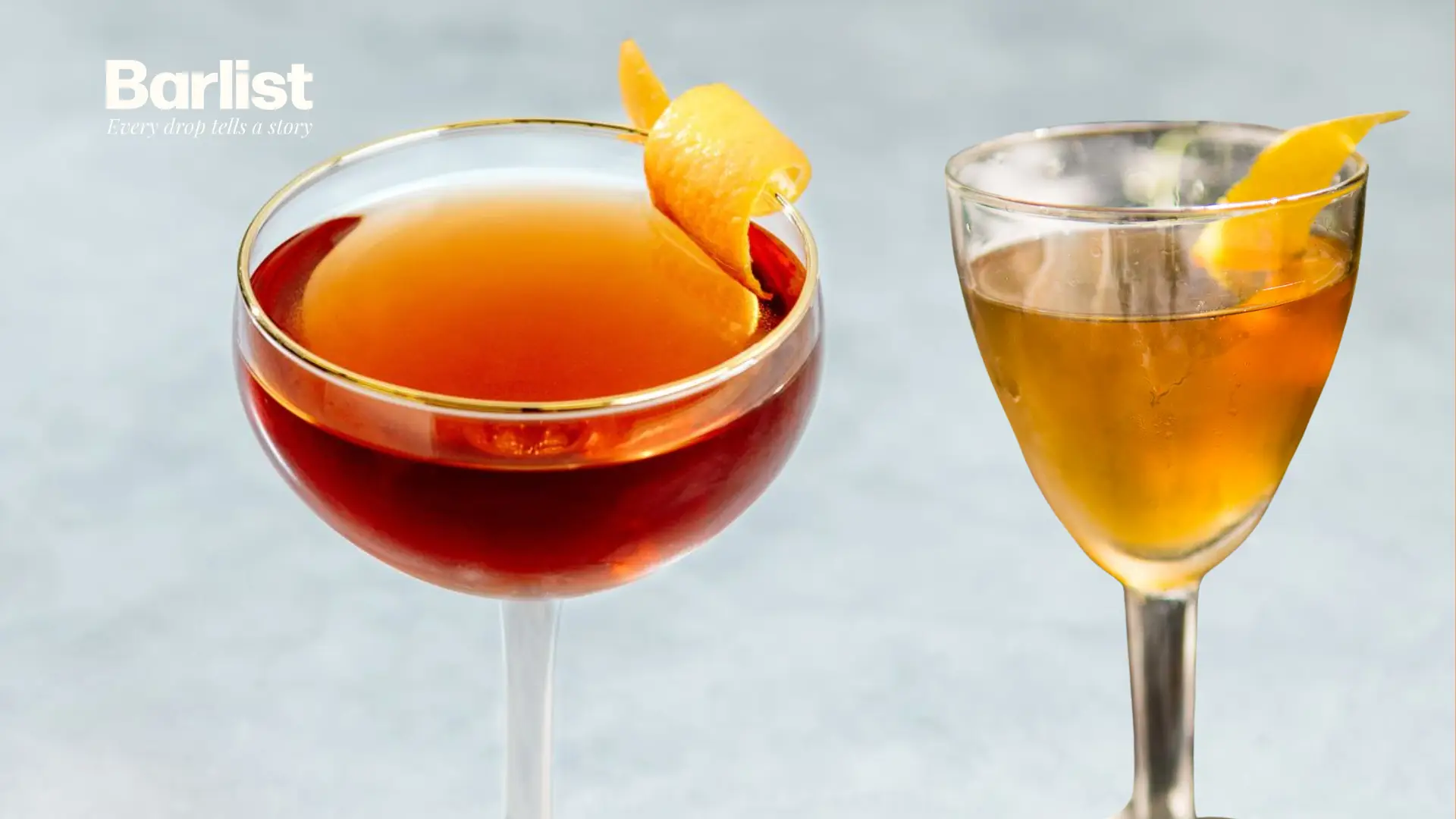
In the vast world of cocktail history, few drinks have shaped the foundation of mixology as profoundly as the Bijou and the Martinez. Both emerged in the late nineteenth century, a time when bartenders were redefining how spirits and liqueurs could express art and balance. Though their popularity faded with changing tastes, their stories continue to illuminate how creativity, craftsmanship, and cultural context shaped what we know today as the modern cocktail history.
The Bijou and Its Jewel-Inspired Design
The Bijou first appeared in Harry Johnson’s 1882 Bartender’s Manual, a landmark text that codified the early principles of professional bartending. Johnson, a German-born bartender who built his reputation in New York City, created the drink as a symbolic expression of three jewels: gin as diamond, sweet vermouth as ruby, and green Chartreuse as emerald. The combination represented more than ingredients; it reflected the elegance and artistic ambition of the Gilded Age.
When stirred with ice and finished with an orange twist, the Bijou produced a layered and herbal character unlike anything of its time. The presence of Chartreuse, a complex monastic liqueur from France, added depth and mystery. In many ways, the drink captured how late nineteenth-century bartenders viewed their craft – not as service but as artistry.
The Martinez and the Origins of the Martini
The Martinez carries a more debated but equally fascinating lineage. Many historians trace it to Jerry Thomas, often called the father of American mixology, who worked at the Occidental Hotel in San Francisco. According to one popular account, Thomas prepared the drink for a traveler heading to the nearby town of Martinez, California, sometime around the early 1860s.
The original recipe combined Old Tom gin, sweet vermouth, maraschino liqueur, and bitters – a sweeter and more botanical profile than the dry gin-based Martini that would later dominate the twentieth century. When the recipe appeared in Thomas’s 1887 Bartender’s Guide, it became one of the earliest written examples of the Martini family of drinks. The Martinez stands as the transitional link between the Manhattan and the Martini, showing how experimentation shaped the evolution of modern cocktail culture.
How Ingredients Define Cocktail History
From an educational perspective, both the Bijou and the Martinez demonstrate how ingredients define not just flavor but style. The Bijou illustrates the power of herbal complexity through Chartreuse, whose vivid character transforms the structure of gin and vermouth. The Martinez, on the other hand, showcases the sweetness of Old Tom gin, a gentler and richer spirit compared to today’s London Dry varieties. The addition of maraschino liqueur offered balance and roundness, proving how even a small modifier could influence the drink’s identity.
For students of cocktail history, these recipes are essential case studies. They reveal how nineteenth-century bartenders used the ingredients available to them to express taste, emotion, and innovation. Both drinks represent a period when bartending was becoming a profession of creativity rather than repetition.
The Fall and Rediscovery of Forgotten Classics
The decline of these two cocktails came as drinking preferences evolved. By the early twentieth century, the world was moving toward drier and simpler flavors. The Bijou, once admired for its richness, fell out of fashion as drinkers preferred the clarity of the Martini. The Martinez, despite its beauty, was similarly overshadowed. Prohibition in 1920 dealt the final blow, erasing many complex recipes from American bars.
When Prohibition ended in 1933, both drinks were nearly forgotten. Their survival depended on the endurance of old bar manuals and the curiosity of future generations. In recent decades, the global revival of classic cocktails has brought them back to life. Bartenders around the world now see the Bijou and Martinez as gateways to understanding the craft’s origins.
Education Through Flavor
To explore these drinks today is to study balance, symbolism, and the art of proportion. The Bijou teaches that a cocktail can tell a story through color and meaning. The Martinez reveals how one recipe can give birth to an entire family of drinks. Together, they show that the history of mixology is not only about technique but also about the evolution of cultural taste.
Where Barlist Meets the Golden Age of Cocktails
For the Barlist community, the stories of the Bijou and the Martinez represent more than nostalgia. They are reminders that every cocktail carries a heritage of discovery. Each sip connects the modern drinker to the craft, precision, and imagination of the nineteenth century. Understanding these recipes means understanding the very roots of the bar itself – a space where cocktail history continues to live, breathe, and evolve.

Cocktail
The Martinez is often regarded as the direct ancestor of the Martini, a bridge between the sweet, aromatic…
Cocktail
The Bijou is a timeless and sophisticated cocktail, celebrated for its complex balance of herbal, sweet, and spirit-forward…
Cocktails
National Martini Day 2026: The History of an International Bar Standard
Observed each year on 19 June, National Martini Day places one of the world’s most recognisable cocktails back at the centre of bar culture. In 2026, the date falls on a Friday. The observance itself has no clearly documented founder or official institutional origin. Still, the Martini carries a history far older and more complex […]
June 19, 2026
Cocktails
Chartreuse Swizzle: Modern Cocktail That Turned a Monastic Liqueur into a Contemporary Classic
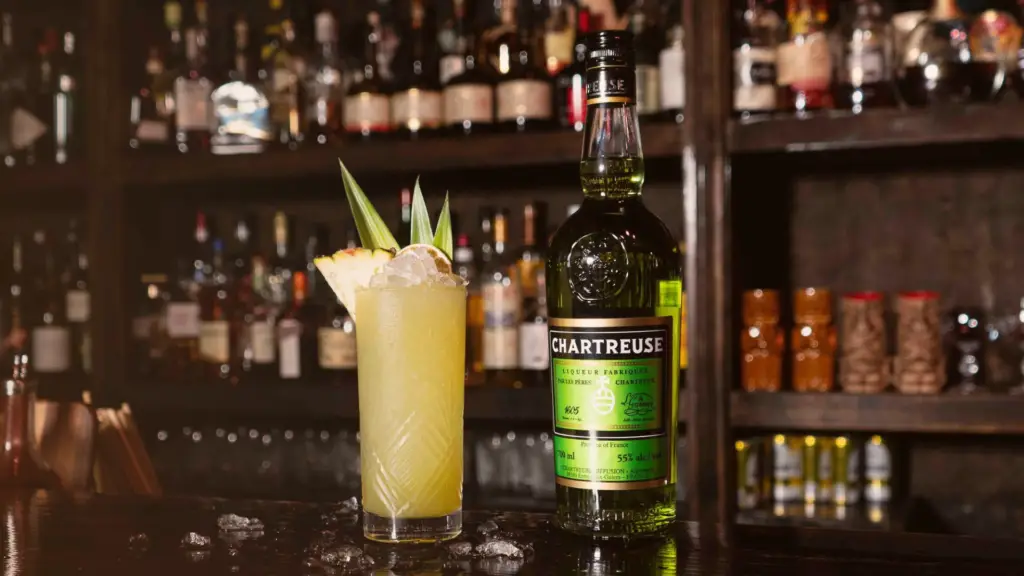
Some cocktails become important because they perfect an old structure. Others matter because they bring two unlikely worlds together and make the connection feel inevitable. The Chartreuse Swizzle belongs to the second group. Its foundation is Green Chartreuse, one of the most distinctive herbal liqueurs in the world, produced by Carthusian monks from a guarded […]
June 9, 2026
Discovery and Education
Bartender Tools : The Most Essential 10 Tools Every Bartender Needs
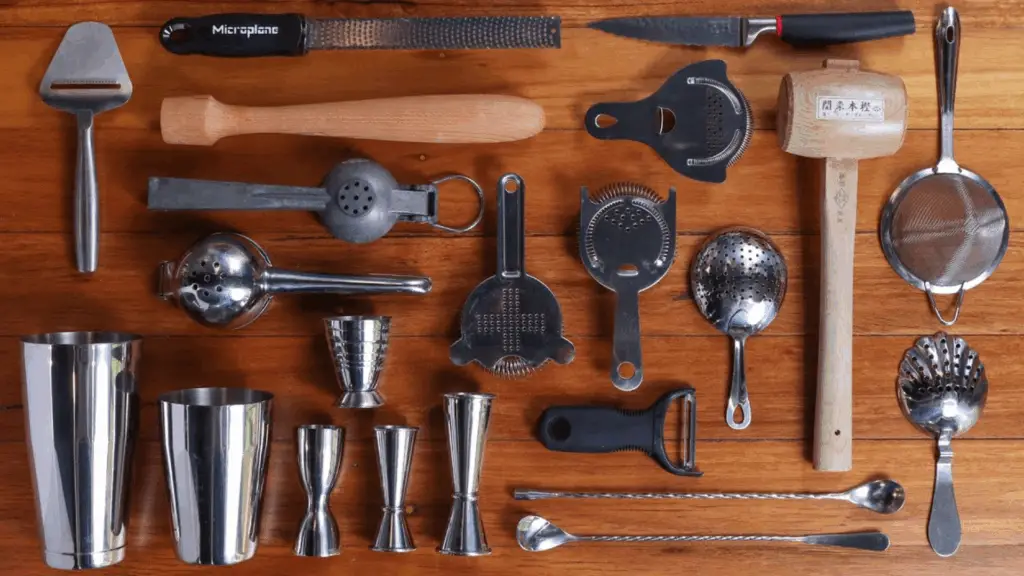
The Most Essential 10 Tools Behind every unforgettable cocktail lies more than just skill and imagination. It begins with the quiet rhythm of preparation, the gleam of polished metal, and the bartender’s tools that turn ingredients into experiences. The craft of bartending has evolved over centuries, yet the bartender tools remain symbols of precision, creativity, […]
November 8, 2025