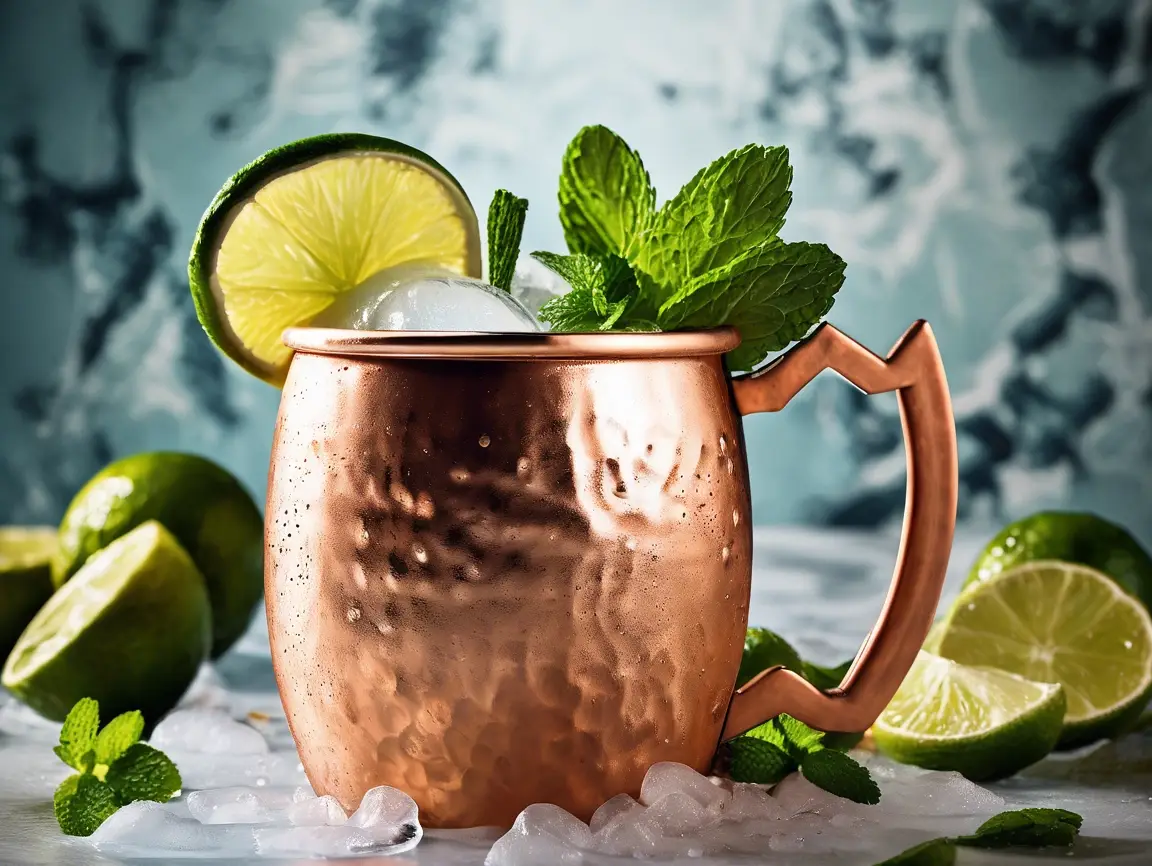
Among contemporary classics, few cocktails have achieved the universal appeal of the Moscow Mule. Recognized by its distinctive copper mug and its lively combination of vodka, ginger beer, and lime, the drink balances spice, sweetness, and freshness in perfect harmony. Over the years, it has become a staple in bars around the world, valued for its refreshing simplicity and unmistakable character. The Moscow Mule is not just a drink, but a symbol of how innovation and timing can turn a simple idea into a cultural phenomenon.
Origins and Cultural Context
The story of the Moscow Mule begins not in Russia but in Los Angeles in 1941. It was a creation born from necessity and creativity rather than tradition. John Martin, an American entrepreneur and distributor of Smirnoff vodka, was searching for ways to popularize his brand in a market unfamiliar with vodka. Around the same time, Jack Morgan, owner of the Cock and Bull bar on Sunset Boulevard, faced challenges selling his house-made ginger beer. When the two met, inspiration struck. They decided to combine vodka, ginger beer, and fresh lime juice over ice, serving it in copper mugs that Morgan’s girlfriend happened to have in surplus. The presentation was striking, and the drink’s flavor was irresistible.
Word spread quickly across Hollywood. Photographs of celebrities holding shimmering copper mugs helped turn the Moscow Mule into one of the most fashionable drinks of postwar America. Despite its Russian name, the cocktail was a purely American invention – a perfect blend of ingenuity and marketing that captured the spirit of its era.
The Making of a Classic
The charm of the Moscow Mule lies in its balance of simplicity and flavor. The recipe requires only three core ingredients yet delivers remarkable depth. Vodka provides the clean foundation, ginger beer adds bold spice and effervescence, and lime juice introduces brightness that ties the flavors together. Served over ice, the drink feels both cooling and invigorating, making it ideal for warm days or lively evenings. The copper mug, now synonymous with the cocktail, serves more than an aesthetic purpose. It keeps the drink icy cold while enhancing the aroma of lime and ginger with each sip.
Secrets to the Perfect Moscow Mule
The quality of a Moscow Mule depends entirely on the harmony between its ingredients. A premium vodka creates a smoother base and prevents harshness, while a high quality ginger beer adds natural spice and body. Freshly squeezed lime juice is essential for achieving the right brightness. Some bartenders add subtle twists, such as muddled mint for freshness or a splash of fruit puree for a seasonal touch. While variations abound, the essence of the Moscow Mule remains its clean, crisp balance. It is a drink that proves elegance can be found in simplicity.
Spirit Selection and Flavor Harmony
Vodka’s neutrality allows the supporting ingredients to shine. Its purity complements the lively heat of ginger beer and the tart freshness of lime. Together, they form a layered experience that begins with effervescence, deepens into warmth, and finishes with a cool citrus edge. The ginger beer’s spice is what gives the Moscow Mule its personality, while the vodka ensures the drink remains refined. For those who enjoy experimentation, substituting the vodka with rum or gin can create intriguing alternatives, yet the original combination continues to define the cocktail’s identity.
The Moscow Mule’s Cultural Legacy
The success of the Moscow Mule helped establish vodka as a leading spirit in the United States. Before its creation, whiskey and gin dominated American bars. The cocktail’s popularity in the 1950s and 1960s introduced a new generation to the clean, versatile qualities of vodka. It also revolutionized cocktail presentation, with the copper mug becoming one of the most recognizable symbols in mixology. Even today, the Moscow Mule remains a benchmark for balance, refreshment, and timeless design.
The Barlist Experience
Through Barlist, discovering and crafting the perfect Moscow Mule becomes an experience of exploration and refinement. The platform allows users to scan bottles, learn about premium vodkas and artisanal ginger beers, and personalize recipes with their preferred ingredients. Whether adding herbs, fresh fruit, or rare infusions, Barlist guides both enthusiasts and professionals in creating cocktails that match their taste. In celebrating the Moscow Mule, Barlist honors the idea that a great cocktail is more than a drink. It is a story of innovation, collaboration, and craftsmanship that continues to inspire new generations of mixologists and drinkers alike.


Bars and Cocktails
Hospitality and Cocktail Culture: The Foundation of Bartending
A well-made cocktail may earn attention, but hospitality determines the meaning of the exchange. It begins before an order is taken, in the way a guest is acknowledged, understood and given a place within the room. Bartending becomes hospitality when technical skill is directed towards another person rather than displayed for its own sake. Service […]
September 29, 2026
Partnership
Illegal Cocktail: The Mezcal Cocktail That Reframes the Daiquiri Structure
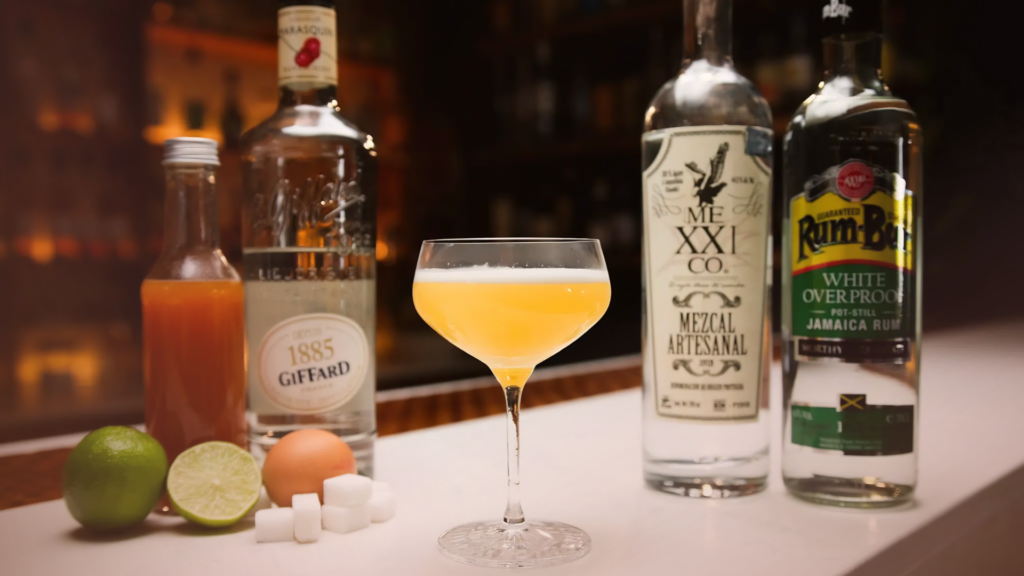
The Illegal cocktail follows a familiar outline, but the result is distinctly different. Built around mezcal, lime, falernum, maraschino, simple syrup, and a measure of Jamaican overproof rum, it takes the logic of a sour and shifts it into a drier, more aromatic profile. The drink is credited to Italian bartender Samuele Ambrosi, with its […]
September 24, 2026
Partnership
IBA Tiki: Codifying Tropical Structure Within Modern Cocktail Standards
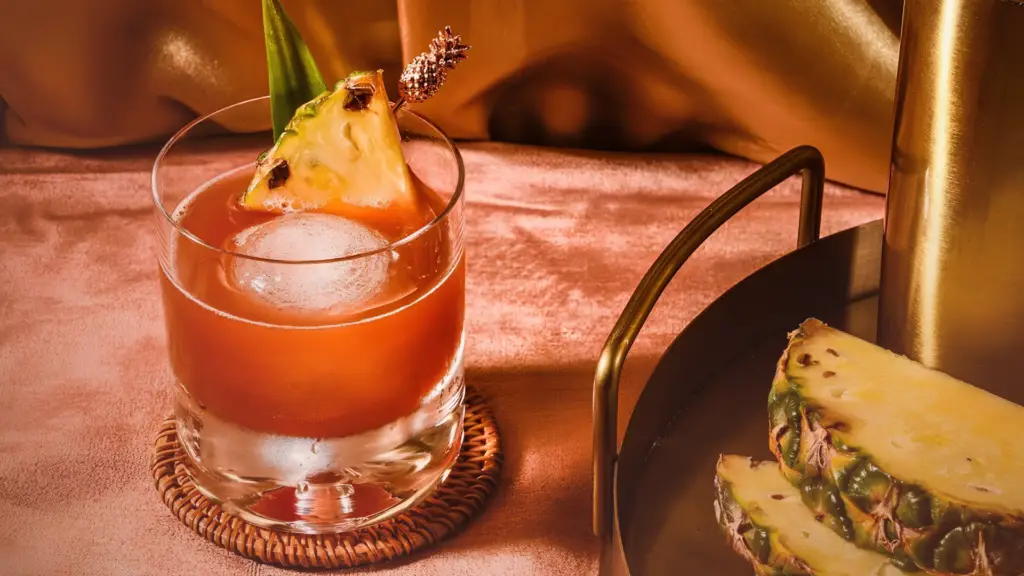
Tiki has never been a single drink, but in this case the name points to one specific modern cocktail. The IBA Tiki is not a broad label for tropical classics such as the Mai Tai or the Zombie. It is a defined drink connected to the International Bartenders Association, Cuban bartending culture, and a recent […]
September 17, 2026