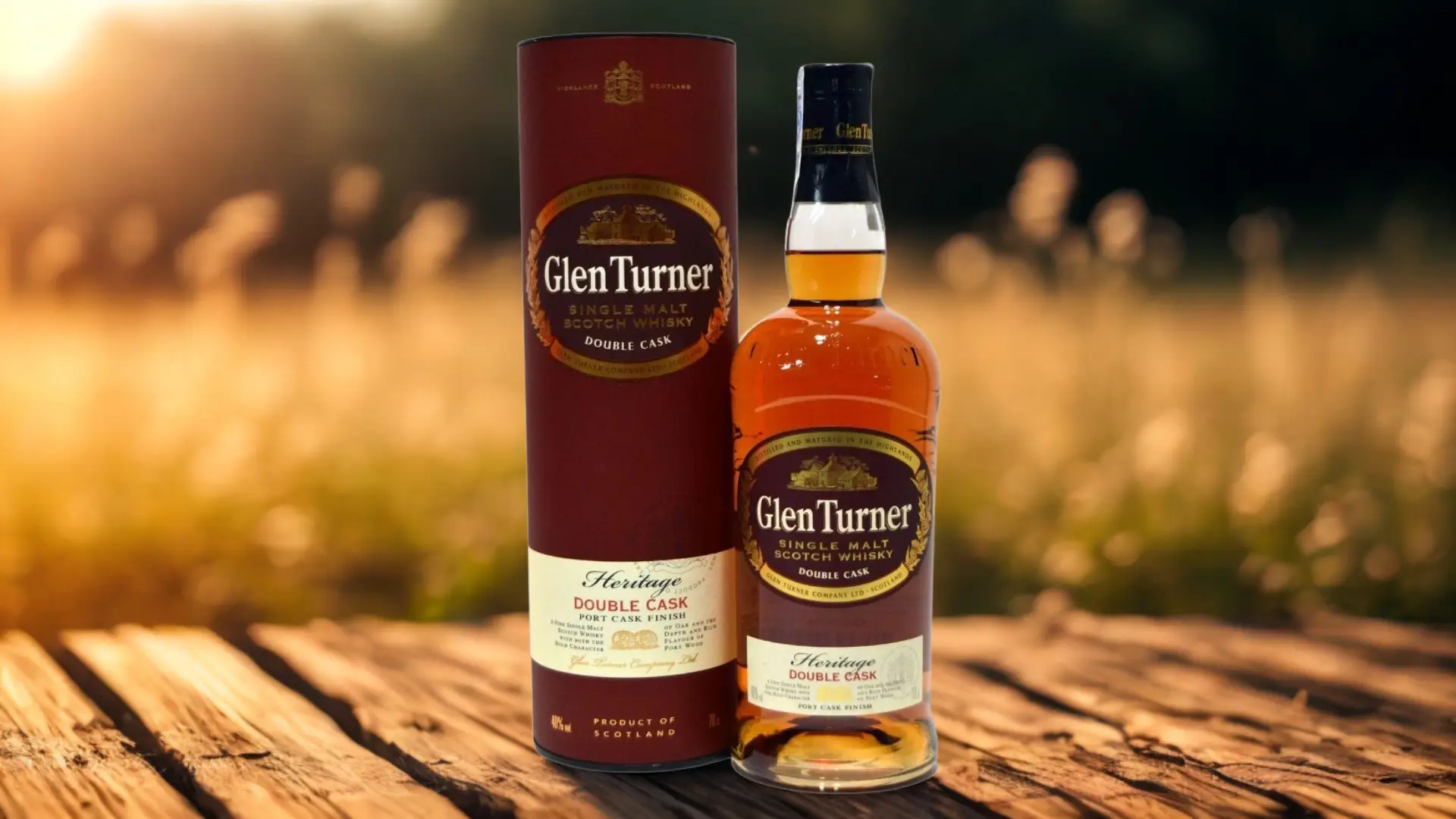
Few spirits capture the passage of time and the weight of tradition like whisky. Each bottle holds not just liquid but a legacy, one that stretches from misty glens and oak warehouses to centuries of innovation and craft. To explore whisky Heritage is to trace the story of human ingenuity, geography, and culture, all distilled into a single, amber expression.
Origins of an Ancient Craft
The earliest written reference to whisky appears in Scotland’s Exchequer Rolls of 1494, where a monk named Friar John Cor received malt to produce what was then called aqua vitae, the water of life. Yet whisky’s roots reach further back, linked to the distillation traditions of Ireland and the monasteries of medieval Europe, where spirits were first produced for medicinal and ceremonial use. When these techniques merged with the fertile barley fields and pure spring waters of the Scottish Highlands, whisky began to evolve from healing tonic to refined art.
The Expansion of Scotch Whisky Tradition
By the 17th century, whisky had become deeply embedded in Scottish and Irish life. Farm distillers produced it in small batches, using local grains and peat fires to dry the malt. Every region developed its own identity: Islay whiskies grew bold and smoky under the influence of sea air and peat, while Speyside became synonymous with elegance and fruit-forward balance. The Highlands produced whiskies of power and spice, and the Lowlands offered lighter, more floral expressions.
As demand grew, the British government began taxing production in the 1700s, pushing much of it underground. Smugglers and illicit distillers thrived, their work forming part of whisky folklore. When licensing laws relaxed in the 1820s, legitimate distilleries flourished, including iconic names such as The Glenlivet, Strathisla, and GlenDronach. These early pioneers shaped what would become one of the world’s most respected spirits industries.
The Art of Maturation and Blending
One of the greatest turning points in whisky’s story came with the discovery of oak cask maturation. Aging transformed the fiery raw spirit into something smoother, richer, and deeply aromatic. The practice of blending, perfected in the 19th century by visionaries like John Walker and James Chivas, brought consistency and refinement to the spirit. Blended Scotch became the face of whisky worldwide, while single malts continued to define regional character and authenticity.
Across the Atlantic, whisky took on a new form. Immigrants carried distilling knowledge to the New World, giving rise to bourbon and rye. American distillers embraced corn and charred oak barrels, producing a sweeter, fuller-bodied style that would one day rival Scotch in global influence. Together, these traditions formed two distinct yet connected chapters in whisky’s enduring legacy.
Innovation Rooted in Respect
Modern distillers stand on centuries of tradition, yet the spirit continues to evolve. From Japan’s meticulous approach at Yamazaki and Hakushu to the revival of Irish pot still whiskey, innovation has become a hallmark of whisky’s global identity. Contemporary producers experiment with new grains, cask finishes, and aging environments, proving that progress need not abandon heritage.
Sustainability has also become central to modern whisky-making. Distilleries increasingly use renewable energy, local sourcing, and circular production systems to minimize environmental impact. This alignment of innovation and responsibility mirrors whisky’s original philosophy, respect for land, water, and time.
The Enduring Spirit of Whisky Heritage
At its core, whisky remains a dialogue between man and nature. The distiller may control the process, but time, air, and oak complete the work. Each cask develops its own personality, shaped by microclimate, humidity, and wood grain. Patience becomes both method and virtue, and what emerges after years of silence is something that carries memory and emotion.
To pour a glass of whisky is to participate in a living tradition. Every drop connects past to present, from the monks who first distilled it to the master blenders who now shape its future. For the Barlist community, whisky is not just a drink but a chronicle of human craft, a spirit that continues to age gracefully alongside the cultures that created it.
Whisky’s heritage is a reminder that true artistry endures through respect for its roots. Whether enjoyed in a quiet study or shared among friends, it invites reflection on what time, care, and authenticity can achieve. It is not only the story of a spirit but a story of us, distilled, matured, and everlasting.

Barlist
Welcome to Barlist, where every drop tells a story
At Barlist, we live and breathe the art of spirits. Every bottle, every glass, every drop carries a story waiting to be told. With Barlist, we bring those stories to life- a place where flavours meet histories, and where true craftsmanship shines through tens of thousands of spirits and distilleries worldwide. Whether you’re a seasoned […]
March 9, 2026
Distilleries & Producers
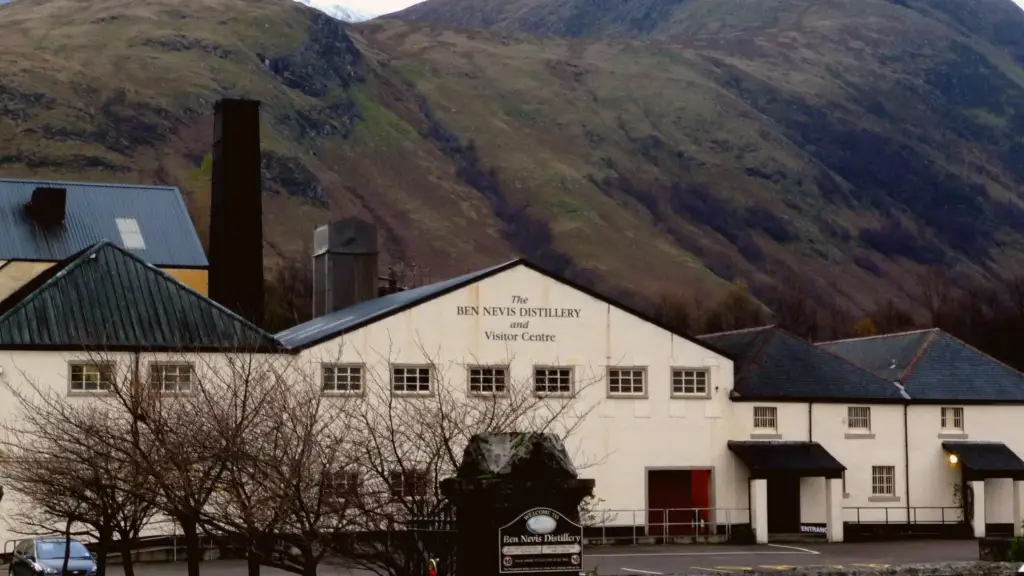
The Ben Nevis Distillery: From Long John MacDonald to Modern Ownership
At the foot of Britain’s highest mountain, Ben Nevis Distillery has lived a history defined less by continuity than by interruption. While many Highland distilleries trace a steady arc from founding to present day, Ben Nevis has moved in cycles of ambition, collapse, silence, and revival. Its story reveals how geography, capital, and global demand […]
February 24, 2026
Distilleries & Producers
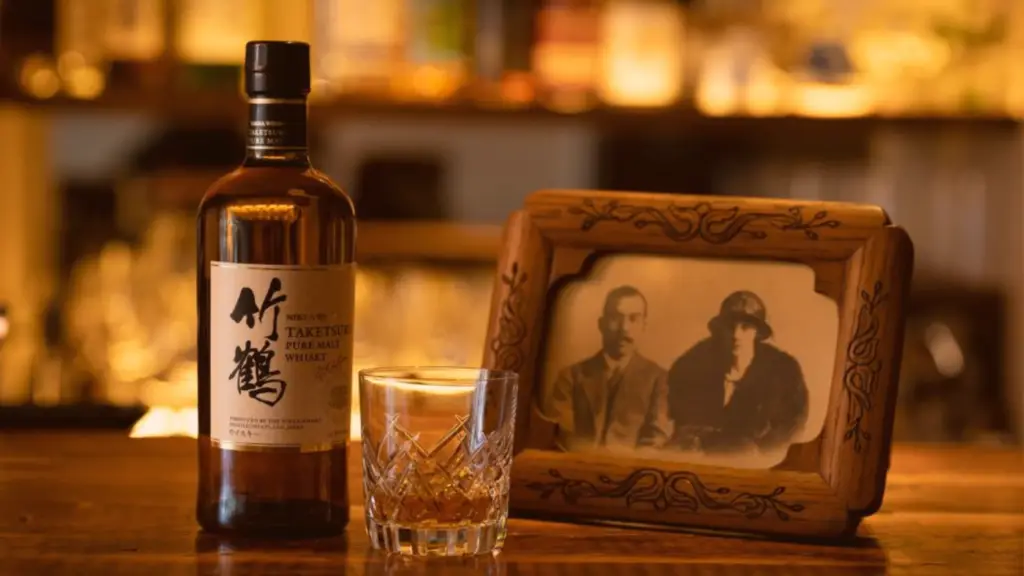
Masataka Taketsuru and the Birth of Japanese Whisky
Japanese whisky did not emerge through imitation alone. It was the result of deliberate study, cultural translation, and long-term commitment to process. At the center of this story stands Masataka Taketsuru, a chemist whose exposure to Scottish distilling practices in the early twentieth century reshaped how whisky would be understood and produced in Japan. Taketsuru’s […]
February 4, 2026