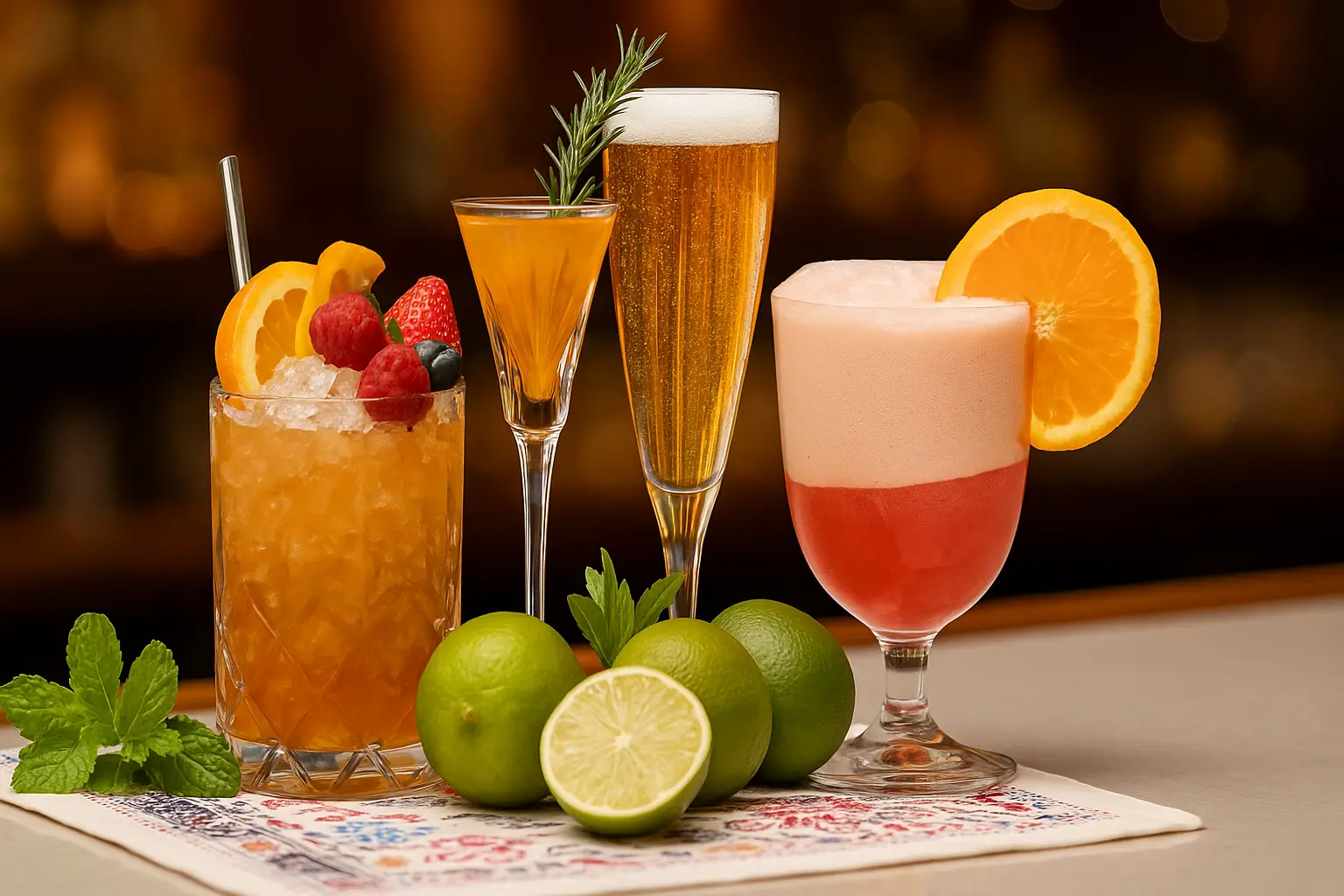
The rise of low-ABV cocktails may seem like a modern wellness trend, but its roots stretch back nearly two centuries. Long before the term “sessionable drinking” entered the bartender’s lexicon, one drink defined this style: the Sherry Cobbler. Sweet, refreshing, and modest in strength, it became one of the most fashionable cocktails of the 19th century and remains an icon for today’s low-ABV revival.
The first known reference to the Sherry Cobbler appears in the 1830s in the United States, during a time when cobblers were a popular style of drink built over crushed ice and flavored with sugar and fruit. What distinguished the Sherry Cobbler was its use of fortified wine instead of spirits. With a base of sherry, typically Amontillado or Oloroso imported from Spain, it offered both complexity and refreshment without overwhelming strength.
A 19th-Century Sensation
By the 1840s, the Sherry Cobbler had exploded in popularity. The American author Washington Irving mentioned it in his 1832 travelogue, while British traveler Captain Frederick Marryat described it in his 1839 book Diary in America, marveling at its crushed ice and straw service. In fact, the Sherry Cobbler is often credited as the first cocktail to popularize the drinking straw, an innovation that quickly became standard in bar culture.
The drink became a symbol of hospitality. It was simple to prepare, visually striking with garnishes of orange slices and berries, and light enough to enjoy several over an evening. In an age before refrigeration, its reliance on crushed ice made it both a novelty and a showcase of American bartending ingenuity. By the late 19th century, it was one of the most frequently ordered drinks in the United States, helping cement sherry’s place in cocktail history.
Decline and Survival
The arrival of Prohibition in the 1920s hastened the Cobbler’s decline. Stronger cocktails and the secrecy of speakeasy culture came to define drinking, pushing low-ABV options aside. Yet the Sherry Cobbler never disappeared entirely. It lingered in bartending guides as a nostalgic favorite and found occasional presence in hotel bars, where lighter drinks retained their appeal for guests seeking elegance rather than potency.
Modern Revival
The contemporary resurgence of the Sherry Cobbler mirrors the broader low-ABV (low-ABV cocktails) drinking movement. As drinkers seek moderation without sacrificing flavor, bartenders around the world have revived this classic. In London, New York, and Tokyo, the Cobbler has returned to menus, often updated with seasonal fruits, flavored syrups, or sparkling wine toppers. Its adaptability has made it a versatile canvas for creativity while still honoring its origins.
Global Appeal and Influence
The Sherry Cobbler was not confined to the United States. By the mid-19th century it had crossed the Atlantic, appearing in the bars of London and Paris, where its exotic mix of crushed ice and imported sherry fascinated European drinkers. Newspapers of the era reported that visitors to America considered the Cobbler an essential experience, and its popularity helped spread American bartending culture abroad. The drink also reinforced sherry’s position in the global market, linking Spanish producers directly to fashionable social circles thousands of miles away.
Though its fame waned with the arrival of stronger, spirit-forward cocktails, the Sherry Cobbler left behind a legacy of elegance and accessibility. Its balance of sweetness, fruit, and fortified wine marked a departure from the harsher drinks of the day, proving that cocktails could be as much about refinement as potency. This influence continues to echo in modern low-ABV creations.
A Cocktail for Today’s Drinking Culture
Low-ABV cocktails like the Sherry Cobbler reflect a cultural shift in how people approach drinking. The focus today is less on excess and more on experience, longer conversations, multiple rounds, and appreciating craft without losing clarity or control. In this sense, the Sherry Cobbler has found new relevance, proving that lighter cocktails can offer just as much satisfaction as their stronger counterparts.
Lasting Legacy
Nearly two hundred years after its debut, the Sherry Cobbler stands as proof that cocktail culture has always embraced lighter, sessionable pleasures. It is a reminder that flavor and refreshment need not come at the cost of strength. Sometimes, the most enduring stories in drinking are not about power, but about poise and balance.


Bars and Cocktails
Hospitality and Cocktail Culture: The Foundation of Bartending
A well-made cocktail may earn attention, but hospitality determines the meaning of the exchange. It begins before an order is taken, in the way a guest is acknowledged, understood and given a place within the room. Bartending becomes hospitality when technical skill is directed towards another person rather than displayed for its own sake. Service […]
September 29, 2026
Partnership
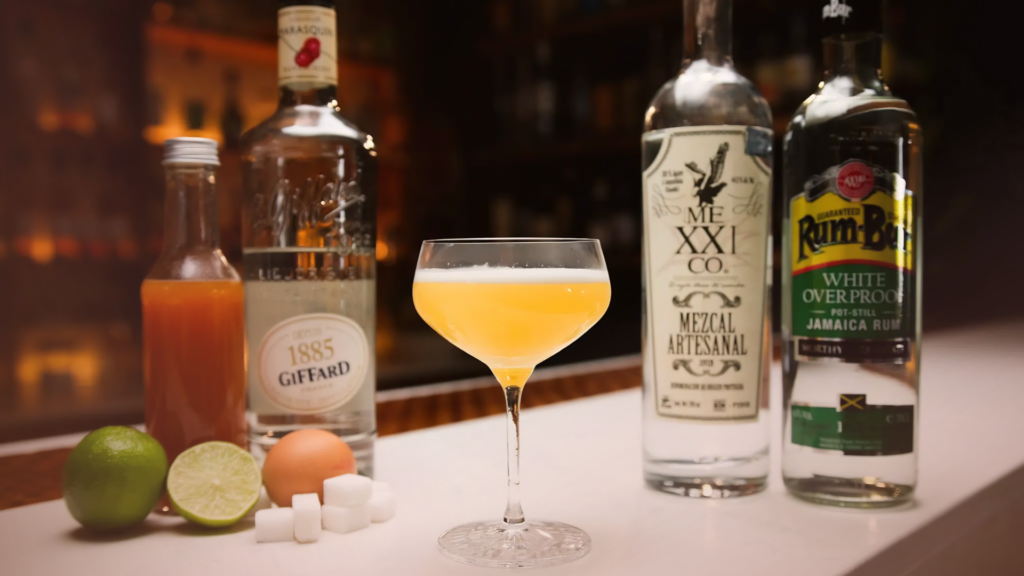
Illegal Cocktail: The Mezcal Cocktail That Reframes the Daiquiri Structure
The Illegal cocktail follows a familiar outline, but the result is distinctly different. Built around mezcal, lime, falernum, maraschino, simple syrup, and a measure of Jamaican overproof rum, it takes the logic of a sour and shifts it into a drier, more aromatic profile. The drink is credited to Italian bartender Samuele Ambrosi, with its […]
September 24, 2026
Partnership
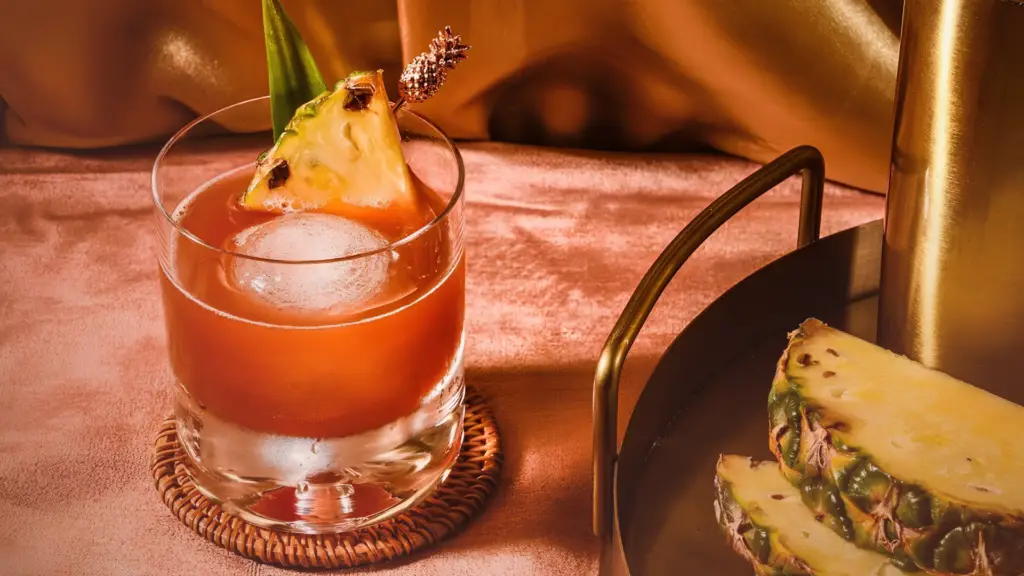
IBA Tiki: Codifying Tropical Structure Within Modern Cocktail Standards
Tiki has never been a single drink, but in this case the name points to one specific modern cocktail. The IBA Tiki is not a broad label for tropical classics such as the Mai Tai or the Zombie. It is a defined drink connected to the International Bartenders Association, Cuban bartending culture, and a recent […]
September 17, 2026