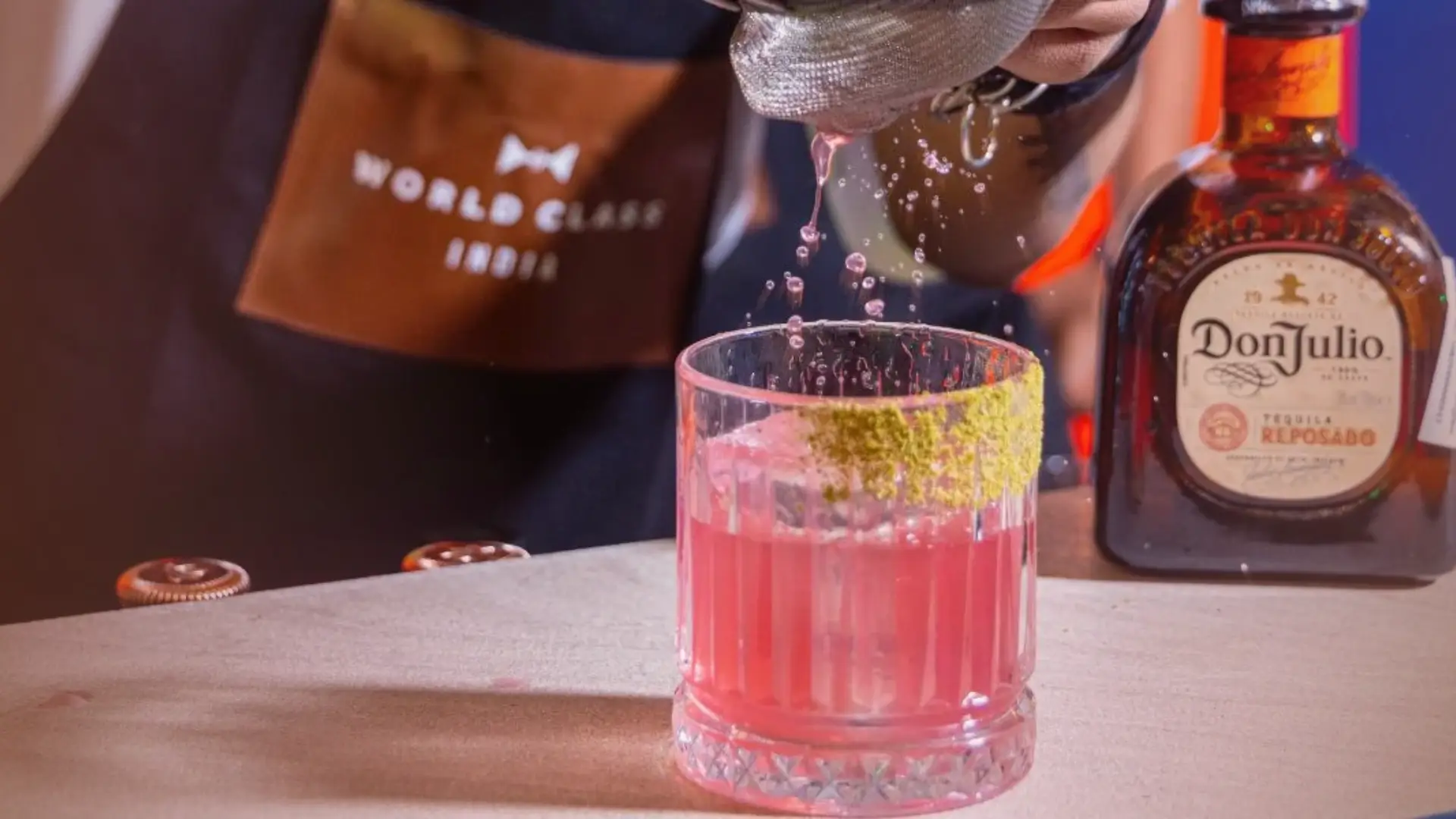
From bartender competition to global industry platform
The modern cocktail world has developed far beyond the traditional image of the bartender as a skilled server behind a bar. Over the past two decades, bartending has increasingly been recognised as a professional discipline built on technical knowledge, hospitality, creativity and a deeper understanding of spirits. Few initiatives represent this evolution more clearly than World Class, the global bartender competition and education platform created by Diageo Reserve.
Established in 2009, World Class was designed to identify and support leading bartending talent worldwide. What began as an international competition has grown into a broader programme involving education, industry development, and the exchange of ideas between bartenders across markets. Through national competitions and global finals, the platform has helped create a shared professional language for modern bartending.
The significance of World Class lies not only in the search for an individual winner. The competition reflects a broader transformation within the hospitality industry, where bartenders have become recognised for their role in shaping drink culture, interpreting ingredients and creating experiences for guests. The profession increasingly combines elements of craftsmanship, culinary thinking and cultural storytelling.
The planned World Class Global Final 2026 in Dubai represented another stage in this development. The original decision to bring the event to the United Arab Emirates demonstrated the growing importance of the Middle East within international hospitality. Although the final location was later changed, the selection of Dubai highlighted how global beverage culture is expanding beyond its traditional centres.
The Spirits and Cocktails Behind Modern Bartending
Modern bartending is built on a deeper understanding of the spirits behind the bar. Professional bartenders study not only technique, but also the production methods, heritage and flavour profiles that define different categories, from whisky and gin to tequila and rum.
Premium spirits such as Johnnie Walker Blue Label, Tanqueray No. Ten, Don Julio and Zacapa represent different approaches to craftsmanship and production, giving bartenders a wider vocabulary for creating and interpreting cocktails.
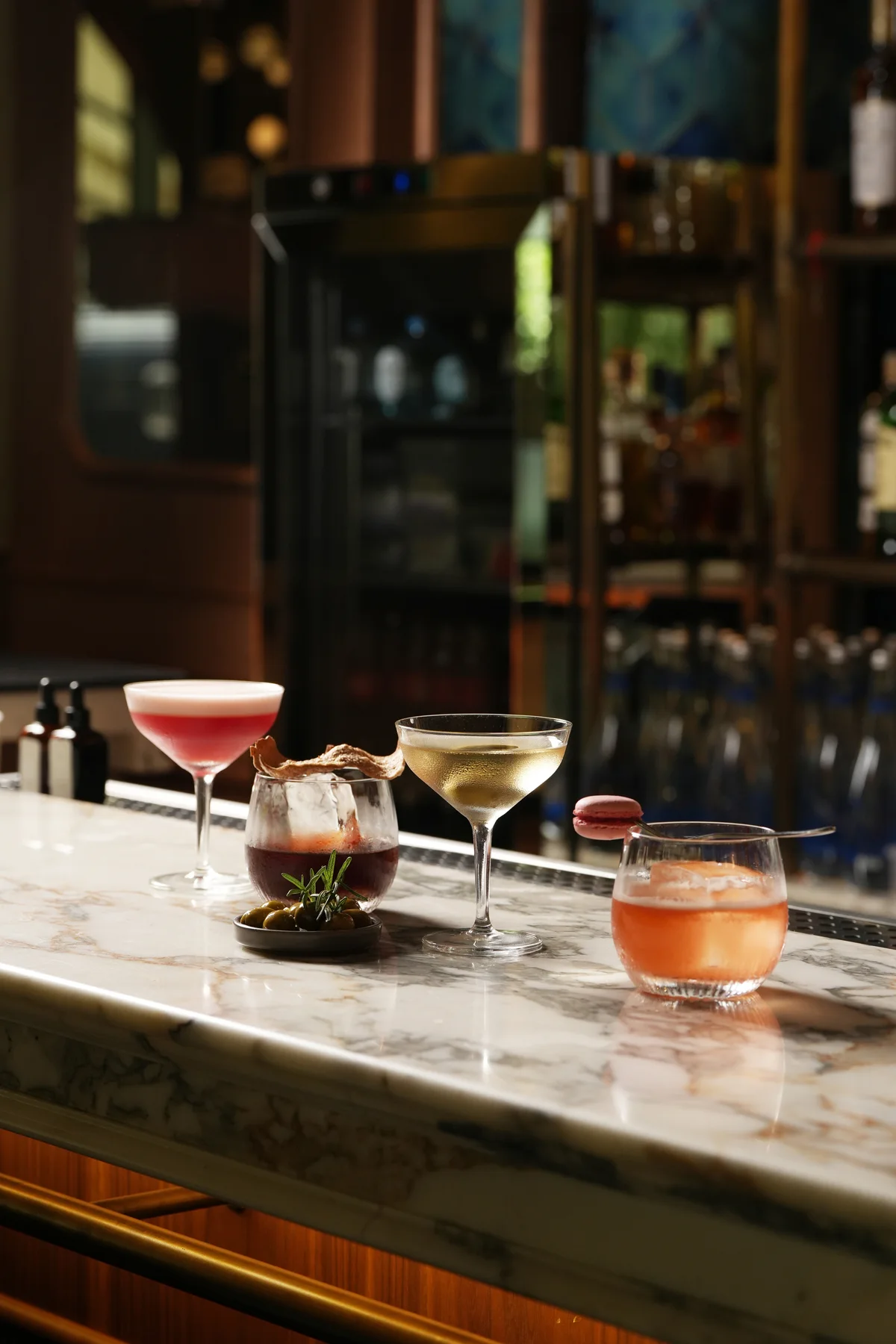
Classic serves including the Martini, Old Fashioned and Negroni continue to influence contemporary bar culture because they demonstrate balance, precision and respect for ingredients. Competitions such as World Class reflect this broader movement, where bartenders combine technical skill with knowledge of spirits history and cocktail tradition.
The skills behind a World Class bartender
The modern World Class bartender is judged on far more than the ability to prepare a technically correct drink. International competitions have increasingly focused on creativity, precision, knowledge of spirits, presentation and the ability to understand hospitality as a complete experience.
A successful competitor must demonstrate an understanding of flavour, ingredients and production methods while also responding to changing expectations from the modern guest. This reflects a wider movement within the bar industry, where professionals are expected to understand the history and identity behind the spirits they use.
The development of this approach has changed how the profession is perceived. Bartenders are no longer viewed only through the narrow definition of service staff. Many have become educators, consultants and cultural representatives who connect producers, spirits and consumers through their work.
World Class has contributed to this shift by creating a global stage where bartenders from different countries can exchange ideas and demonstrate different interpretations of hospitality. The competition provides a meeting point between established traditions and emerging approaches from newer markets.
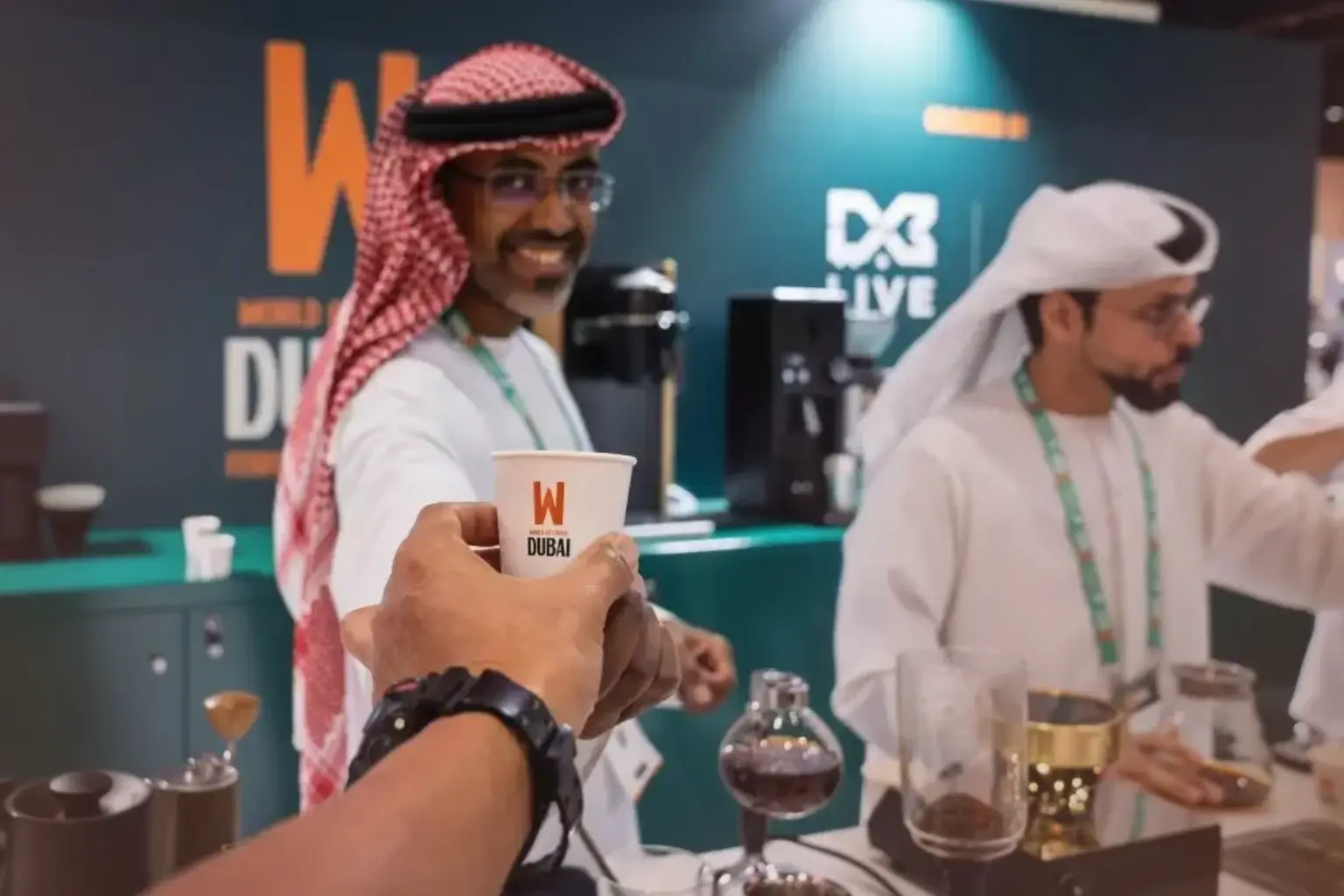
Why global competitions matter to bar culture
International bartender competitions have become important indicators of how the drinks industry is changing. They provide opportunities for professionals to share techniques, develop networks and represent the character of their own markets on a global stage.
The national competitions that lead to the World Class Global Final also reveal how cocktail culture has expanded internationally. Countries that historically had limited visibility in the global bar scene now have opportunities to develop their own communities of bartenders and showcase local perspectives.
In the United Arab Emirates, the growth of the competition reflected the development of a more established hospitality sector. Bartenders such as Sharfin Auni, who represented the UAE after winning the national competition, demonstrated the increasing professional standards developing within the region.
The importance of these competitions is therefore not limited to the final result. They document the changing identity of the global bar industry and show how knowledge, creativity and professional recognition are becoming increasingly international.
Why Dubai became a symbol of hospitality expansion
For much of modern history, global cocktail culture was associated with cities such as London, New York, Paris and later Tokyo and Singapore. These locations developed strong reputations through historic bars, influential bartenders and established hospitality traditions.
Dubai represents a different path. Its influence has developed rapidly through international investment, global hotel groups and a hospitality industry built around connecting different cultures. The city’s position as a major international destination has attracted chefs, beverage professionals and hospitality brands from around the world.
The growth of Dubai’s bar scene reflects wider changes in the global hospitality landscape. Modern drinking culture is no longer shaped exclusively by cities with long-established traditions. New destinations can become influential when they combine international talent, investment and a diverse audience.
The decision to select Dubai as the intended host city for World Class Global Final 2026 reflected this changing reality. It acknowledged the city’s position as an important meeting point between established global hospitality practices and emerging regional creativity.
A global final that reflected a regional shift
The announcement of Dubai as the host city for World Class Global Final 2026 was significant because it represented recognition of the Middle East’s expanding role within international cocktail culture. The event was expected to bring together leading bartenders from around the world while placing Dubai at the centre of a global industry conversation.
However, the final was later relocated due to regional security concerns, with the competition moving to Scotland. Diageo stated its continued commitment to Dubai and its intention to bring the event back to the city in the future.
The change of location did not remove the significance of the original decision. The selection of Dubai demonstrated that the geography of global hospitality is evolving. Cities outside traditional cocktail capitals are increasingly becoming important spaces for innovation, investment and professional exchange.
The story of World Class 2026 is therefore not only about where a competition takes place. It reflects a wider industry movement in which new regions are gaining influence and contributing to the future direction of bar culture.
The future of international bartending
The future of bartending will likely continue to be shaped by a wider range of cities, cultures and professional communities. As international competitions expand, they provide a record of how the industry develops and how different regions contribute new ideas.
The next generation of bartenders will operate in an environment where knowledge travels quickly between markets. Traditional techniques, regional ingredients and modern hospitality concepts will increasingly influence each other.
World Class represents one part of this wider transformation. Its importance comes from documenting a period when bartending moved further towards professional recognition and when the global conversation around cocktails became more geographically diverse.
Dubai’s connection with World Class 2026 illustrated this shift. The city’s selection as a host reflected the changing balance of influence within hospitality, where emerging destinations are becoming active contributors to the future of global bar culture.
The story of World Class 2026 reflects a broader change within the drinks industry. The modern bar world is no longer defined only by a small group of historic capitals. Professional communities across different regions are increasingly shaping how hospitality, creativity and spirits knowledge are understood.
Dubai’s involvement demonstrated how rapidly the centre of global attention can expand when a city develops the infrastructure, ambition and international connections required to support a world-class hospitality scene. World Class continues to serve as a reflection of this evolving landscape, where bartending is recognised not simply as a service role, but as a professional discipline connected to culture, craftsmanship and global exchange.
Cocktail
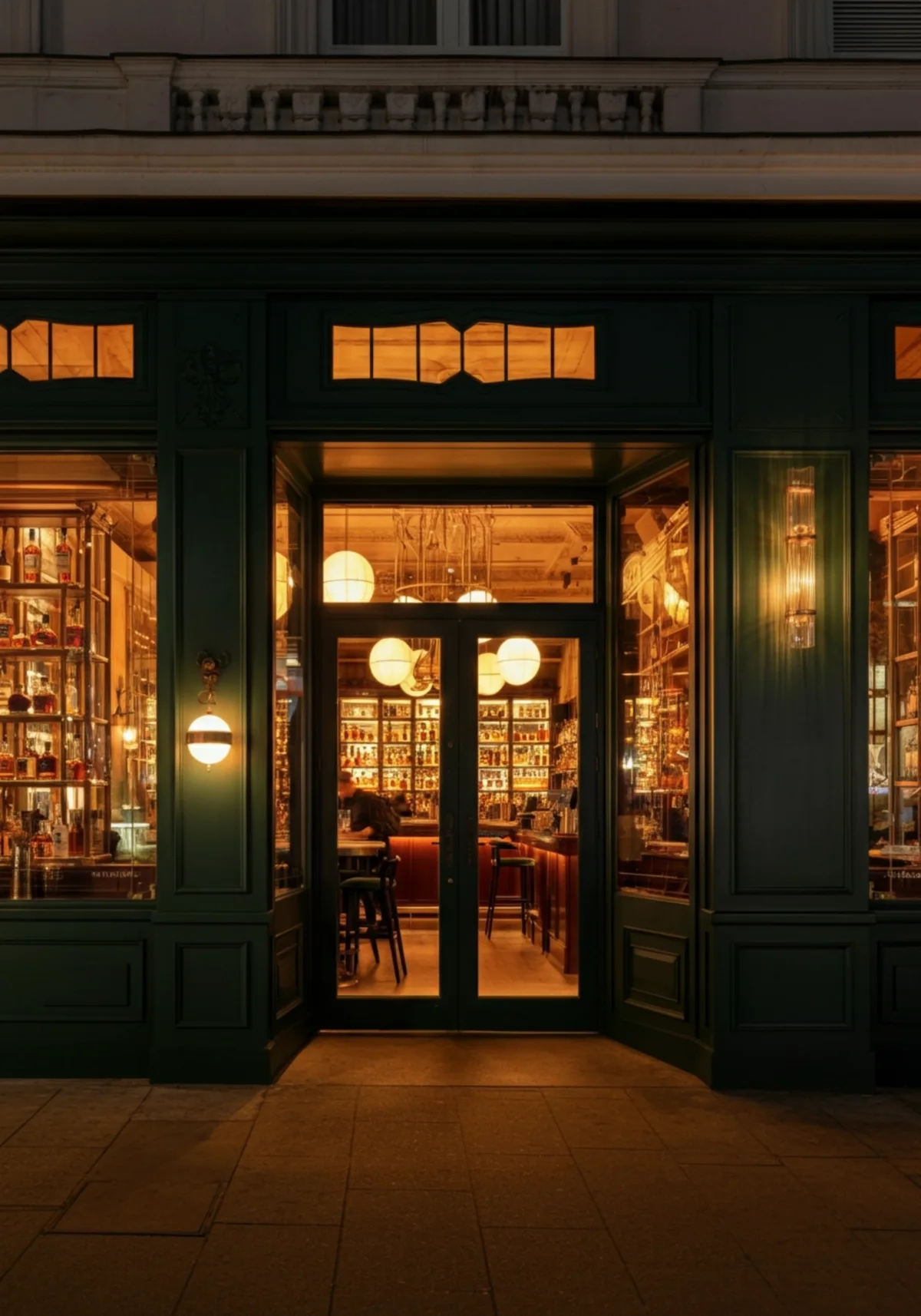
The Martini is perhaps the most iconic cocktail in the world, a symbol of elegance, sophistication, and modernity.…
Spirit
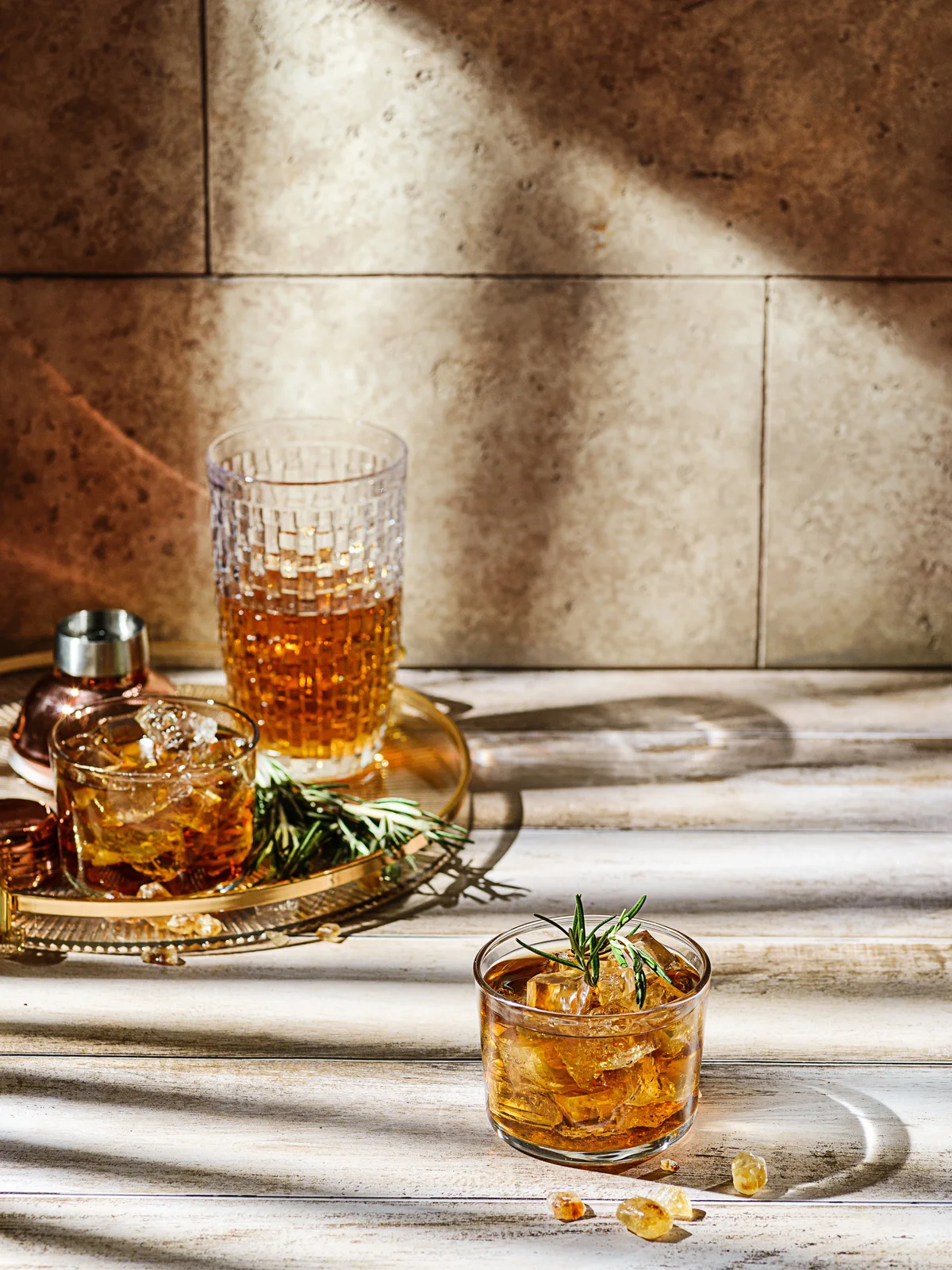
Mortlach Midnight Dusk Diageo Special Releases 2024 Single Malt Whisky
Mortlach Midnight Dusk is a remarkable addition to Diageo's Special Releases collection for 2024, showcasing the brand's commitment…
Spirit
Tanqueray No. TEN is an exceptional ultra-premium gin that has garnered immense acclaim since its introduction. Masterfully distilled…
Spirit
Don Julio 1942 Añejo Tequila is a premium spirit handcrafted in tribute to the year that Don Julio…
Spirit
Johnnie Walker Blue Label Of the Rabbit Whisky
Johnnie Walker Blue Label Year Of the Rabbit is a limited-edition release from one of Scotland's most storied…
Partnership
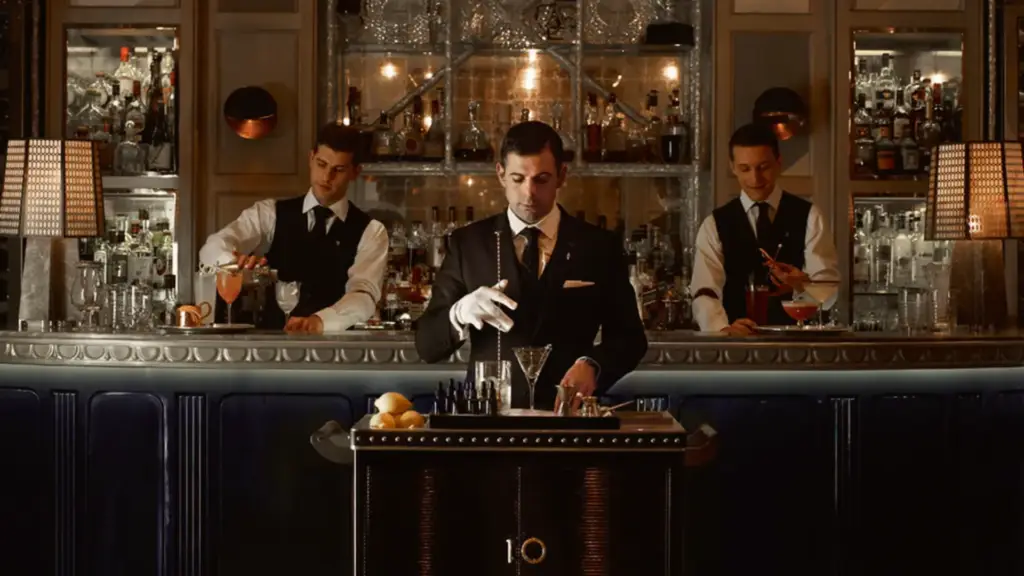
The Connaught Bar: Precision, Ritual, and the Martini That Set the Standard
Some bars are defined by their drinks. Others by their atmosphere. At Connaught Bar, it is service that holds everything together. Tucked within The Connaught in London, the bar has, over time, established itself as a reference point for what modern classic bartending can look like when precision and ritual are treated as inseparable. This […]
August 1, 2026
Partnership
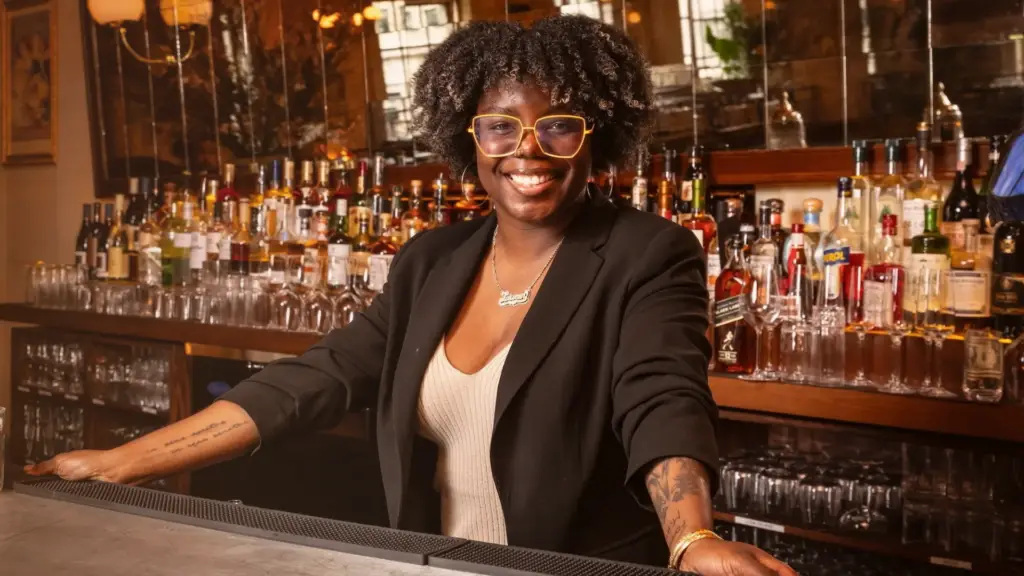
Craft and the Discipline Behind Modern Bartending
Craft in bartending is sometimes presented as a recent movement, but the habits it describes are much older than the modern language surrounding them. Careful preparation, command of tools, responsible handling of ingredients and consistency during service have long distinguished serious bar work. Craft is therefore best understood not as a fashion or visual style, […]
July 21, 2026
Barlist
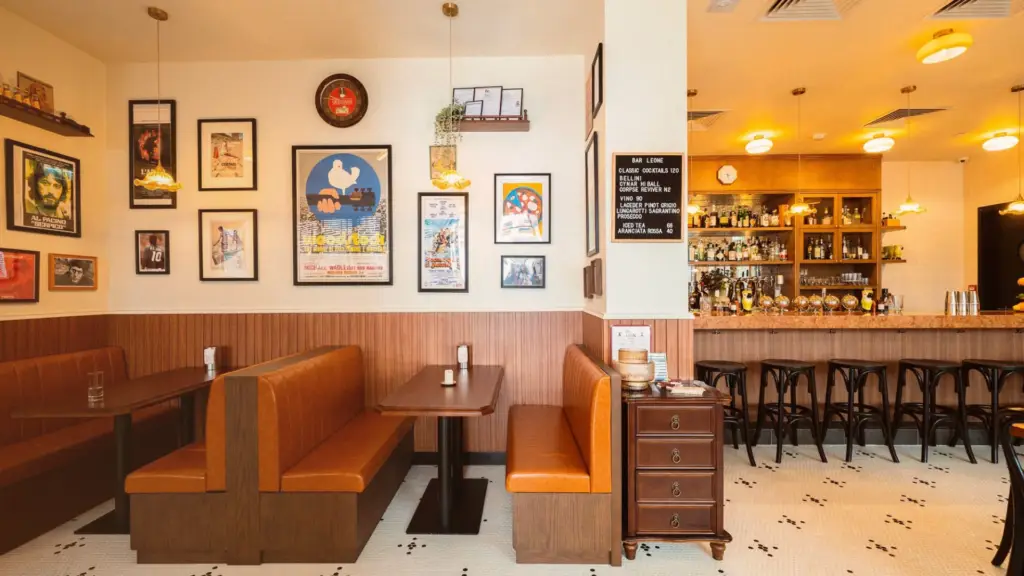
Bar Leone: Precision, Aperitivo Culture, and the Martini Reimagined in Hong Kong
In a city that rarely slows down, Bar Leone opened in Hong Kong in 2023 with a notably different rhythm. There was no attempt to compete through spectacle or technical theatre. Instead, the bar established itself through clarity of purpose, disciplined execution, and a deeply human understanding of what a bar should feel like. Within […]
July 4, 2026