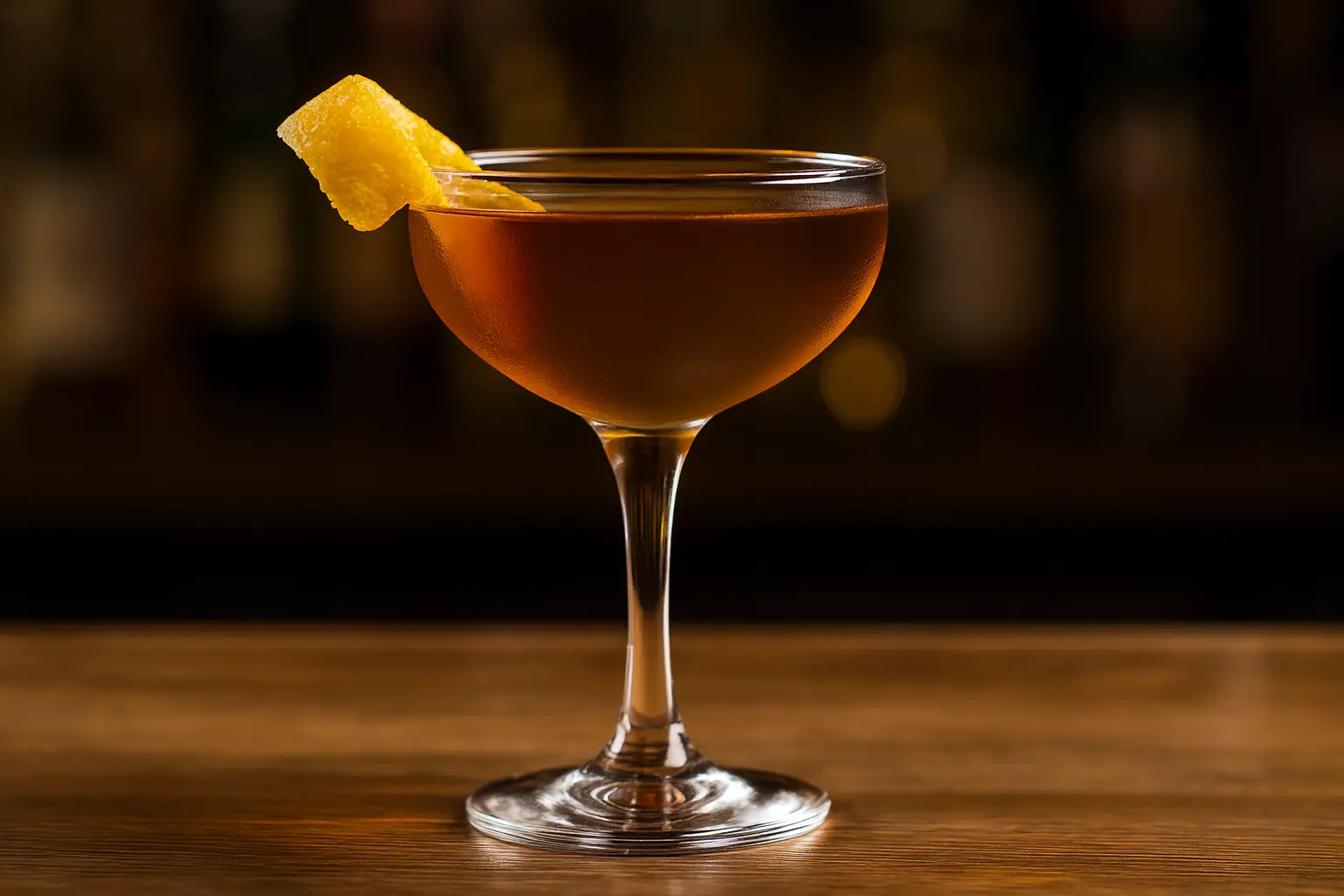
The exact origins of the Martinez cocktail remain a matter of spirited debate, but what is clear is its role as the direct forerunner of the modern Martini. Long before James Bond ordered his drink “shaken, not stirred,” bartenders in 19th-century America were already perfecting this elegant blend of gin and vermouth.
Early Origins of The Martinez Cocktail and Jerry Thomas
One of the earliest written references comes from Jerry Thomas, often called the “father of American mixology.” In the 1887 edition of The Bartender’s Guide, Thomas includes a recipe for the Martinez. By this account, the drink was likely being served at his bar in San Francisco during the 1860s and 1870s. Some historians argue that Thomas invented it while working at the Occidental Hotel, while others suggest it was first mixed in the nearby town of Martinez, California, giving the drink its name.
The Martinez Cocktail also reflected the influence of Europe on American bartending. The adoption of Italian vermouth, a relatively new import in the mid-19th century, signaled a shift toward greater internationalism in cocktails. Bartenders were beginning to combine domestic spirits with European liqueurs and fortified wines, creating a new global language of flavor. The Martinez was at the forefront of this trend, its very DNA a blend of Old World and New World traditions.
As the late 19th century progressed, London Dry gin became the international standard. Bartenders gradually reduced the sweetness, increased the proportion of dry vermouth, and eventually omitted the maraschino. By the early 1900s, this evolution produced what we now know as the classic Martini.
A Transitional Drink
Whatever its birthplace, the Martinez Cocktail reflects a fascinating moment in cocktail history. It bridged the sweeter, heavier style of 19th-century drinks with the cleaner, drier character that would later define the Martini. Originally, the Martinez was made with Old Tom gin, a sweeter style of gin popular in the 1800s. It was mixed with sweet Italian vermouth, a touch of maraschino liqueur, and aromatic bitters. The result was rich, slightly sweet, and deeply herbal.
As the late 19th century progressed, London Dry gin became the international standard. Bartenders gradually reduced the sweetness, increased the proportion of dry vermouth, and eventually omitted the maraschino. By the early 1900s, this evolution produced what we now know as the classic Martini (Martinez Cocktail).
Changing Tastes
The shift reflected broader cultural movements. By the 1910s and 1920s, drinkers were seeking cleaner and sharper flavors. The Martini, with its stark mix of London Dry gin and dry vermouth, captured the energy of the Jazz Age and Prohibition-era America. Yet without the Martinez, the Martini’s path would not have been possible.
Decline and Rediscovery
For much of the 20th century, the Martinez faded into obscurity, eclipsed by the Martini’s glamour and ubiquity. It wasn’t until the cocktail renaissance of the late 1990s and early 2000s that bartenders began to revive it. Influential figures such as Audrey Saunders in New York and Gary Regan in London championed forgotten pre-Prohibition recipes, placing the Martinez back on menus and restoring its reputation as a vital link in cocktail history.
The Martinez Today
Today, the Martinez Cocktail enjoys a respected place on bar menus from San Francisco to Tokyo. It is celebrated for its balance of sweetness, bitterness, and botanical depth. Some bartenders prepare it with Old Tom gin for historical accuracy, while others prefer London Dry for a sharper profile. In either form, it remains one of the most elegant cocktails ever devised.
A Living Legacy
The Martinez Cocktail is more than a historical curiosity. It is a living reminder of how cocktails evolve with time, taste, and culture. It connects us to the bartenders of 19th-century America, to pioneers like Jerry Thomas who codified recipes, and to the shifting palates that shaped the Martini. By ordering a Martinez today, one participates in a story stretching back over 150 years, from the Occidental Hotel in San Francisco to today’s speakeasy-inspired bars.
For the Barlist community, the Martinez exemplifies the mission of discovering, learning, and sharing the heritage of spirits and cocktails. It is a drink that invites conversation: about where it began, how it changed, and why it still matters.

Barlist
Welcome to Barlist, where every drop tells a story
At Barlist, we live and breathe the art of spirits. Every bottle, every glass, every drop carries a story waiting to be told. With Barlist, we bring those stories to life- a place where flavours meet histories, and where true craftsmanship shines through tens of thousands of spirits and distilleries worldwide. Whether you’re a seasoned […]
March 9, 2026
Distilleries & Producers
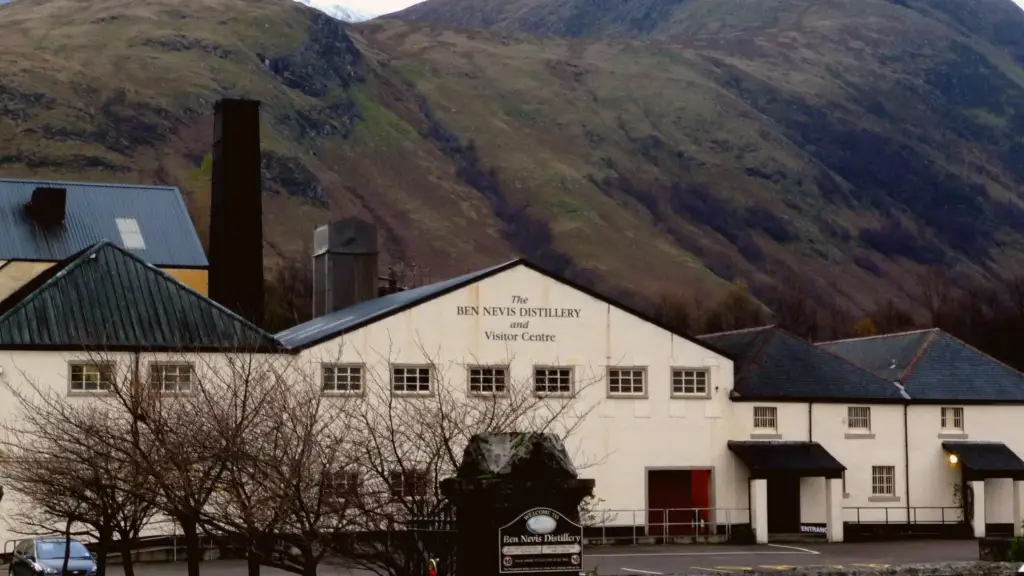
The Ben Nevis Distillery: From Long John MacDonald to Modern Ownership
At the foot of Britain’s highest mountain, Ben Nevis Distillery has lived a history defined less by continuity than by interruption. While many Highland distilleries trace a steady arc from founding to present day, Ben Nevis has moved in cycles of ambition, collapse, silence, and revival. Its story reveals how geography, capital, and global demand […]
February 24, 2026
Cocktails
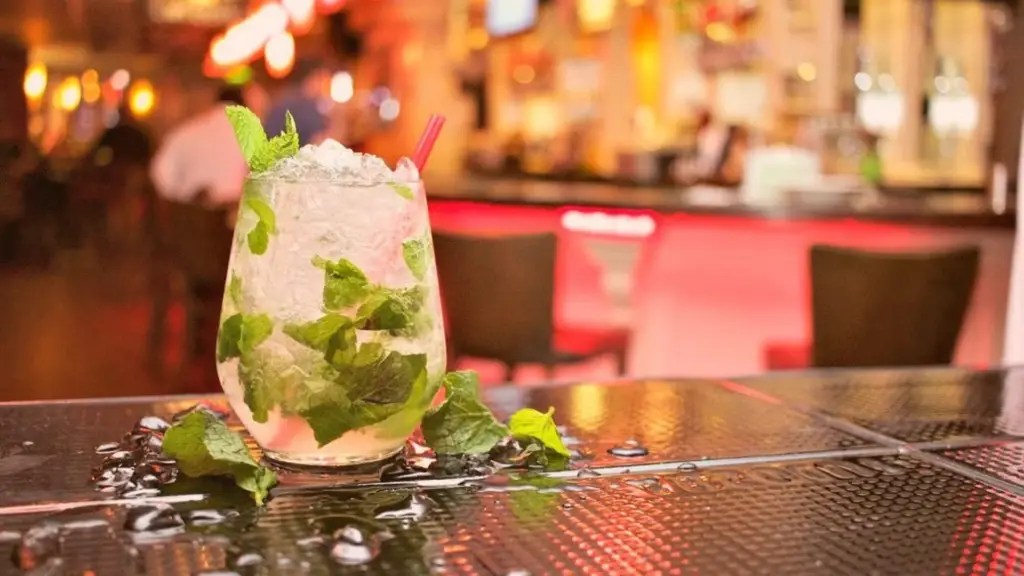
History of the Mojito Cocktail and Its Cuban Cultural Legacy
The history of the mojito cocktail is inseparable from Havana’s streets, Cuba’s sugarcane fields, and the Atlantic trade routes that shaped daily life on the island. Unlike many classic cocktails that emerged from hotel bars or European salons, the Mojito was shaped by necessity, climate, and local ingredients. Its identity evolved gradually, reflecting Cuba’s agricultural […]
January 30, 2026