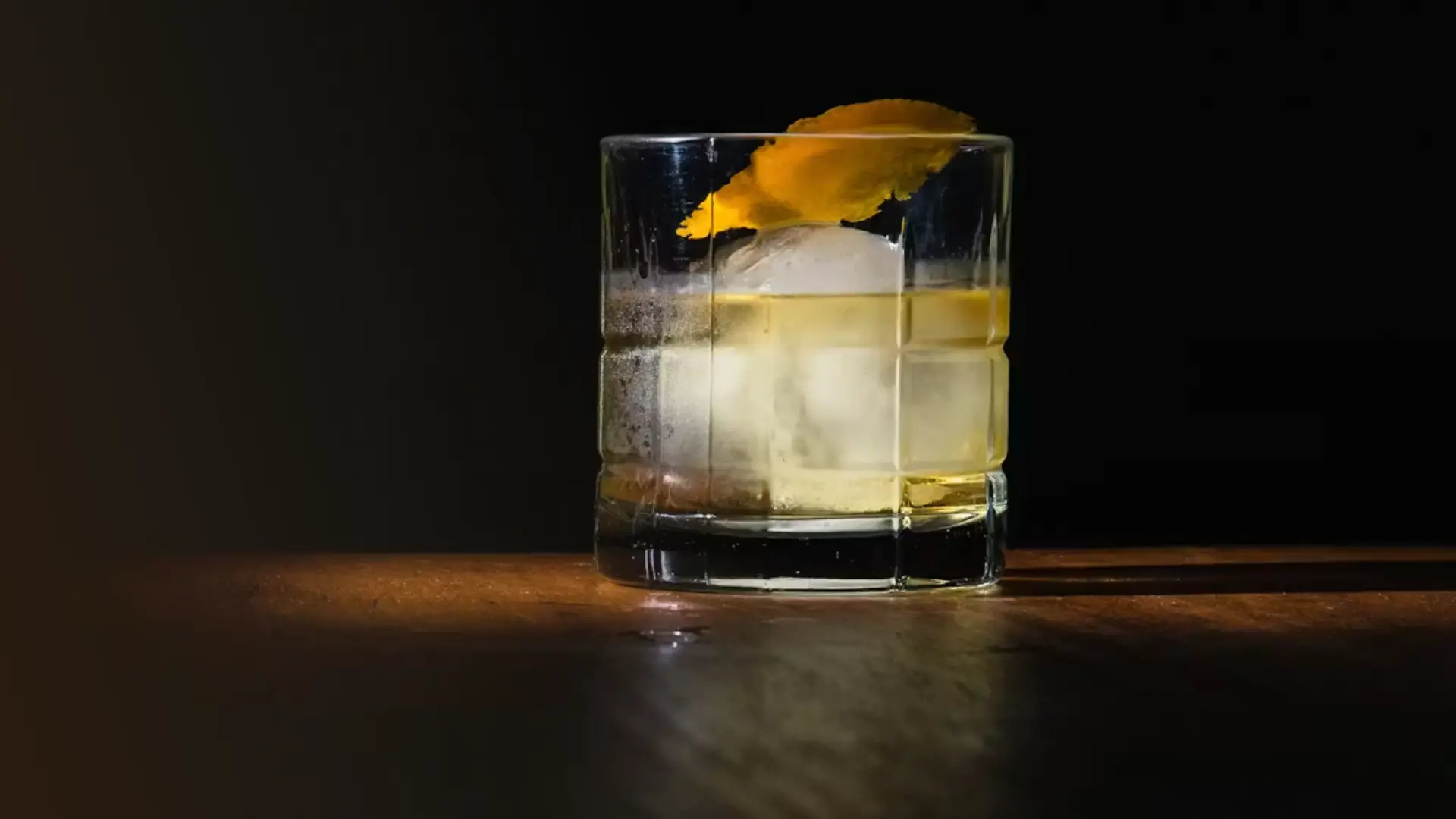
The modern cocktail was not born from comfort. It was shaped by interruption, exile, poor supply, legal pressure, and the forced reinvention of American drinking culture. Prohibition was designed to remove alcohol from public life in the United States, yet between 1920 and 1933, it created the conditions that changed how cocktails were made, served, named, and remembered.
The story is not as simple as saying Prohibition invented cocktails. Mixed drinks existed long before the 18th Amendment. Jerry Thomas had published The Bartender’s Guide in 1862, and American bars had already developed a recognisable cocktail tradition by the late nineteenth century. What Prohibition changed was the structure around that tradition. It broke the legal bar, scattered bartenders across the Atlantic, made quality spirits harder to trust, and pushed drinking into hidden rooms where presentation, disguise, and speed became part of the experience.
In trying to end drinking culture, Prohibition helped create the conditions for the modern cocktail bar.
The Law That Closed the American Bar
Prohibition became national law after the ratification of the 18th Amendment on January 16, 1919. The Volstead Act provided enforcement, and national Prohibition began on January 17, 1920. The law prohibited the manufacture, sale, and transportation of intoxicating beverages, but it did not erase demand.
The immediate effect was structural. Legal saloons, hotel bars, breweries, and distilleries either closed, changed business models, or moved into restricted forms of production. The public bar, which had been a central part of nineteenth-century urban drinking culture, was pushed underground.
This created a major break in professional bartending. Before Prohibition, the American bartender had been a visible craft figure, associated with hotels, saloons, clubs, and printed bar manuals. After 1920, that professional environment became unstable. Some bartenders left the United States. Others worked illegally. Many left the trade entirely. The result was not the death of the cocktail, but a disruption that forced it into new spaces.
Speakeasies and the Hidden Drinking Room
The speakeasy became the defining drinking environment of Prohibition America. Although the term existed before 1920, it became closely associated with illegal bars operating during the Prohibition era. These venues ranged from rough backrooms to sophisticated urban clubs.
In cities such as New York, Chicago, and Detroit, the speakeasy changed the social architecture of drinking. The old saloon had often been male-dominated and publicly visible. The speakeasy was more concealed, more theatrical, and in many cases more mixed in its social audience. Women participated more visibly in nightlife, music became central to the atmosphere, and entering a bar became part of the experience.
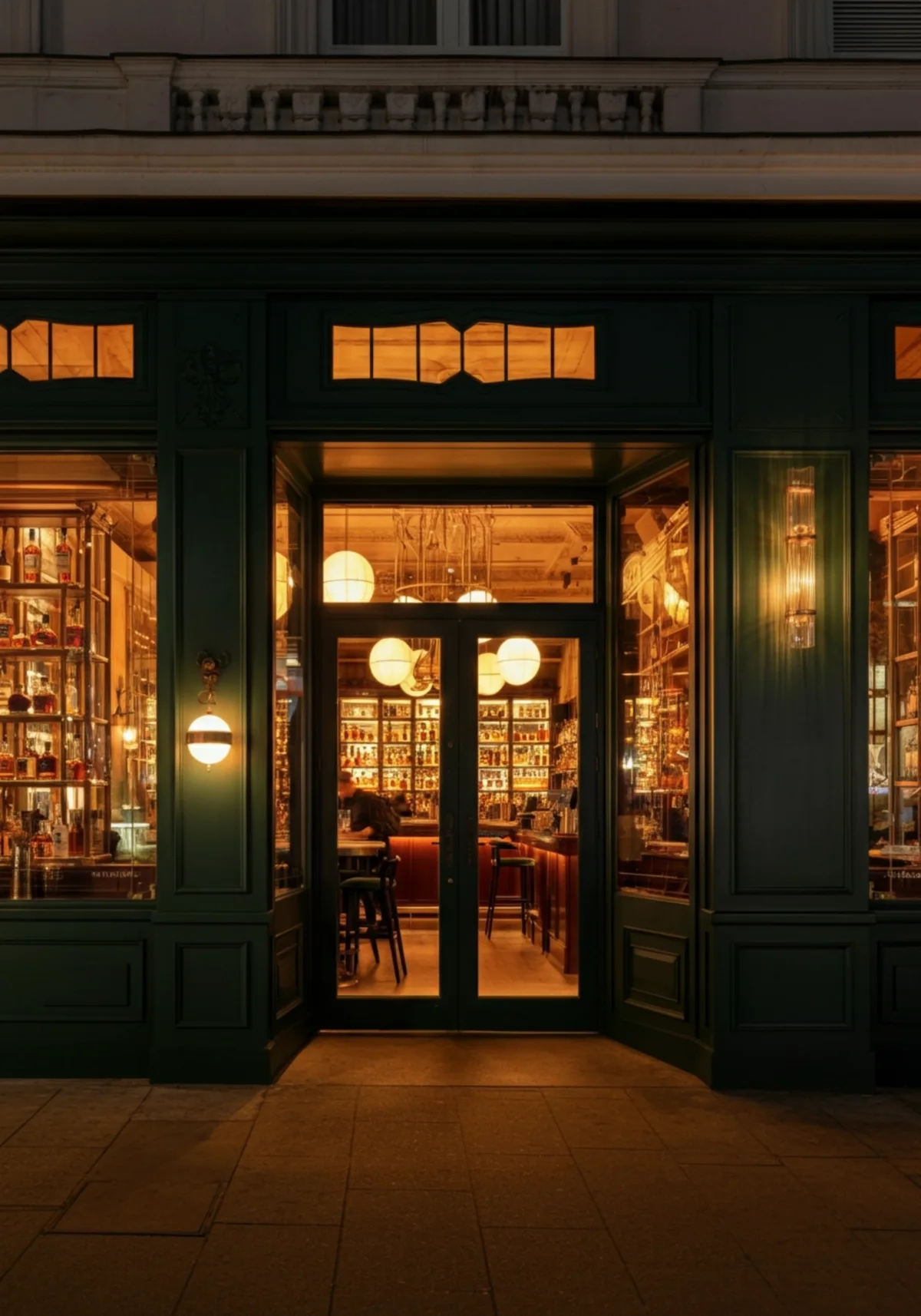
This hidden format still shapes cocktail culture today. The modern speakeasy-style bar, with discreet entrances, low lighting, controlled access, and carefully designed menus, owes much of its aesthetic language to the imagination of Prohibition. The influence is cultural rather than purely decorative. Prohibition taught bars to create an atmosphere of secrecy.
Bad Spirits and the Need for Balance
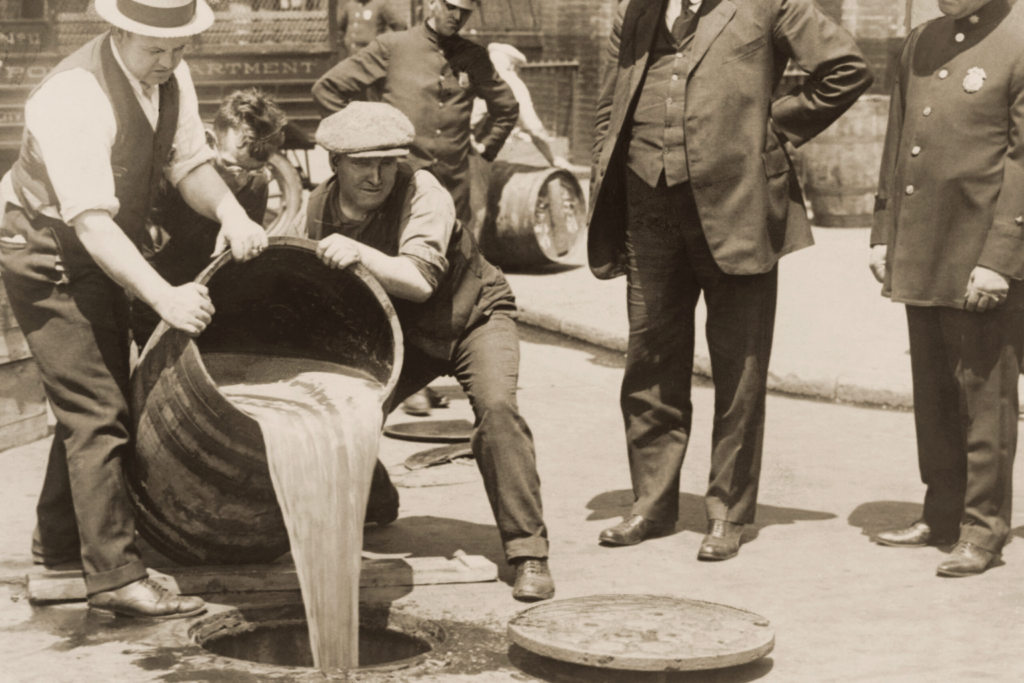
One of the most repeated ideas about Prohibition cocktails is that they were designed to hide bad liquor. There is truth in that, but the point needs precision.
Not every illegal drink was of poor quality. Some speakeasies had access to imported whisky, rum, gin, and brandy through smuggling networks. Others served spirits made quickly, stretched with additives, or passed off under false labels. The quality varied sharply depending on money, supply, and risk.
This uncertainty changed how cocktails were built. Strong citrus, sugar, herbs, soda, bitters, cream, fruit juices, and aromatic liqueurs became useful tools for structure. They could soften a harsh spirit, add aroma, extend volume, or create balance where the base alcohol lacked refinement.
This did not mean that every Prohibition-era cocktail was crude. Instead, the period accelerated a style of mixed drink that valued disguise, brightness, and immediacy. The cocktail became less about displaying a fine base spirit and more about constructing a complete sensory experience under difficult conditions. That shift remains central to modern cocktail thinking.
The Exile of American Bartenders
While speakeasies were reshaping drinking in the United States, American bartending knowledge was also moving abroad. Prohibition pushed many skilled bartenders to Europe, Cuba, and other places where legal drinking culture continued.
One of the most important examples is Harry Craddock. Born in England and trained partly in the United States, Craddock became head bartender at the American Bar at The Savoy in London during the Prohibition years. His work helped preserve and reinterpret American cocktail practice for European audiences.
The American Bar at The Savoy became one of the great institutions of twentieth-century cocktail culture. The Savoy Cocktail Book, published in 1930, captured a wide range of drinks at a time when the legal American bar was still suppressed. This movement matters because Prohibition not only hide cocktails. It exported them. American drink-making became international partly because the people who understood it had to leave.
Cuba, Rum, and the Offshore Cocktail Map
Prohibition also changed the geography of American drinking. Havana became one of the most important destinations for Americans seeking legal nightlife outside the United States. Cuban bars helped shape the identity of rum-based cocktails during the same period.
Drinks such as the Daiquiri and the Mary Pickford became linked to this cross-border drinking culture. Their histories are complex, and not every origin story is clean, but their rise reflects a broader truth: Prohibition pushed American attention toward places where rum, citrus, sugar, and professional hospitality remained accessible.
This helped expand the cocktail map beyond whiskey, gin, and brandy. Rum became more visible in American drinking imagination, while bars outside the United States gained influence over what Americans later considered classic. The modern cocktail canon became international because Prohibition made American drinking international.
The Cocktail as Performance
Before Prohibition, cocktails were already social objects. During Prohibition, they became performances of access, identity, and risk. A drink in a speakeasy was not just a drink. It carried the meaning of entry, secrecy, and participation in a forbidden social world. The room mattered. The password mattered. The glassware, music, and lighting mattered. This helped move cocktails away from simple bar service and toward full hospitality design.
Modern cocktail bars still rely on this logic. Menu language, bar architecture, staff choreography, and controlled atmosphere all shape the drink before it reaches the guest. The idea that a cocktail is part of a complete environment owes much to the hidden culture of Prohibition. The modern cocktail is not only liquid. It is a setting.
Repeal and the Broken Chain of Craft
Prohibition ended on December 5, 1933, when the 21st Amendment repealed the 18th Amendment. But repeal did not simply restore the old bar world.
Thirteen years of disruption had broken supply chains, closed breweries and distilleries, and scattered professional knowledge. Some skills survived in hotels, private clubs, and overseas bars. Others had to be rebuilt.
The post-Repeal industry developed under new regulations and new commercial realities. Large producers gained power, distribution systems changed, and cocktail culture moved through phases of recovery, simplification, and eventual revival.
By the late twentieth century, when bartenders began recovering classic recipes and techniques, they were not only reviving pre-Prohibition craft. They were also rediscovering the drinks and habits shaped by the Prohibition years themselves.
A Culture Rebuilt Through Constraint
Prohibition did not create the cocktail from nothing. It did something more complicated. It interrupted an existing craft, forced it underground, scattered its practitioners, changed its ingredients, and expanded its geography.
The modern cocktail emerged from that pressure. It absorbed the secrecy of the speakeasy, the technical adaptability required by uncertain spirits, the international influence of exiled bartenders, and the theatrical structure of hidden nightlife.
What began as a legal attempt to erase alcohol from public life became one of the defining forces in modern bar culture. The cocktail survived because it adapted. That adaptation is the legacy of Prohibition.
Bar
Havana Social is one of Bangkok’s most immersive themed bars, transporting guests to 1950s Cuba the moment they…
Bar
American Bar at The Savoy stands as London’s most historic and iconic cocktail destination, widely recognized as the…
Cocktail
The Mary Pickford is a classic tropical cocktail that exudes elegance, sweetness, and a touch of old Hollywood…
Cocktail
The Daiquiri stands as one of the purest expressions of cocktail craft, celebrated for its elegance, simplicity, and…
Bar
Havana Social is one of Bangkok’s most immersive themed bars, transporting guests to 1950s Cuba the moment they…
Bar
American Bar at The Savoy stands as London’s most historic and iconic cocktail destination, widely recognized as the…
Cocktail
The Mary Pickford is a classic tropical cocktail that exudes elegance, sweetness, and a touch of old Hollywood…
Cocktail
The Daiquiri stands as one of the purest expressions of cocktail craft, celebrated for its elegance, simplicity, and…
Partnership
Don’s Special Daiquiri: How Donn Beach Redefined the Daiquiri in 1930s Hollywood
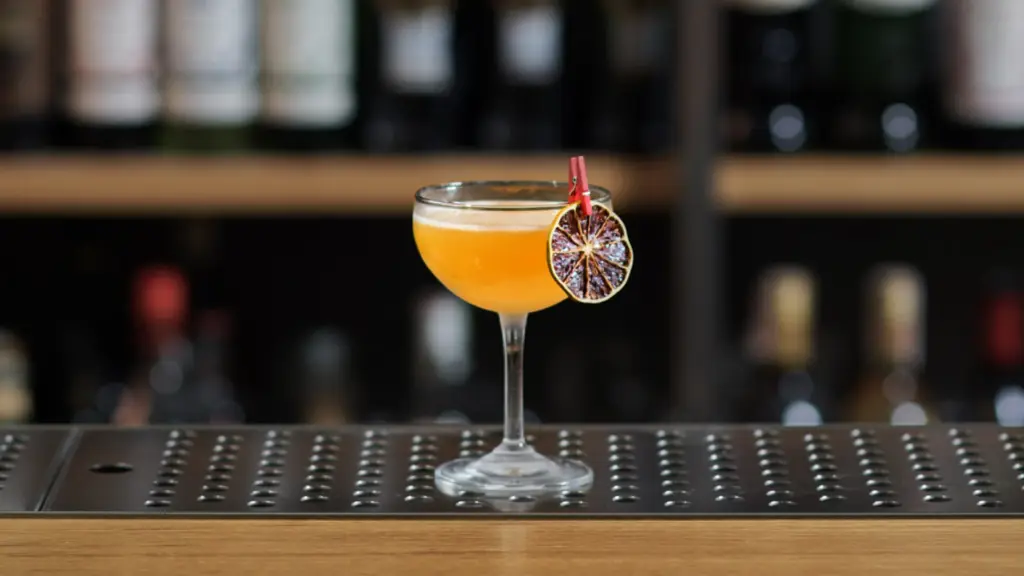
The classic Daiquiri, associated with Cuba in the late nineteenth and early twentieth centuries, is defined by restraint. Rum, fresh lime, and sugar create a precise equilibrium where each component is clearly legible. Donn Beach’s (known as Don’s Special Daiquiri)version begins with this structure but shifts its direction. Passion fruit introduces a broader tropical acidity, […]
August 6, 2026
Partnership
Dilution and the Hidden Structure of the Cocktail
Dilution begins as soon as ice and liquid exchange heat, but its importance extends far beyond the simple addition of water. It changes alcoholic strength, temperature, aroma, sweetness, bitterness and texture, helping separate ingredients become a coherent drink. Because the process is usually invisible, it can be mistaken for a side effect of chilling. In […]
August 4, 2026
Partnership
Alex Sánchez: Havana Doesn’t Teach You to Invent, It Teaches You to Hold the Line
In Havana, the environment Alex Sánchez came up in, cocktails are not rediscovered. They are remembered. Walk into El Floridita or La Bodeguita del Medio and you’re not entering a bar in the usual sense; you’re stepping into a system that has barely changed. The Daiquiri still follows its line. The Mojito still holds its […]
July 20, 2026