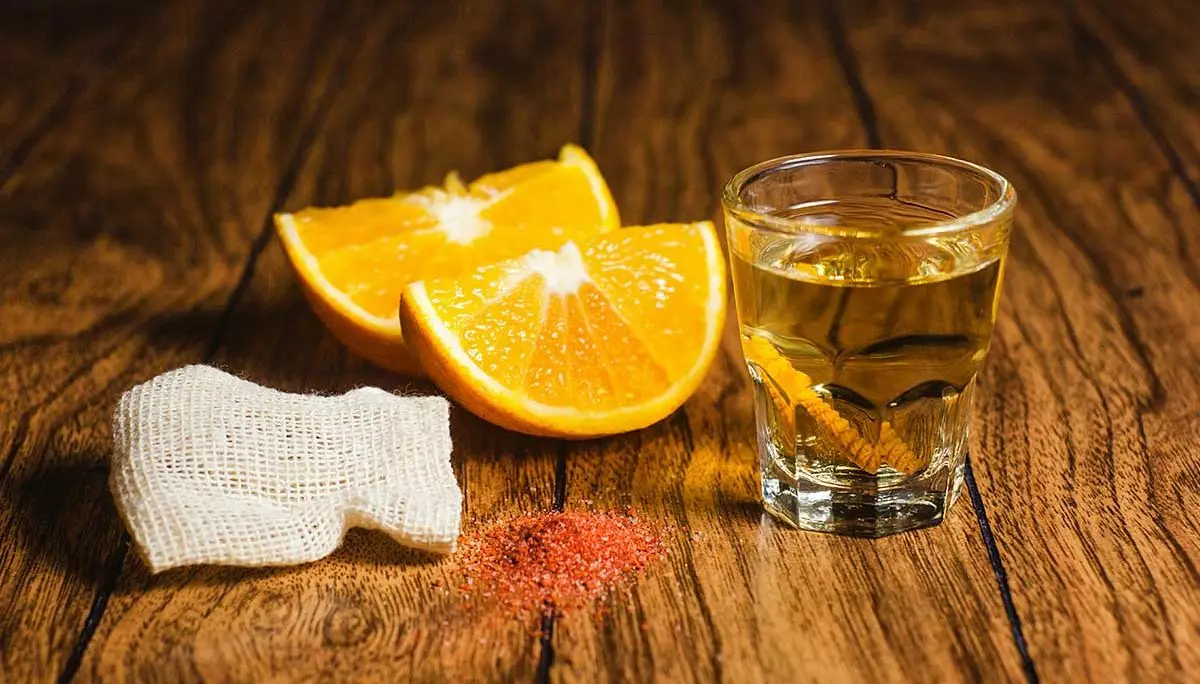
Long before it became the darling of craft cocktail bars and connoisseurs around the world, mezcal was and remains the lifeblood of rural Mexico. More than just a distilled spirit, it is a living tradition deeply rooted in the cultural, agricultural, and spiritual fabric of the country. Its story begins not in modern distilleries but in the hills and valleys of Oaxaca, where families have passed down the art of mezcal-making for generations.
Mezcal and Its Connection to the Land
Every drop of mezcal begins with the agave plant, known locally as maguey, a plant that can take anywhere from eight to thirty years to mature. For the maestros mezcaleros, the farmers and distillers who produce it, each plant represents a bond with the land and the seasons. They walk their fields with reverence, knowing when each agave has reached its perfect moment.
The process of transforming agave into it is slow and intentional. The harvested piñas, or hearts of the plant, are roasted in underground pits lined with volcanic stones. This ancient technique gives mezcal its distinctive smoky character, a flavor that mirrors the rugged landscapes and earthy resilience of its birthplace. Once roasted, the agave is crushed by stone tahona wheels, fermented in wooden vats, and distilled in small copper or clay stills. These steps have remained largely unchanged for centuries, a testament to the endurance of ancestral craftsmanship.
Jimmy Russell and the Spirit of Tradition
According to local legend, mezcal was born from a lightning strike. One stormy night, a bolt struck an agave plant, cooking it from within and releasing a sweet, aromatic juice. When villagers tasted it, they believed it was a gift from the gods-a divine elixir known today as el elixir del rayo, the elixir of lightning. That story still lives in every bottle, linking it to the heavens and the earth in equal measure.
This spiritual connection remains an integral part of mezcal’s identity. It is not merely consumed but celebrated during moments of both joy and sorrow. Whether it’s the birth of a child, a wedding, a harvest festival, or a funeral, it plays a central role. The saying para todo mal, mezcal, y para todo bien, también- “for everything bad, mezcal, and for everything good, too”– captures its significance as both comfort and celebration.
The Resilience of Mezcal Makers
The story of mezcal is also one of survival. During colonial times, Spanish rulers imposed heavy restrictions on local distilling to protect European imports. Many mezcaleros were forced to produce in secret, hiding their ovens and stills in remote valleys. Later, as industrialization swept across Mexico, traditional producers faced new threats from mass-produced liquors. Yet mezcal endured, sustained by families who refused to abandon their craft.
Even the famous gusano, or worm, sometimes found in commercial bottles, has its origins in rural ingenuity. It was said to test the strength and purity of the spirit, though in truth, most artisanal producers never used it. For them, the true proof of quality lies not in novelty but in the spirit’s aroma, flavor, and integrity.
Modern Recognition and Cultural Revival
Today, mezcal is celebrated across the globe for its complexity and heritage. Bartenders prize it for its smoky nuance, and collectors seek out bottles from single agave varieties and remote palenques. Yet at its heart, it remains a rural craft. As international demand grows, many producers and cooperatives are fighting to protect the sustainability of wild agave and the cultural practices that define authentic production.
Oaxaca continues to be mezcal’s spiritual home, but the movement now extends through states such as Durango, Guerrero, and Michoacán. Each region brings its own terroir, its own voice, and its own rhythm to the tradition. Modern recognition has given mezcal new life, but its true essence still resides in the hands of the people who make it, using tools shaped by generations.
The Living Spirit of Mexico
To drink mezcal is to taste the land, the labor, and the legacy of Mexico’s rural heart. It carries within it the smoke of the firepit, the patience of time, and the stories of those who have kept the craft alive. For the Barlist community, it represents more than a trend — it is a journey through heritage and authenticity, one that connects past and present in every sip.
So the next time you raise a glass of mezcal, think not only of the smoky notes and wild agave but of the people, hands, and earth that shaped it. It is, and always will be, the spirit of Mexico — a living expression of history, resilience, and faith in tradition.

Barlist
Welcome to Barlist, where every drop tells a story
At Barlist, we live and breathe the art of spirits. Every bottle, every glass, every drop carries a story waiting to be told. With Barlist, we bring those stories to life- a place where flavours meet histories, and where true craftsmanship shines through tens of thousands of spirits and distilleries worldwide. Whether you’re a seasoned […]
March 9, 2026
Distilleries & Producers
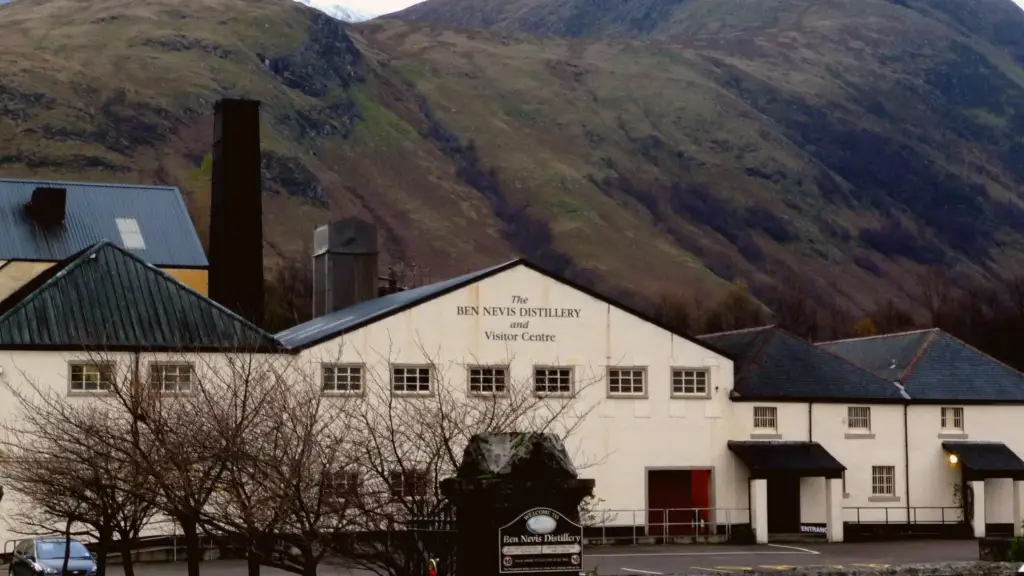
The Ben Nevis Distillery: From Long John MacDonald to Modern Ownership
At the foot of Britain’s highest mountain, Ben Nevis Distillery has lived a history defined less by continuity than by interruption. While many Highland distilleries trace a steady arc from founding to present day, Ben Nevis has moved in cycles of ambition, collapse, silence, and revival. Its story reveals how geography, capital, and global demand […]
February 24, 2026
Cocktails
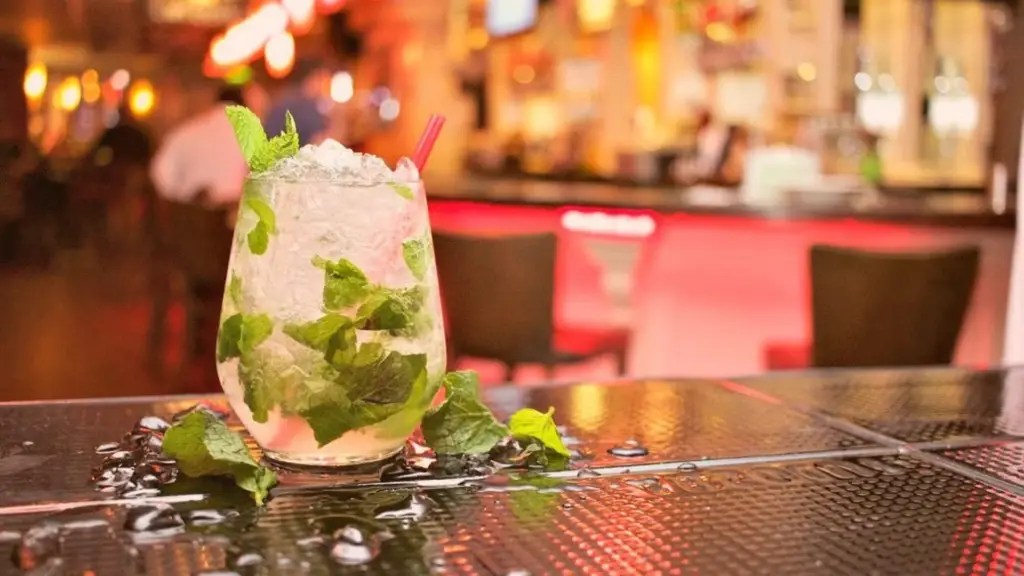
History of the Mojito Cocktail and Its Cuban Cultural Legacy
The history of the mojito cocktail is inseparable from Havana’s streets, Cuba’s sugarcane fields, and the Atlantic trade routes that shaped daily life on the island. Unlike many classic cocktails that emerged from hotel bars or European salons, the Mojito was shaped by necessity, climate, and local ingredients. Its identity evolved gradually, reflecting Cuba’s agricultural […]
January 30, 2026