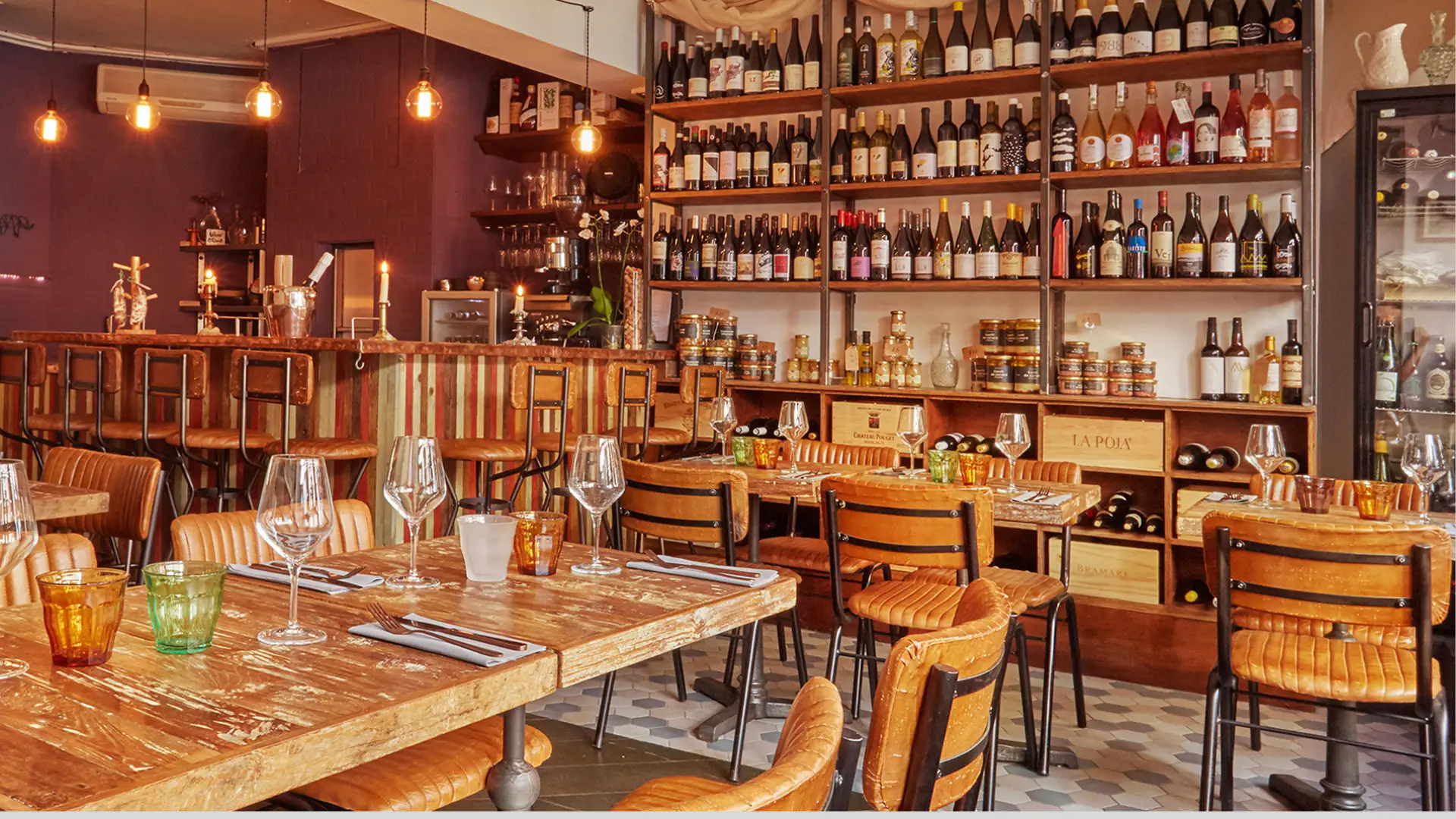
On the narrow banks of the River Thames in Limehouse, East London, stands one of the city’s most enduring pubs. Known simply as The Grapes, this 16th-century tavern has witnessed the rise and fall of empires, the comings and goings of sailors, and the nightly rituals of writers and artists. For centuries, it has been more than a pub. It has been a stage where London’s maritime history, literary culture, and social life converge.
The Grapes’ beginnings date back to 1583, during the reign of Queen Elizabeth I, when Limehouse was a thriving hub of shipbuilding and trade. The pub served dockworkers, sailors, and merchants, who brought tales from around the globe. Its riverside location made it a natural gathering place, and over time it became an inseparable part of East London’s working-class community.
Cultural Footprint in London’s Story
Beyond its walls, The Grapes reflects the broader transformation of London itself. From the bustling dockyards of Elizabethan commerce to the industrial might of the 19th century, the pub has mirrored the city’s shifts in fortune and character. In Victorian times, it offered a retreat for thinkers and writers who shaped modern literature. During the Blitz, it became a rare survivor among the ruins, a place where locals clung to a sense of continuity.
Today, as Canary Wharf rises nearby with steel and glass, The Grapes stands in deliberate contrast, reminding visitors that history is not erased by progress but enriched by it. In this way, the pub is not only heritage but also identity, anchoring London’s soul on the riverbank.
Dickens and Literary Legacy
By the 19th century, The Grapes had found new patrons. Writers, artists, and intellectuals gathered within its timbered walls. Among them was Charles Dickens, who lived nearby in Limehouse. He frequented the pub and immortalized its riverside setting in Our Mutual Friend (1864–65), where the Thames plays a central role. Dickens’s affection for the Limehouse waterfront ensured The Grapes a permanent place in literary history.
Survival and Continuity: The Grapes in London
The Grapes’ resilience is remarkable. While much of Limehouse suffered devastation during the Blitz of World War II, the pub endured. Inside, its crooked staircases, narrow bar, oak beams, and river-facing balcony still preserve the atmosphere of centuries past. Unlike the polished gastro pubs of central London, The Grapes retains an authentic, historic charm that feels untouched by time.
In 2011, the pub came under the co-ownership of Sir Ian McKellen, famed for his roles as Gandalf in The Lord of the Rings and Magneto in X-Men. Living nearby, McKellen has worked to safeguard the pub’s historic character while ensuring it remains a vibrant community hub. He has even been known to pull pints behind the bar or read aloud from Dickens, delighting patrons with living connections to the pub’s literary past.
A Living Landmark
Today, The Grapes continues to welcome a diverse clientele of locals and visitors drawn by its literary connections, historic architecture, and views over the Thames. Inside, guests encounter Dickens memorabilia, 18th-century maps, and maritime relics, reminders of its deep roots. The menu offers British classics alongside ales and wines, balancing tradition with contemporary tastes.
Few pubs in London can claim nearly 450 years of uninterrupted operation. The Grapes has witnessed the British Empire’s expansion, the Industrial Revolution, Victorian literature, world wars, and London’s rise as a global capital. Through it all, it has remained a constant, a place where history flows as steadily as the pints.
For the Barlist community, The Grapes is more than a pub. It is a window into London’s drinking heritage, where one can share space with Elizabethan sailors, Dickensian readers, and today’s regulars. The Grapes proves that a great bar is not only about what is poured into the glass, but also about the centuries of life and stories that echo through its walls.

Barlist
Welcome to Barlist, where every drop tells a story
At Barlist, we live and breathe the art of spirits. Every bottle, every glass, every drop carries a story waiting to be told. With Barlist, we bring those stories to life- a place where flavours meet histories, and where true craftsmanship shines through tens of thousands of spirits and distilleries worldwide. Whether you’re a seasoned […]
March 9, 2026
Distilleries & Producers
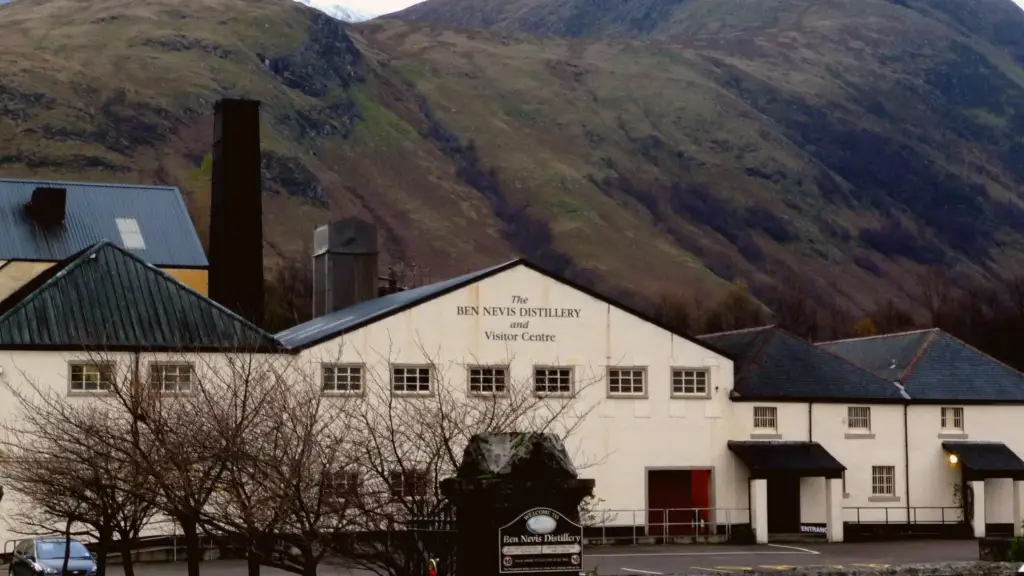
The Ben Nevis Distillery: From Long John MacDonald to Modern Ownership
At the foot of Britain’s highest mountain, Ben Nevis Distillery has lived a history defined less by continuity than by interruption. While many Highland distilleries trace a steady arc from founding to present day, Ben Nevis has moved in cycles of ambition, collapse, silence, and revival. Its story reveals how geography, capital, and global demand […]
February 24, 2026
Cocktails
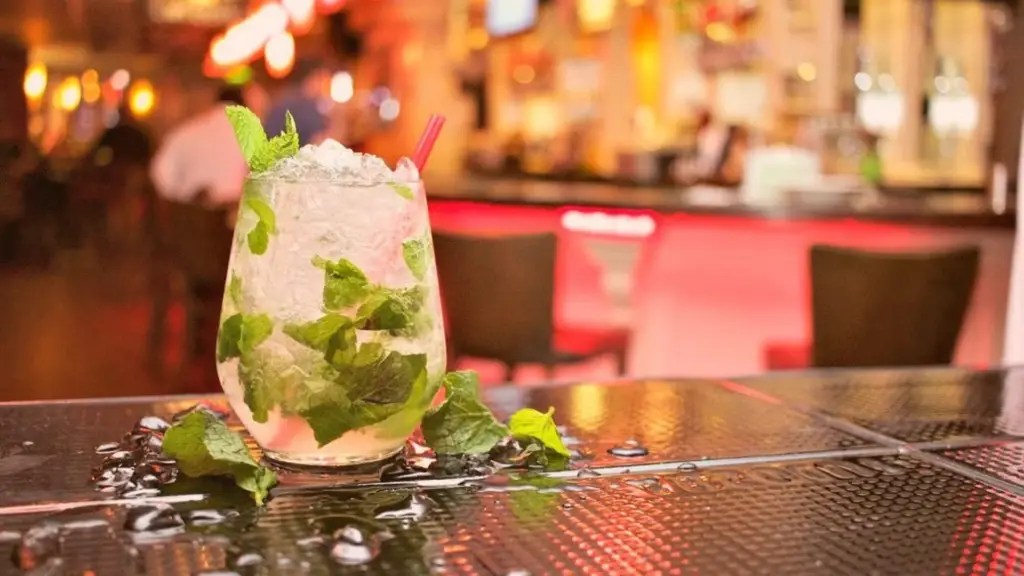
History of the Mojito Cocktail and Its Cuban Cultural Legacy
The history of the mojito cocktail is inseparable from Havana’s streets, Cuba’s sugarcane fields, and the Atlantic trade routes that shaped daily life on the island. Unlike many classic cocktails that emerged from hotel bars or European salons, the Mojito was shaped by necessity, climate, and local ingredients. Its identity evolved gradually, reflecting Cuba’s agricultural […]
January 30, 2026