The story of modern American spirits is inseparable from the history of the Sazerac Company, a privately held producer whose distilleries have shaped bourbon, rye, Canadian whisky, and beyond. More than a portfolio of labels, Sazerac Company’s distilleries represent continuity of craft, adaptation to market conditions, and a willingness to preserve historic production while investing in future growth. Their evolution offers insight into how production philosophy, geography, and heritage converge to define a global spirits house.
Roots in American Spirits and the Birth of a Global Producer
The Sazerac Company traces its origins to the 1850s and has grown into one of the largest spirits producers in the United States, with over 450 brands from distilleries across the globe. Its footprint spans from historic bourbon houses in Kentucky to legacy facilities in Virginia, Canada, France, and India.
This global structure situates Sazerac as both custodians of tradition and designers of contemporary craft spirits.
Buffalo Trace Distillery: Bourbon’s Historical Anchor
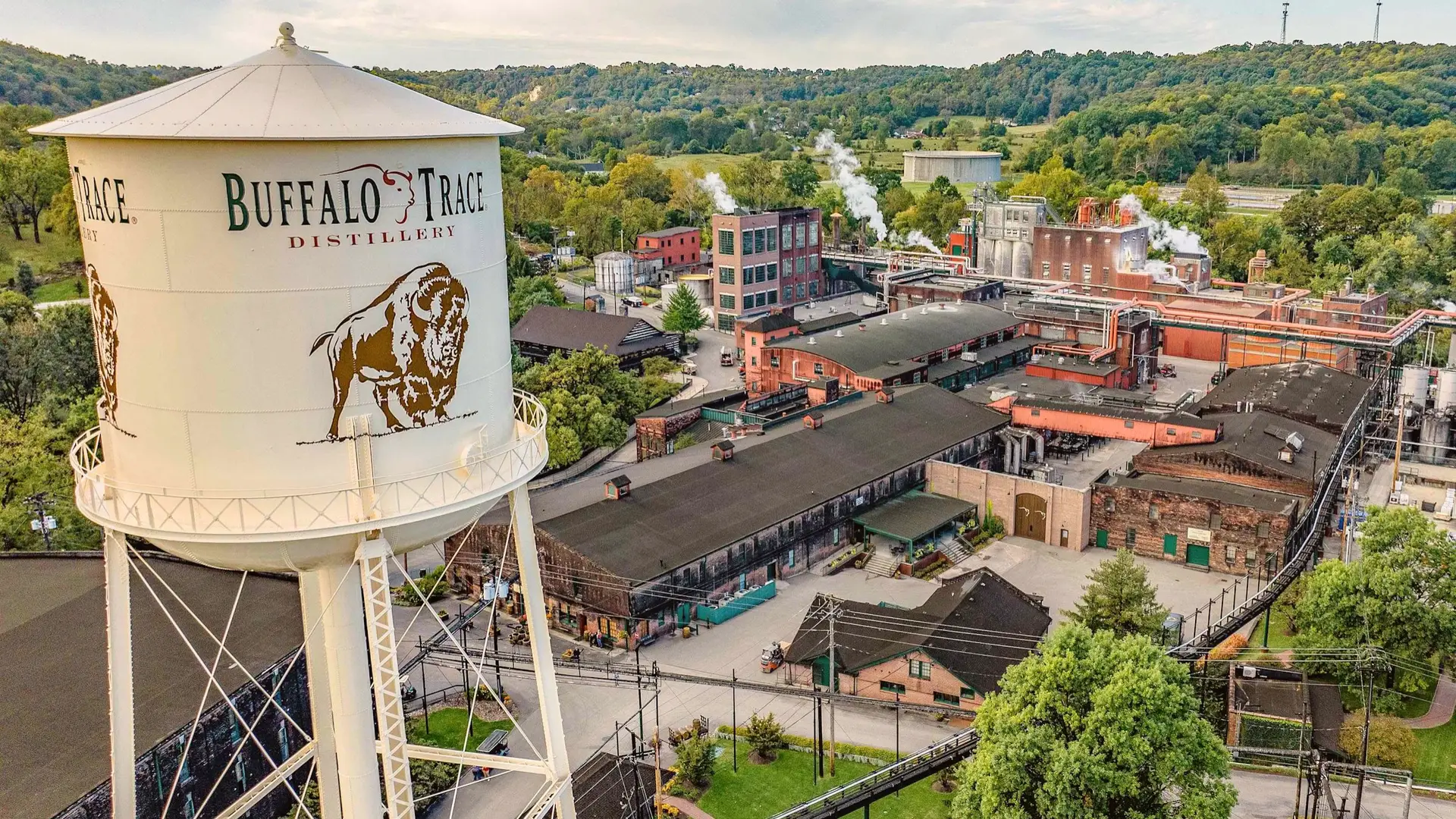
At the heart of Sazerac’s legacy is the Buffalo Trace Distillery in Frankfort. One of the oldest continuously operating distilleries in the United States, Buffalo Trace was first constructed in 1805 and operated under names such as the George T. Stagg Distillery before its acquisition by Sazerac in 1992.
Buffalo Trace’s focus is bourbon – a spirit defined by mash bill composition, fermentation, and oak maturation. Its flagship Buffalo Trace Kentucky Straight Bourbon Whiskey is produced from a traditional Kentucky mash and aged in charred new American oak, building flavors of vanilla, caramel, and spice over time.
Annual operations involve a complex inventory of barrels stored across multiple rickhouses, reflecting a production philosophy that values patience and consistency over seasonal trends. Throughout the 21st century, the distillery has expanded its infrastructure, investing in warehouses and production projects to anticipate long-term demand for American whiskey.
Barton 1792 Distillery: Tradition in Bardstown
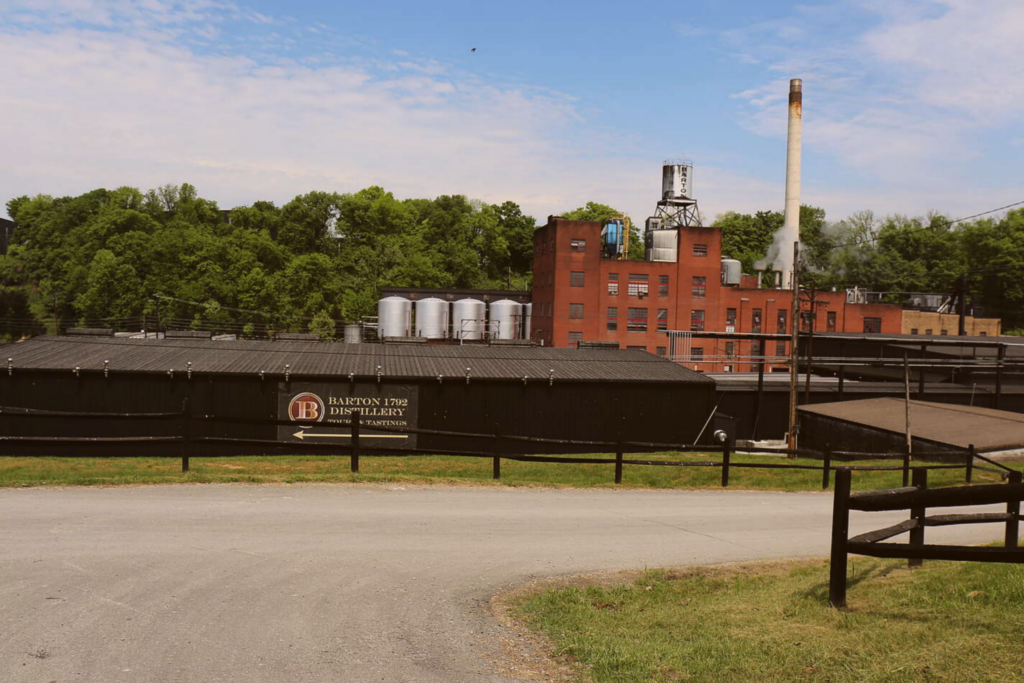
In Bardstown, the Barton 1792 Distillery occupies a historic place in Sazerac’s portfolio. Established in 1879, Barton 1792 encompasses 196 acres and 29 aging warehouses, maintaining a deep connection to early Kentucky distilling tradition.
Named after the year Kentucky entered the Union, the distillery emphasizes regional identity. Its range, including the 1792 Small Batch Bourbon, demonstrates elevated rye mash recipes, careful barrel selection, and age diversity – from small batch to port-finished expressions, illustrating meticulous control over grain and oak interaction.
A. Smith Bowman Distillery: East Coast Craft
In Fredericksburg, the A. Smith Bowman Distillery reflects East Coast craft heritage. Founded in 1934 on a family farm, it became Virginia’s sole legal whiskey producer after prohibition. Acquired by Sazerac in 2003, the distillery employs a three-times distillation regime, refining spirit clarity and depth beyond the standard double distillation.
Its Cask Strength Bourbon earned top honors at the International Whisky Competition in 2025 for complexity and balance, exemplifying how regional choices in equipment, mash bill, and fermentation shape character within a global portfolio.
Old Montréal Distillery: Canadian Whisky Reinvented
Sazerac’s reach into Canada is anchored by the Old Montréal Distillery, established in 1929 near the Old Port of Montréal. Canadian whiskies such as Canadian Mist utilize local grains and soft water, producing balanced, approachable profiles with smooth character.
Domaine Sazerac de Segonzac: Cognac’s Old World Anchor
In Segonzac, Domaine Sazerac de Segonzac sits in the Grande Champagne cru on chalky clay soils ideal for Ugni Blanc. Distillation follows classic Charentaise practice: double pot still runs, careful separation of heads, hearts, and tails, and long French oak aging. Resulting Sazerac de Forge Cognac expressions marry terroir-driven tradition with precision.
Paul John Distillery: Indian Single Malt
In Goa, the Paul John Distillery, founded in 1992, produces tropical-matured single malt whisky. Integrated into Sazerac’s portfolio, Paul John demonstrates how production philosophy adapts to climate while preserving malt whisky techniques. Warm ambient conditions accelerate aging, yielding a distinctive tropical profile.
Cultural Reflection: Continuity Across Continents
From Bourbon Country to Canadian waters, French terroir to Indian single malts, the Sazerac Company illustrates continuity of craft across continents. Each distillery anchors its spirits in place, technique, and generational expertise.
Sazerac’s operations translate land, law, and lineage into liquids with distinct identities, shaped by water, grain, oak, pot still design, fermentation culture, and maturation environment. Across its portfolio, Sazerac defines distinction in the global spirits landscape.

Spirit
Ben Nevis 1966 50 YO Calvados Cask Finish Single Malt Whisky
The Ben Nevis 50 Year Old Calvados Cask Finish Single Malt Whisky is a remarkable expression that showcases…
Spirit
Château de Laubade XF Bas Armagnac
Château de Laubade XF Bas Armagnac is a distinguished expression of tradition and craftsmanship in the world of…
Spirit
Connoisseurs Choice Blair Athol 2005 Single Malt Scotch Whisky
Connoisseurs Choice Blair Athol 2005 Single Malt Scotch Whisky is a distinguished release from the Highland region of…
Spirit
Jacsi Martinique Rum is a historical rum that hails from the renowned region of Martinique. Crafted during a…
Spirit
Kavalan Ex Bourbon Cask Strength Selected by The Nectar Single Malt Whisky
Kavalan Ex-Bourbon Cask Strength Selected by The Nectar is a testament to the artistry inherent in the craftsmanship…
Spirit
Kusshh Grape Spirit Barrique Brandy
Kusshh Grape Spirit Barrique Brandy is a distinguished spirit crafted from the finest grapes native to Croatia. This…
Spirit
Mattentaarten Liqueur is a unique spirit that emerges from the tradition of Flemish sweets. This liqueur embodies the…
Spirit
Porter’s Straight 95 Rye Whiskey
Porter’s Straight 95 Rye Whiskey is a distinguished expression from the New York Distilling Company, known for its…
Spirit
The Hakushu Distiller's Reserve Single Malt Japanese Whisky
The Hakushu Distiller's Reserve is a distinguished expression from the House of Suntory, located in the Japanese Alps.…
Spirit
The Nectar Venezuelan 15 YO Rum
The Nectar Venezuelan 15 Year Old Rum stands as a testament to the rich rum-making traditions of Venezuela,…
Cocktail
A Midsummernight Dream is a whimsical and enchanting cocktail that blends floral, fruity, and spirit-forward elements to create…
Cocktail
The Amaretto Tea is a warm, comforting cocktail that elegantly combines the nutty sweetness of amaretto with the…
Cocktail
Apple Cider Punch is a festive beverage that highlights the crisp and comforting flavors of apples, making it…
Cocktail
Citrus Coke is a refreshing and lively cocktail that elevates the classic cola experience by introducing bright, zesty…
Cocktail
The Clover Club is a classic pre-Prohibition cocktail that exudes elegance, refinement, and a delicate balance of flavors.…
Cocktail
The Grasshopper is a classic, vibrant cocktail that is celebrated for its creamy texture, sweet minty flavor, and…
Cocktail
Homemade Kahlua is a rich and aromatic coffee liqueur that brings the luxurious flavors of freshly brewed coffee,…
Cocktail
The Jam Donut is a playful and indulgent cocktail that captures the sweet, comforting flavors of a classic…
Cocktail
The Pink Lady is a cocktail that perfectly captures the elegance and charm of early twentieth-century drinking culture,…
Cocktail
Tommy’s Margarita is a modern twist on the classic Margarita, celebrated for its clean, bright flavors and emphasis…
Distillery
ABD Maestro Pvt. Ltd. is the super-premium and luxury spirits arm of Allied Blenders and Distillers (ABD), one…
Distillery
Akkeshi Distillery is a pioneering force in the world of Japanese whisky, harmonizing traditional Scottish distilling practices with…
Distillery
Bee-Ginning Gin Co. is a vibrant craft distillery based in Manchester, renowned for its handcrafted premium gins. Founded…
Distillery
DHV Destilados is a modern distillery located in Valencia, Spain, that has made a name for itself in…
Distillery
Freeland Spirits is a distinguished craft distillery located in Portland, Oregon, celebrated for its exquisite selection of hand-crafted,…
Distillery
Hornitos Tequila Distillery is known for producing high-quality tequila that embodies the rich traditions and craftsmanship of Mexican…
Distillery
Intipalka Winery stands as a hallmark of modern viticulture in the enchanting Ica Valley of Peru. Known for…
Distillery
Ireland Craft Beverages, established in 2014, is at the forefront of a vibrant movement within the Irish craft…
Distillery
Maestro Dobel is a pioneering distillery known for its innovative approach to tequila production, combining traditional methods with…
Distillery
Real De Jalpa, S.C. De R.L. De C.v.
Real De Jalpa, S.C. de R.L. de C.V. is a distinguished craft distillery nestled in the heart of…
Bar
Bar Anima HK is a refined cocktail bar in Central, Hong Kong that’s built a reputation for thoughtful…
Bar
Bar Cobra occupies a relaxed, industrial‑chic space in one of Prague’s most dynamic neighbourhoods, offering a blend of…
Bar
Bodega Bar At The Berkshire Room
Bodega Bar at The Berkshire Room has been a standout in Chicago’s nightlife since opening in 2017. Conceived…
Bar
Coley Cocktail Bar is a distinguished establishment located in the vibrant neighborhood of Bangsar in Kuala Lumpur, Malaysia.…
Bar
Craftroom in Osaka has quickly earned a reputation as a destination for cocktail enthusiasts seeking quality, sophistication, and…
Bar
In Milan’s dynamic cocktail scene, Drinc has quickly become synonymous with creativity and energy. The bar thrives on…
Bar
In Osaka’s cocktail landscape, Juniper has established itself as a refined destination for lovers of gin and meticulously…
Bar
Mae’s Room is an intimate cocktail bar in Miami that exudes warmth and understated sophistication. The interior is…
Bar
Red Pub in Santiago has become a well‑loved destination for those who enjoy good drinks, good company, and…
Bar
wenty Two Beirut is a rooftop bar that has become a standout destination for both locals and visitors…
Barlist
Pricing and Taxation in 19th-century European Spirits Consumption
In the early decades of the nineteenth century, the cost of a glass of spirits in London, Paris, or Warsaw was rarely determined by the distiller. It was determined by the state. A measure of whisky, Cognac, or vodka carried within it a structure of duties, controls, and transport costs that defined not only its […]
April 7, 2026
Barlist
The BenRiach Ownership Transitions That Changed Its Direction
BenRiach Distillery, nestled in the Speyside region of Scotland, has long been synonymous with innovation, peated experimentation, and a commitment to barley diversity. Since its founding in 1898 by John Duff, the distillery has weathered closures, acquisitions, and industry upheaval, each ownership transition leaving a distinct imprint on its whiskey philosophy and production trajectory. Understanding […]
March 20, 2026
Barlist
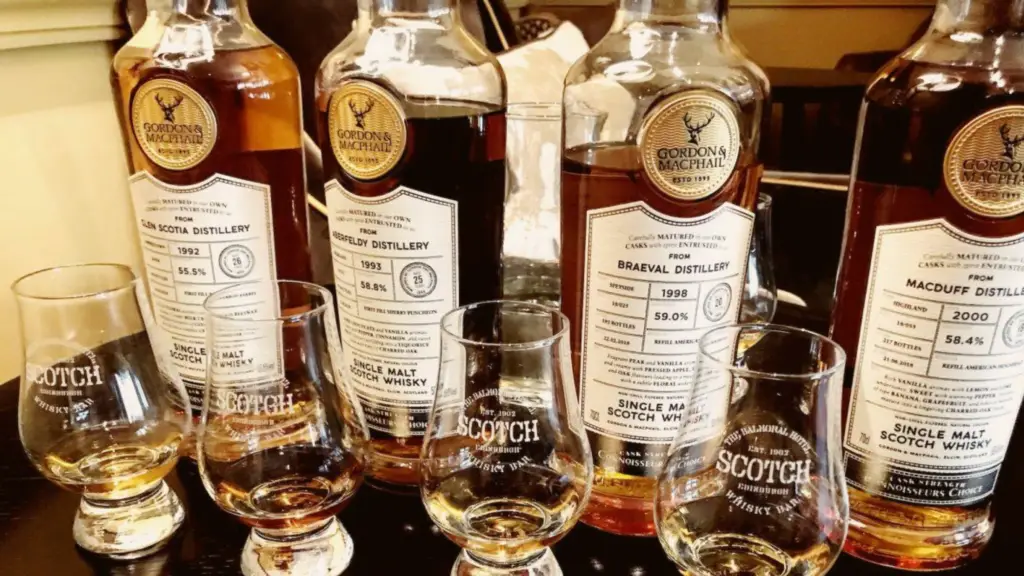
The Rise of Independent Bottlers in Scotch Whisky
Long before brand portfolios dominated back bars, whisky changed hands quietly in casks. Merchants purchased spirit from distilleries, matured it independently, and bottled it under their own labels. In today’s market, where multinational ownership shapes global distribution, that earlier model has returned with renewed force. The Rise of Independent Bottlers in Scotch Whisky reflects a […]
March 19, 2026