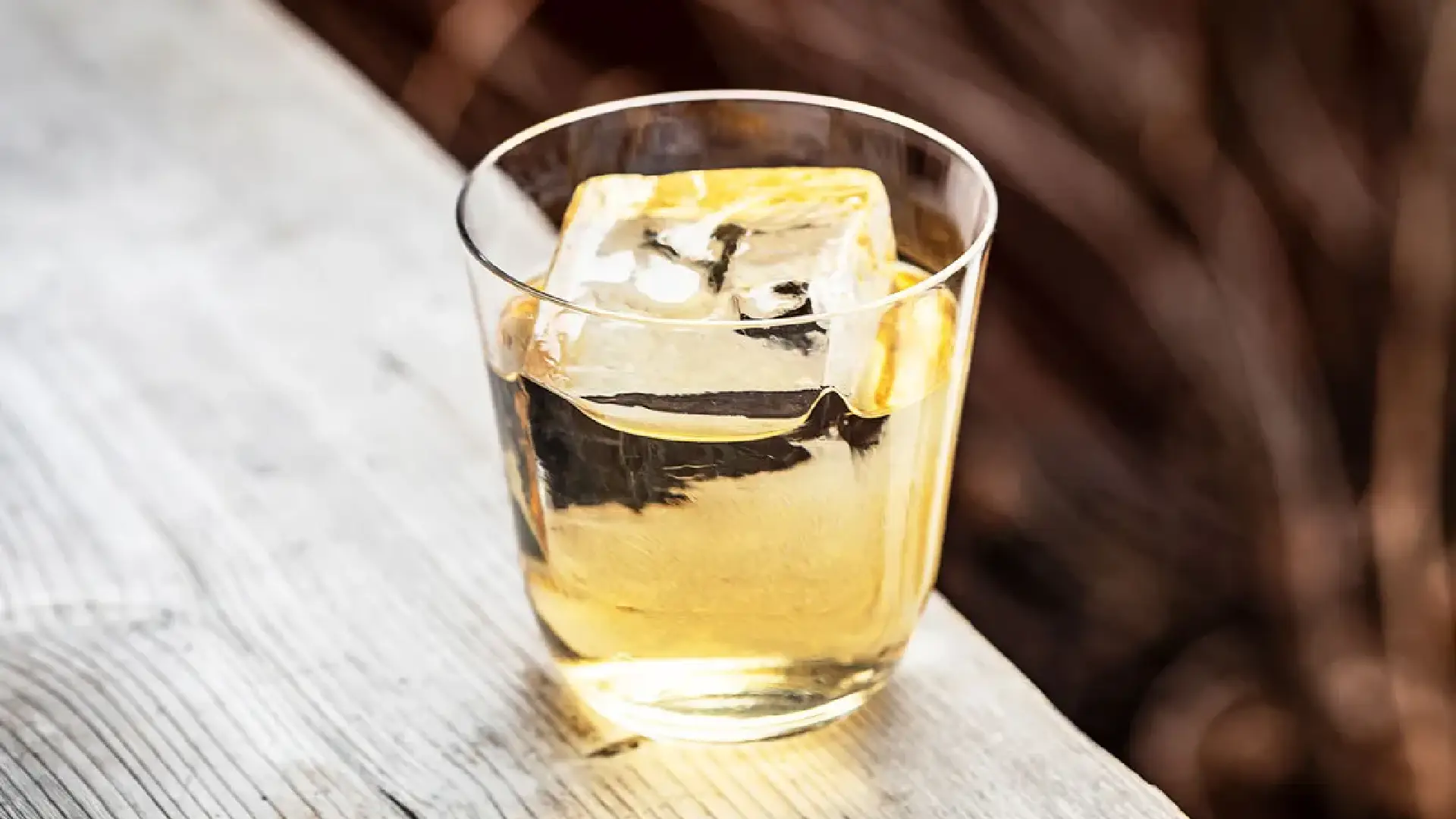
Few drinks demonstrate the ingenuity of bartenders across centuries quite like the clarified milk punch. At first glance, the idea seems paradoxical. Milk curdled with citrus or spirit, then strained until perfectly clear, produces a drink with remarkable smoothness, shelf stability, and elegance. This curious technique originated in the 18th century and has found new life in the 21st century as bartenders rediscover its brilliance.
Origins in the 18th Century
The earliest known written recipe appears in 1711, when Mary Rockett, an English household manager, documented a milk punch formula in her personal papers. By 1714, the method had gained wider recognition when British writer William Sacheverell referenced it during his travels. Within decades, it had become fashionable in London drawing rooms and gentlemen’s clubs.
One of its most famous admirers was Benjamin Franklin, who in 1763 sent a recipe from London to his friend James Bowdoin in Boston. Franklin’s version used brandy, lemon, sugar, and milk, clarified to a translucent amber liquid that could be stored for months without spoiling. This durability made milk punch ideal for long sea voyages, cementing its popularity across the British Empire and colonial America.
Codification in the 19th Century
By the early 19th century, milk punch had earned a place in bar manuals. Jerry Thomas, the legendary bartender of New York’s Occidental Hotel, included recipes for both hot and cold milk punches in his 1862 Bartender’s Guide. These versions leaned toward richer dairy-based drinks, while the clarified form retained its reputation as a refined specialty.
Although the technique required effort and precision, it stood apart for its unique ability to transform milk into something crystalline, extending both the flavor and lifespan of cocktails in ways other methods could not.
Decline and Survival
Over time, milk punch slipped from mainstream cocktail culture, overshadowed by simpler serves and the growing dominance of spirits consumed neat. Yet it never vanished entirely. Family recipes survived in Britain and the American South, where milk punches were sometimes enjoyed during holidays. Bartending literature continued to preserve occasional references, keeping the knowledge alive for future generations.
The Modern Revival
The modern revival began in the early 2000s, spurred by the craft cocktail renaissance. In London, pioneering bars like Milk & Honey and Artesian brought clarified milk punch back to menus, celebrating its elegance and history. In New York, innovators like Dave Arnold and Audrey Saunders refined the technique with centrifuges and fine filters, elevating the clarity and mouthfeel to unprecedented levels.
With new tools and global creativity, bartenders infused clarified milk punches with tea, exotic spices, herbal tinctures, or aged spirits, using the centuries-old method as a platform for innovation.
A Global Presence
Today, clarified milk punch can be found in cocktail bars from Singapore to San Francisco. Its appeal lies in its dual nature: both historical and modern. Each glass pays homage to Mary Rockett’s 1711 recipe, Franklin’s transatlantic exchange, and Jerry Thomas’s codification, while showcasing the imagination of today’s mixologists.
Its stability and adaptability also make it uniquely suited for pre-batched service, high-volume events, or tasting menus, allowing bartenders to highlight both efficiency and artistry.
A Time Capsule of Cocktail Culture
The clarified milk punch is more than a drink. It is a time capsule of global cocktail culture, demonstrating how techniques evolve, disappear, and return with new purpose. It bridges centuries of history, carrying the stories of drawing rooms, transoceanic voyages, and modern laboratories into a single glass.
For the Barlist community, it stands as a reminder that the world of spirits is never static. It is constantly reinvented by those who dare to look backward in order to move forward, proving that true innovation often lies in the rediscovery of forgotten traditions.

Barlist
Welcome to Barlist, where every drop tells a story
At Barlist, we live and breathe the art of spirits. Every bottle, every glass, every drop carries a story waiting to be told. With Barlist, we bring those stories to life- a place where flavours meet histories, and where true craftsmanship shines through tens of thousands of spirits and distilleries worldwide. Whether you’re a seasoned […]
March 9, 2026
Distilleries & Producers
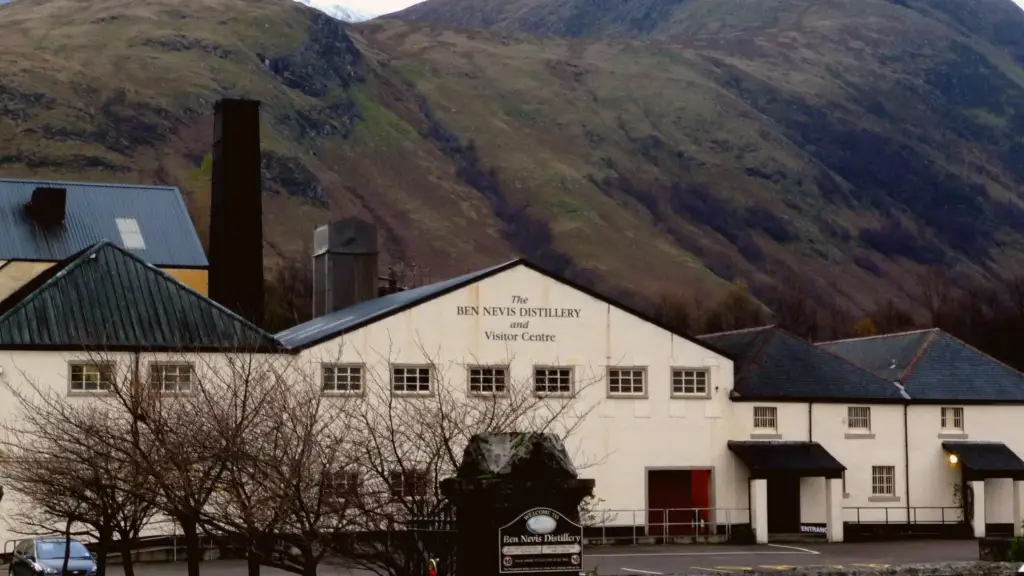
The Ben Nevis Distillery: From Long John MacDonald to Modern Ownership
At the foot of Britain’s highest mountain, Ben Nevis Distillery has lived a history defined less by continuity than by interruption. While many Highland distilleries trace a steady arc from founding to present day, Ben Nevis has moved in cycles of ambition, collapse, silence, and revival. Its story reveals how geography, capital, and global demand […]
February 24, 2026
Cocktails
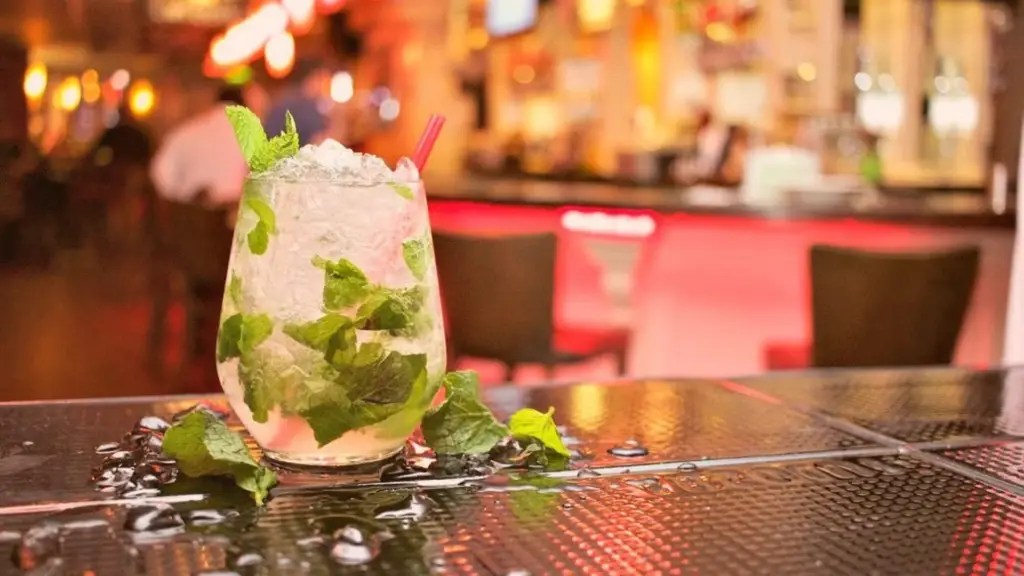
History of the Mojito Cocktail and Its Cuban Cultural Legacy
The history of the mojito cocktail is inseparable from Havana’s streets, Cuba’s sugarcane fields, and the Atlantic trade routes that shaped daily life on the island. Unlike many classic cocktails that emerged from hotel bars or European salons, the Mojito was shaped by necessity, climate, and local ingredients. Its identity evolved gradually, reflecting Cuba’s agricultural […]
January 30, 2026