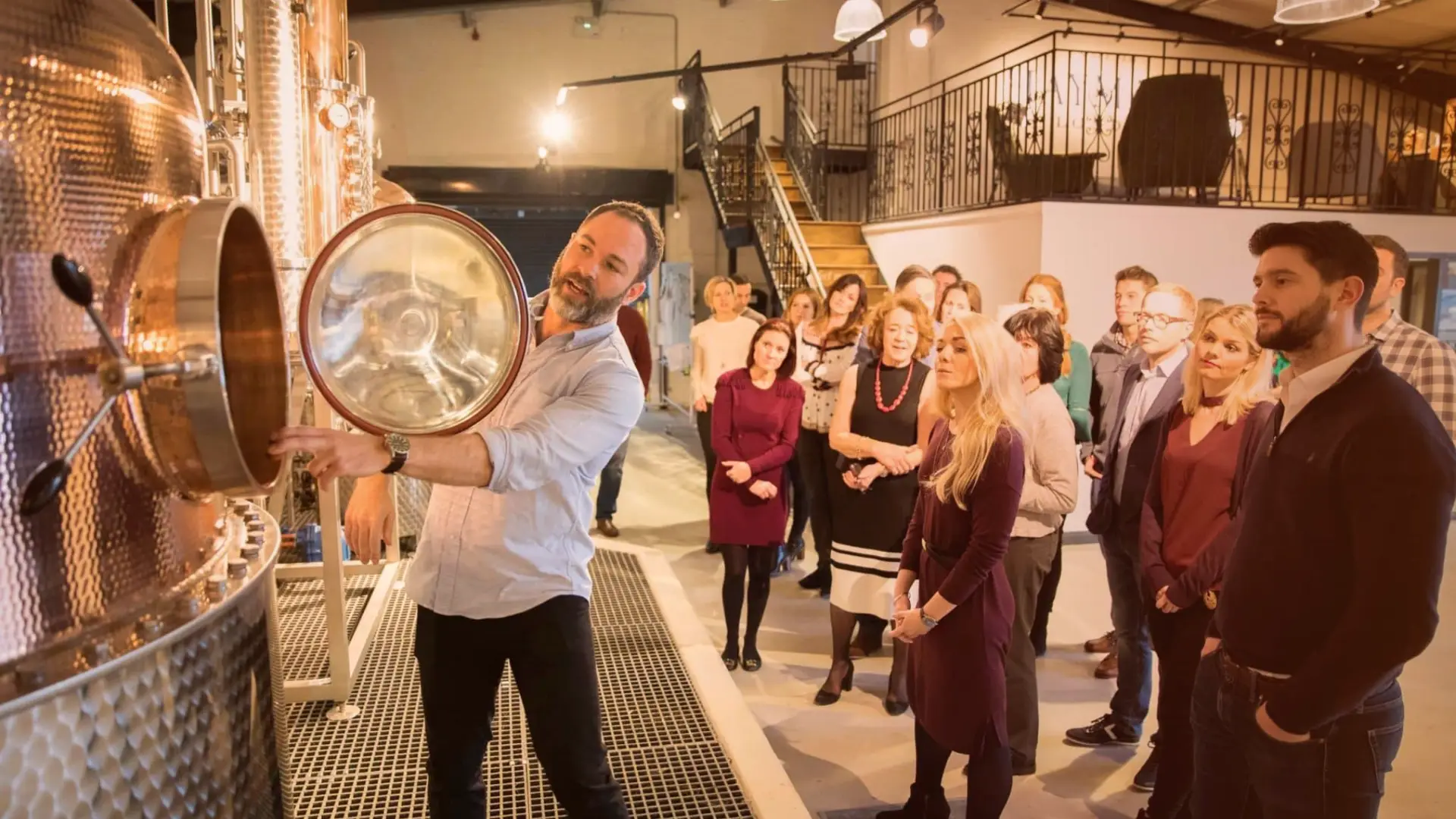
A visitor standing beneath the curved timber roof of The Macallan distillery in Speyside encounters a spectacle of transparency. Glass walls reveal stills. Interactive exhibits explain oak sourcing. The building itself, opened in 2018, was designed as an architectural statement of modern whisky confidence. Yet only portions of production are accessible. Beyond certain corridors, access tightens. Not everything is meant to be seen.
Across the globe, distilleries make deliberate decisions about visibility. Some open warehouses, fermentation rooms, and bottling lines to the public. Others restrict entry to curated visitor centres or remain entirely closed. The distinction is rarely about hospitality alone. It reflects production design, safety protocols, intellectual property, regulatory structure, and long-term brand positioning. In modern spirits culture, access is strategic.
The Historical Legacy of Secrecy
Distilling has always carried an element of guarded knowledge. In eighteenth- and nineteenth-century Scotland, illicit stills operated in remote glens to evade excise officers. After the Excise Act of 1823 legalised many operations, distillers still protected mash bills, yeast strains, and cask sourcing relationships. Recipes were intellectual property long before branding law formalised protection.
Even within legal frameworks, secrecy reinforced quality perception. In Cognac, houses such as Hennessy developed complex blending systems that remained internal knowledge passed between cellar masters. In Ireland, Midleton Distillery centralised production for multiple whiskey brands, operating large-scale pot and column still systems not designed for public foot traffic.
Secrecy was practical, but it also became symbolic. Controlled access suggested mastery and guarded heritage.
The Rise of the Visitor Experience
The late twentieth century transformed distillery economics. As single malt Scotch gained global recognition in the 1980s and 1990s, tourism became a revenue channel rather than a distraction. Glenfiddich pioneered this model in Scotland. Family-owned and founded in 1887 by William Grant, Glenfiddich invested early in guided tours, tasting rooms, and educational displays. The strategy did not compromise production. It monetised curiosity.
In Japan, Yamazaki Distillery established a visitor program that blends museum presentation with controlled access. Guests observe copper pot stills from designated walkways without interfering with environmental stability. The experience reinforces precision rather than demystifying it.
In the United States, Balcones Distilling integrates small-scale craft production with intimate tastings, leveraging proximity as brand strength. For such distilleries, openness builds loyalty and strengthens direct-to-consumer revenue.
Visitor access, in these contexts, is not a vulnerability. It is a strategy.
When Production Complexity Limits Access
Not every facility can safely accommodate tourism. Continuous column still operations generate high volumes of flammable ethanol vapor. Fermentation tanks emit carbon dioxide in confined spaces. Industrial bottling lines operate at speeds incompatible with wandering guests.
In Kentucky, major bourbon facilities balance visitor programs with strict separation between tour paths and active production floors. Fire codes, insurance liabilities, and occupational safety standards dictate architectural layout.
Here, closure is not mystique. It is an operational necessity.
Brand Positioning and the Value of Distance
Exclusivity remains powerful in luxury spirits. Even distilleries that embrace tourism often restrict access to sensitive areas. The Macallan’s modern estate offers immersive storytelling, yet its blending rooms and certain maturation operations remain private. The architecture communicates openness while maintaining core control.
Some producers prefer distance entirely. In Armagnac, smaller family estates may focus exclusively on production and export, lacking infrastructure for structured tours. Their model depends on distributor relationships rather than experiential marketing.
Distance can reinforce rarity. In luxury Cognac, blending decisions are made in private tasting rooms that are rarely open to the public. The unseen becomes part of the aura.
Economics of Accessibility
Opening to visitors demands infrastructure. Visitor centers require construction, staffing, insurance coverage, and compliance with accessibility standards. Production schedules must account for tour timing. Environmental stability must be preserved despite foot traffic.
Yet the return can be significant. Scotch whisky tourism generated tens of millions of pounds annually before pandemic disruptions. Direct-to-consumer sales offer higher margins than distributor channels. Limited-edition bottlings sold exclusively on-site generate additional revenue.
Distilleries calculate this equation carefully. Scale, geography, and brand positioning determine viability.
Transparency in the Digital Era
Modern consumers expect narrative transparency. When physical access is restricted, digital storytelling fills the gap. Virtual tours, documentary content, and technical breakdowns communicate the process without compromising safety or proprietary knowledge.
Transparency today does not require physical proximity. It requires clarity of information.
Distilleries increasingly operate hybrid models: controlled visitor centers paired with digital access, curated experiences balanced against protected production zones.
The Structural Logic of Access
The divide between open and closed distilleries is deliberate. It reflects production architecture, legal obligation, safety protocol, economic modeling, and brand identity. No serious distillery makes the decision casually.
Open doors signal engagement and educational intent. Closed doors protect precision, intellectual property, and operational continuity. Both approaches can coexist within the same facility.
Spirit production is not theatre. It is controlled chemistry operating within economic and cultural frameworks.
Distilleries exist at the intersection of craft, commerce, and culture. Whether welcoming visitors like Glenfiddich and Yamazaki or maintaining tighter control like Waterford and sections of The Macallan, each policy reflects structural philosophy.
Distillery
The Macallan Distillery is a beacon of heritage and craftsmanship located in the heart of Speyside, in the…
Distillery
The Glenfiddich Distillery, one of the most iconic names in the world of single malt Scotch whisky, is…

Distillery
The Suntory Yamazaki Distillery, Japan's first and oldest malt whisky distillery, was established in 1923 by Shinjiro Torii,…
Distillery
Midleton Distillery, located in County Cork, Ireland, is renowned as a cornerstone of Irish whiskey production. Founded in…
Distillery
Balcones Distilling, located in Waco, Texas, is renowned for its innovative approach to whiskey-making, producing a diverse range…
Video
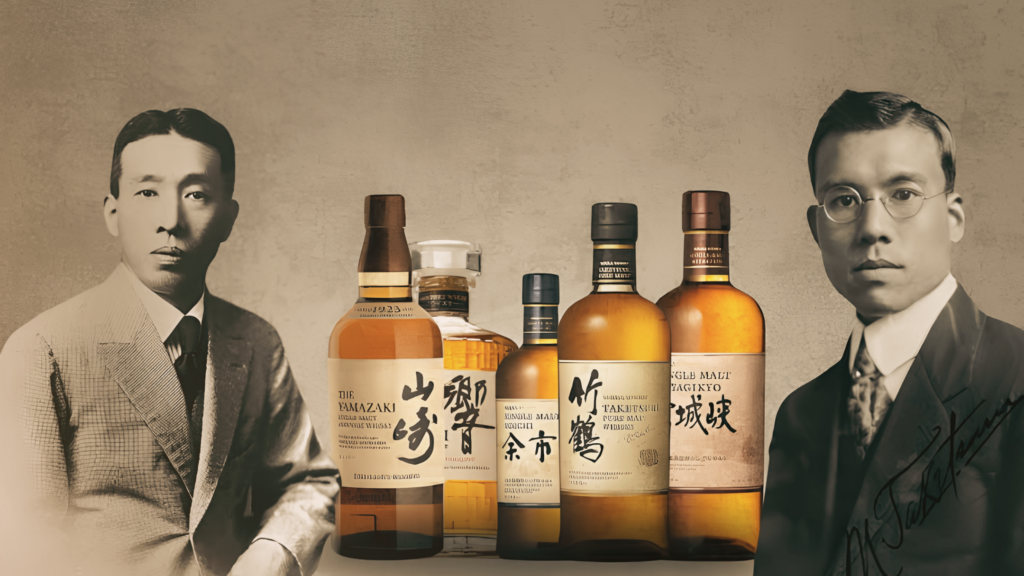
From Scotland to Japan: How Masataka Taketsuru Built a New Whisky Tradition
For centuries, Japan’s brewing heritage has centred on sake. Yet one man’s determination would change the country’s relationship with distilled spirits forever. Masataka Taketsuru did not simply introduce whisky to Japan. He studied its origins, understood its principles, and reimagined them for a completely different landscape. Learning Whisky at Its Source Born into a family […]
June 29, 2026
History
The Paris Judgement of Spirits: How Japanese Whisky Challenged Scotch Dominance
There was no single room in Paris where Japanese whisky defeated Scotch in one decisive afternoon. Unlike the famous 1976 wine tasting that placed California alongside France, whisky’s shift in hierarchy unfolded over several years, through blind tastings, international competitions, specialist publications, and a gradual shift in critical opinion. For much of the 1900s, Scotch whisky […]
June 11, 2026

Trends and Innovations
The Digital Decanter: How Alcohol E-Commerce Redefined Premium Spirits
A decade ago, acquiring a premium bottle of whisky or tequila required physical presence. The process unfolded inside specialist retailers, where access depended on geography, relationships, and availability. That structure has shifted. The rise of alcohol e-commerce has transformed acquisition into a digital experience, using Digital Decanter, where selection, storytelling, and delivery operate within a […]
May 21, 2026