Single barrel bourbon existed as a distillery practice before it existed as a recognised commercial category. Warehouse teams had always known that barrels matured differently. One might develop with unusual balance, another with greater depth, while a third might remain awkward even after years in the same building. Distillers occasionally reserved exceptional casks for owners, visitors, private customers, or important company occasions.
Most bourbon, however, reached the market through a different system. Producers combined whiskey from several barrels to create consistency. The aim was not to erase character, but to bring different casks into a stable house style.
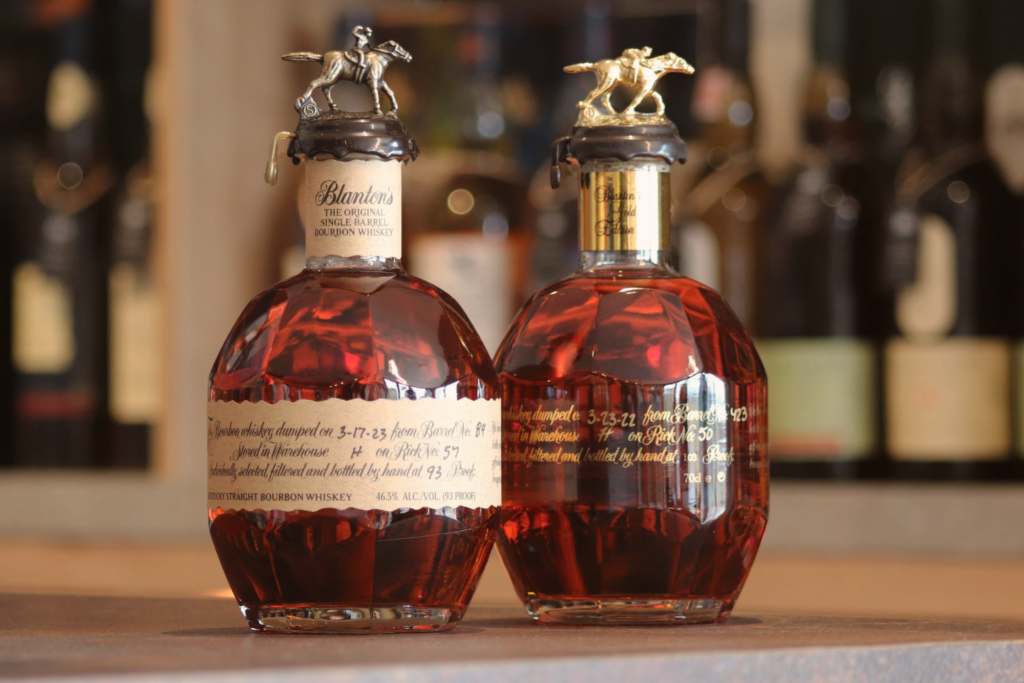
Blanton’s Single Barrel Bourbon changed what the public was invited to notice. When Elmer T. Lee introduced it in 1984, one selected barrel became the entire basis of each bottling. Variation was no longer kept behind the warehouse door. It became part of the product’s identity.
The timing was bold. American whiskey had spent years losing ground, and bourbon was not yet enjoying the cultural confidence it holds today. Blanton’s gave the category a new language, built around selection, warehouse knowledge, and the individuality of one cask.
Bourbon Was Always Shaped Barrel by Barrel
Every barrel begins with spirit produced to the same general recipe and distillation standard, but maturation soon introduces differences. Wood varies. Warehouse position varies. Temperature, airflow, humidity, and seasonal change affect each cask in its own way. Even barrels filled on the same day and stored close together will not necessarily develop identically.
Traditional bourbon production manages those differences through mingling. Several barrels are brought together so that the strengths of one can balance the weaknesses of another. The method supports consistency from one bottling to the next and depends on considerable judgement.
It is skilled work, not a compromise.
Single barrel production asks a different question. Instead of deciding which casks belong together, the selector decides whether one barrel is complete enough to stand alone. That idea sounds simple. In practice, it places far more weight on barrel assessment because there is nowhere for an unsuitable cask to hide.
Albert B. Blanton and the Frankfort Distillery
The name Blanton’s honours Albert Bacon Blanton, whose career was closely tied to the Frankfort distillery now known as Buffalo Trace Distillery.
He joined the operation in 1897 as a sixteen-year-old office boy. Over the following years, he worked across the business and learned the practical organisation of production, warehousing, and administration. In 1921, he became president of the George T. Stagg Distillery.
His tenure covered a difficult period in American whiskey history. The distillery remained active during Prohibition through federal permission connected with medicinal whiskey. It later faced the economic pressure of the Great Depression, a destructive flood in 1937, and the demands placed on industry during the Second World War. Distillery tradition also associates Blanton with the selection of particularly successful barrels for private guests. These casks were sometimes described as honey barrels, an informal term for whiskey judged to be especially strong within a warehouse.
The modern brand grew from that remembered practice. It did not revive a documented Blanton recipe. Instead, it turned the idea of personal barrel selection into a commercial identity.
Warehouse H and the Importance of Place
Warehouse H became central to the story. Unlike the heavy brick maturation warehouses found across much of Kentucky, the building is clad in metal. This allows its interior to respond quickly to changes in outdoor temperature. Kentucky’s summers and winters create repeated movement within the barrel as the whiskey interacts with the wood.
That does not mean metal construction automatically produces better bourbon. Nor does it mean every barrel stored inside the building develops in the same way.
Quite the opposite.
Position remains important. Barrels stored at different heights or in different parts of the warehouse may experience noticeably different conditions. The structure creates possibilities, but selection determines which casks are suitable for release. For Blanton’s, the warehouse became more than a place where barrels waited. It formed part of the explanation for why one cask could emerge with an identity distinct enough to be bottled on its own.
Elmer T. Lee and a Category in Decline
Elmer T. Lee joined the Frankfort distillery in 1949 after serving during the Second World War and completing an engineering degree at the University of Kentucky.
He began as a maintenance engineer, then moved through increasingly senior production roles. By the later years of his career, he held responsibility as plant manager and master distiller, overseeing both the practical operation and the continuing modernisation of the site. The market he faced during the early 1980s was difficult. Bourbon had lost cultural ground to vodka and other clear spirits, while producers were carrying stocks created during more optimistic years.
A new bourbon needed to do more than offer another familiar label. Lee’s response was to focus attention on something the industry usually kept internal: the individual barrel. Drawing on the stories associated with Albert B. Blanton, he developed a brand that presented selection itself as the source of distinction.
He didn’t try to make bourbon resemble the spirits that were overtaking it. He made the warehouse more visible.
The Winter 1984 Launch
Blanton’s Single Barrel Bourbon was introduced during the winter of 1984. It is widely recognised as the first modern commercial bourbon brand built around bottling one selected barrel at a time. That wording matters. Whiskey had been drawn from individual casks long before 1984, and private barrel selections were not new.
The innovation was commercial and organisational.
A permanent brand was created around the proposition that each bottling came from one barrel rather than a mingling of many. The cask was no longer simply a component in a larger production system. It became the unit through which the bourbon was identified.
The brand also carried a historical narrative. Albert B. Blanton supplied the name and the remembered private selection practice. Warehouse H supplied the setting. Elmer T. Lee connected the two and turned them into a product suited to a changing market.
The idea was controlled, but not rigid. Each selected barrel had to meet the required standard, yet slight differences between releases were accepted rather than blended away. That balance between consistency and individuality became the category’s defining tension.
What Single Barrel Bourbon Made Visible
Before Blanton’s, most of the decisions surrounding individual barrels remained within the distillery.
Warehouse teams assessed maturation. Production staff selected casks. Blenders and distillers combined stocks to maintain continuity. The public encountered the finished brand, not the differences that had existed between its component barrels.
Single barrel bourbon brought part of that hidden work into view. Barrel selection became a visible form of expertise. Warehouse position became part of the story. Details connected with one cask could carry meaning rather than disappearing into a larger mingling.
This altered the language available to American whiskey. Producers could now discuss individuality without abandoning quality control. They could acknowledge that barrels differed and still maintain that every selected cask belonged within the brand’s standards.
The shift was not merely decorative. It changed the relationship between production information and commercial identity. A barrel number was no longer just an internal record. It could become part of the whiskey’s public history.
A New Direction for Premium Bourbon
Blanton’s did not revive bourbon on its own.
The later recovery of American whiskey depended on export markets, investment, tourism, improved distribution, changing cultural interest, and the persistence of distilleries that survived the category’s weakest years.
Even so, the 1984 launch helped demonstrate that bourbon could support a more specialised and premium form of presentation.
Other producers followed with single barrel releases, small batch bottlings, barrel strength expressions, longer matured stocks, and products built around particular warehouse or production distinctions. These categories were not identical, but they shared a willingness to explain why one release differed from another.
The change gave producers more ways to organise their stocks. A distinctive barrel did not always need to disappear into a large mingling. It could support a separate release with its own production record.
That expanded the vocabulary of bourbon. Age, strength, batch size, barrel selection, maturation location, and production detail became more visible parts of how American whiskey described itself.
What Single Barrel Does Not Guarantee
The success of the category also created misunderstandings. A single barrel does not automatically mean older. It does not necessarily mean stronger, rarer, or technically superior. The term describes how the whiskey was selected and bottled, not an objective rank of quality.
A well constructed mingling may be more balanced than an individual cask. Blending several barrels can require just as much knowledge as selecting one. The difference lies in the kind of judgement being exercised.
With mingled bourbon, the producer builds a final profile from several components. With single barrel bourbon, the selector decides that one cask already carries the structure required to stand alone.
Not every barrel will qualify. Those that do not meet the standard may remain in maturation or become part of another product. Single barrel production therefore, does not remove selection and control. It places more responsibility on them.
From One Release to an Industry Category
The influence of Blanton’s spread well beyond one brand.
Single barrel releases became established across bourbon and other forms of American whiskey. Private barrel programmes later extended the concept by connecting selected casks with particular retailers, institutions, or markets.
Small batch bourbon developed beside it, offering a related but different model based on a limited group of barrels rather than one. Traditional mingling remained essential. Major whiskey brands still depended on it for consistency and scale. What changed was the range of recognised choices available to producers.
American whiskey could now present a standard house bottling, a small batch release, a single barrel selection, or a barrel strength expression without treating one form as the only legitimate approach. Blanton’s did not create every category that followed. It did prove that production detail could become a compelling part of bourbon’s identity.
The birth of modern single barrel bourbon was not a rejection of blending. It was a decision to let one barrel remain visible. Albert B. Blanton supplied the historical memory. Warehouse H supplied the physical setting. Elmer T. Lee recognised that both could answer a problem facing American whiskey in 1984.
The result changed the status of variation.
For generations, differences between barrels had been managed inside the distillery. Blanton’s brought those differences into the public story while keeping selection standards firmly in place. That was its real contribution. It did not invent the individual cask, and it did not rebuild bourbon by itself. It showed that one barrel could carry enough production history to support an entire brand.
American whiskey had always depended on barrels. After Blanton’s, the single barrel became a recognised category of its own.

Partnership

Pisco: A Spirit Claimed by Two Nations
Pisco is one of the few spirits whose identity is divided by national borders rather than defined by them. Both Peru and Chile claim pisco as a national spirit, each supported by legal frameworks, historical narratives, and active production. This dual claim is not a modern branding dispute. It is the outcome of colonial administration, […]
October 7, 2026
Partnership
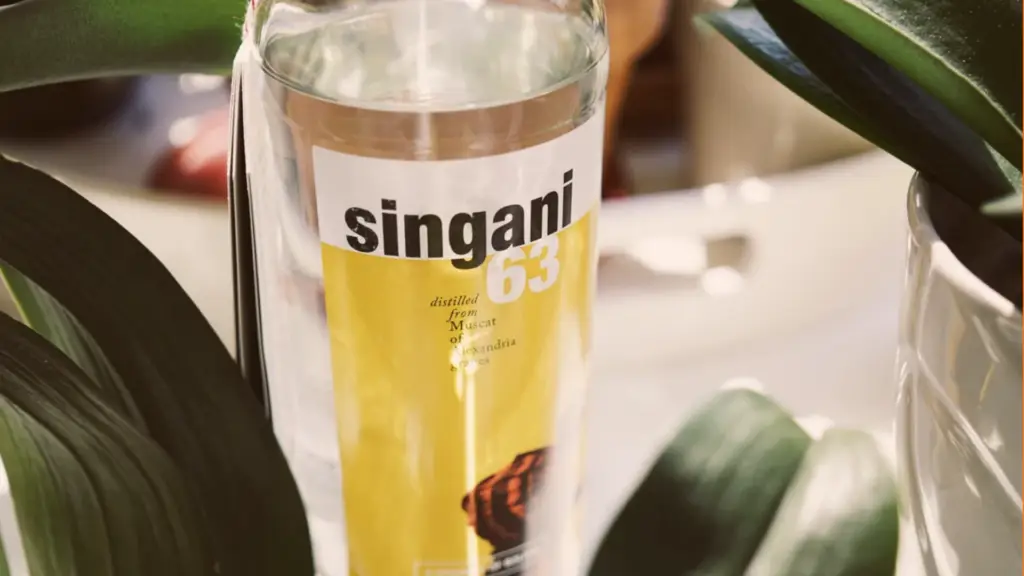
Singani: Bolivia’s High-Altitude Spirit and a Forgotten Andean Heritage
Singani is one of the least understood legally protected spirits in the world. Despite centuries of continuous production in Bolivia, it remains largely absent from global spirits discourse. This absence is not due to ambiguity or lack of definition. Singani is one of the most tightly structured grape distillates in existence, defined by altitude, grape […]
September 30, 2026
Partnership
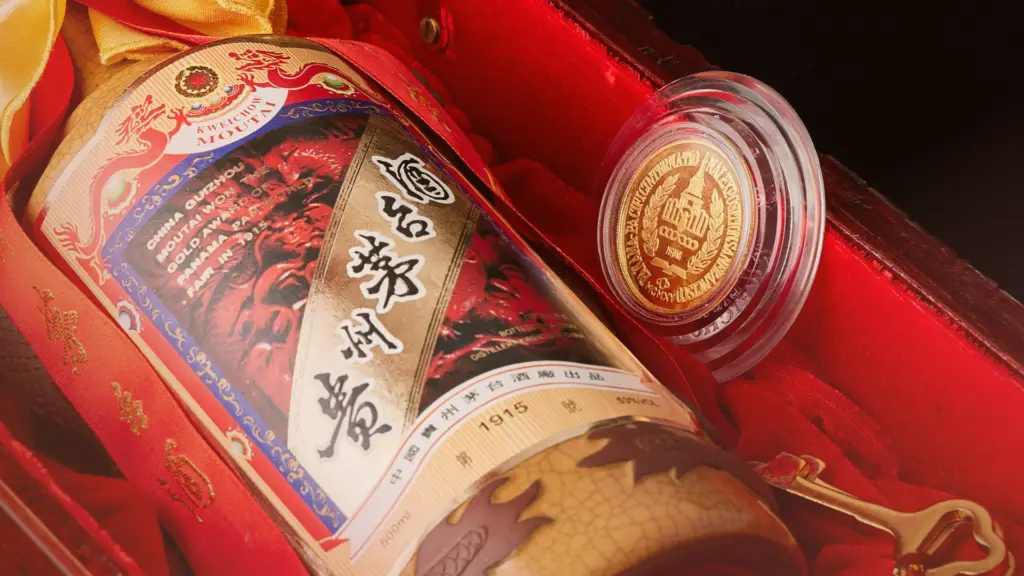
Kweichow Moutai: The Protected Origin of Sauce Aroma Baijiu
Moutai begins in a bend of the Chishui River, in a town where geography has been asked to explain taste for generations. The river, the valley heat, the purple-red soils, the surrounding hills, and the microbial life of Maotai Town are all part of the story people tell when they try to explain why this […]
September 27, 2026