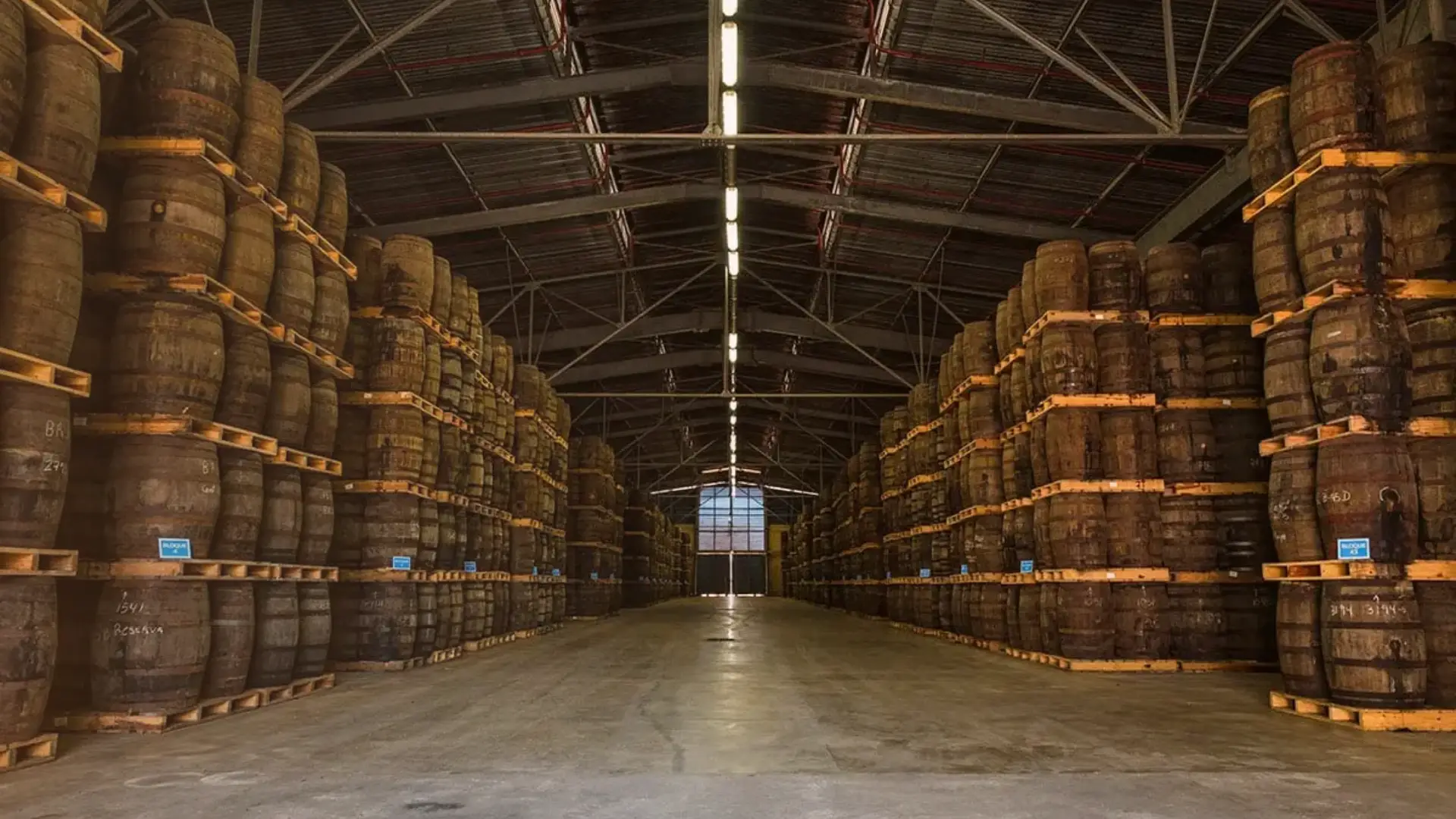
The name Havana Club does not refer to the same rum everywhere. Across much of the world, it belongs to a Cuban produced brand managed through Havana Club International, the joint venture created by Corporación Cuba Ron and Pernod Ricard. In the United States, the name appears on a different rum made in Puerto Rico by Bacardí.
The disagreement between them is often presented as a commercial feud between two large drinks companies. That description is accurate, but incomplete. Behind the labels are two Cuban family businesses, the nationalisations of 1960, decades of exile, competing trade mark registrations, American sanctions, and a basic question that law has never answered neatly.
Who inherits a brand after a revolution: the state that continues producing it, or the family whose business was taken? That argument has followed Havana Club for more than sixty years.
Two Cuban Businesses Before the Revolution
Bacardí began in Santiago de Cuba in 1862, when Facundo Bacardí Massó purchased a small distillery and established the company that carried his family name.
The business grew beyond one production site. It invested in fermentation, filtration, maturation, blending, packaging, and distribution, while the bat emblem gave the brand a visual identity that travelled easily across markets.
By 1910, Bacardí had opened operations in Barcelona and New York. Production facilities followed in Mexico and Puerto Rico during the 1930s. Those investments were made for commercial expansion, not as preparation for exile, but they later proved decisive.
The company behind Havana Club followed a different path. The wider Arechabala enterprise had been established in Cárdenas in 1878. It grew into an important industrial concern with interests in sugar, shipping, alcohol, and rum. In 1934, José Arechabala S.A. introduced the Havana Club brand.
The choice of name was commercially astute. The rum was produced in Cárdenas, but Havana carried stronger international associations with hotels, nightlife, music, tourism, and Cuban cocktail culture. Before 1959, Bacardí and Havana Club were separate Cuban brands owned by separate families. They weren’t yet competing for the same identity.
Bacardí Builds Outside Cuba
The contrast between the two companies became important before either lost its Cuban property.
Bacardí had already developed operations beyond the island. Its production facilities, company structures, registrations, technical knowledge, and distribution network were spread across several countries. The Arechabala business remained much more closely tied to Cárdenas. Its factories, records, equipment, and commercial base were concentrated in Cuba.
It would be easy to present this as brilliant foresight by one family and a strategic mistake by the other. The reality is less dramatic. Companies expand for practical reasons, and neither family could have predicted exactly how the Cuban Revolution would deal with private property.
Still, the difference in structure mattered. When the Cuban assets were taken, Bacardí retained a functioning international company. José Arechabala S.A. did not have an equivalent network abroad. One business could continue. The other largely disappeared.
Revolution, Exile, and Nationalisation
The forces led by Fidel Castro removed Fulgencio Batista from power in January 1959. The revolutionary government soon began restructuring land ownership, banking, trade, and industry. In 1960, the Cuban operations of both Bacardí and José Arechabala S.A. were nationalised without compensation accepted by the former owners.
The seizure affected much more than trade marks. It included production sites, offices, warehouses, equipment, records, stocks, and property accumulated over decades. The Arechabala family lost control of the company that had created Havana Club. Family members left Cuba, and the private business no longer operated as it had before the revolution.
Bacardí also lost its Cuban distilleries and offices, including the celebrated Edificio Bacardí in Havana. Yet its foreign operations remained outside the reach of the Cuban state. Production continued in Puerto Rico, Mexico, and elsewhere, while the company reorganised its international structure.
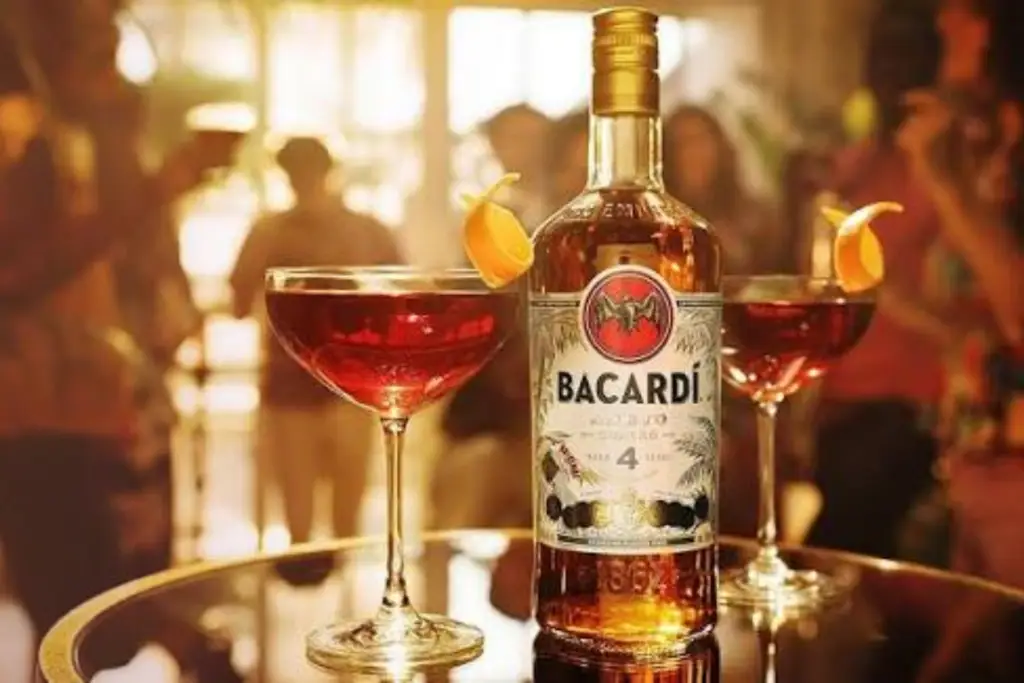
The same act of nationalisation therefore produced two very different outcomes. Bacardí became a Cuban company operating in exile. Havana Club became a Cuban brand separated from the family business that had created it.
Havana Club Under State Ownership
The Cuban government reorganised the island’s rum industry under state control.
The Havana Club name eventually became one of the most visible brands within that system. Production continued under a different ownership structure, using Cuban facilities, workers, raw materials, blending knowledge, and ageing stocks.
That created a claim based on geography and continued production. The original private company had disappeared, but rum bearing its historic name was again being made in Cuba.
The Arechabala family understood the situation differently. From its perspective, there had been no negotiated sale, voluntary transfer, or agreed succession. The state had taken the business and later used its commercial identity. Both positions begin with the nationalisation of 1960. The disagreement lies in what followed.
For the Cuban side, the brand became part of a national industry. For the former owners, the state never acquired legitimate rights to the name in the first place.
Cubaexport and the American Registration
The United States trade mark history added another layer. The earlier American registration connected with José Arechabala S.A. expired. In 1976, the Cuban state company Cubaexport registered Havana Club in the United States. It renewed that registration in 1986 and 1996, even though Cuban sanctions prevented it from selling rum through the ordinary American market.
The registration therefore had defensive value. It preserved a legal claim to the name in a country where the product itself could not be commercially distributed. This distinction is easy to miss. Registration did not mean that Cuban Havana Club was available in American shops. It meant that Cubaexport maintained a formal claim that could become commercially important if sanctions changed.
That possibility gave the trade mark significance far beyond the amount of rum actually sold.
Pernod Ricard Gives the Brand Global Reach
A major change came in 1993, when Pernod Ricard and Corporación Cuba Ron created Havana Club International.
The arrangement combined two very different resources. The Cuban side supplied production, stocks, local knowledge, and the identity of a rum made within Cuba. Pernod Ricard brought investment, commercial organisation, and an international distribution network.
The partnership expanded Havana Club across markets outside the United States. The American embargo remained in place, but the brand gained a much larger presence in Europe, Latin America, and other regions.
The joint venture also changed the balance of the dispute. Bacardí was no longer dealing only with a Cuban state enterprise. It was facing a large French company with extensive legal, financial, and distribution capacity. What had begun as the aftermath of nationalisation became a global corporate conflict.
Bacardí Takes Up the Arechabala Claim
During the 1990s, Bacardí reached agreements with members of the Arechabala family concerning their remaining interests and claims connected with the Havana Club name.
The precise language around this transfer has long been contested, so it is safer not to reduce it to a simple purchase of one recipe or one complete trade mark. What is clear is that Bacardí based its American claim on rights obtained from descendants of the family that had created the brand.
In 1995, Bacardí began limited sales of its own Havana Club rum in the United States. The product was made outside Cuba and later became associated with production in Puerto Rico.
This created a second argument about continuity. The Cuban version drew legitimacy from present-day production inside Cuba. The Bacardí version drew legitimacy from an agreement with the family whose company had introduced the name in 1934.
Each side could point to a genuine historical connection. Neither connection erased the other.
When a Trade Mark Became Foreign Policy
The dispute soon moved beyond ordinary brand law.
In 1998, the United States enacted Section 211 of the Omnibus Consolidated and Emergency Supplemental Appropriations Act. The provision restricted the recognition and enforcement of certain trade marks connected with Cuban businesses nationalised after the revolution unless the original owner had consented.
The measure strengthened the legal position taken by Bacardí. Opponents argued that it had been designed largely around the Havana Club dispute. The European Union challenged the American measure through the World Trade Organisation, turning the argument into an international dispute about trade obligations as well as Cuban property.
By then, the name had become entangled with almost every unresolved issue between Cuba and the United States: sanctions, confiscated property, compensation, exile politics, intellectual property, and diplomatic recognition.
The question was no longer simply who had used the name first. It was whether American law should recognise commercial rights derived from property nationalised by the Cuban government. That is a political question as much as a legal one.
The Renewal Dispute
The registration held by Cubaexport became the centre of another long legal battle.
In 2005, Cubaexport attempted to renew the registration before its expected expiry in 2006. Payment of the required fee needed authorisation from the Office of Foreign Assets Control, commonly known as OFAC, because of sanctions governing transactions with Cuban entities. At first, that authorisation was refused. The renewal remained unresolved for years.
In 2016, OFAC granted a licence that retroactively authorised the earlier payment, and the United States Patent and Trademark Office accepted the renewal. Bacardí challenged that decision, arguing that the registration should already have expired.
The case moved through the federal courts for several years. In a published judgment on 16 June 2026, the United States Court of Appeals for the Fourth Circuit upheld the renewal. The judges concluded that the 2016 OFAC licence had removed the legal obstacle affecting the 2005 payment. On that narrow issue, Cubaexport prevailed.
The decision did not declare one side the universal owner of Havana Club. It addressed whether the American trade mark office had acted lawfully when it accepted the delayed renewal. That difference is crucial.
A New Law and an Unfinished Conflict
The legal setting changed again in December 2024, when the United States enacted the No Stolen Trademarks Honoured in America Act.
The statute limits the ability of American courts and federal agencies to recognise certain trade marks associated with property confiscated by the Cuban government without the consent of the original owner. Bacardí supported the law. Cuba denounced it.
The June 2026 judgment upheld the validity of the earlier renewal, but it did not settle how the 2024 statute may affect future renewal, enforcement, or recognition. Other legal proceedings concerning the name have also followed separate paths.
This is why headlines announcing a final winner are usually premature. The dispute is not one case. It is a collection of overlapping arguments about registration, sanctions, enforcement, ownership, nationalisation, and market access. A ruling can close one door while leaving several others open.
Two Different Ideas of Cuban Continuity
The legal filings rest on a cultural disagreement that courts are poorly equipped to resolve.
What makes a rum Cuban?
The version produced through Havana Club International has the clearest geographical answer. It is made in Cuba, within the country’s current rum industry, by Cuban workers and production teams.
The Bacardí argument begins elsewhere. Bacardí was founded in Cuba and became one of the country’s most important private companies before the exile. Its claim to Havana Club comes through the descendants of the family that established the brand.
One position gives priority to continued production within the country. The other prioritises private ownership, subject to state seizure. Both are forms of historical continuity. They simply preserve different things.
The revolution separated family ownership from Cuban geography. The Havana Club conflict has spent decades trying to decide which of those connections deserves greater weight.
Two Rums Carrying One Name
The competing products are not identical rums made in different factories. They come from different companies, different facilities, different stocks, and different systems of ownership. Their legal positions also change according to the market in which the name appears. Outside the United States, Havana Club generally refers to the Cuban-produced brand associated with Corporación Cuba Ron and Pernod Ricard.
Within the United States, it refers to the rum sold by Bacardí and produced in Puerto Rico. The shared name does not hide the disagreement. It makes the disagreement visible.
For the Cuban side, Havana Club represents production that remained on the island after nationalisation. For Bacardí and the Arechabala descendants, it represents private property taken from its creators and later commercialised without their consent. Neither version can tell the whole story on its own.
The rivalry between Havana Club and Bacardí is often reduced to a contest over a famous rum name. The real subject is inheritance after political rupture.
Bacardí survived because it had already built production and corporate structures outside Cuba. José Arechabala S.A. had not. The Cuban state continued using the Havana Club name, then expanded it internationally with Pernod Ricard. Bacardí later brought the original family’s claim into the American market.
Every side has history to draw upon.
The Cuban product has geography and continued island production. The Bacardí product has an agreement with the descendants of the brand’s private founders. Cubaexport has a United States registration upheld in June 2026, while newer American legislation may shape what happens next.
There is no single legal decision capable of repairing the break created in 1960. The revolution separated brands from families, businesses from buildings, and national identity from ownership. More than six decades later, two different rums still carry the consequences.

Spirit
Havana Club 11 YO Rum is a remarkable expression from the acclaimed Havana Club rum distillery, renowned for…

Spirit
Bacardi Añejo Cuatro is a premium rum that showcases Bacardi's legacy of craftsmanship and commitment to quality. Distilled…

Spirit
Bacardí Carta Oro Superior Gold Rum
Bacardi Carta Oro Rum stands as a classic embodiment of the art of rum-making, showcasing the deep-rooted traditions…
Spirit
Bacardí Añejo Cuatro 4 YO Gold Rum
Bacardí Añejo Cuatro is a premium aged rum that embodies the mastery of Bacardí's craftsmanship and rich heritage.…
Spirit
Havana Club 'Iconica' Selección De Maestros Rum
Havana Club Selección de Maestros Rum is a distinguished Cuban rum noted for its smoothness and complex flavor…
Spirit
Havana Club 15 YO Gran Reserva Rum
Havana Club Añejo 15 Años Gran Reserva Rum is a distinguished Cuban rum renowned for its complexity and…
Partnership
Canchánchara Cocktail: Cuban Origins, Honey, and the Precursor to Modern Rum Sours
Long before the codification of classic cocktails in printed manuals or the emergence of international bar standards, there existed a drink in eastern Cuba that combined rum, honey, lime, and water in a form both practical and symbolic. The Canchánchara is not a product of bar culture in the conventional sense. It predates it. Its […]
July 16, 2026
Partnership
Kweichow Moutai: The Protected Origin of Sauce Aroma Baijiu
Moutai begins in a bend of the Chishui River, in a town where geography has been asked to explain taste for generations. The river, the valley heat, the purple-red soils, the surrounding hills, and the microbial life of Maotai Town are all part of the story people tell when they try to explain why this […]
September 27, 2026
Partnership

The Shipwreck That Turned Rum Into a Time Capsule
Rum was not designed to be preserved. It was designed to move. For most of its early history, rum existed as cargo rather than a collectable, shipped in bulk or sealed bottles across the Atlantic as part of a vast commercial system linking sugar plantations, ports, navies, and merchants. When sealed bottles of 19th century […]
September 23, 2026