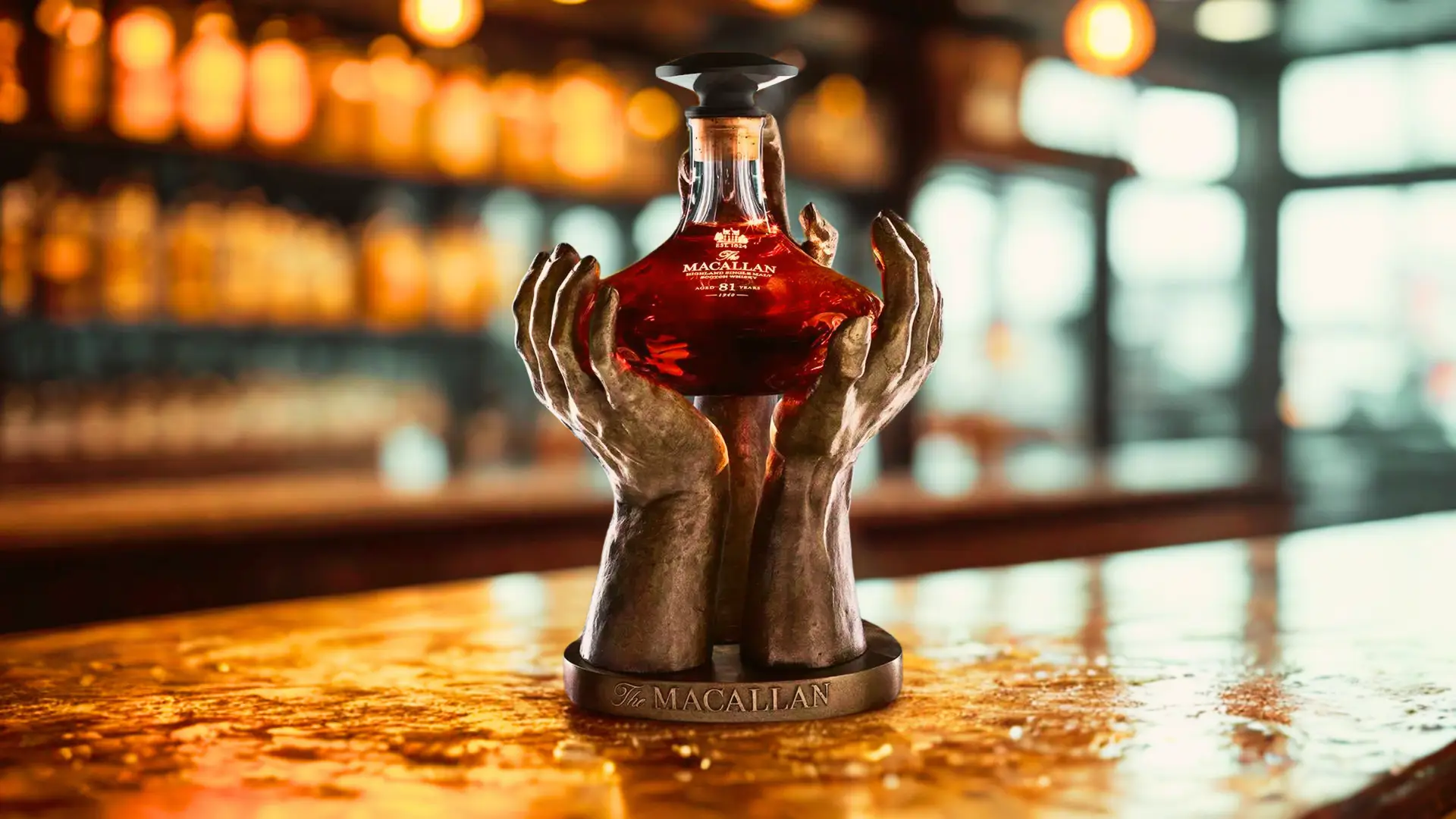
Weight arrives before aroma. A heavy glass bottle, a magnetized closure, an embossed crest, and a velvet-lined box signal prestige before the cork is drawn. In the global spirits market, presentation often precedes palate. Luxury Packaging in Spirits operates at the intersection of psychology, design, and economics, shaping perception long before liquid quality can be assessed. The question is not whether packaging matters, but how deeply it influences judgment.
Premiumization accelerated in the late twentieth century as multinational groups expanded across whisky, Cognac, tequila, and rum. Packaging evolved into a strategic language, communicating heritage, scarcity, and exclusivity through visual cues.
The Historical Emergence of Luxury Packaging in Spirits
Glass bottles were once purely functional. In the 18th and 19th centuries, spirits were often transported in barrels and bottled at retail.
Brand identity strengthened during industrial expansion. Houses such as Hennessy (1765, Cognac) and Rémy Martin (1724) adopted distinctive bottle designs to differentiate authenticity from imitation.
By the twentieth century, packaging became central to identity. Johnnie Walker introduced its square bottle in the 1870s to reduce breakage, unintentionally creating a lasting visual signature. Later, Johnnie Walker Blue Label (1992) elevated presentation through weighty glass and ornate labeling.
This marked a shift where packaging moved from a protective vessel to a symbolic object.
Design as Psychological Architecture
Consumer psychology shows that tactile weight and visual symmetry influence perceived value. In spirits retail, thicker glass and metallic detailing imply craftsmanship.
Brands such as The Macallan (1824, Speyside) collaborate with design houses to produce sculptural decanters for limited releases, reinforcing prestige.
In tequila, Clase Azul introduced hand-painted ceramic bottles, transforming packaging into a collectible artifact. This reflects a defining tension in Luxury Packaging in Spirits: aesthetic elevation can overshadow production detail.
Cognac and the Theatre of Presentation
Cognac producers have long mastered theatrical presentation. Expressions such as Hennessy Paradis and Rémy Martin Louis XIII demonstrate how packaging conveys heritage and longevity.
Louis XIII, introduced in 1874, is presented in handcrafted Baccarat crystal, each decanter individually numbered. The vessel itself becomes a symbol of time and craftsmanship, often preceding sensory evaluation.
When Packaging Outpaces Production
Critics argue that excessive packaging can mask mediocre liquid quality. Emerging brands sometimes invest more in bottle design than in distillation or aging.
In contrast, producers such as Springbank (1828, Campbeltown) maintain understated packaging, emphasizing fermentation, barley sourcing, and maturation.
This contrast defines a central question: does packaging enhance substance or substitute for it?
Sustainability and the Modern Consumer
Environmental concerns have reshaped luxury presentation. Heavy glass increases carbon footprint, while elaborate packaging generates waste.
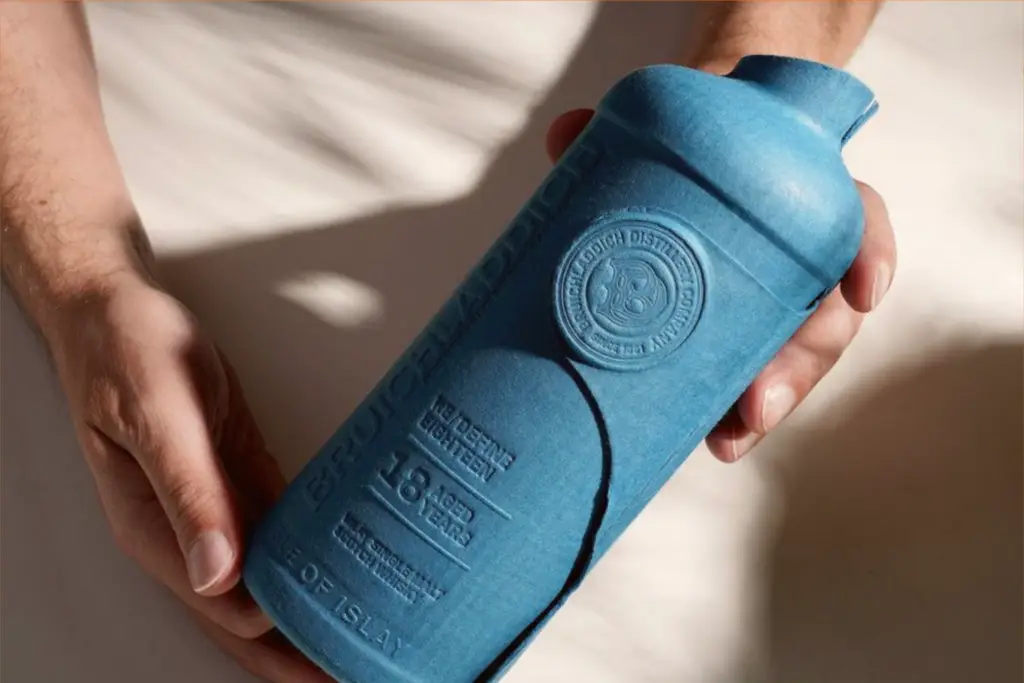
Producers now explore recycled materials and minimalist design. Bruichladdich (Islay, reestablished 2001) emphasizes transparency, terroir, and reduced packaging excess.
This shift suggests a future where Luxury Packaging in Spirits aligns with sustainability without sacrificing identity.
The Blind Tasting Paradox
Blind tastings often reveal the disconnect between presentation and perception. Without visual cues, even experienced drinkers struggle to distinguish price tiers.
Studies across wine and spirits competitions show that label prestige influences scoring when identities are visible. Packaging acts as a cognitive frame, shaping expectation before tasting begins.
Packaging remains integral to spirits culture, communicating lineage, region, and aspiration. From Johnnie Walker Blue Label to Clase Azul and Louis XIII, presentation continues to define perceived value.
Yet the liquid must sustain the narrative. Luxury Packaging in Spirits achieves its highest form when design and craftsmanship align, transforming decoration into a complete sensory experience.
Distillery
Bruichladdich Distillery Company
Bruichladdich Distillery Company, nestled on the idyllic Isle of Islay in Scotland, is renowned for its dedication to…
Distillery
The Macallan Distillery is a beacon of heritage and craftsmanship located in the heart of Speyside, in the…
Distillery
Hennessy Cognac is renowned as the world's leading producer of cognac, representing a harmonious blend of tradition and…
Distillery
Rémy Martin is a prestigious French distillery renowned for its exceptional production of cognac, with a rich heritage…
Spirit
Hennessy Paradis Imperial Cognac
Hennessy Paradis Imperial Cognac is regarded as the jewel of the Hennessy collection, showcasing the pinnacle of craftmanship…
Spirit
Louis XIII De Rémy Martin Grande Champagne Cognac
Rémy Martin Louis XIII Cognac represents the pinnacle of cognac craftsmanship, a blend of over 1,200 eaux-de-vie, each…
Spirit
Louis XIII The Miniature Cognac
Louis XIII The Miniature Cognac is a remarkable representation of one of the world's finest and most prestigious…
Spirit
Johnnie Walker Blue Label Of the Rabbit Whisky
Johnnie Walker Blue Label Year Of the Rabbit is a limited-edition release from one of Scotland's most storied…
Trending
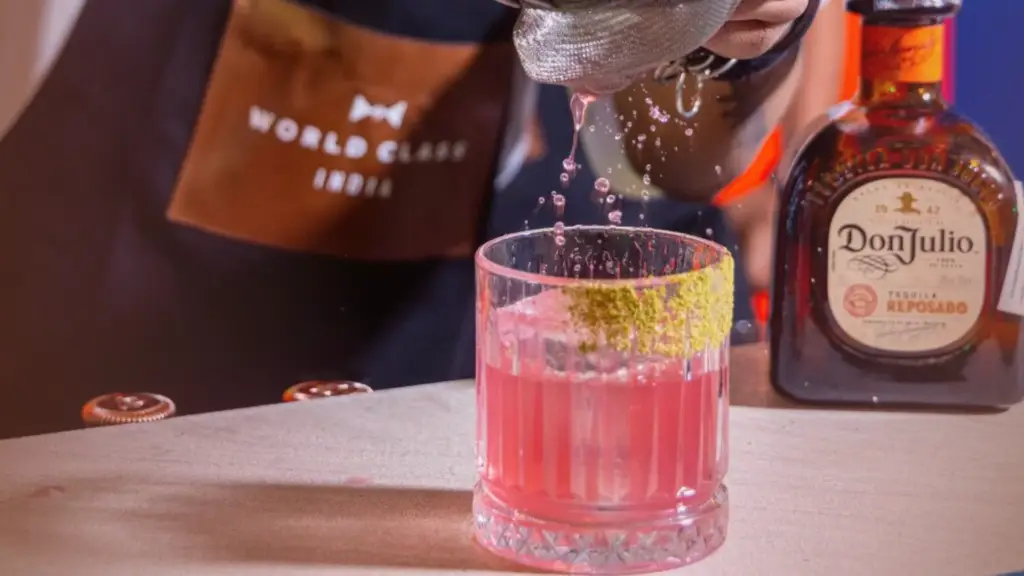
World Class 2026 and Dubai’s Rise as a Global Cocktail Culture Hub
From bartender competition to global industry platform The modern cocktail world has developed far beyond the traditional image of the bartender as a skilled server behind a bar. Over the past two decades, bartending has increasingly been recognised as a professional discipline built on technical knowledge, hospitality, creativity and a deeper understanding of spirits. Few […]
September 8, 2026
Trending
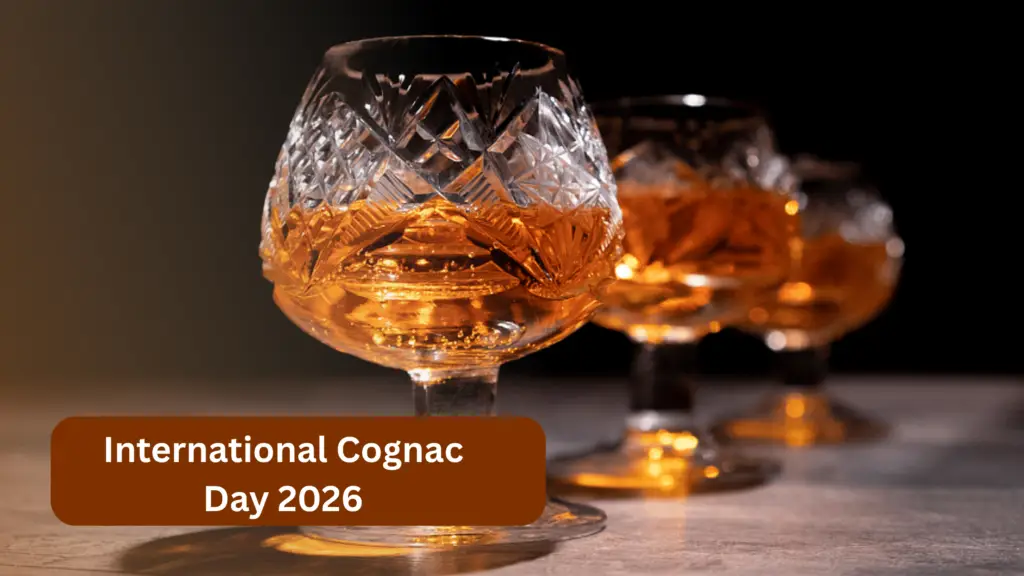
International Cognac Day: History, Appellation, and the Spirit of Charente
International Cognac Day is observed each year on June 4, but the spirit it recognizes belongs to a much longer calendar. Cognac is shaped by harvests, distillation seasons, oak maturation, and a legal framework that has turned a regional wine distillate into one of France’s most carefully protected spirits. Its identity begins in the Charente, […]
June 4, 2026
Trends and Innovations
The Digital Decanter: How Alcohol E-Commerce Redefined Premium Spirits
A decade ago, acquiring a premium bottle of whisky or tequila required physical presence. The process unfolded inside specialist retailers, where access depended on geography, relationships, and availability. That structure has shifted. The rise of alcohol e-commerce has transformed acquisition into a digital experience, using Digital Decanter, where selection, storytelling, and delivery operate within a […]
May 21, 2026