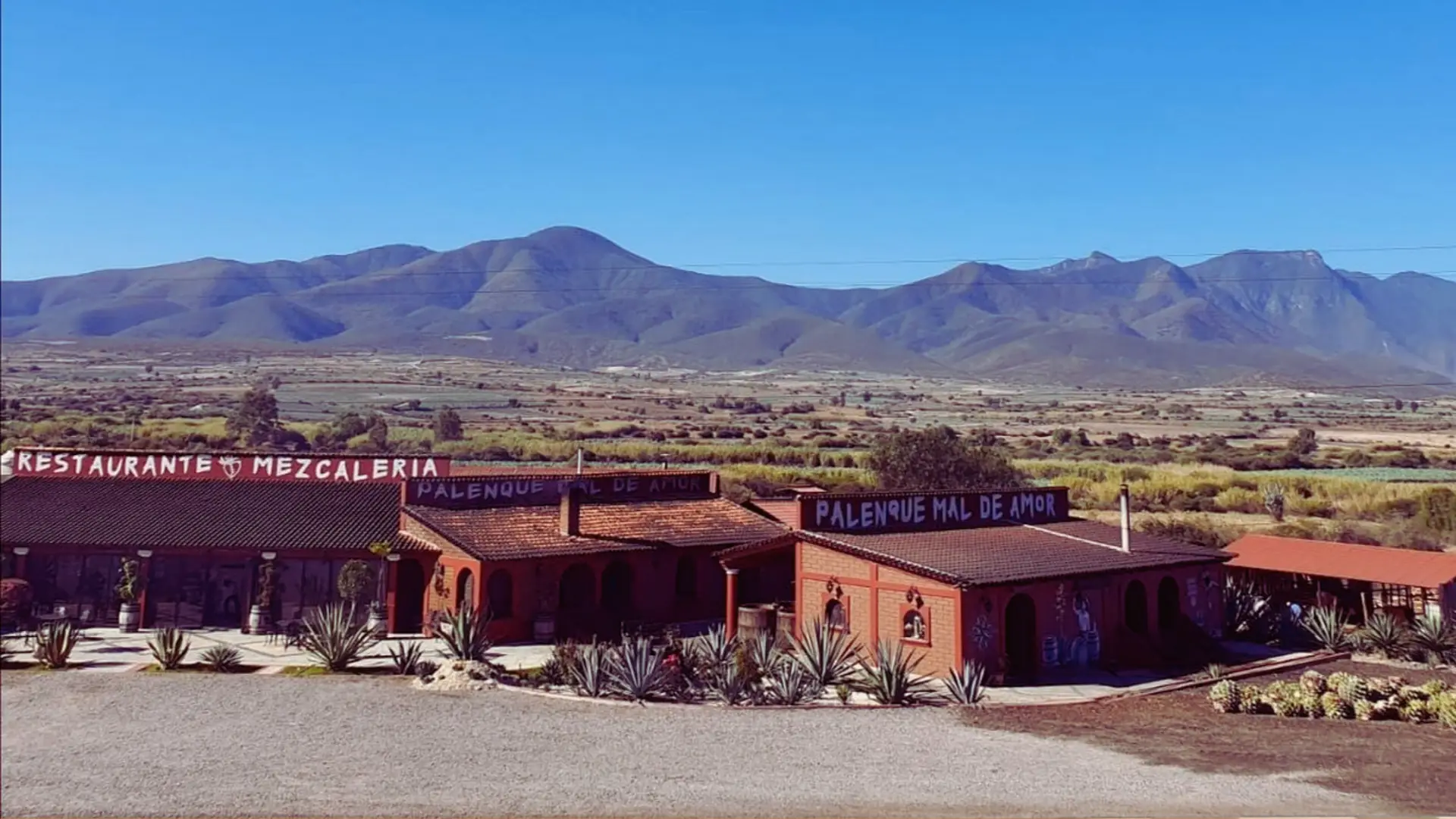
Morning in Oaxaca begins not with silence but with smoke. In rural valleys beyond the colonial center, earthen pits are uncovered at dawn, releasing the scent of roasted agave that has rested beneath volcanic rock for days. By nightfall, that same spirit may be poured in a candlelit bar along Calle Macedonio Alcalá, sipped slowly beneath carved wooden beams. To drink through Oaxaca is to move between field and city, between palenque and polished counter, tracing mezcal from origin to glass.
Oaxaca produces the majority of Mexico’s Mezcal and remains its cultural epicenter. The journey through its palenques and urban bars reveals how tradition and contemporary hospitality coexist without dilution of identity.
The Palenque as the Foundation of Mezcal
A palenque is not merely a distillery. It is an agricultural workshop, a fermentation site, and a communal gathering space. In villages such as Santiago Matatlán, often described as the World Capital of Mezcal, families have produced mezcal for generations. Agave espadín, the most commonly cultivated variety, is harvested after years of maturation. The piñas are roasted in underground pits lined with river stone, imparting the characteristic smoke that defines many Oaxacan expressions.
After roasting, the agave is crushed using a tahona, a stone wheel pulled by mule or tractor. Fermentation occurs in open wooden vats using ambient yeasts. Distillation is conducted in copper stills or clay pot stills, depending on regional practice. Producers such as Real Minero in Santa Catarina Minas continue to use clay pot distillation, preserving ancestral techniques across agave varieties, including Tepextate and Arroqueño.
The Denominación de Origen Mezcal, established by the Mexican government, defines the legal production regions of mezcal. Within this framework, Oaxaca remains the cultural and production center of the category.
Families and Producers Anchoring Identity
Names carry weight in Oaxaca’s mezcal culture. Mezcal Vago, working with producers such as Aquilino García López, emphasizes transparency by naming the mezcalero on each bottle. Del Maguey Single Village Mezcal, founded by Ron Cooper, introduced village-specific identity to international markets.
Families behind producers such as Real Minero and Los Danzantes maintain generational continuity, grounding mezcal in agricultural cycles rather than industrial scale. Bottles frequently reference agave variety, village, and distillation method, reinforcing that mezcal remains inseparable from place.
Urban Bars and the Contemporary Mezcal Scene
As mezcal gained international recognition, Oaxaca City developed a parallel identity through its bars. Venues such as Mezcalería Los Amantes and In Situ Mezcalería, created by Ulises Torrentera, function as both bar and archive, presenting hundreds of mezcal expressions.
At Sabina Sabe, led by Sandra Velasco, mezcal enters cocktail context without losing its identity. Bartenders build balanced drinks that highlight agave character rather than masking it.
The contrast between countryside and city is deliberate. In rural settings, mezcal may be served from unmarked containers during communal gatherings. In the city, it is presented in curated environments. Yet the liquid itself remains unchanged, anchored in its origin.
Ritual, Community, and Cultural Continuity
Mezcal in Oaxaca is inseparable from ritual. It accompanies weddings, funerals, and village celebrations. The phrase “para todo mal, mezcal, y para todo bien, también” reflects its cultural integration into daily life.
Unlike tequila, which industrialized in Jalisco, mezcal retained fragmented, family-based production for much of its history. This fragmentation preserved biodiversity. Oaxaca cultivates agave varieties such as Espadín, Tobalá, Tepextate, and Madrecuixe, each contributing distinct structural and aromatic profiles.
In clay-distilled mezcals from Santa Catarina Minas, earthy minerality emerges. In copper-distilled expressions from Santiago Matatlán, fruit and smoke achieve balance. These variations define mezcal not as a single style, but as a spectrum tied to land and method.
Global Recognition and Sustainability Challenges
The rise of mezcal internationally brought both visibility and pressure. Increased demand led to concerns around wild agave harvesting and long-term sustainability. Producers and organizations now emphasize replanting initiatives and responsible cultivation.
Del Maguey, later acquired by Pernod Ricard, expanded global distribution while maintaining focus on artisanal production. The balance between scale and authenticity remains central to contemporary mezcal discourse.
Urban bars increasingly act as educational platforms, guiding consumers toward responsibly sourced expressions and reinforcing the connection between production and consumption.
To drink through Oaxaca is to experience continuity rather than contrast. The Palenque grounds mezcal in soil, smoke, and lineage. The urban bar interprets that same spirit within contemporary hospitality. Together, they form a single system.
Barlist traces these intersections between producers, places, and ritual. From the roasting pits of Santiago Matatlán to the curated shelves of In Situ Mezcalería, mezcal remains anchored in identity. Oaxaca after dark does not replace the countryside. It reflects it. In every glass, one encounters volcanic earth, fermented sweetness, and the measured smoke of ancestral craft sustained across generations.

Bar
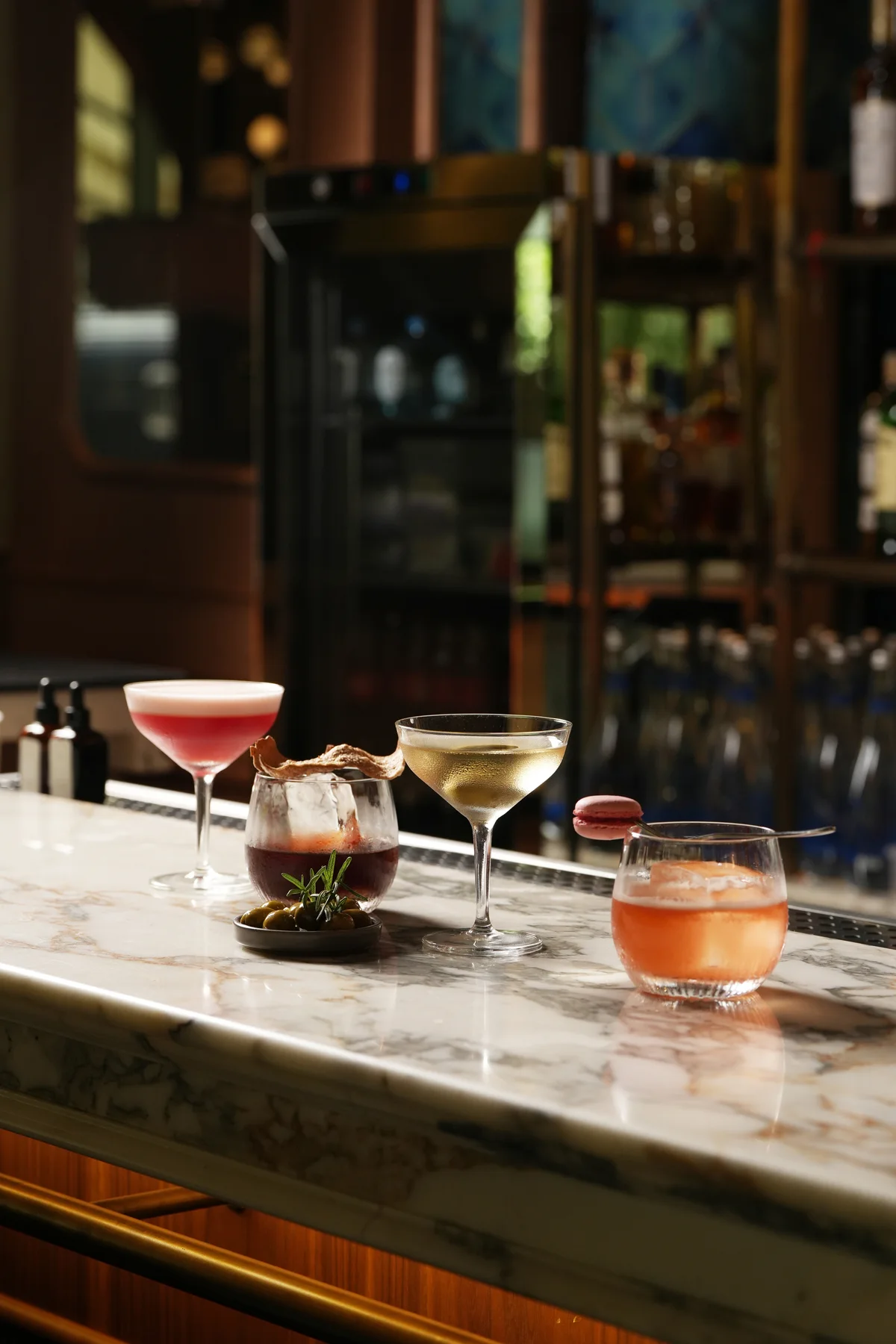
Selva is a vibrant and forward-thinking cocktail bar located in the heart of Oaxaca de Juárez, Mexico. Nestled…
Bar
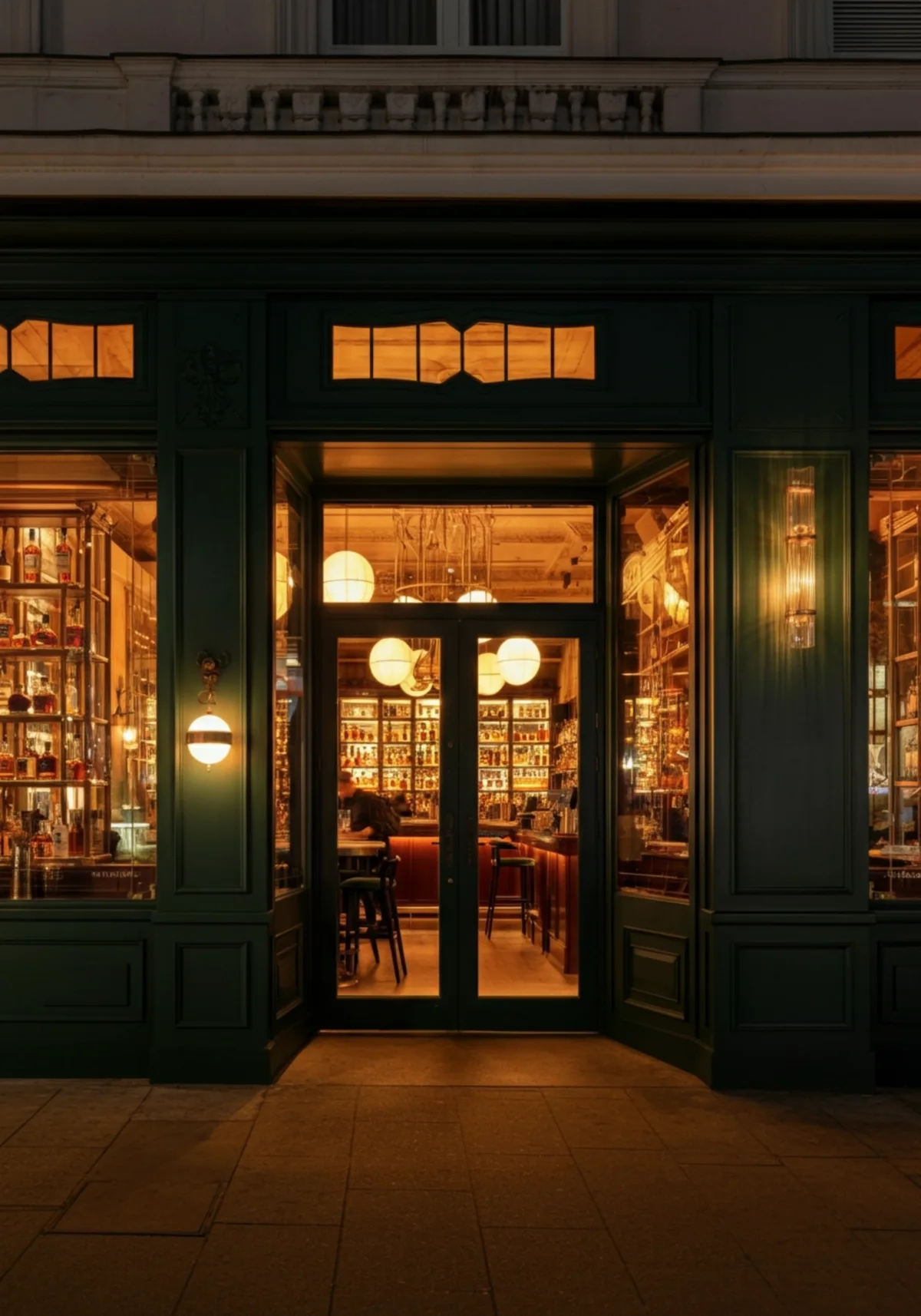
Sabina Sabe is a distinguished mezcal-focused cocktail bar located in the historic heart of Oaxaca de Juárez, Mexico.…
Distillery
Based in Santiago Matatlan, Oaxaca, the Los Danzantes distillery is renowned for its top-quality spirit production. The distillery…
Distillery
Del Maguey, pronounced ma-gay, is a revered brand in the world of mezcal, known for its authentic, artisanal…
Distillery
Pernod Ricard stands as a celebrated titan in the global spirits landscape, embodying the phrase "Créateurs de Convivialité,"…
Spirit
Del Maguey Single Village Mezcal
Del Maguey San Luis Del Rio Azul Mezcal is a premium mezcal that exemplifies the artisanal craftsmanship and…
Distilleries & Producers
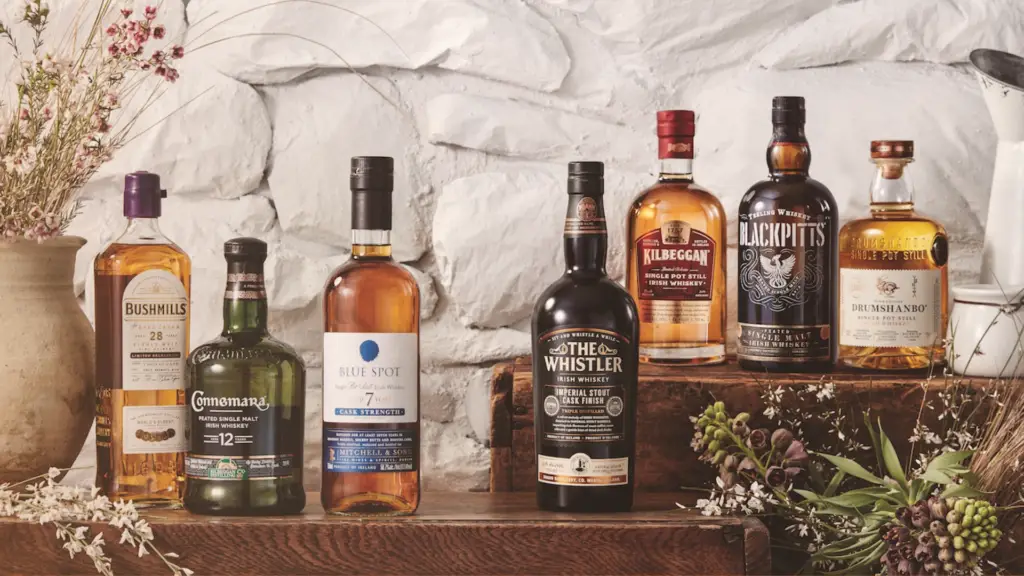
The Revival of Irish Whiskey: How Cooley Distillery Challenged an Industry in Decline
By the late 1980s, Irish whiskey carried a celebrated past but supported very little competition. An industry that had once included dozens of distilleries had contracted to two working production sites controlled by the same company. Historic distilleries had closed, regional distinctions had weakened, and the possibility of establishing an independent Irish whiskey producer appeared […]
June 10, 2026
Distilleries & Producers
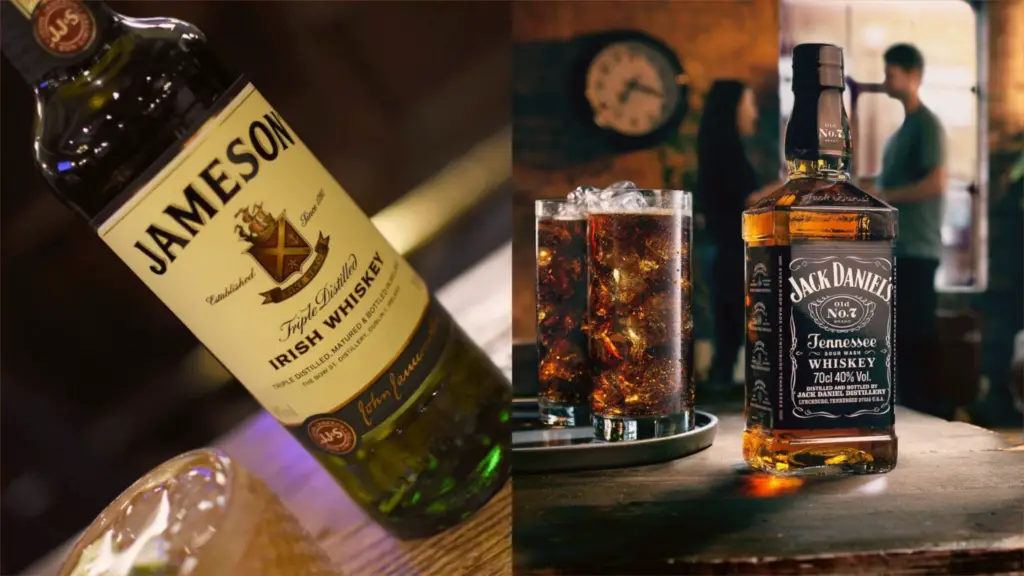
Pernod Ricard and Brown-Forman: Scale, Slowdown, and the Structural Reset of Global Spirits
Speculation around a potential alignment between Pernod Ricard and Brown-Forman has surfaced not as a confirmed transaction, but as a revealing signal of where the spirits industry stands today. The idea itself reflects a deeper tension. When companies of this scale are hypothetically combined, the conversation is no longer about expansion. It is about how […]
March 31, 2026
Distilleries & Producers
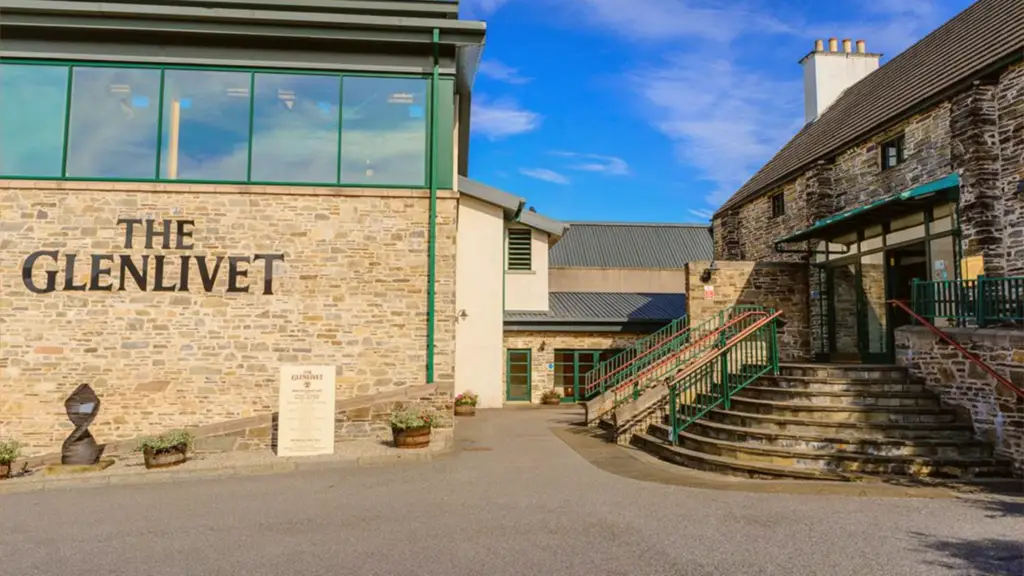
The Glenlivet Distillery: Heritage, Tourism, and the Control of Narrative
Long before it became one of the most-visited distilleries in Scotland, The Glenlivet Distillery existed in a landscape defined by illegal production. The Livet Valley, remote and difficult to access, was known in the early 19th century for widespread illicit distillation. Whisky was produced outside the control of excise authorities, and enforcement was inconsistent. The turning point came […]
December 26, 2025