In a dimly lit bar, a crystal-clear drink arrives at the table, transparent as water yet aromatic with citrus, spice, or oak. The first sip confounds expectation. Texture is silkier than the appearance suggests. Flavor unfolds in layers without cloudiness. This is the language of clarified cocktails.
A clarified cocktail is a mixed drink that has undergone a filtration process to remove suspended solids, pigments, and particulate matter while preserving flavor and alcohol structure. Most commonly achieved through milk clarification or centrifugal separation, the technique produces a transparent liquid that retains aromatic complexity and softened acidity. Visual purity results from chemical transformation rather than dilution. Clarity does not signal absence. It signals refinement.
Far from novelty, clarified cocktails represent a technical evolution rooted in 18th-century Milk Punch traditions and refined within the contemporary bar laboratory.
Historical Roots of Clarified Cocktails
The foundation of clarified cocktails lies in milk punch, a technique documented in the eighteenth century. Benjamin Franklin described adding milk to a mixture of spirits, citrus, and sugar. The curdled milk captured tannins and suspended particles. When strained, the resulting liquid appeared clear yet remained stable and shelf-ready.
In Britain, taverns and private clubs adopted clarified milk punches as durable service solutions. The technique traveled to colonial America and the Caribbean, where rum-based punches were frequently clarified for transport. Early clarified cocktails were not theatrical creations but practical preservation tools.
The Science Behind Clarified Cocktails
Modern clarified cocktails rely on protein coagulation and filtration science. When milk is added to an acidic cocktail containing citrus, the casein proteins bind with polyphenols and particulate matter. The mixture is strained through fine cloth or paper filters, leaving behind a transparent liquid with softened acidity and rounded texture.
In contemporary settings, centrifuges accelerate separation. At Booker and Dax inside Momofuku Ssam Bar, which is closed now, Dave Arnold advanced centrifuge clarification to produce clear juices and infusions without dilution. Similarly, the Connaught Bar under Agostino Perrone incorporates clarified elements to achieve textural refinement while maintaining visual elegance.
The scientific discipline behind clarified cocktails demands temperature control, accurate acidity measurement, and filtration patience. The result is structural clarity without sacrificing aromatic integrity.
Texture as the Defining Feature of Clarified Cocktails
Visual transparency often leads guests to expect thinness. Yet clarified cocktails are defined by texture. Milk clarification reduces harsh edges, integrating ethanol and softening citrus bite. The final drink frequently presents a rounded mouthfeel and extended finish.
Consider the Clarified Piña Colada, popularized in modern bars such as Employees Only. By clarifying pineapple juice and coconut components, bartenders preserve tropical aroma while removing opacity. The cocktail becomes stable, luminous, and structurally cohesive.
Texture control also extends shelf life. Clarified milk punches can remain stable for weeks under refrigeration, allowing consistent batch service in high-volume hotel environments.
The Modern Bar Lab and Experimental Precision
The 21st-century bar increasingly resembles a laboratory. Liquid nitrogen, rotary evaporators, and centrifuges have entered professional back bars. At Atlas, clarified techniques support consistency in large-scale service. Meanwhile, White Lyan, created by Ryan Chetiyawardana, relied heavily on clarification and distillation to maintain precision.
In these environments, clarified cocktails embody control. Acidity is measured in grams per liter. Filtration is timed. Garnish is restrained to preserve transparency. The aesthetic aligns with modern minimalism, yet the method echoes centuries-old milk punch logic.
Spirits That Define Clarified Cocktails
Rum, whiskey, gin, and aged cognac frequently anchor clarified cocktails. Brands such as Plantation Rum and Hennessy appear in clarified variations across contemporary menus. By removing particulate matter, bartenders highlight base spirit character without interference.
The technique also lends itself to barrel-aged cocktails. When clarified before aging, the spirit blend absorbs oak influence evenly. This reflects a broader movement toward production literacy within mixology, where chemistry informs creativity.
The Balance Between Innovation and Heritage
Despite advanced equipment, the philosophy behind clarified cocktails remains rooted in balance. Benjamin Franklin’s milk punch and Dave Arnold’s centrifuge-driven techniques share a common intent. Remove instability. Preserve flavor. Refine texture.
The clarity seen in a modern coupe’s glass represents accumulated knowledge rather than novelty. It is a technique disciplined by history.
The rise of clarified cocktails illustrates how modern bartending bridges heritage and science. From milk punch to laboratory precision at Booker and Dax or the Connaught Bar, clarification transforms perception without erasing identity.
Barlist documents these evolutions, connecting distilleries, spirits, and venues that push technique forward while honoring historical roots. In a transparent glass of clarified punch, one encounters more than a visual spectacle. One encounters texture engineered through knowledge and restraint. In that balance between clarity and depth, the modern bar lab finds its most articulate expression.

In partnership with Spirits Selection
Spirits Selection is a global spirits competition and editorial partner of Barlist, contributing expertise, tasting insights, and institutional credibility to selected stories and guides.

Bar
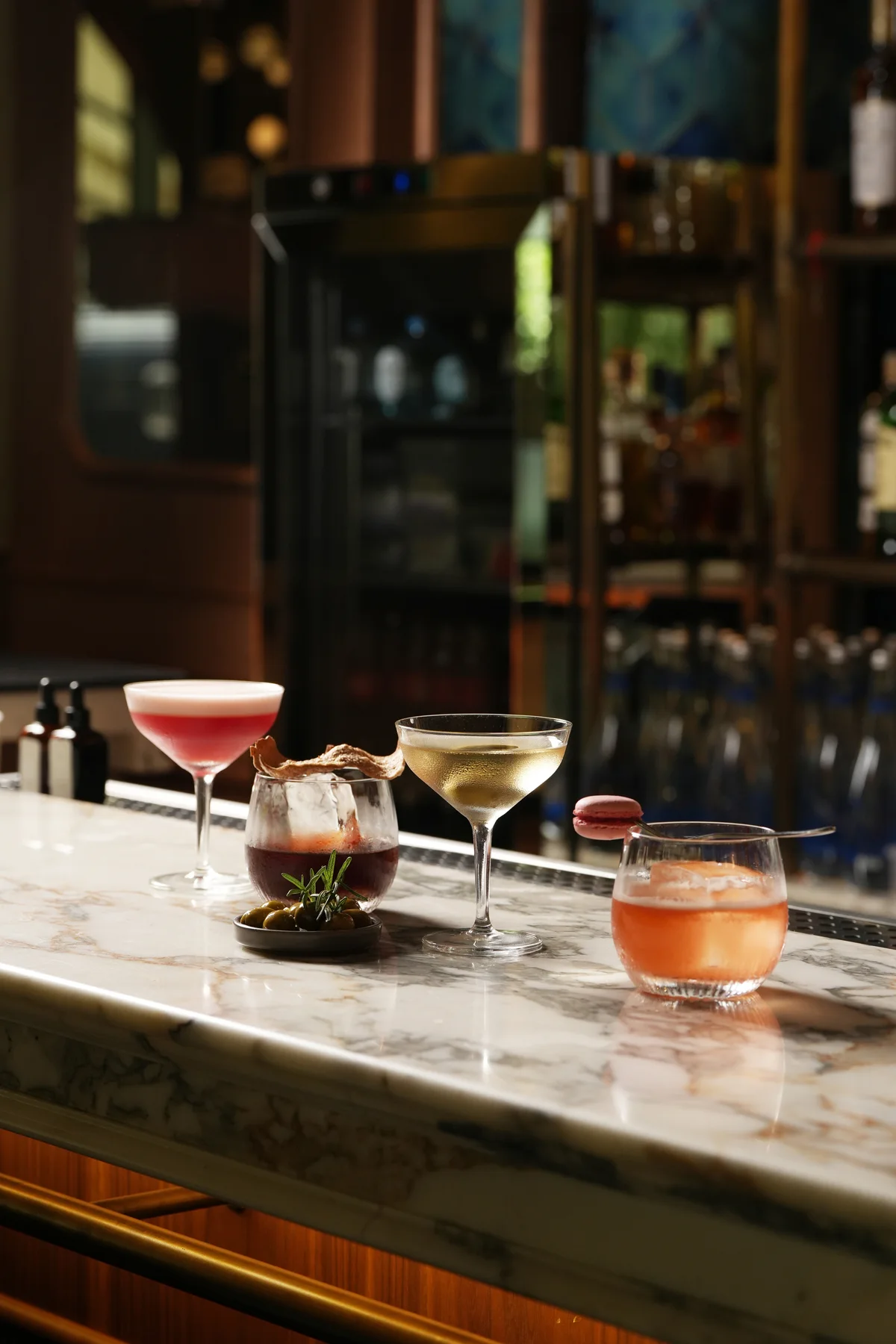
Employees Only is a renowned cocktail bar located in the heart of New York City’s West Village. Since…
Bar
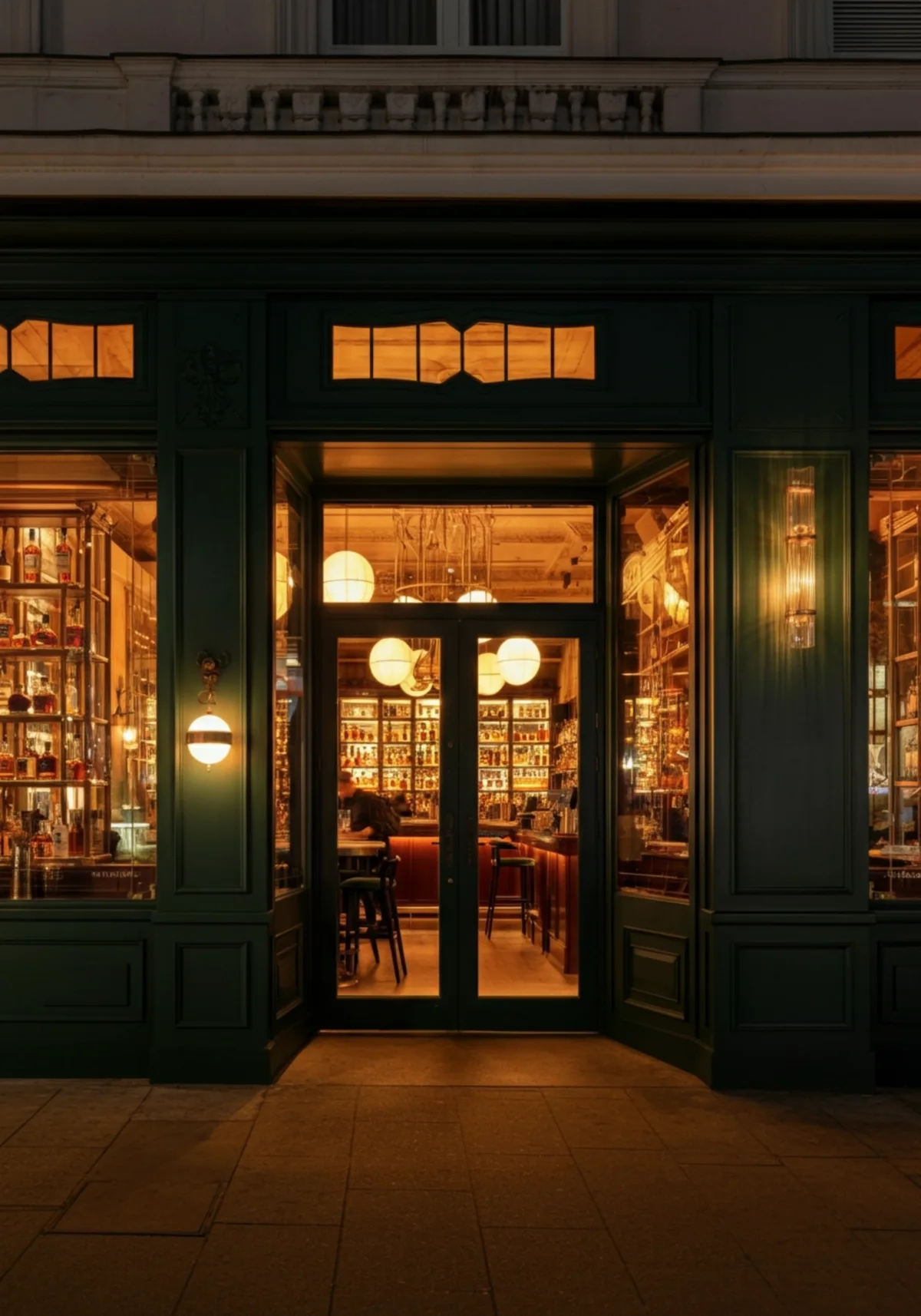
In the heart of Mayfair, behind the storied façade of The Connaught Hotel, stands the Connaught Bar —…
Cocktail
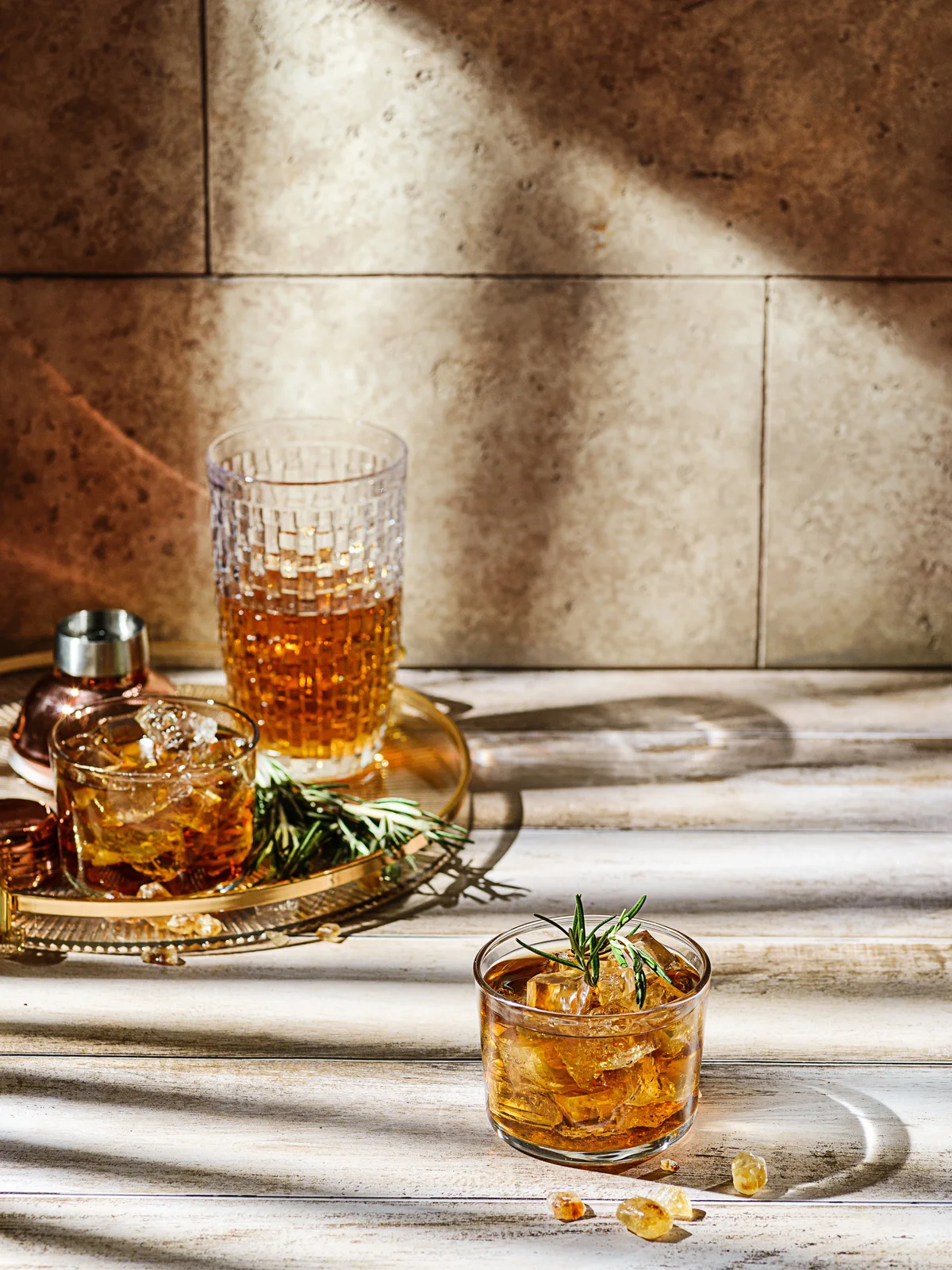
The Piña Colada is one of the most iconic tropical cocktails, instantly evoking the warmth and leisure of…
Cocktail
The Rum Milk Punch is a classic cocktail that demonstrates how spirits and dairy can come together to…
Spirit
Plantation Rum Trinidad 2008 Vintage
Plantation Trinidad 2005 Rum is a remarkable expression that encapsulates the natural bounty and craftsmanship of Trinidadian rum-making.…
Partnership
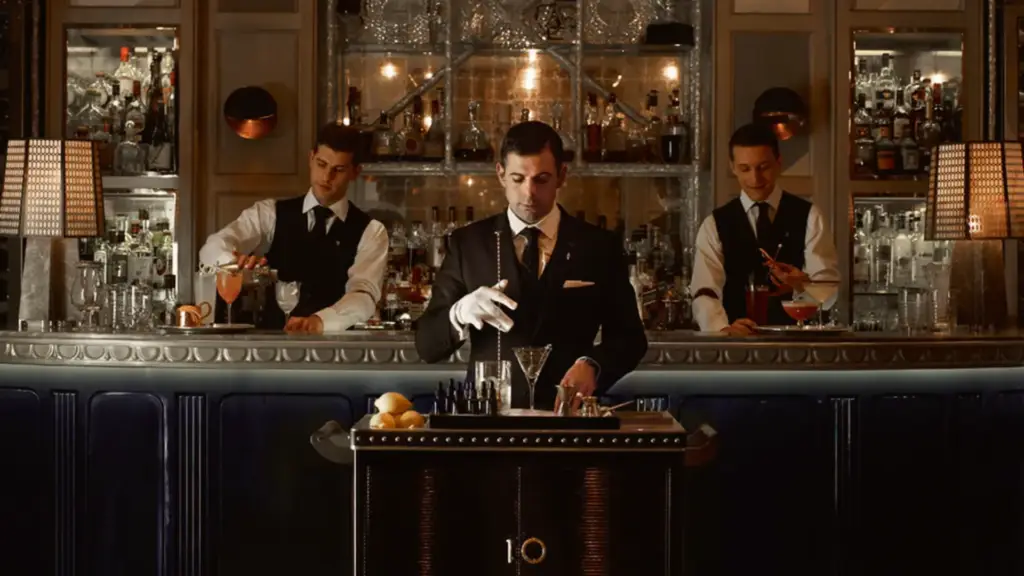
The Connaught Bar: Precision, Ritual, and the Martini That Set the Standard
Some bars are defined by their drinks. Others by their atmosphere. At Connaught Bar, it is service that holds everything together. Tucked within The Connaught in London, the bar has, over time, established itself as a reference point for what modern classic bartending can look like when precision and ritual are treated as inseparable. This […]
August 1, 2026
Partnership
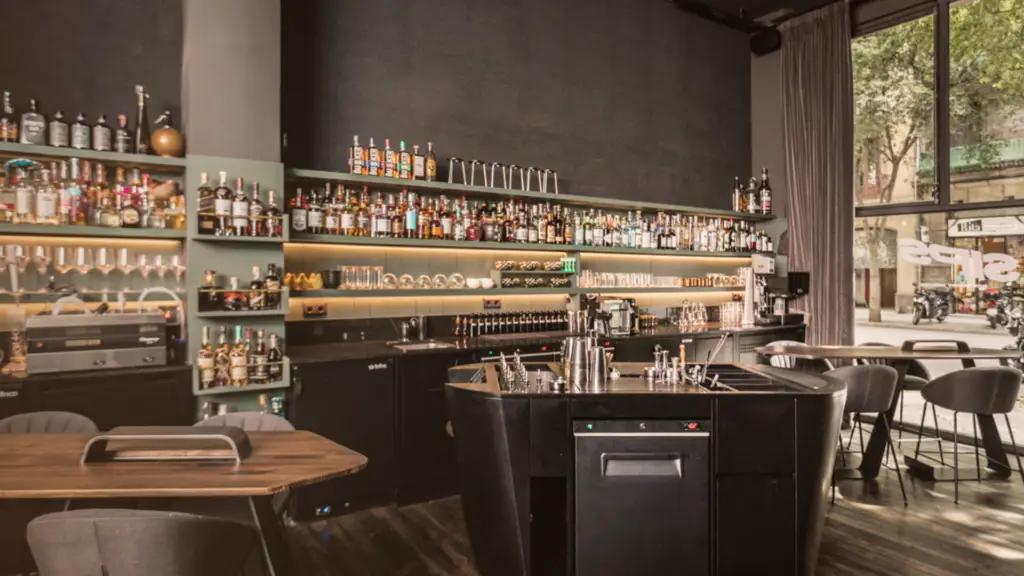
Sips in Barcelona: The Avant-Garde Cocktail Bar Leading Europe’s New Drinking Culture
Walk into Sips and the first thing that becomes apparent is the absence of the expected. There is no traditional bar counter acting as a barrier, no hierarchy between bartender and guest. Instead, the room opens up, almost like a stage, where drinks are assembled in full view and the act of making a cocktail […]
July 18, 2026
Partnership
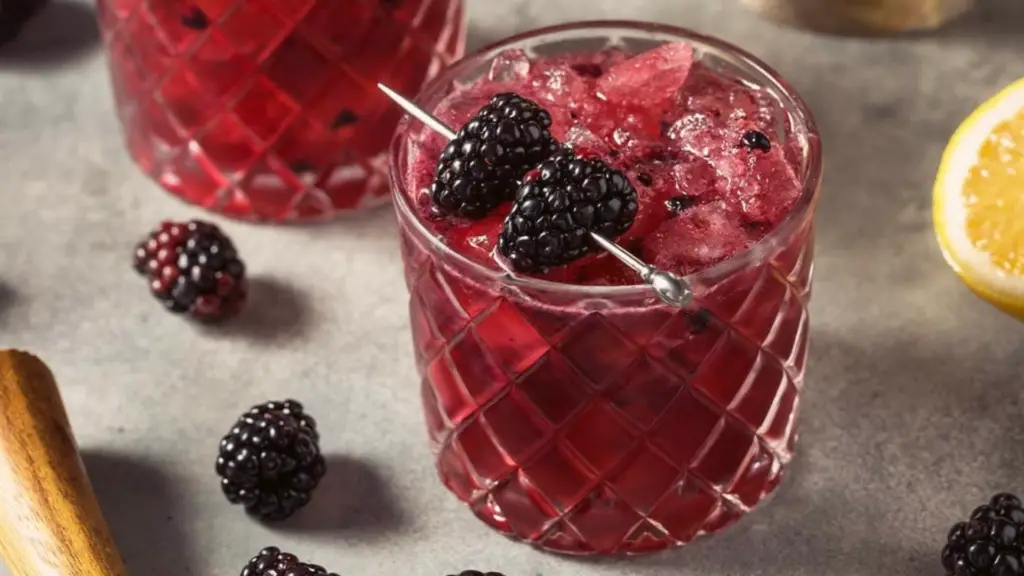
Bramble Cocktail: London Origins, Fresh Fruit Acidity, and the Modern Gin Classic
In 1980s London, as the city’s cocktail culture began to re-emerge after decades of decline, a new style of drink appeared that would quietly redefine how fruit could function in a modern cocktail. The Bramble, created in 1984 by Dick Bradsell at Fred’s Club in Soho, was not conceived as a reinterpretation of a classic, […]
July 9, 2026