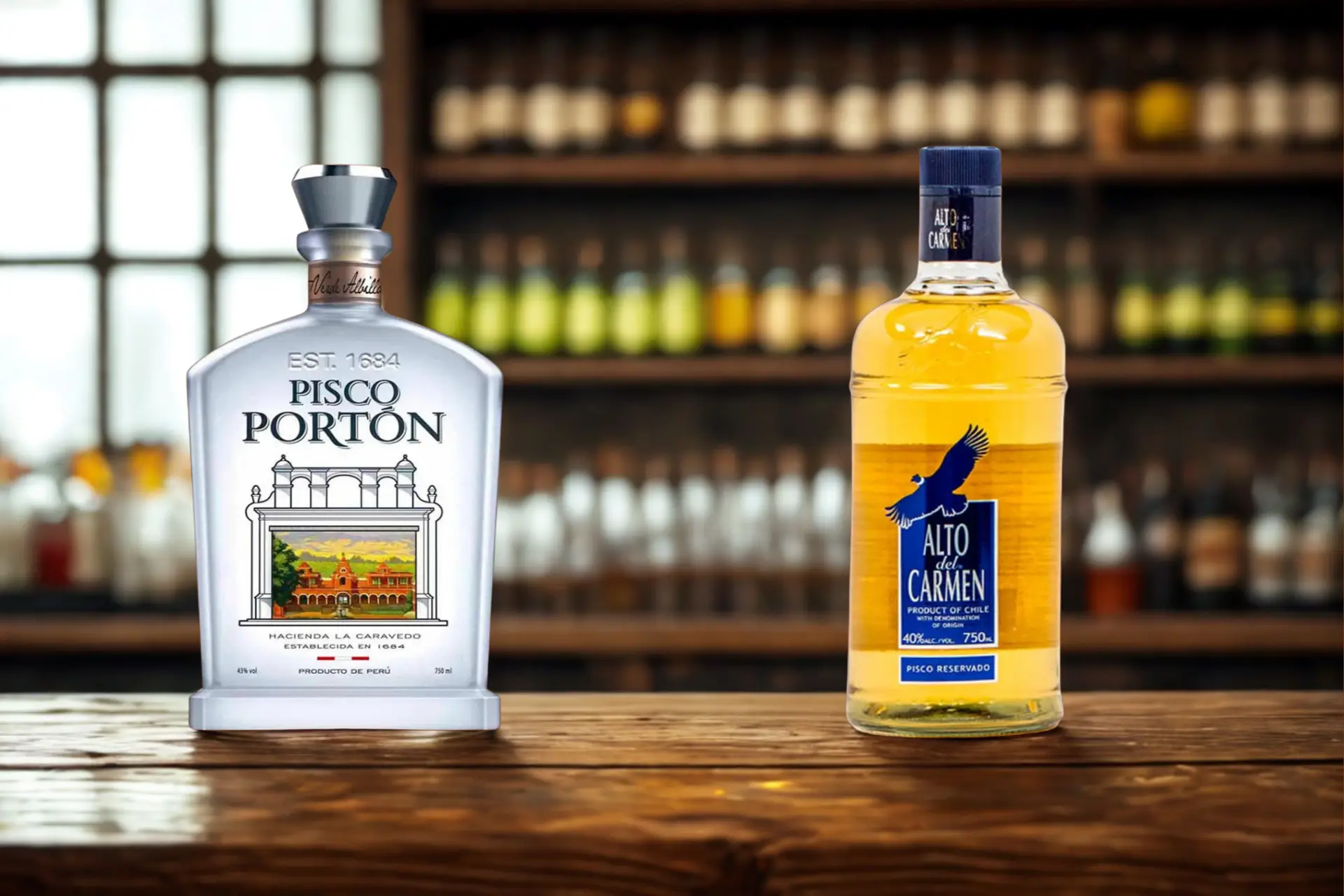
Pisco is a spirit defined by dual identities. Originating in the arid valleys of southern Peru and northern Chile, it is a distilled grape spirit whose lineage, production methods, and legal recognition have become points of national pride. Its evolution was driven by geography, viticulture, and technical precision rather than marketing or trend-driven innovation. Understanding Pisco requires examining how Chile and Peru codified production, regulated appellations, and preserved cultural heritage.
Historical Roots of Pisco
Pisco emerged in the 16th century following the introduction of Spanish grape varieties to South America. Settlers in Peru’s Ica Valley and Chile’s Elqui and Limarí Valleys discovered that grape must could be distilled into a clear spirit suited to the local climate. By the 17th century, Pisco was widely consumed in Peru both as a social drink and as a base for medicinal remedies. Chilean production developed in parallel, initially for domestic consumption and regional trade along Pacific routes.
The name ‘Pisco‘ itself derives from the Peruvian port town of Pisco, which became the primary export hub during colonial times. In Chile, the term was later adopted, referencing local townships and the traditional clay vessels historically used for fermentation and storage.
Geography and Terroir: Shaping a Spirit
Peru and Chile produce Pisco from distinct grape varieties and climatic conditions. Peru recognizes eight varieties, including Quebranta, Negra Criolla, and Italia, while Chile primarily uses Muscat varieties such as Moscatel Rosada and Moscatel Amarilla. Soil composition, altitude, and sunlight exposure all influence sugar content and acid balance in the grapes, which, in turn, affect fermentation kinetics and the final spirit profile.
Geography is codified into law. In Peru, Pisco must be distilled from fresh grape must without dilution after distillation and cannot be aged in wood. Chilean regulations permit blending, dilution, and aging in wooden casks, producing a broader spectrum of styles. Both countries enforce production zones to protect origin integrity, though delineations differ and occasionally overlap in public perception.
Distillation Practices: Pot Stills vs Column Stills
Peruvian Pisco is typically distilled in copper pot stills, batch by batch, emphasizing retention of volatile aromatics and a delicate balance of floral, fruit, and mineral compounds. Distillation strength is carefully controlled to preserve the grape’s inherent flavors, with an alcohol content of 38 to 48 percent by volume.
Chilean Pisco, by contrast, often employs continuous column stills, allowing larger-scale production and higher yields. This method produces a cleaner, more neutral spirit suitable for blending, with a broader range of proof options. Both approaches reflect national priorities: Peru emphasizes purity and traceability, while Chile prioritizes versatility and commercial consistency.
Legal and Cultural Contention
The debate over Pisco’s authenticity is more than symbolic. Peru and Chile have established strict appellation laws and international lobbying efforts. Peru maintains protection through appellation of origin designations recognized in the United States, the European Union, and many Latin American countries. Chile protects Pisco as a geographic indication, exporting widely under its own regulatory framework.
These legal distinctions shape production, labeling, and marketing. A bottle labeled as Peruvian Pisco must meet precise grape variety and distillation criteria, while Chilean Pisco may vary in production methods but must adhere to recognized regional boundaries. The result is two technically distinct spirits sharing a common name, each reflecting its nation’s production philosophy and cultural heritage.
Key Distilleries Upholding Tradition
Several distilleries exemplify the national distinctions in practice.
In Peru:
Destilería La Caravedo, Ica Valley – Producer of Pisco Portón, focusing on Quebranta and Italia grapes, using traditional pot still distillation.
Tacama Winery, Ica – One of the oldest vineyards in the Americas, producing both single-varietal and aromatic Piscos with strict adherence to legal standards.
In Chile:
Capel, Elqui Valley – The largest Pisco cooperative, producing column-distilled spirits from Moscatel grapes with controlled aging in stainless steel or wood.
Mistral, Elqui Valley – Known for premium Chilean Pisco, blending traditional grape varieties with modern distillation for export markets.
These producers demonstrate how both nations preserve Pisco’s technical integrity while interpreting production rules through their cultural lens.
Sensory Profile and Technical Differences
Peruvian Pisco typically exhibits floral and citrus notes, a smooth mouthfeel, and pronounced varietal character. Its aroma and texture reflect the limited intervention allowed by regulation. Chilean Pisco is often lighter in aroma, with subtle fruit and sugar notes, suitable for cocktails and mixed beverages. The difference illustrates how the distillation technique, grape variety, and production philosophy converge to define national identity in the same spirit category.
Pisco in Cocktails and Mixology
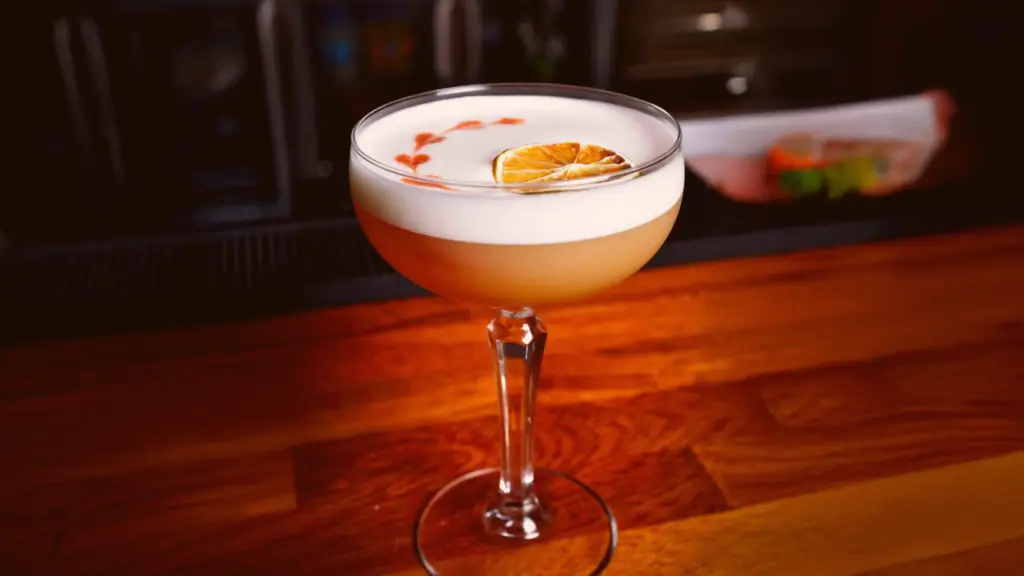
Global mixologists increasingly explore Pisco’s versatility. The Peruvian Pisco Sour highlights citrus and foam texture, emphasizing the aromatics of pot-distilled spirits. Chilean Pisco is frequently used in blended cocktails or highball-style drinks, leveraging its cleaner, more neutral profile. Understanding the base spirit is essential to preserving authenticity and ensuring technical balance in cocktails.
Market Trends and International Recognition
Pisco continues to gain recognition in global spirits markets. Peruvian Pisco’s strict regulations have helped it gain prestige among connoisseurs, while Chilean Pisco’s flexibility enables a wider consumer reach. International competitions increasingly recognize both national styles, awarding medals that reflect quality and production rigor. Trade negotiations, labeling disputes, and cross-border tourism keep the spirit in the spotlight, ensuring that technical integrity and cultural heritage remain central to its identity.
The Future of Pisco
As consumer interest in terroir, authenticity, and traceable production grows, both Peruvian and Chilean producers are investing in vineyard management, fermentation monitoring, and distillation precision. Younger distillers are experimenting with single-varietal expressions, micro-batches, and educational initiatives for international audiences. Barlist documents these developments to provide readers with an understanding of production methods, grape selection, distillation practices, and regulatory frameworks.
By linking spirits to named distilleries and regions, Barlist emphasizes technical literacy over marketing narratives, helping enthusiasts appreciate the nuanced differences between Chilean and Peruvian Pisco.
Pisco illustrates how geography, law, and technical methodology define a spirit. Comparing Chilean and Peruvian approaches to grape variety, fermentation, distillation, and regulation demonstrates that authenticity is codified not in taste alone but in process, provenance, and legal framework. Understanding Pisco requires engagement with its history, production discipline, and the producers sustaining national identity.


Distillery
Pisco Mistral is recognized for its exceptional flavor, color, and aroma, and for its elegant presentation. This distillery…

Distillery
Hacienda La Caravedo, established in 1684, is heralded as the oldest continuously operating distillery in the Americas, introducing…

Spirit
Pisco Portón is a premier expression of Peruvian pisco, crafted with meticulous care at Hacienda La Caravedo, recognized…
Spirit
Mistral Noble Pisco Anejado en Roble
Mistral Noble Pisco - Anejado en Roble represents a remarkable expression of traditional pisco craftsmanship from the Elqui…
Cocktails
International Pisco Sour Day 2026 and the Cultural Authority of Pisco
International Pisco Sour Day, celebrated each year on the first Saturday of February, is not a casual addition to the global cocktail calendar. In Peru, the observance functions as a formal affirmation of cultural authority. It anchors a single drink to a defined geography, a protected spirit, and a legal framework that governs how that […]
February 7, 2026

Discovery and Education
Tradition Meets Innovation: J. Blake Layfield and Maker’s Mark’s New Generation
When J. Blake Layfield, Ph.D. became the ninth Master Distiller at Maker’s Mark in 2024, he inherited one of Kentucky bourbon’s most recognisable production philosophies. The responsibility was larger than maintaining a familiar recipe. Maker’s Mark had spent more than seven decades building an identity around a particular approach to bourbon, from its use of […]
August 12, 2026

Trends and Innovations
China’s Changing Drinks Market: Younger Adults, Convenience, and the Decline of Banquet Culture
For much of the past two decades, some of the most valuable parts of China’s drinks market were built around rooms larger than the drinking occasion itself. Business banquets, formal dining, corporate entertainment, and high-value gifting supported demand for premium baijiu, imported wine, and prestige spirits. Bottles performed several roles at once. They marked hierarchy, […]
August 1, 2026