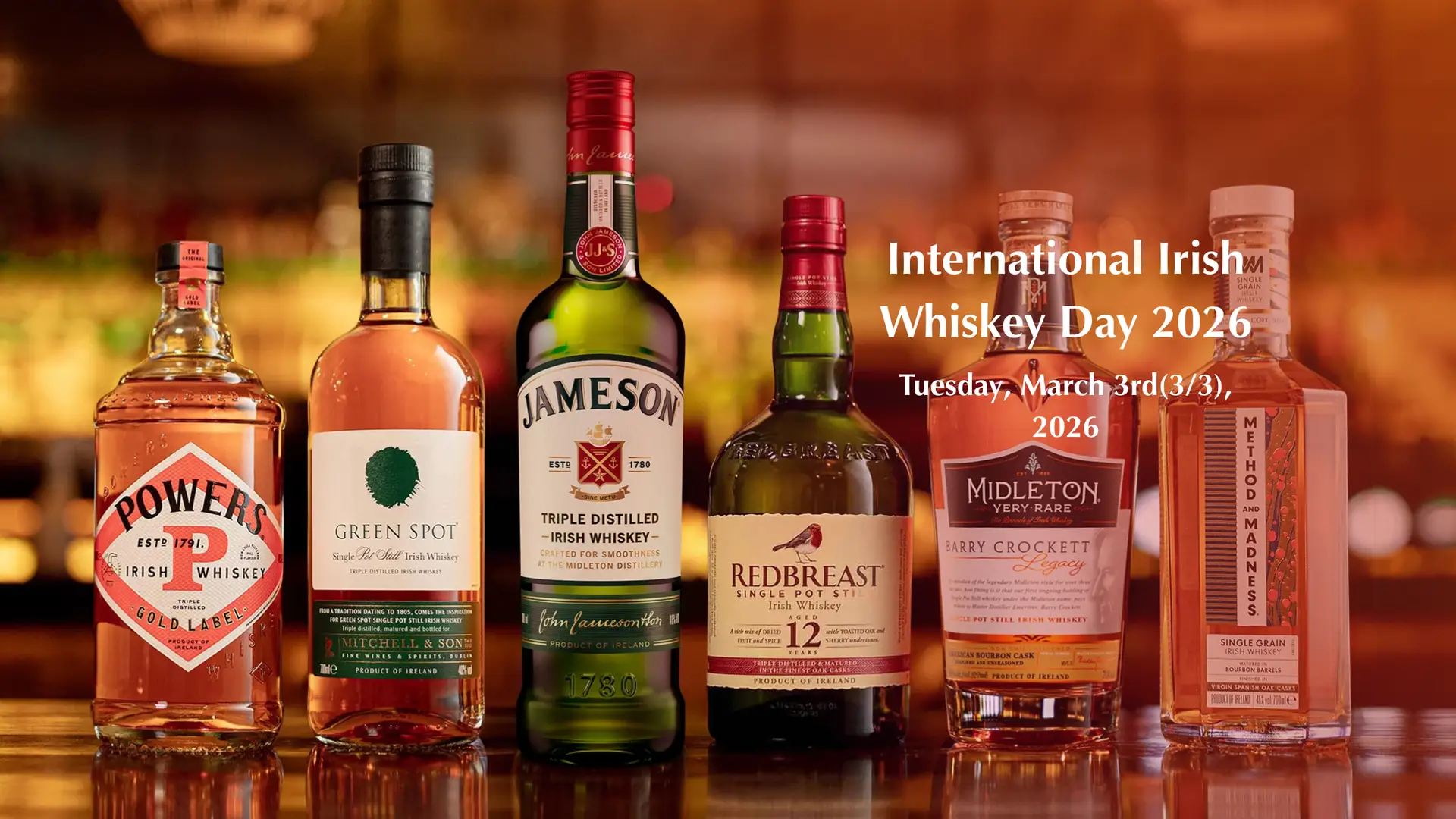
Irish whiskey has long balanced tradition with innovation, and International Irish Whiskey Day, observed annually on March 3(3/3), celebrates that heritage. The date, often associated with Ireland’s historic use of triple distillation, provides an opportunity to examine the categories that define the nation’s spirit. From the robust, spice-laden depth of Single Pot Still expressions to the lighter, structured clarity of Grain Whiskey, Ireland’s distilling identity reflects centuries of technical refinement and regional influence.
The Origins and International Irish Whiskey Day Celebration
Irish whiskey predates many globally dominant spirits, with documented distillation on the island dating to the sixteenth century. Early production relied on copper pot stills, and by the eighteenth and nineteenth centuries, Irish whiskey had become one of the world’s most exported spirits, particularly from Dublin and Cork.
Today, International Irish Whiskey Day recognises both history and revival. Midleton Distillery, operational in its current consolidated form since 1975, produces much of Ireland’s pot still, grain, and blended whiskey. Old Bushmills Distillery, licensed in 1608, maintains a tradition of triple-distilled single malt production using copper pot stills. Contemporary producers such as Dingle Distillery and Teeling Whiskey represent the modern resurgence that began in the late twentieth and early twenty-first centuries.
Across Ireland and internationally, the day is marked by tastings, educational seminars, and distillery tours emphasising production literacy and category understanding.
Single Pot Still Whiskey and Technical Distinction
Single Pot Still whiskey is uniquely Irish, traditionally produced from a mash of malted and unmalted barley distilled in copper pot stills. The use of unmalted barley, historically influenced by eighteenth-century taxation policies, contributes to the style’s signature oiliness and spice.
Notable expressions include Redbreast 12 Year Old, Green Spot, Powers John’s Lane Release, and Midleton Very Rare. These whiskeys are typically triple distilled in batch-operated copper pot stills. Fermentation duration, yeast selection, and carefully managed distillation cut shape profiles characterised by orchard fruit, toasted nuts, honeyed sweetness, and peppered spice.
Contrary to the assumption that early Irish pot stills were small, nineteenth-century distilleries operated some of the largest copper pot stills in Europe, underscoring the scale and technical sophistication of the industry at its height.
Grain Whiskey and Continuous Distillation
Grain whiskey differs in both raw material and technique. It is distilled in continuous column stills using cereals such as corn or wheat. The resulting spirit is lighter-bodied and sweeter than pot still whiskey, yet it retains cereal softness and structural character rather than neutrality.
Large-scale grain production in Ireland is centered at Midleton Distillery. Standalone examples such as Greenore Single Grain Irish Whiskey, produced at Cooley Distillery in County Louth, demonstrate the category’s finesse. Blended expressions, including Jameson Black Barrel, combine grain and pot still components to achieve roundness and balance.
Continuous distillation ensures consistency and scalability while allowing sufficient congeners to support oak maturation and integration within blends.
Blended Irish Whiskey and Harmonization
Most commercial Irish whiskey is blended, harmonizing Single Pot Still, malt, and grain components. Jameson remains the world’s best-selling Irish whiskey, integrating pot still richness with grain smoothness to achieve global consistency. Other notable blends include Bushmills Original, Powers Gold Label, and Teeling Small Batch, each reflecting distinct stylistic calibration.
Blending highlights how technical variables – pot versus column distillation, cask selection, and maturation period – shape final texture and flavor. The approach allows producers to serve diverse markets while preserving an identifiable Irish character.
Tasting, Technique, and Cultural Continuity
International Irish Whiskey Day encourages analytical tasting rather than passive celebration. Pot still expressions such as Redbreast 15 Year Old or Midleton Barry Crockett Legacy are evaluated for viscosity, spice intensity, and oak integration. Grain whiskey is assessed for sweetness, structure, and subtlety. Blends demonstrate the interplay of each component.
Ireland’s resurgence over the past two decades reflects careful alignment between heritage and innovation. Triple distillation remains common, though not universal, and experimentation with cask finishes continues alongside adherence to traditional mash bills and copper distillation.
International Irish Whiskey Day 2026 ultimately underscores that Irish whiskey is not defined by a single technique. It is defined by the coexistence of pot still tradition and column still precision, by blending artistry, and by an enduring commitment to craft shaped over centuries.

Distillery
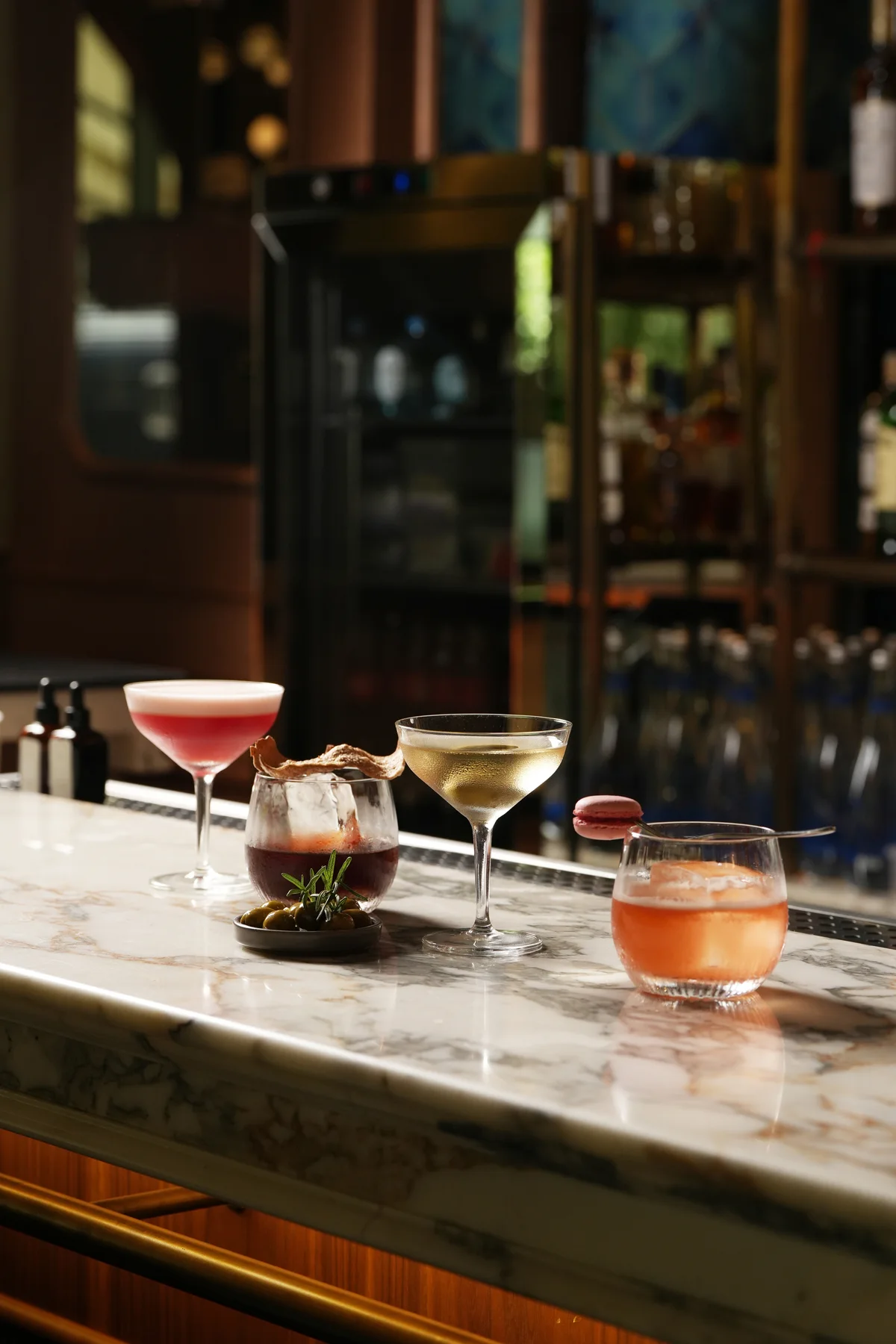
Dingle Distillery is a vibrant testament to the resurgence of artisanal spirits in Ireland, encapsulating the spirit and…
Distillery
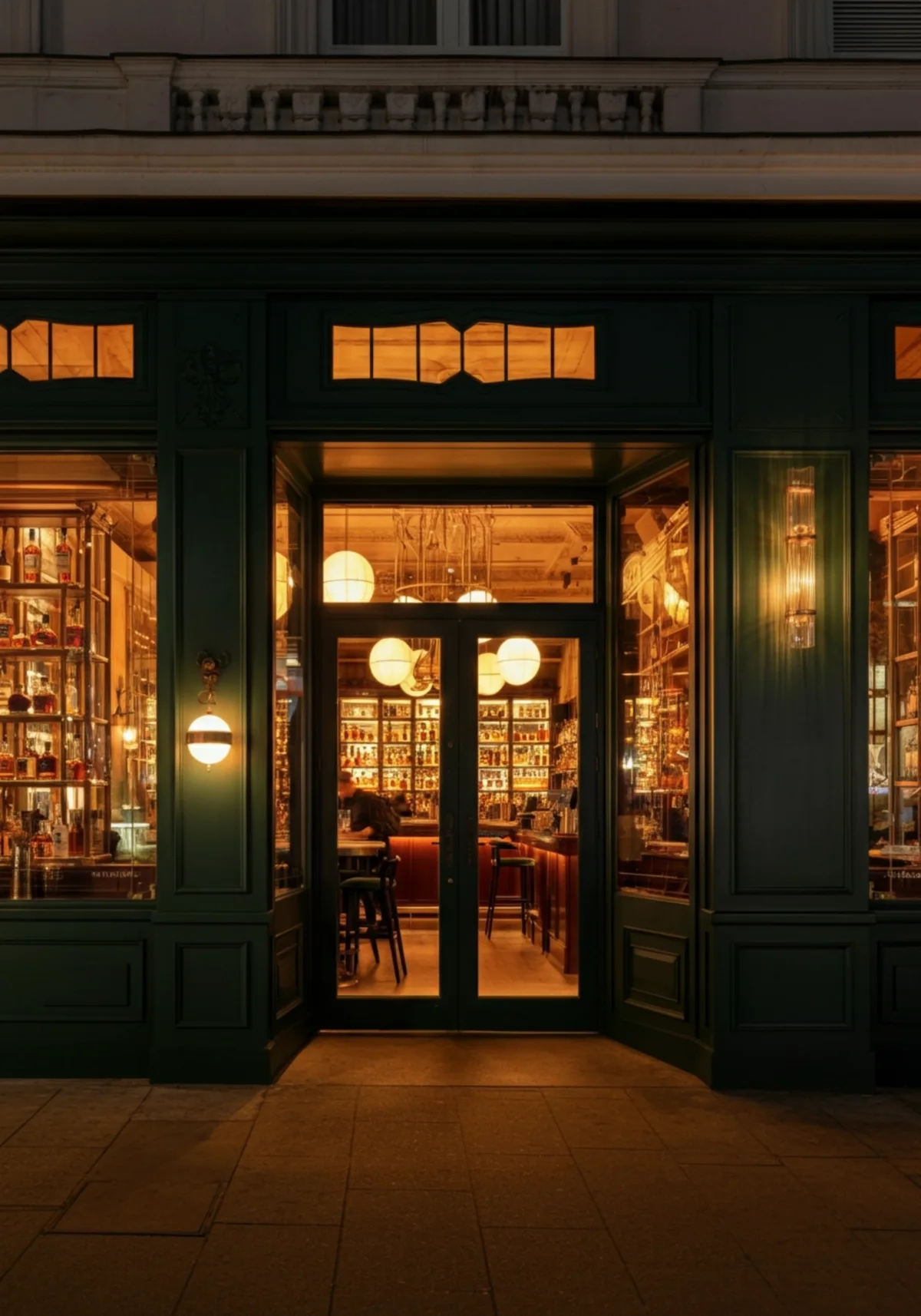
Midleton Distillery, located in County Cork, Ireland, is renowned as a cornerstone of Irish whiskey production. Founded in…
Distillery
The Old Bushmills Distillery, nestled in the picturesque village of Bushmills, County Antrim, Northern Ireland, holds the revered…
Spirit
Bushmills Original Irish Whiskey
Bushmills Irish Whiskey proudly claims the title of the oldest licensed distillery in the world, established in 1608…
Spirit
Redbreast 12 YO Single Pot Still Irish Whiskey
Redbreast 12 Year Old Cask Strength is a deeply complex and luxurious representation of single pot still Irish…
Spirit
Midleton Barry Crockett Legacy Single Pot Still Irish Whiskey
Midleton Barry Crockett Legacy is a prestigious Irish whiskey that embodies the meticulous craftsmanship synonymous with the Midleton…
Tips and Tricks
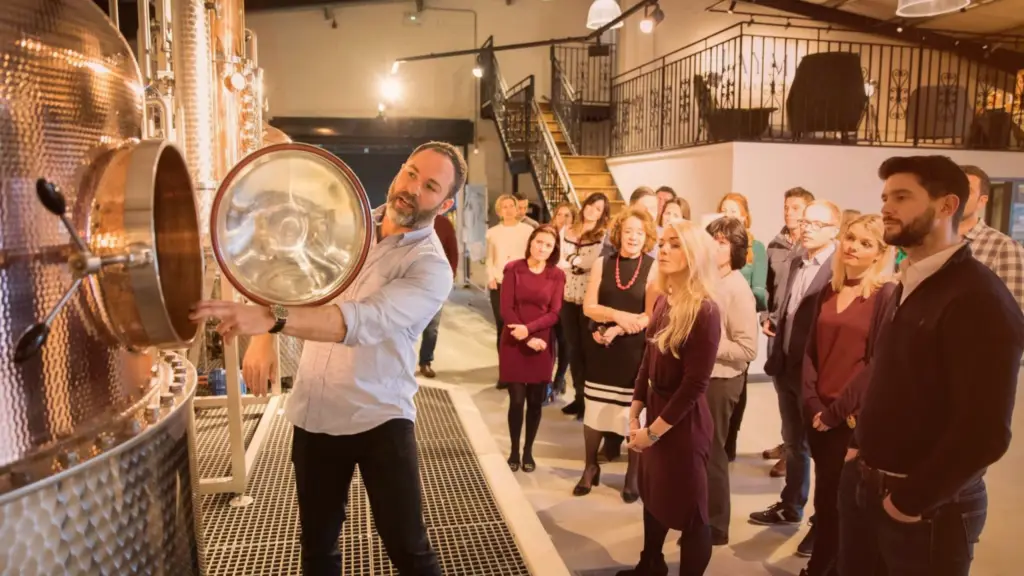
Why Certain Distilleries Invite Visitors and Others Remain Guarded
A visitor standing beneath the curved timber roof of The Macallan distillery in Speyside encounters a spectacle of transparency. Glass walls reveal stills. Interactive exhibits explain oak sourcing. The building itself, opened in 2018, was designed as an architectural statement of modern whisky confidence. Yet only portions of production are accessible. Beyond certain corridors, access […]
March 23, 2026
History
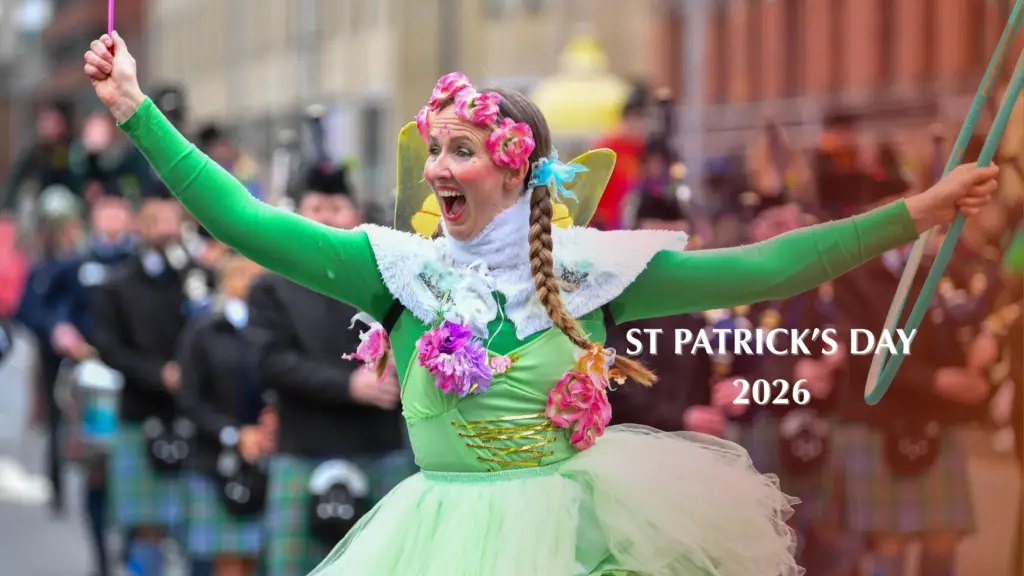
St Patrick’s Day 2026: From Ireland’s Religious Feast to a Global Drinking Ritual
Before the first pint is poured, before the streets fill with green, St Patrick’s Day begins in quiet observance. In Ireland, the day still carries its original meaning. It marks the death of Saint Patrick, traditionally dated to March 17, 461 CE. For centuries, it was not a celebration of excess but a moment of […]
March 17, 2026
Spirits
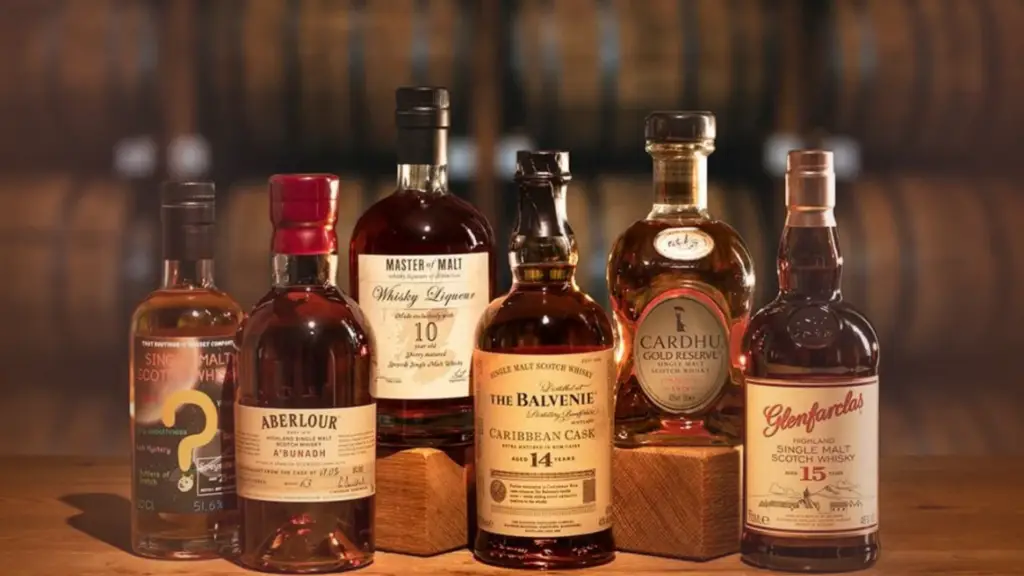
The Best 10 Scotch Whiskies Every Collector Should Try
Scotch whiskies collection is no longer simply about finding the oldest bottle or the most expensive name. A serious collection should tell a story about the spirit itself: where it comes from, how it is made, how oak changes it, how peat shapes it and why particular distilleries have earned lasting reputations. That makes choosing […]
August 21, 2026