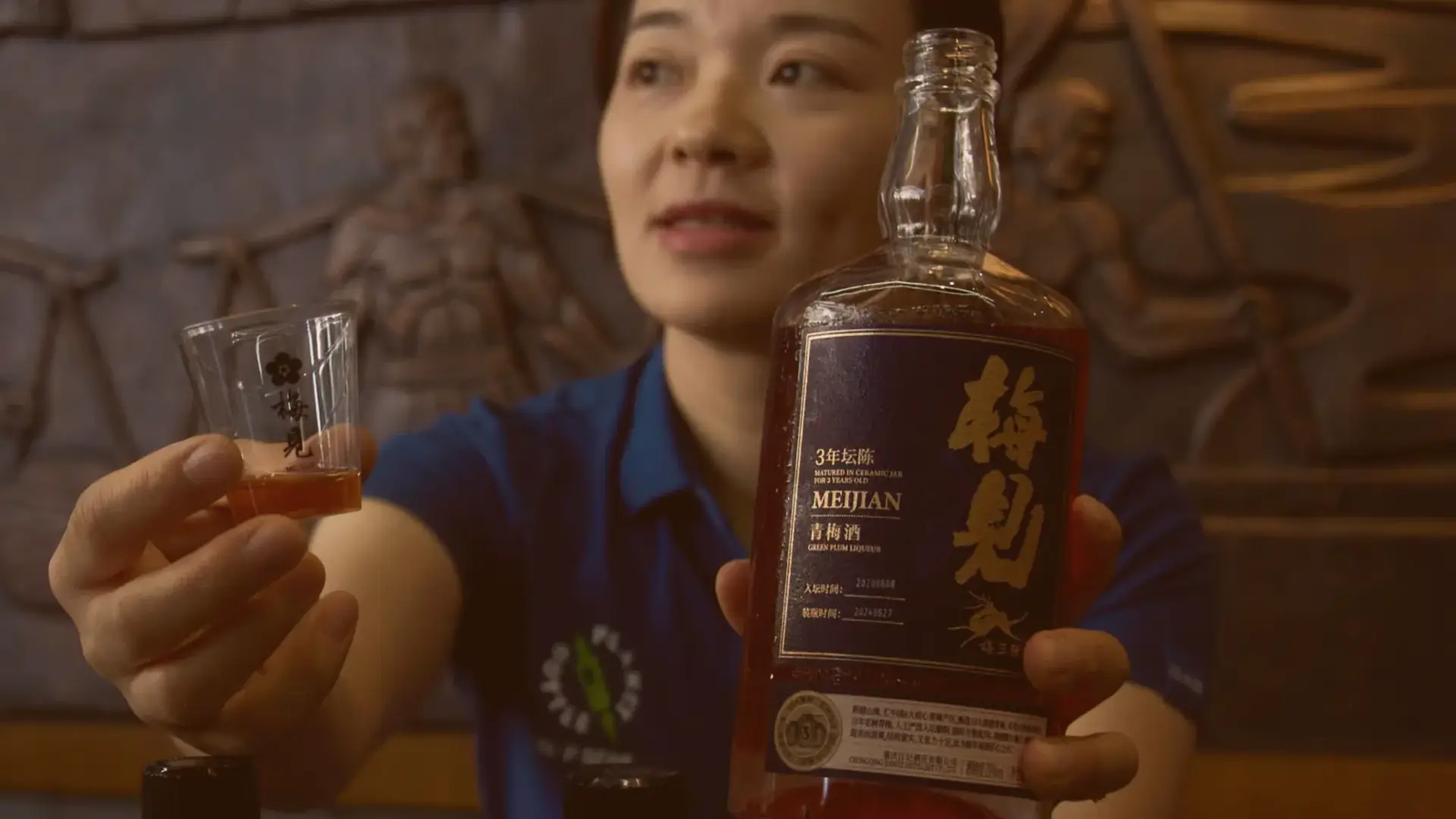
By volume and economic weight, Baijiu is the most consumed distilled spirit in the world. In China, baijiu accounts for more than 99% of domestic spirits consumption and generates annual revenues exceeding US$100 billion. Individual baijiu producers sell more spirit each year than the combined output of many global whisky regions. Yet despite this scale, baijiu remains largely absent from Western bars, shelves, and cultural narratives.
This absence is not accidental. Baijiu developed outside Western trade routes, outside barrel ageing traditions, and outside the flavour expectations that shaped European spirits. It became dominant without exporting itself. To understand why Baijiu is ignored by the West, it is necessary to understand how completely it belongs to China.
Origins Rooted in Grain and Fermentation
China has produced fermented grain beverages for more than 4,000 years, with archaeological evidence from Jiahu in Henan province showing early rice and millet fermentation. Distillation techniques emerged much later, becoming widespread during the Yuan dynasty between 1271 and 1368.
Unlike Western spirits, baijiu never separates fermentation from place. Production relies on Qū, a solid starter made from wheat or barley that carries complex microbial cultures. These cultures vary by region and distillery and are treated as proprietary assets.
Fermentation takes place in a solid state, often inside earthen pits that are reused for decades. At some distilleries, these pits are officially registered cultural relics. This continuity produces flavours that cannot be replicated elsewhere and cannot be neutralised for export palates.
The Sauce Aroma Standard and Kweichow Moutai
The most internationally recognised baijiu style is the sauce aroma, produced almost exclusively in Guizhou province. Its flagship producer is Kweichow Moutai, located in the town of Maotai along the Chishui River.
Kweichow Moutai’s production cycle lasts 1 year, involves 9 distillations, 8 fermentations, and 7 rounds of spirit collection, followed by ageing that often exceeds 3 years before blending. The flagship spirit Moutai Feitian has been served at state banquets since 1st October, 1949, when it was poured during celebrations marking the founding of the People’s Republic of China.
In 2023, Kweichow Moutai alone reported revenues exceeding US$21 billion, making it one of the most valuable spirits producers in the world. Its primary market remains domestic, with prices driven by gifting culture, official events, and status consumption rather than export demand.
Strong Aroma Dominance and Wuliangye
While Moutai dominates prestige, the largest baijiu style by volume is strong aroma, centred in Sichuan province. The leading producer is Wuliangye, based in Yibin.
Wuliangye’s signature spirit, Wuliangye Classic, is distilled from a blend of 5 grains: sorghum, rice, glutinous rice, wheat, and corn. Fermentation takes place in mud pits that have been continuously maintained for more than 600 years, forming one of the most stable microbial environments in spirits production.
Strong aroma baijiu dominates banquet consumption across central and southern China, accounting for more than 60 per cent of total baijiu sales by volume.
Light Aroma and Everyday Consumption
In northern China, light aroma baijiu represents everyday drinking culture. The most recognisable example is Red Star Erguotou, produced by Red Star Distillery in Beijing.
First commercially produced in 1949, Red Star Erguotou became synonymous with working-class consumption. It is inexpensive, direct, and widely available, reinforcing the fact that baijiu exists simultaneously as an elite symbol and a daily necessity.
Why Western Palates Struggle
Baijiu’s flavour profile challenges Western expectations. Sauce aroma baijiu contains ester compounds more commonly associated with soy fermentation. Strong aroma baijiu emphasises ripe fruit, solvent, and floral notes. Light aroma baijiu is sharp and dry, lacking oak sweetness.
Western spirits culture was shaped by barrel ageing, vanilla notes, and gradual oxidation. Baijiu is aged in ceramic or stainless vessels, preserving fermentation-driven character rather than wood influence. Without a familiar reference point, Western drinkers often misinterpret intensity as a flaw.
Scale Without Export Dependency
Baijiu does not rely on export markets. In 2022, baijiu represented more than 30 per cent of global spirits revenue while accounting for less than 1 per cent of spirits exports by volume. Its success is built entirely on domestic ritual, gifting culture, and social obligation.
Where whisky and cognac globalised out of necessity, baijiu remained local by choice.
Baijiu’s absence from Western consciousness is not a failure of relevance. It reflects a spirit that evolved without Western validation, shaped by fermentation science, regional loyalty, and social function rather than international appeal. Baijiu dominates not because it travels well, but because it belongs completely to the culture that created it.

Distillery
Kweichow Moutai Distillery Group
Kweichow Moutai Distillery Group is a world-renowned producer of baijiu, often referred to as Maotai, which is celebrated…
Spirit
Baijiu Moutai Year of the Pig 2019
Baijiu Moutai Year of the Pig 2019 is a distinctive spirit produced by Kweichow Moutai Co, Ltd, renowned…
Trends and Innovations
China’s Changing Drinks Market: Younger Adults, Convenience, and the Decline of Banquet Culture
For much of the past two decades, some of the most valuable parts of China’s drinks market were built around rooms larger than the drinking occasion itself. Business banquets, formal dining, corporate entertainment, and high-value gifting supported demand for premium baijiu, imported wine, and prestige spirits. Bottles performed several roles at once. They marked hierarchy, […]
August 1, 2026

Discovery and Education
Tradition Meets Innovation: J. Blake Layfield and Maker’s Mark’s New Generation
When J. Blake Layfield, Ph.D. became the ninth Master Distiller at Maker’s Mark in 2024, he inherited one of Kentucky bourbon’s most recognisable production philosophies. The responsibility was larger than maintaining a familiar recipe. Maker’s Mark had spent more than seven decades building an identity around a particular approach to bourbon, from its use of […]
August 12, 2026
Discovery and Education
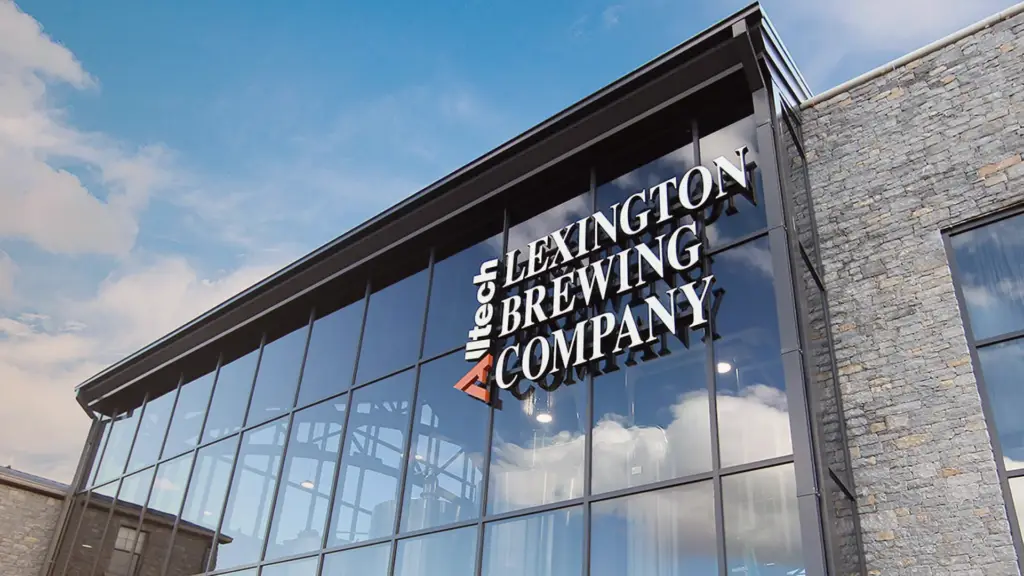
From Beer to Bourbon: Why Kentucky Breweries Are Moving into Distilling
From beer to bourbon is becoming one of the more revealing movements in Kentucky drinks culture. The reported plan by Country Boy Brewing to open a Kentucky distillery is not only a company expansion story. It sits inside a larger shift in how craft beverage businesses think about production, hospitality, brand loyalty, and long-term survival […]
July 17, 2026