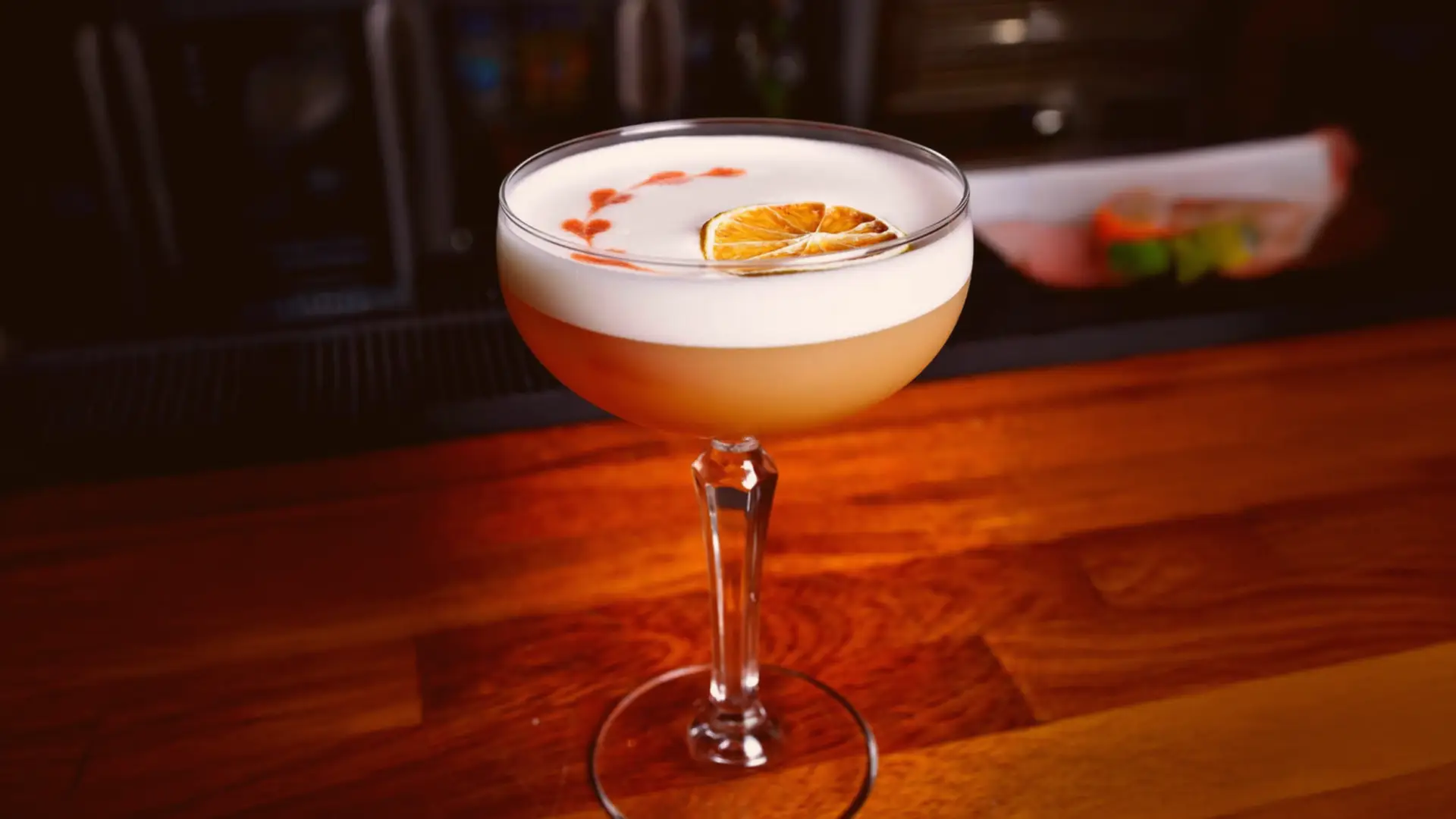
International Pisco Sour Day, celebrated each year on the first Saturday of February, is not a casual addition to the global cocktail calendar. In Peru, the observance functions as a formal affirmation of cultural authority. It anchors a single drink to a defined geography, a protected spirit, and a legal framework that governs how that spirit is produced. By 2026, the Pisco Sour stands as one of the few cocktails whose legitimacy is defended institutionally rather than commercially.
The authority behind the Pisco Sour was not built through international diffusion or brand promotion. It was constructed through regulation, agricultural discipline, and the consolidation of practice within Peru itself.
Lima and the Early 20th Century Formation of the Pisco Sour
The modern Pisco Sour emerged in Lima, Peru, during the early decades of the 20th century, at a time when the city’s drinking culture was being reshaped by international influence. European-style hotels, private clubs, and American-run bars operated alongside traditional cantinas, creating space for structured cocktails to take hold.
The drink is most commonly associated with Victor Vaughan Morris, an American bartender who arrived in Peru in 1903 and opened Morris’ Bar on Calle Boza in Lima around 1916. Morris adapted the classic sour formula by substituting whiskey with pisco and combining it with fresh lime juice, sugar, egg white, and aromatic bitters.
Historical accounts indicate that the drink’s final form was refined by Morris’ Peruvian staff, notably Mario Bruiget, who continued serving the Pisco Sour after Morris left Peru. This shared authorship is significant. It situates the cocktail not as an imported novelty, but as a localised expression shaped within Lima’s bar culture.
From its earliest documented form, the Pisco Sour followed a fixed structure. This consistency allowed it to move beyond a single venue and become a repeatable cultural reference.
Pisco as a Defined and Protected Spirit
The authority of the Pisco Sour depends entirely on the definition of pisco itself. In Peru, pisco is a protected Denomination of Origin spirit, formally recognised in 1991. Production is restricted to specific regions, including Lima, Ica, Arequipa, Moquegua, and Tacna.
Peruvian pisco must be distilled from freshly fermented grape must using batch distillation. Dilution after distillation is prohibited, as is aging in wood that alters flavour. Approved grape varieties include Quebranta, Italia, Torontel, Moscatel, Albilla, Negra Criolla, and Mollar.
These regulations ensure that pisco remains an agricultural spirit rooted in place rather than a flexible industrial category. As a result, the Pisco Sour is defined by production law before it is defined by mixology.
State Recognition and International Pisco Sour Day
International Pisco Sour Day was officially established by the Peruvian state in 2004, formalising the cocktail as a national cultural symbol. The celebration takes place annually on the first Saturday of February and is observed across Peru through bars, cultural institutions, and official events.
Unlike many cocktail observances driven by industry groups, this recognition is institutional. Preparation of the Pisco Sour within Peru tends to follow established norms rather than creative variation. Technique is emphasised over reinterpretation, reinforcing continuity rather than novelty.
The observance functions as a reminder that the cocktail’s authority flows from origin and regulation, not global popularity.
Distilleries and the Liquid Behind the Ritual
Behind the Pisco Sour stands a network of distilleries that maintain the technical integrity of pisco. Bodega San Isidro, based in the Ica Valley, produces Barsol Pisco, one of the most widely referenced Peruvian piscos internationally. Barsol Quebranta Pisco is frequently used in Pisco Sours for its dry structure and weight, reflecting the dominance of the Quebranta grape in traditional formulations.
Another historically significant producer is Bodegas Vista Alegre, founded in 1857 in Ica. Its Quebranta and Italia expressions reflect long-standing family distillation practices tied directly to regional viticulture rather than modern branding strategies.
Hacienda La Caravedo, established in 1684, is recognised as the oldest continuously operating distillery in the Americas. Its flagship Pisco Portón Mosto Verde demonstrates how controlled fermentation and partial distillation influence texture while remaining fully compliant with denomination rules.
Naming distilleries and spirits is essential. It anchors the cocktail to identifiable production systems and prevents the Pisco Sour from becoming an abstract global formula.
Technique as Cultural Discipline
The Pisco Sour is defined as much by how it is made as by what it contains. Traditional preparation requires vigorous shaking to emulsify egg white, a precise balance between acidity and sweetness, and restrained use of aromatic bitters applied to the surface rather than mixed.
This technique discourages excessive variation. Innovation tends to occur around presentation rather than structure. In this sense, the Pisco Sour operates closer to a protected culinary tradition than contemporary experimental mixology.
Authority, Dispute, and Endurance
The cultural authority of pisco has been reinforced through international dispute, particularly with Chile, where a separate pisco tradition exists under different regulations. In Peru, this contest has intensified legal clarity and institutional defence rather than compromise.
By 2026, the Pisco Sour will remain globally replicated yet locally governed. Its authority does not depend on luxury positioning, trend cycles, or speculative value. It depends on defined origin, regulated production, and disciplined repetition.
Barlist documents spirits culture through verifiable structure rather than surface popularity. For the Pisco Sour, this means tracing the cocktail through named distilleries, regulated grape varieties, and defined production zones, allowing readers to move from the drink in the glass back to the agricultural and legal systems that sustain it. By connecting cocktails to their underlying spirits and places of origin, Barlist preserves cultural clarity in categories where repetition often erodes meaning.

Distillery
Topa Spirits, founded in 2008, is a distinguished distillery known for its commitment to crafting authentic Peruvian pisco.…
Distillery
Campo de Encanto, which translates to "Field of Enchantment," is a distinguished pisco distillery based in Peru. Celebrated…
Distillery
De La Motta Pisco is a distinguished Peruvian distillery known for its commitment to crafting exceptional quality pisco,…
Distillery
Tabernero is a prominent Peruvian distillery renowned for its production of high-quality Pisco, a signature spirit of Peru,…
Distillery
Macchu Pisco is an ultra-premium Pisco brand crafted in Peru, distinguished by its commitment to authentic production methods…
Distillery
Kappa Pisco is a revered distillery situated in the scenic Elqui Valley of Chile, renowned for its commitment…
Distillery
BarSol is a distinguished Peruvian distillery renowned for its exceptional Pisco production, drawing from the rich agricultural heritage…
Spirit
Kappa Pisco is a premium grape-distilled spirit hailing from the picturesque Elqui Valley in Chile. Crafted by the…
Spirit
Pisco Portón is a premier expression of Peruvian pisco, crafted with meticulous care at Hacienda La Caravedo, recognized…
Spirit
Santiago Queirolo Acholado Pisco stands out as a remarkable embodiment of Peruvian heritage in distillation. Renowned for its…
Spirit
Gordon & MacPhail Connoisseurs Choice Glen Spey 1995 22 YO Single Malt Scotch Whisky
Glen Spey 1995 22 Year Old - Connoisseurs Choice is a remarkable single malt whisky that embodies both…
Spirit
De La Motta Italia Pisco is an exemplary representation of Peruvian craftsmanship that reflects the rich viticultural heritage…
Spirit
Campo de Encanto Grand and Noble Acholado
Campo de Encanto Grand and Noble Acholado is a distinguished Peruvian pisco that represents a celebrated resurgence of…
Spirit
La Diablada Pisco is a super premium, custom blended pisco that embraces the vibrant heritage of Peru through…
Spirit
Macchu Pisco Quebranta is a fine example of the exceptional standards upheld in Peruvian pisco production. This spirit…
Spirit
BarSol Pisco Primero Quebranta
BarSol Pisco Primero Quebranta is a premier expression of Peruvian pisco known for its refined craftsmanship and dedication…
Discovery and Education
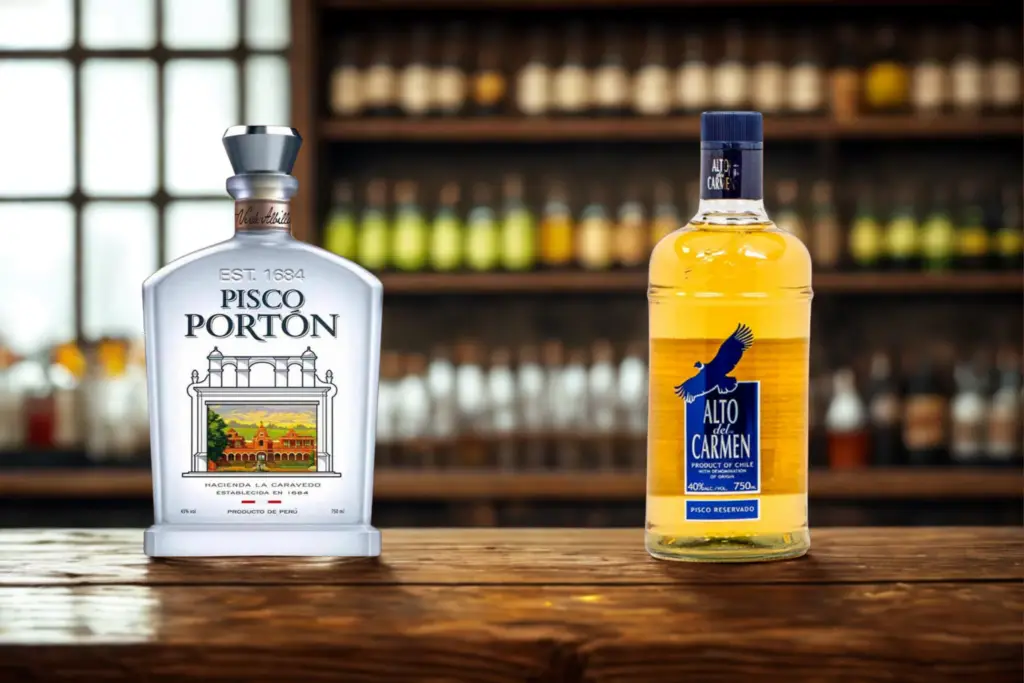
Pisco Across Borders: How Chile and Peru Define Authenticity in a Contested Spirit
Pisco is a spirit defined by dual identities. Originating in the arid valleys of southern Peru and northern Chile, it is a distilled grape spirit whose lineage, production methods, and legal recognition have become points of national pride. Its evolution was driven by geography, viticulture, and technical precision rather than marketing or trend-driven innovation. Understanding […]
March 2, 2026
Discovery and Education
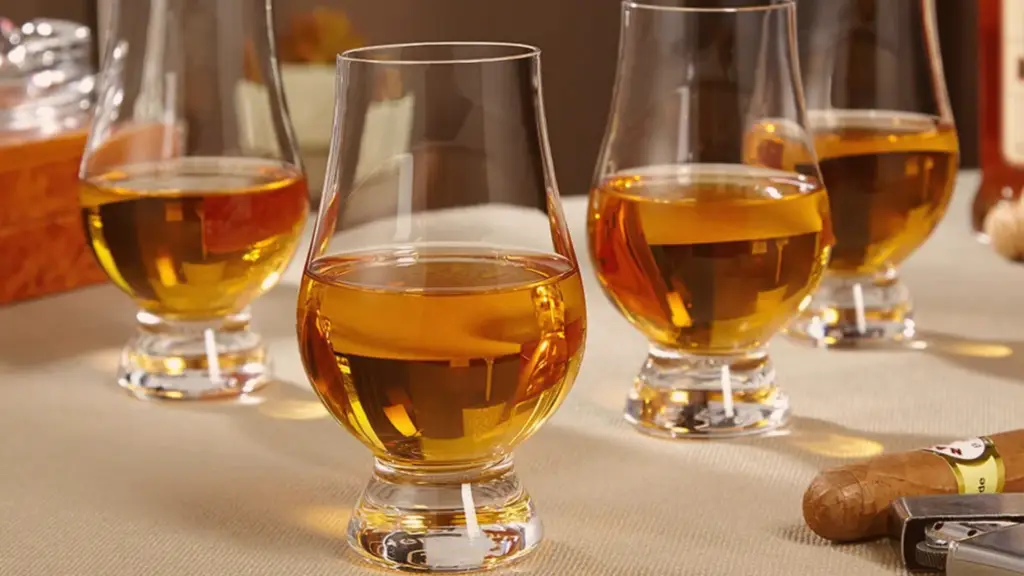
The Art of the Sip : How to Properly Nose and Taste Whisky
The Art of the Sip and Learning to Read Whisky Whisky is not meant to be rushed. In this short film, The Art of the Sip becomes a quiet ritual where sight, aroma, taste, and finish reveal meaning before pleasure. Holding the glass to the light, breathing in its layers, and allowing the flavor to […]
January 28, 2026
Cocktails
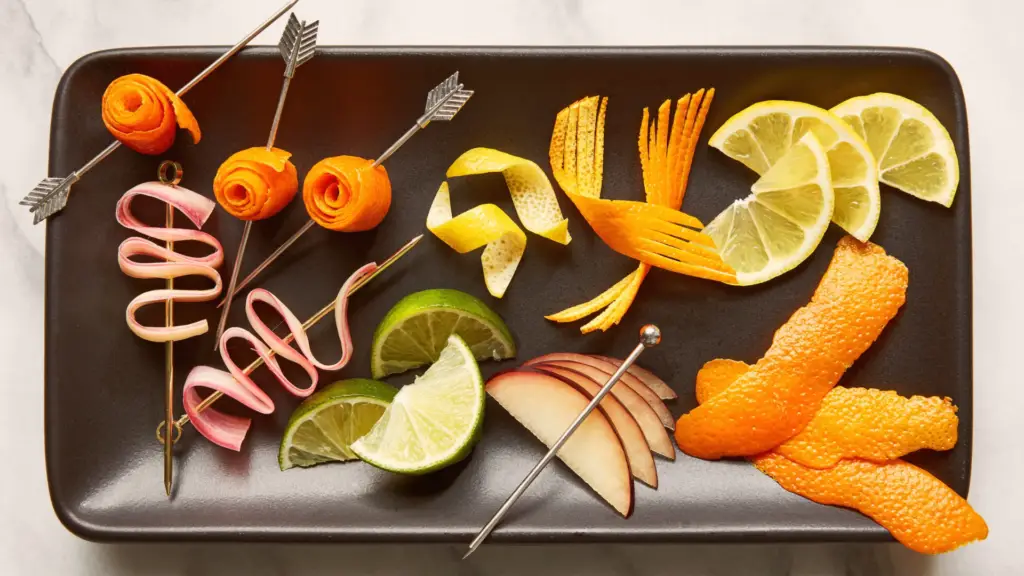
Garnish and the Final Expression of the Cocktail
The Garnish arrives at the end of preparation, yet it often leads the guest’s first impression. Before the drink reaches the palate, the eye registers colour and form while the nose encounters aroma rising from the glass. Garnish therefore belongs to the sensory language of the cocktail. It can clarify identity, prepare expectations, and complete […]
September 15, 2026