For much of the 19th century, Campbeltown was not a marginal whisky town but the beating heart of Scotch production. At its peak, this small coastal settlement on the Kintyre peninsula supported 34 active distilleries, earning it recognition as the whisky capital of the world. That dominance was real, industrial, and globally influential. Within a few decades, however, nearly all of those distilleries vanished. The rise and collapse of Campbeltown is not a footnote in whisky history. It is one of its most consequential lessons.
Geography, Scale, and the Conditions for Dominance
Campbeltown’s ascent was driven first by geography. Situated on the sheltered waters of Campbeltown Loch, the town had direct sea access to Glasgow, Greenock, and transatlantic shipping routes. In the early 1800s, maritime access mattered more than rail or road. Campbeltown whisky could reach export markets faster and more cheaply than inland competitors.
The surrounding region offered abundant peat, reliable water sources, and locally grown barley. These resources supported large-scale production long before industrialisation reached other whisky regions. After the Excise Act of 1823 legalised distillation under licence, Campbeltown expanded rapidly. Legal clarity reduced risk and attracted capital. Distilleries multiplied as merchants, shipping interests, and local families invested in whisky as an export commodity.
By the 1850s, Campbeltown whisky was shipped across England, North America, and Australia. Cooperages, maltings, and bonded warehouses dominated the waterfront. Whisky production here was not artisanal in scale. It was industrial, integrated, and economically central to the town’s identity.
Style, Blending Demand, and the Seeds of Decline
Campbeltown malt developed a distinctive profile shaped by production choices and environment. The whiskies were oily, robust, often heavily peated, and well-suited to long maturation. This style aligned perfectly with Victorian-era demand for blended Scotch, where Campbeltown malt provided structure and weight.
Blending houses relied heavily on Campbeltown spirit, and contracts rewarded volume. Distilleries expanded output to meet demand, sometimes at the expense of consistency. As competition intensified among dozens of producers operating within a small area, pressure to reduce costs grew. In some cases, fermentation was shortened, distillation rushed, and cask quality compromised.
While not universal, enough inferior whisky reached the market to damage Campbeltown’s reputation. Buyers increasingly associated the name with inconsistency rather than excellence. At the same time, regions such as Speyside invested in tighter quality control and clearer branding. Campbeltown’s strength in volume became its vulnerability.
Market Collapse and the Near Extinction of a Region
The fragile system collapsed decisively in December 1898 with the failure of Pattison, Elder & Co. The scandal exposed widespread fraud and overleveraging across the Scotch whisky industry. Credit evaporated almost overnight. Demand collapsed. Distilleries dependent on blending contracts faced an immediate crisis.
Campbeltown was hit harder than most regions because of its reliance on bulk production. Closures followed in rapid succession. Warehouses filled with unsold stock. Employment collapsed. The town entered a prolonged decline just as the new century began.
The early 20th century delivered further blows. World War I disrupted trade and redirected barley to food production. In January 1920, Prohibition in the United States eliminated one of Campbeltown’s most important export markets. By the mid-1920s, only a handful of distilleries remained. Many buildings were dismantled or repurposed. Campbeltown’s status as a whisky region appeared all but lost.
Survival Through Integrity Rather Than Scale
Campbeltown survived because a small number of producers refused to abandon traditional practice. Springbank Distillery, founded in 1828, remained family owned and maintained hands-on control over malting, distillation, and maturation. Its refusal to compromise preserved both quality and regional identity during decades when survival itself was uncertain.
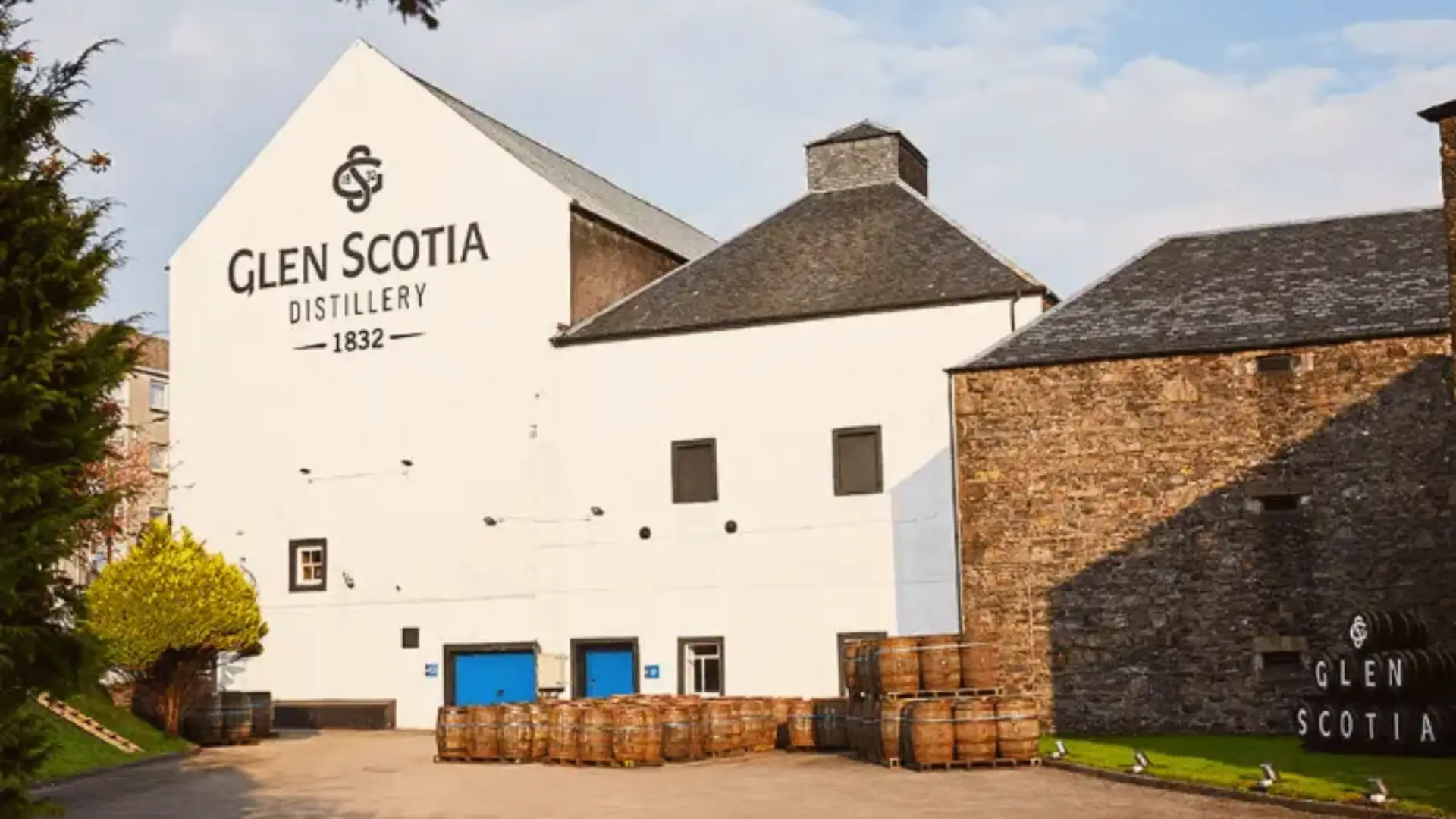
Glen Scotia Distillery, established in 1832, endured repeated closures but ultimately continued operating, preserving Campbeltown’s legal standing as a whisky-producing region. Later, Glengyle Distillery, originally founded in 1872, was revived in 2004 by the Mitchell family. Its production of Kilkerran Single Malt marked a turning point, restoring confidence in Campbeltown’s future.
For much of the late 20th century, Campbeltown’s regional status appeared symbolic. With only two operating distilleries, its recognition was fragile. The reopening of Glengyle and renewed global interest in traditional production reversed that trajectory.
Campbeltown in the Modern Whisky Landscape
In the 21st century, Campbeltown has experienced a reputation renaissance. Drinkers increasingly value authenticity, regional distinction, and production transparency. Campbeltown’s oily, coastal, lightly smoky style now stands apart in a crowded global market.
Bottlings such as Springbank 10 Year Old, Glen Scotia Victoriana, and Kilkerran 12 Year Old are sought after not because of rarity alone, but because they represent survival against structural failure. Campbeltown’s scarcity has become its strength.
Cultural Reflection
Campbeltown did not lose its distilleries through chance. It lost them through overexpansion, compromised quality, market collapse, and shifting global conditions. Its survival came not from scale, but from restraint and integrity.
By tracing how 34 distilleries rose, fell, and nearly vanished, this history connects modern whisky drinkers to a region that endured by choosing continuity over volume. Campbeltown stands today not as a warning alone, but as proof that whisky regions survive through judgment rather than dominance.


Distillery
Springbank Distillery, renowned for its unrivaled commitment to quality and tradition, is nestled in the picturesque town of…
Distillery
Glengyle distillery, the home of Kilkerran Single Malt, is an iconic establishment known for its unwavering commitment to…

Spirit
Glen Scotia Victoriana Single Malt Scotch Whisky
Glen Scotia Victoriana is a remarkable single malt whisky emblematic of the Campbeltown region's heritage. Launched in 2015,…
Spirit
Kilkerran 12 YO Single Malt Scotch Whisky
Kilkerran 12 Year Old Single Malt Scotch Whisky stands as a cherished expression from the Glengyle Distillery, renowned…
Spirit
Springbank 10 YO Campbeltown Single Malt Scotch Whisky
Springbank Campbeltown Single Malt Scotch Whisky is celebrated for its distinct and complex character, embodying the artistry of…
Barlist
From Floor Maltings to Bottling: How Springbank Distillery Kept Whisky Production on Site
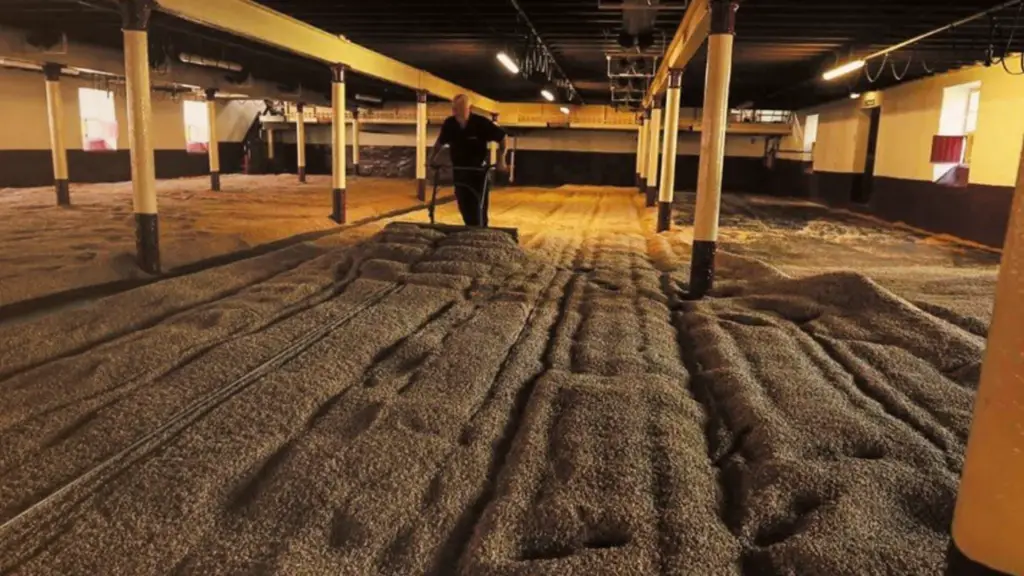
At Springbank Distillery, barley still arrives at one end of the production process and bottled whisky leaves at the other. Between those points, the grain is steeped, spread across malting floors, dried in the kiln, milled, mashed, fermented, and distilled. The resulting spirit is filled into casks, matured in Campbeltown, bottled, and labelled by the […]
June 24, 2026
Distilleries & Producers
The Last Days of Floor Maltings: When Scotch Distilleries Made Their Own Malt
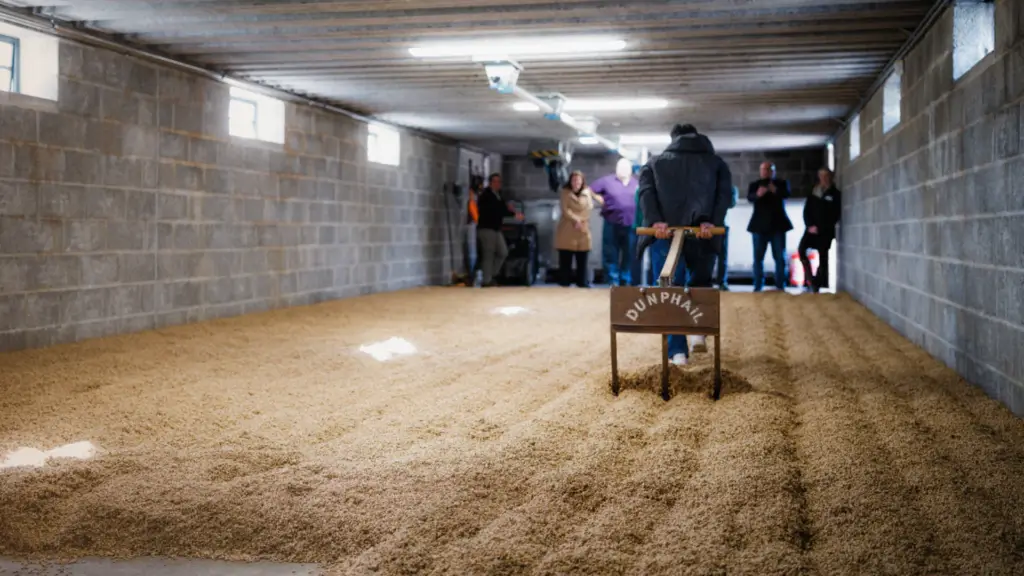
Floor Maltings History: Where Whisky Began Before stainless steel vessels, automated temperature control, and industrial malt plants, a Scotch whisky distillery often began its work on a stone or concrete floor. Barley was steeped in water, spread in a shallow layer, and turned repeatedly by hand as it germinated. The process demanded time, judgement, space, […]
June 18, 2026

Spirits
International Scotch Whisky Day 2026 and the Structure That Defined a National Spirit
International Scotch Whisky Day is not a celebration of flavour alone. It is an opportunity to examine how Scotch whisky became one of the most tightly structured and legally protected spirits in the world. Unlike many global categories shaped primarily by brand expansion, Scotch developed through regulation, geography, and institutional discipline that defined what the […]
February 8, 2026