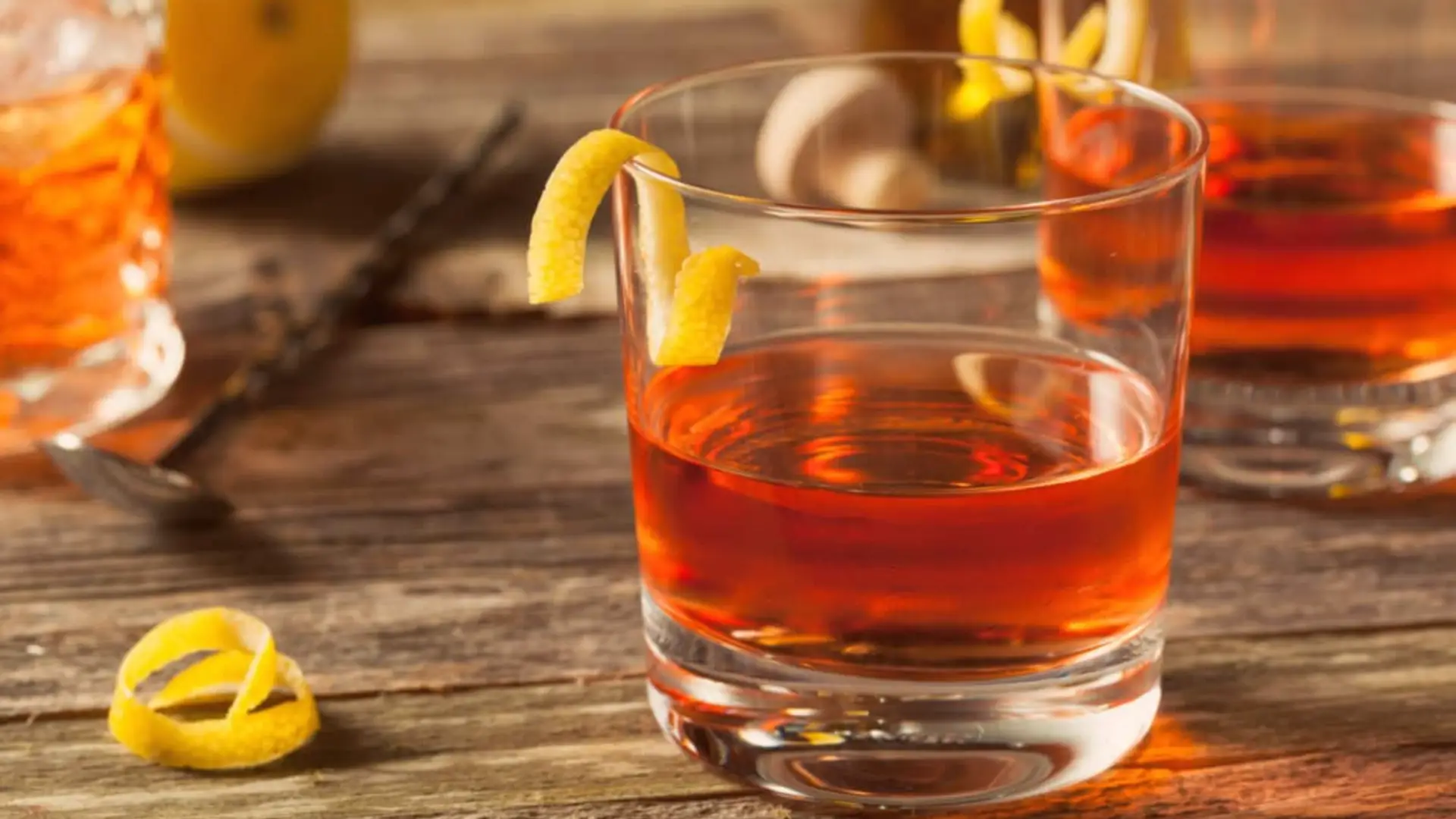
The Sazerac did not emerge as a novelty or a bartender’s invention chasing fashion. It took shape during the 19th century as American drinking culture moved away from medicinal dosing and toward structured ritual. The cocktail’s evolution mirrors the transformation of New Orleans, a city where European influence, port commerce, and apothecary practice converged. To understand the Sazerac is to understand how American cocktails first acquired discipline, repetition, and identity.
New Orleans as a 19th-Century Crucible
During the early 19th century, New Orleans held a unique position among American cities. Situated along the Mississippi River, it functioned as a commercial artery linking Caribbean trade, European imports, and inland agriculture. French and Spanish cultural frameworks remained dominant long after American governance took hold.
Spirits arriving through the port included French cognac, herbal liqueurs, and absinthe. Alcohol circulated freely through pharmacies as a digestive aid and tonic, reinforcing the blurred boundary between medicine and leisure. This environment encouraged measured combinations rather than casual consumption, laying the groundwork for the cocktail as a composed form.
Antoine Peychaud and the Apothecary Origin
The Sazerac’s earliest form is inseparable from Antoine Peychaud, a Creole pharmacist who settled in New Orleans after emigrating from Saint Domingue. By the 1830s, Peychaud was dispensing a mixture of French brandy, sugar, and his proprietary Peychaud’s Bitters to patrons from his pharmacy on Royal Street.
These drinks were consumed for digestive and restorative purposes. They were often served in small cups known as coquetiers, reinforcing the medicinal context. Peychaud’s Bitters introduced an aromatic and structural element that remains essential to the Sazerac’s identity.
At this stage, the drink was not yet a cocktail as defined later in the century. It was a measured remedy that hinted at ritual without yet entering public bar culture.
Cognac and Early Structure
The earliest Sazeracs were built on French cognac, most notably Sazerac de Forge et Fils, which was imported into New Orleans through established trade routes. Cognac’s prominence reflected the city’s French heritage and access to European goods.
This combination of cognac, sugar, and bitters created a balanced drink defined by warmth and restraint rather than excess. The structure emphasized clarity and proportion, characteristics that distinguished the Sazerac from punches and mixed drinks common elsewhere in the United States.
The Sazerac Coffee House and Public Ritual
By the 1850s, the drink became associated with the Sazerac Coffee House, located on Canal Street. This establishment catered to businessmen, politicians, and travelers, offering a social setting where repeatable drinks gained importance.
The Coffee House marked a critical transition. The Sazerac moved from private apothecary practice into public consumption. Its preparation became standardized, its name fixed, and its identity tied to a specific place. This shift reflects a broader nineteenth century movement toward formalized bar culture in America.
Absinthe and Aromatic Discipline
Midway through the 19th century, absinthe entered the Sazerac as a glass rinse. At the time, absinthe was legal and widely consumed in New Orleans, aligning with the city’s European tastes. Used sparingly, it perfumed the glass rather than dominating the drink.
This technique demonstrates early understanding of aromatic control. Rather than blending absinthe directly, bartenders applied it as an accent. This restraint would later become a defining principle of modern cocktail technique and reinforced the Sazerac’s composed character.
The Phylloxera Crisis and the Rye Transition
A decisive transformation occurred following the phylloxera epidemic, which devastated French vineyards between 1863 and 1890. As cognac supplies declined, New Orleans bartenders substituted American rye whiskey.
Rye introduced a sharper, spicier profile that altered the drink’s balance without abandoning its ritual. This change reflects broader post Civil War shifts in American spirits consumption, as domestic whiskey gained prominence. The Sazerac adapted to circumstance, preserving structure while evolving in flavor.
Fixing the Cocktail Form
By the late 19th century, the Sazerac had become a named cocktail with a defined formula. Unlike punches, slings, or cobblers, it followed a repeatable method and ingredient set. This consistency is why it is often cited as America’s first recognized cocktail.
The Sazerac embodied a new approach to drinking. Measurement replaced improvisation. Ritual replaced remedy. Identity replaced utility.
Modern Custodianship and Continuity
In the modern era, the Sazerac remains closely tied to New Orleans. The Sazerac Company, one of the oldest family-owned spirits companies in the United States, preserves the cocktail’s legacy through production and education.
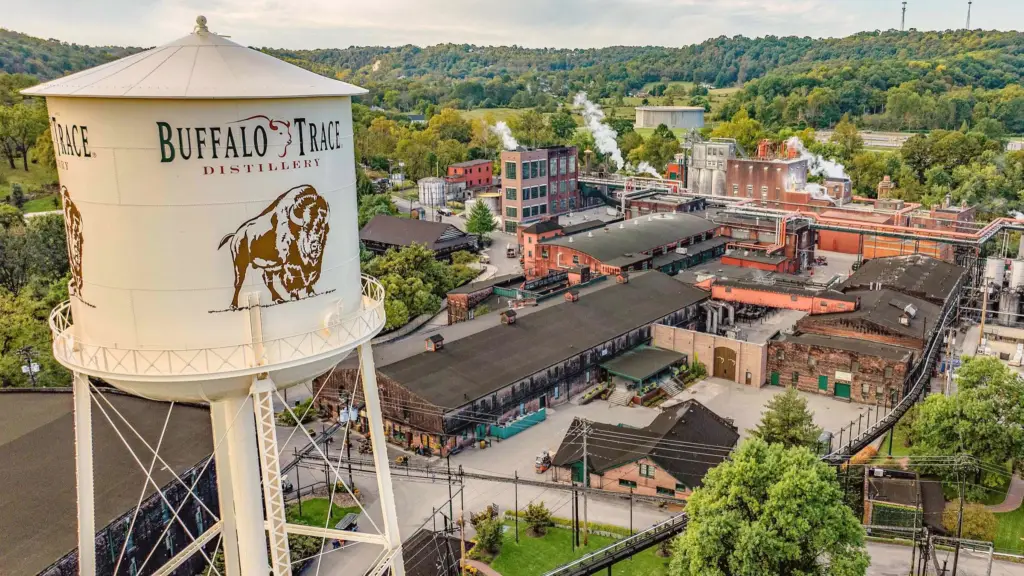
Distilleries such as Buffalo Trace Distillery produce Sazerac Rye, a contemporary base commonly used in Sazerac cocktails today. Educational spaces like The Sazerac House contextualize the drink within its historical framework.
In 2008, the Sazerac was officially declared the cocktail of New Orleans, formalizing its symbolic connection to the city.
Cultural Reflection
The Sazerac endures because it was shaped by nineteenth century conditions that demanded structure, discipline, and repetition. It survived shifts in ingredients, law, and taste without losing its identity. The cocktail stands as a testament to the moment when American drinking culture began to organize itself.
Seen through this lens, the Sazerac is not simply a recipe. It is a historical document written in liquid form, carrying the imprint of a century that taught America how to drink with intention.

Bar
The Sazerac Bar, located within the historic Roosevelt New Orleans hotel, stands as a distinguished symbol of the…
Cocktail
The Sazerac is one of the oldest and most storied cocktails in American history, a drink deeply tied…
Distillery
Buffalo Trace Distillery, located in Frankfort, Kentucky, is a venerable institution that has been committed to the art…
History
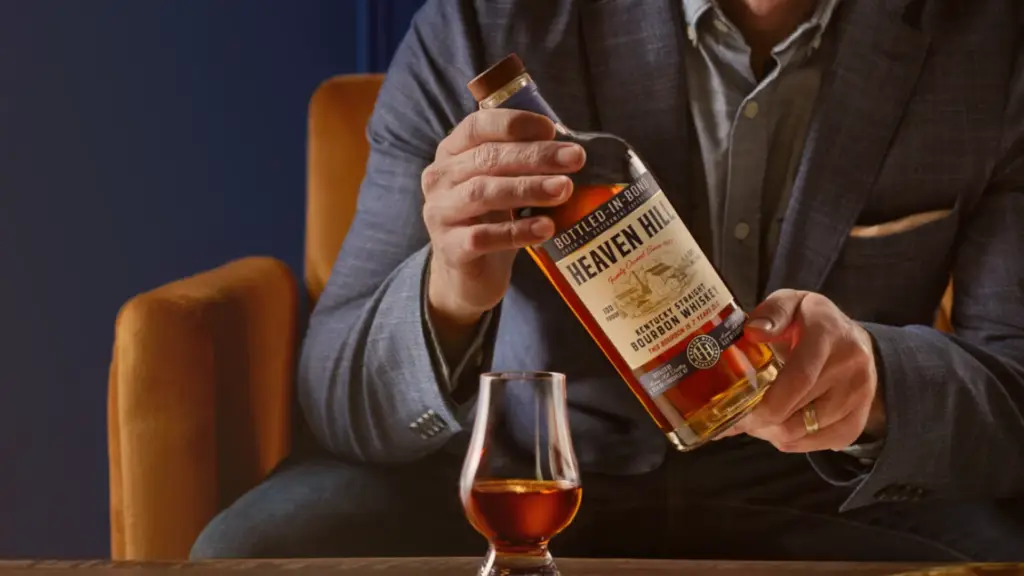
Bottled in Bond: How Fraud and Adulteration Created an American Whiskey Standard
Bottled in Bond for whiskey history begins with a problem that was larger than whiskey itself. In the late 19th century, the American spirits market was difficult for ordinary consumers to trust. Bottles could carry respectable names while holding liquid that had been stretched, coloured, flavoured, blended beyond recognition, or presented as aged whiskey when […]
July 8, 2026
Trending
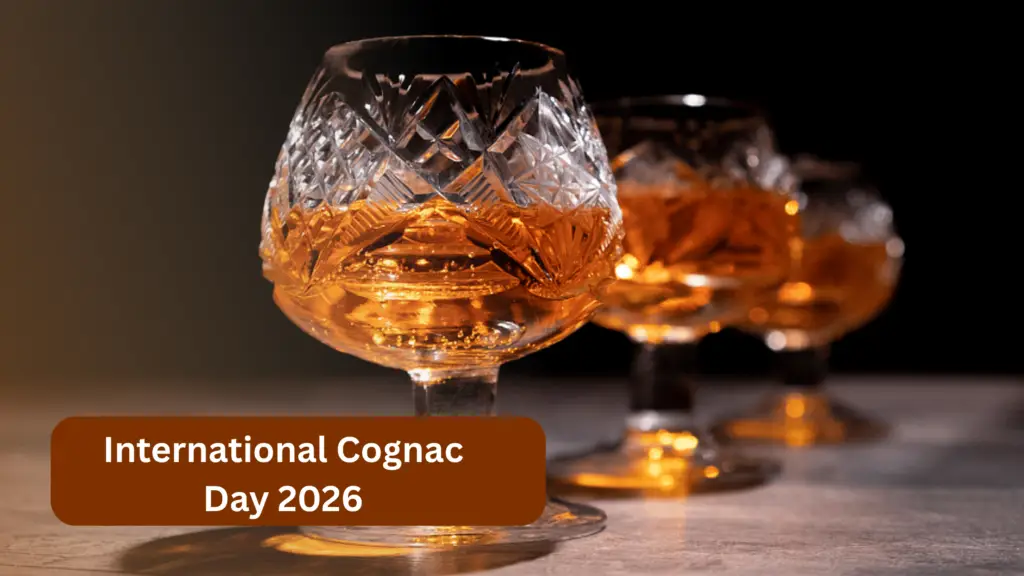
International Cognac Day: History, Appellation, and the Spirit of Charente
International Cognac Day is observed each year on June 4, but the spirit it recognizes belongs to a much longer calendar. Cognac is shaped by harvests, distillation seasons, oak maturation, and a legal framework that has turned a regional wine distillate into one of France’s most carefully protected spirits. Its identity begins in the Charente, […]
June 4, 2026
Distilleries & Producers
How the Sazerac Company’s Distilleries Define Craft, Continuity, and Global Spirits Production
The story of modern American spirits is inseparable from the history of the Sazerac Company, a privately held producer whose distilleries have shaped bourbon, rye, Canadian whisky, and beyond. More than a portfolio of labels, Sazerac Company’s distilleries represent continuity of craft, adaptation to market conditions, and a willingness to preserve historic production while investing […]
April 9, 2026