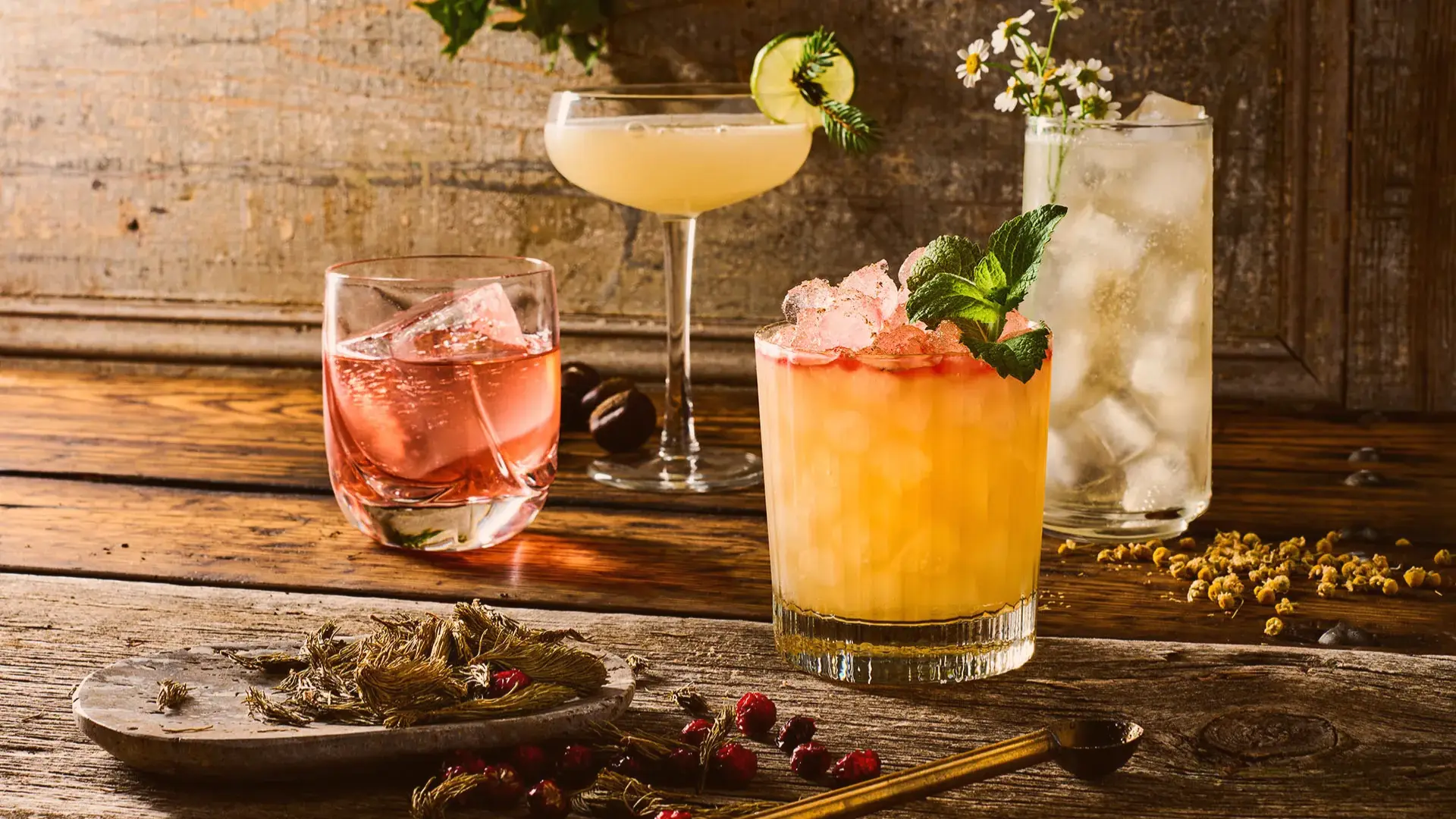
Across the Nordic countries, a quiet shift reshaped how cocktails are imagined. Instead of importing distant flavors, bartenders began turning outward, toward forests, coastlines, and fields. Foraging in mixology became both a creative practice and a philosophy, rooted in place, season, and respect for nature. Pine needles, spruce tips, birch sap, sea buckthorn, and wild herbs replaced citrus and spices once shipped from afar. Flavor became local, deliberate, and deeply connected to the landscape.
Foraging in Mixology as Nordic Identity
The rise of foraging in mixology followed a broader culinary awakening led by chefs such as René Redzepi and Magnus Nilsson, who redefined Nordic cuisine through terroir. Bartenders translated this thinking into liquid form. A defining moment came in the mid 2010s, when bars like Himkok showcased aquavits, liqueurs, and garnishes built entirely from regional botanicals. What began as a local expression soon influenced bars far beyond Scandinavia.
From Forest to Glass
Today, foraging in mixology is about memory as much as method. Each ingredient carries knowledge of when to harvest and how lightly to take. In the glass, the forest appears first as aroma, then as taste. At Barlist, this movement stands as proof that cocktails can honor ecology, culture, and craft while telling stories rooted in land and time.
Bar
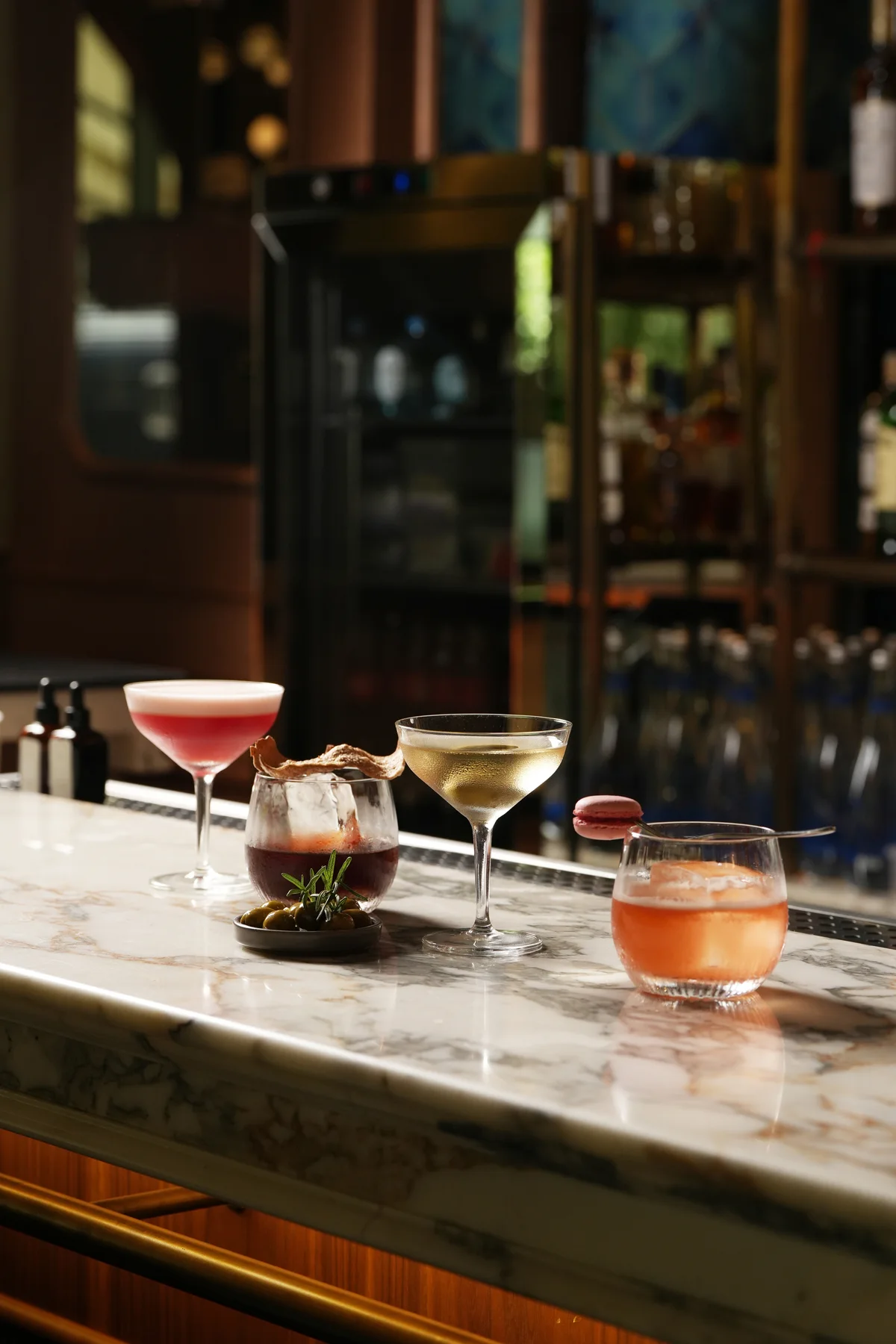
Hidden behind an unmarked door in the heart of Oslo, Himkok is more than a bar — it's…

Trends and Innovations
The Best New Bartenders of 2026: The People Shaping the Next Generation of Cocktails
The most interesting bartenders of 2026 are not necessarily the people making the most elaborate drinks. They are the bartenders changing what the profession expects from itself. Across Mexico City, Singapore, Hong Kong, New York, Atlanta, Los Angeles, Washington, D.C., Sydney and other major drinking cities, a new generation is combining technical skill with hospitality, […]
August 26, 2026
Trends and Innovations
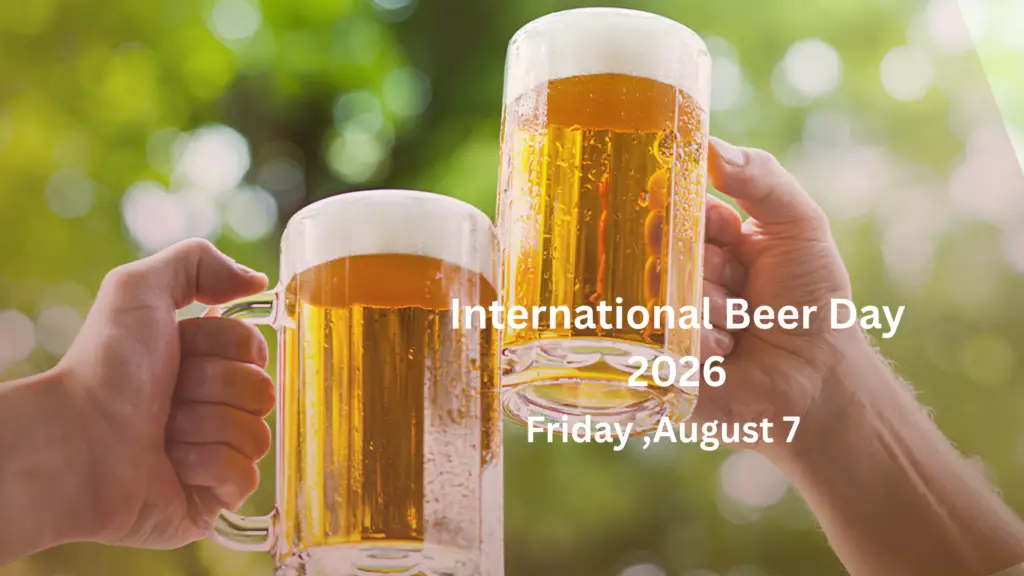
International Beer Day 2026: The History of the World’s Most Social Drink
On the first Friday of August, International Beer Day brings breweries, bars, restaurants and beer drinkers together around one of the world’s oldest fermented beverages. The celebration itself is relatively recent, having been established in Santa Cruz, California, in 2008 by Jesse Avshalomov and a group of friends. It was initially held on 5 August […]
August 7, 2026

Trends and Innovations
China’s Changing Drinks Market: Younger Adults, Convenience, and the Decline of Banquet Culture
For much of the past two decades, some of the most valuable parts of China’s drinks market were built around rooms larger than the drinking occasion itself. Business banquets, formal dining, corporate entertainment, and high-value gifting supported demand for premium baijiu, imported wine, and prestige spirits. Bottles performed several roles at once. They marked hierarchy, […]
August 1, 2026