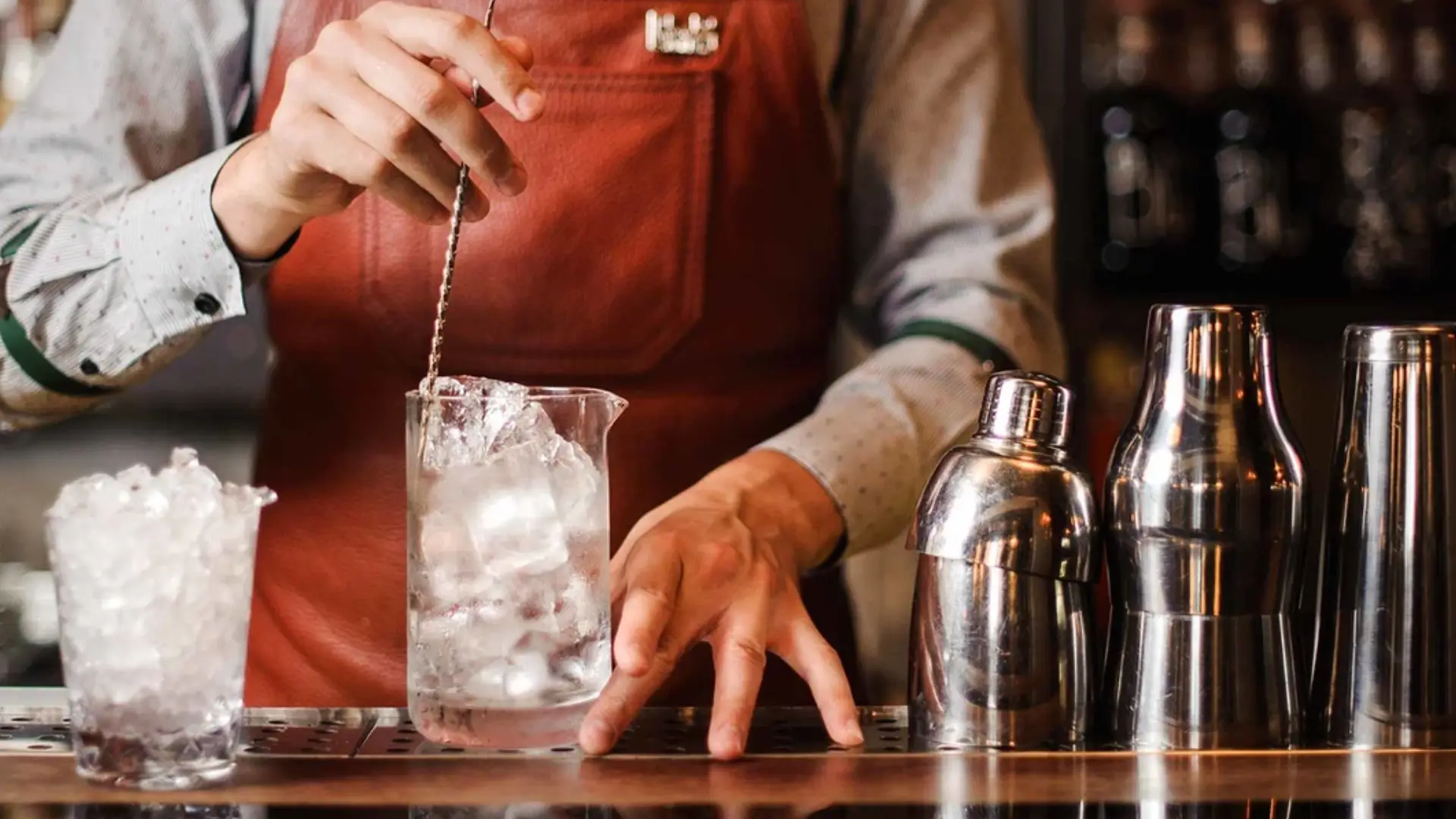
Understanding how gin is made requires looking beyond flavor into the disciplines of distillation regulation and cultural evolution. Gin is not defined by a single ingredient or region but by a process that transforms a neutral base spirit into a botanical expression anchored by juniper. This transformation reflects centuries of experimentation where restraint, precision and intent shaped one of the world’s most adaptable spirits.
The Neutral Spirit Foundation
Every discussion of how gin is made begins with the base spirit. Gin starts as a neutral alcohol, typically distilled from grains such as wheat, barley or corn. The goal of this spirit is purity rather than character. Through multiple distillation, the impurities are removed, leaving alcohol that is clean, high in strength and largely without aroma.
Historically, the move toward neutral spirit production accelerated during the 18th and 19th centuries as distillation technology improved. The introduction of continuous stills in the early 1800s allowed producers to achieve greater consistency and efficiency. This neutral foundation became essential because gin’s identity would later be defined not by the base but by what was added during redistillation.
Juniper as the Defining Element
Juniper is the non-negotiable heart of gin. Regulations across major gin-producing regions require that juniper be the dominant botanical. This requirement distinguishes gin from other botanical spirits and anchors its identity regardless of style or origin.
The importance of juniper dates back to genever production in the Low Countries during the 16th century, where juniper berries were valued for medicinal properties. As gin evolved, juniper shifted from a remedy to a flavor marker. In understanding how gin is made, recognizing juniper’s structural role is essential because all other botanicals are built around it rather than replacing it.
Botanical Selection and Balance
Botanicals are where gin becomes expressive. Common botanicals include coriander seed, citrus peel, angelica root, and orris root. Each serves a structural function rather than a decorative one. Coriander adds brightness, citrus introduces lift, angelica provides earthiness and orris binds aromas together.
The defining factor in how gin is made at this stage is balance. Botanicals are selected not for intensity but for harmony. Historically, distillers learned through trial and error that excess botanicals disrupt clarity. This philosophy became especially important as London Dry styles emerged, emphasizing restraint and precision over novelty.
Redistillation and Botanical Integration
Gin’s identity is formed during redistillation. The neutral spirit is redistilled with botanicals, allowing alcohol vapor to extract essential oils and aromatic compounds. This process integrates botanicals into the spirit rather than infusing them superficially.
By the 19th century, pot stills and later column stills allowed distillers to refine this integration. London Dry standards formalized expectations requiring botanicals to be distilled rather than compounded. This distinction remains central to understanding how gin is made in quality-focused production.
Redistillation ensures that flavor is embedded within the spirit rather than layered on top.
Style Identity Through Method
Different gin styles emerge from variations in method rather than ingredients alone. London Dry emphasizes dryness, juniper dominance and distilled botanicals with no post-distillation sweetening. Plymouth gin historically reflected regional production choices. Contemporary gins explore softer juniper profiles while still respecting regulatory definitions.
Understanding how gin is made across styles reveals that identity comes from decisions about botanical ratios, distillation cut points and alcohol strength. These technical choices shape mouthfeel, aroma and finish without changing gin’s essential definition.
Style is therefore an outcome of method, not marketing.
Regulation and Consistency
Regulation plays a critical role in defining how gin is made. Legal frameworks in the United Kingdom and European Union protect gin’s core identity by specifying juniper dominance and production methods. These regulations prevent dilution of category meaning while allowing stylistic diversity.
Historically, regulation emerged in response to quality concerns during periods such as the Gin Craze of the early 1700s. Over time, oversight transformed gin from an uncontrolled spirit into a disciplined category built on trust and consistency.
Modern gin production continues to balance creativity with compliance, ensuring integrity across global markets.
From Neutral Spirit to Cultural Expression
The transformation from neutral spirit to botanical identity mirrors the cultural journey of gin. Gin adapted to different eras by maintaining structural discipline while responding to social taste. From its medicinal origins to cocktail culture, gin’s versatility lies in its ability to absorb context without losing its definition.
Understanding how gin is made reveals why gin performs so well in classic cocktails. Its botanical clarity interacts predictably with citrus bitters and vermouth because its identity is intentional rather than accidental.
Gin succeeds because its craft respects both chemistry and culture.
Where Barlist Meets How Gin Is Made
The story of how gin is made is a study in discipline rather than improvisation. On Barlist spirits are explored through production logic, historical continuity and cultural relevance. By tracing gin’s journey from neutral spirit to botanical identity, Barlist connects readers to the deeper craft that defines gin beyond trend cycles. Gin endures not because it changes constantly but because its foundation allows thoughtful expression within clear boundaries.

Distillery
Yorkshire Dales Distillery is a family-run craft distillery situated on the edge of the stunning Yorkshire Dales, just…
Spirit
Plymouth Sloe Gin is a unique variation of gin that captures the essence of the English countryside through…
Spirit
Beefeater London Dry Gin is a quintessential representation of this classic spirit, renowned for its meticulous craftsmanship and…
Spirit
Desert Ram London Dry Gin is a bold and robust spirit characterized by its high alcohol content and…
Bars and Cocktails
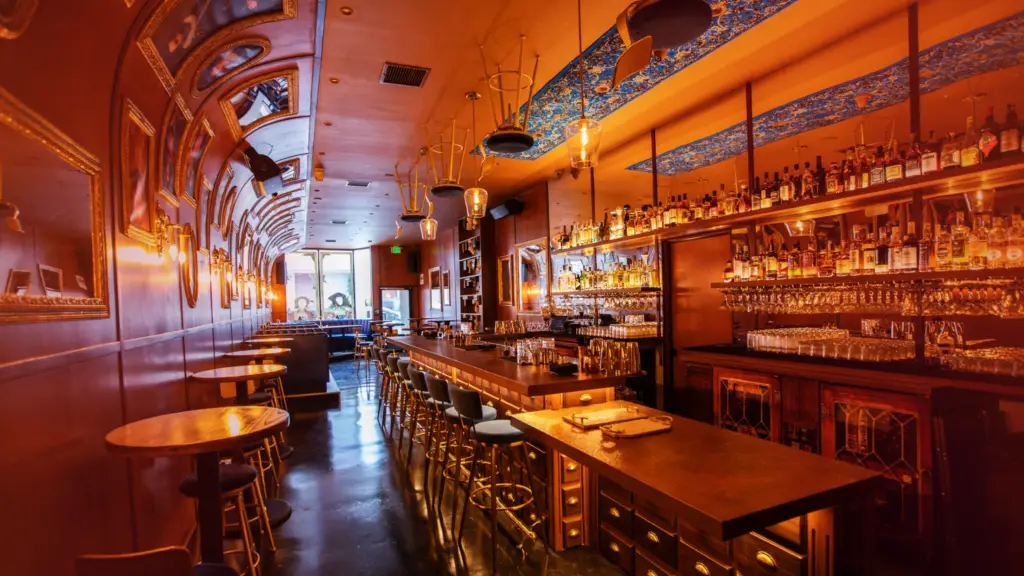
The Rise of Speakeasy 2.0: How Modern Hidden Bars Reframed Craft
A ringing telephone inside a New York hot dog shop opens a concealed door. A narrow staircase in Shoreditch descends into candlelit jazz. An unmarked façade in Singapore reveals one of Asia’s most awarded cocktail programs. These are not acts of evasion but of design. The rise of Speakeasy 2.0 marks a shift from prohibition […]
March 2, 2026
Partnership

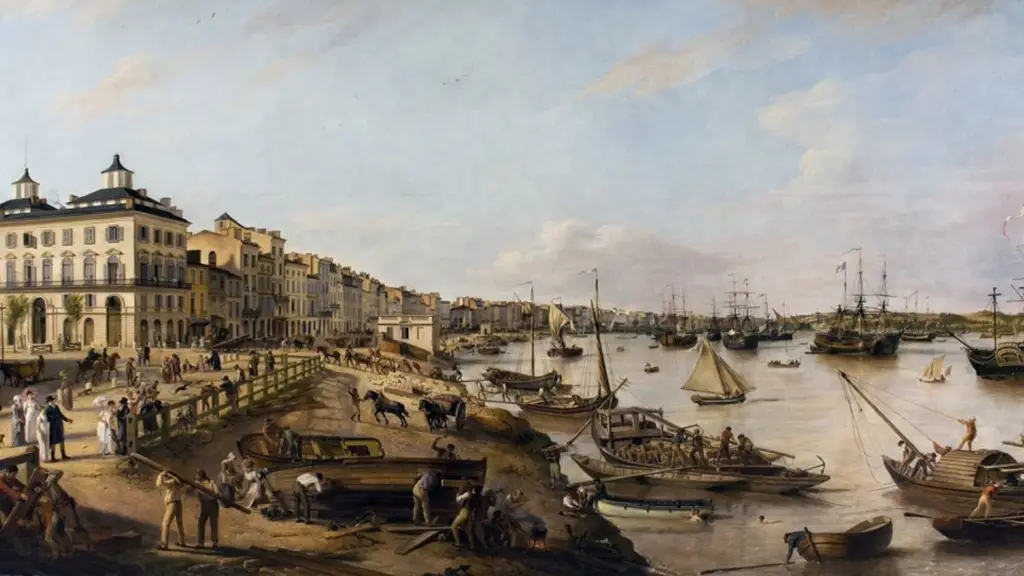
The Port of Bordeaux and the Trade Routes That Built Cognac
Cognac did not become a global spirit because of vineyards alone. Its rise depended on water, ships, and merchants long before it depended on distilleries. The identity of Cognac was shaped as much by the port of Bordeaux as by the chalk soils of Charente. Without Bordeaux’s access to Atlantic trade routes, cognac would likely […]
September 16, 2026
Partnership
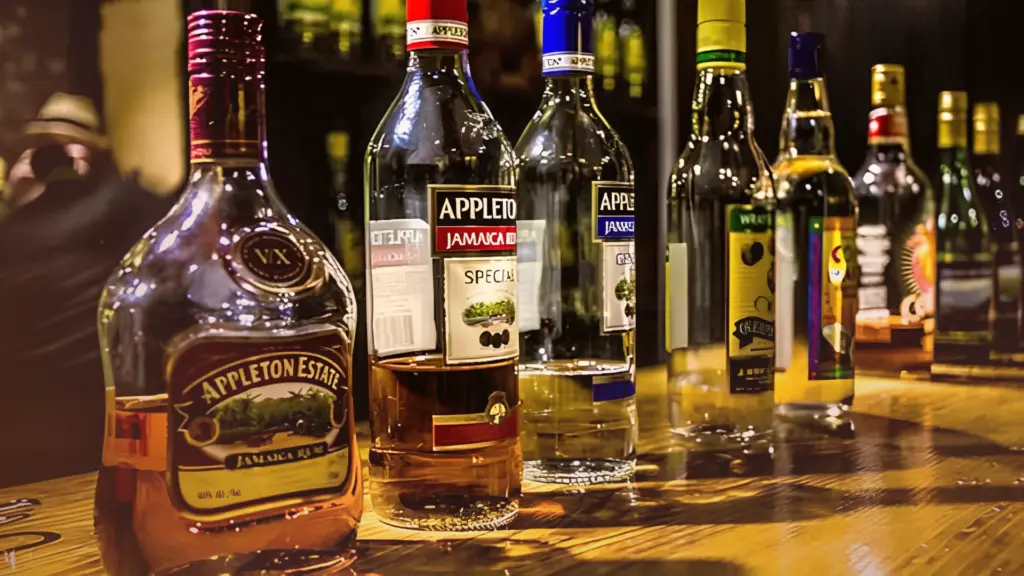
Jamaica Rum and the Sugar Estate Landscape Behind a Protected GI
Jamaica’s Rum story begins with sugar estates, limestone water, heavy fermentations, coastal trade, and a landscape where cane became both wealth and memory. The island’s reputation was not made by one house or one parish. It grew across estates, distilleries, ports, and rural communities where sugar production and rum making became inseparable from the country’s […]
September 13, 2026