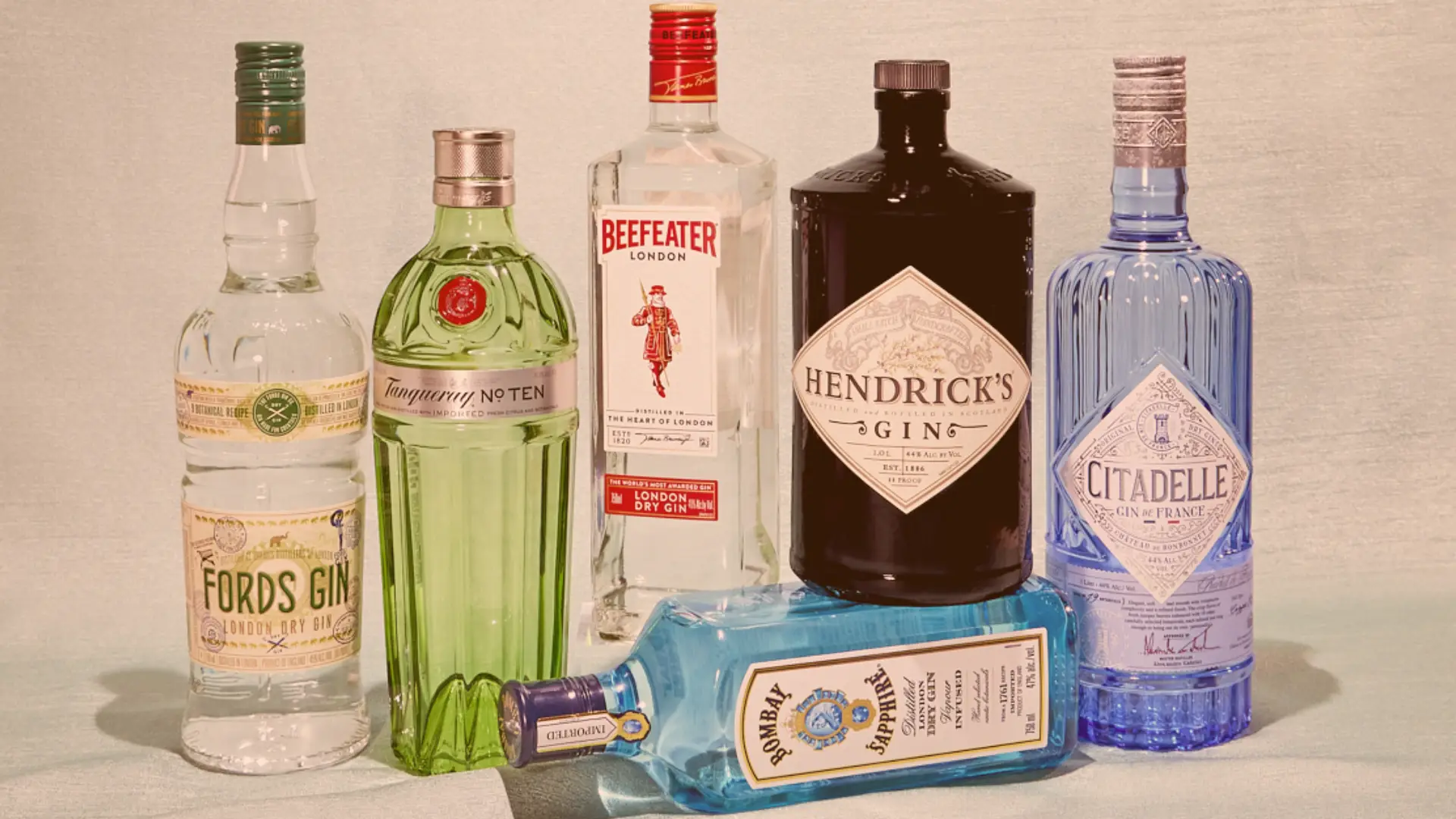
The definition of the best gin has never been static. Unlike many spirits shaped primarily by geography, gin evolved through medicine, trade, urbanization, regulation and cultural reinvention. What began as a herbal remedy in medieval Europe gradually transformed into one of the most globally expressive spirits, defined by botanical balance, craftsmanship and identity. To understand how the best gin is defined today, one must trace its journey across centuries of social and economic change.
Medicinal Origins and the Birth of Genever
Gin’s earliest roots can be traced to genever, a juniper-based spirit distilled in the Low Countries during the 11th and 12th centuries. Juniper berries were widely believed to possess medicinal properties, particularly for digestive and kidney ailments. Early genever was produced by pharmacists and monks, consumed as medicine rather than recreation.
By the 16th century, genever production had expanded in the Netherlands, supported by grain abundance and distillation knowledge. The spirit gained wider popularity during the Thirty Years’ War from 1618 to 1648 when English soldiers encountered genever and carried its influence back home. These early formulations established the botanical foundation that would later define the best gin in its modern sense.
Gin Arrives in England and Cultural Transformation
Gin entered England in a period of political and economic transition. Following the accession of William of Orange in 1689, the English government encouraged domestic distillation while restricting imports of French brandy. This policy created ideal conditions for gin production using surplus grain.
By the early 1700s, gin consumption had exploded in London, leading to what became known as the Gin Craze. Cheap, unregulated gin flooded urban areas, resulting in social disorder and public health crises. The government responded with a series of Gin Acts beginning in 1729, gradually introducing licensing and quality control.
These regulations marked the first steps toward defining quality and responsibility in gin production. The shift from uncontrolled spirit to regulated product laid the groundwork for the standards that later shaped the best gin traditions.
Industrial Innovation and the London Dry Style
The 19th century marked a significant turning point in the technical evolution of gin. The invention of the column in the early 1800s enabled cleaner and more consistent distillation. This technological leap enabled distillers to produce lighter spirits that showcased botanical clarity rather than grainy heaviness.
London Dry gin emerged as a style defined not by location but by method. Botanicals were distilled rather than compounded, sugar was minimized, and juniper remained the dominant flavor. Distilleries such as Tanqueray, founded in 1830 and Beefeater, established in 1863, became benchmarks for balance and precision.
This era solidified the notion that the best gin was characterized by restrained structure and clarity, rather than intensity or sweetness.
Gin and the Rise of Global Cocktail Culture
Gin’s global influence expanded rapidly during the late 19th and early 20th centuries as British trade and empire spread spirits culture worldwide. Gin became a staple in colonial environments where it was often mixed with quinine tonic water as a malaria preventative, giving rise to the gin and tonic.
During the early cocktail age from 1900 to the 1930s, gin dominated classic cocktail books. Drinks such as the Martini, the Negroni and the Tom Collins established gin as a versatile base spirit. Prohibition from 1920 to 1933 further reinforced gin’s popularity in the United States due to its ease of production.
This period embedded gin into global drinking rituals and reinforced its adaptability, an essential trait in defining the best gin across cultures.
Decline and Revival in the Late 20th Century
By the mid-20th century, gin’s reputation suffered as consumer preferences shifted toward vodka and whisky. Many mass-produced gins sacrificed botanical complexity for neutrality. The category entered a period of stagnation.
The revival began in the late 1990s and early 2000s as consumers sought authenticity and flavor-driven spirits. Craft distillation returned focus to botanical terroir and production transparency. Distilleries experimented with local ingredients while respecting classic balance.
Publications such as Forbes documented gin’s resurgence as one of the fastest-growing premium spirits categories. This renaissance redefined what the best gin meant for a modern audience.
Modern Craft Gin and Botanical Expression
Today, the best gin is defined by botanical intention rather than novelty. Modern producers carefully select ingredients to create harmony rather than excess. Citrus spice, floral and herbal elements are layered thoughtfully with juniper remaining central.
Regulatory definitions continue to play a role. Protected styles such as London Dry maintain strict standards, while contemporary craft gins explore regional identity. This balance between tradition and innovation has elevated gin into a spirit of cultural expression rather than trend-driven experimentation.
Gin’s evolution now reflects consumer maturity where storytelling provenance and craftsmanship matter as much as flavor.
Where Barlist Meets the Story of the Best Gin
The journey of the best gin mirrors broader shifts in how spirits are valued and understood. From medieval medicine to regulated spirit to global icon, gin’s transformation is rooted in history, innovation and cultural exchange. On Barlist gin is explored through its origins, production philosophy and global relevance rather than popularity alone. By tracing its evolution across centuries, Barlist connects readers to the deeper story behind a spirit that continues to redefine itself while honoring its botanical roots.

Distillery
Whitley Neill Distillery, known for its award-winning Whitley Neill Gin, is a prominent distillery located in the City…
Spirit
Copeland Jones 1778 Navy Strength Gin
Copeland Jones 1778 Navy Strength Gin is a distinctive Irish gin crafted with a nod to history and…
Spirit
Act 1751 London Dry Gin is a refined expression of the traditional British dry gin style, meticulously crafted…
Spirit
Little Bird Gin is an exemplary representation of modern London Dry Gin, crafted in small batches in the…
Barlist
Welcome to Barlist, where every drop tells a story
At Barlist, we live and breathe the art of spirits. Every bottle, every glass, every drop carries a story waiting to be told. With Barlist, we bring those stories to life- a place where flavours meet histories, and where true craftsmanship shines through tens of thousands of spirits and distilleries worldwide. Whether you’re a seasoned […]
March 9, 2026
Distilleries & Producers
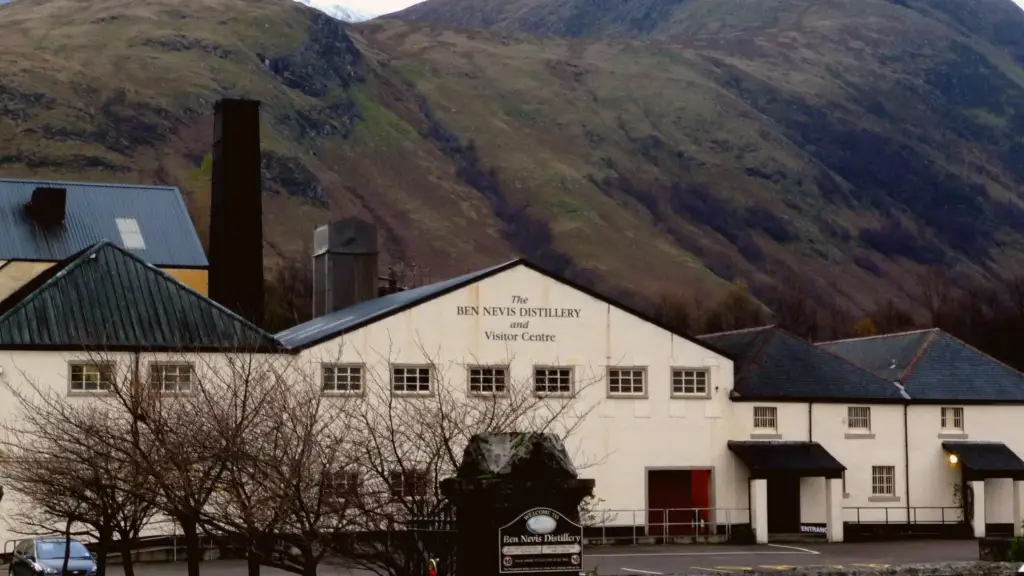
The Ben Nevis Distillery: From Long John MacDonald to Modern Ownership
At the foot of Britain’s highest mountain, Ben Nevis Distillery has lived a history defined less by continuity than by interruption. While many Highland distilleries trace a steady arc from founding to present day, Ben Nevis has moved in cycles of ambition, collapse, silence, and revival. Its story reveals how geography, capital, and global demand […]
February 24, 2026
Cocktails
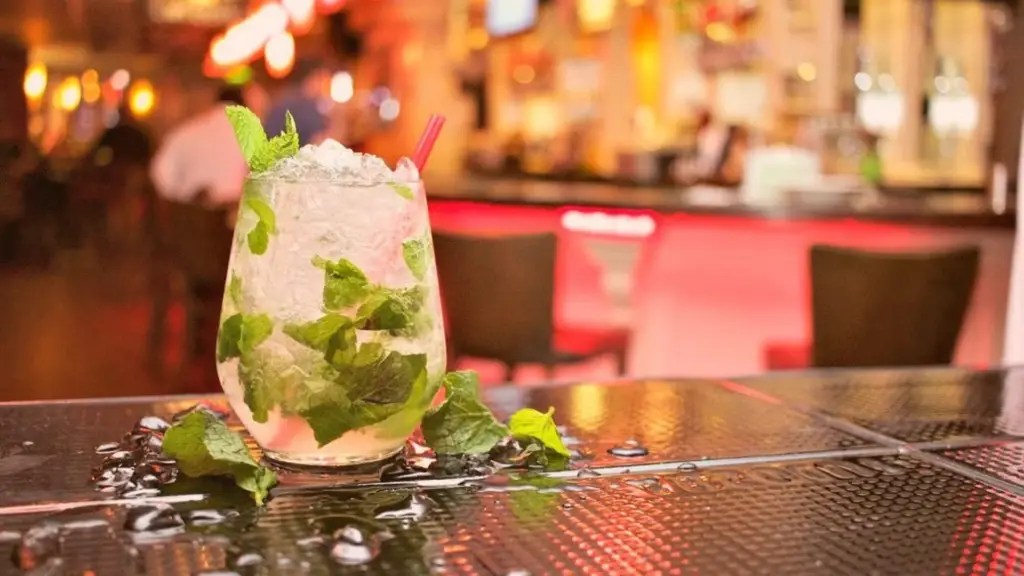
History of the Mojito Cocktail and Its Cuban Cultural Legacy
The history of the mojito cocktail is inseparable from Havana’s streets, Cuba’s sugarcane fields, and the Atlantic trade routes that shaped daily life on the island. Unlike many classic cocktails that emerged from hotel bars or European salons, the Mojito was shaped by necessity, climate, and local ingredients. Its identity evolved gradually, reflecting Cuba’s agricultural […]
January 30, 2026