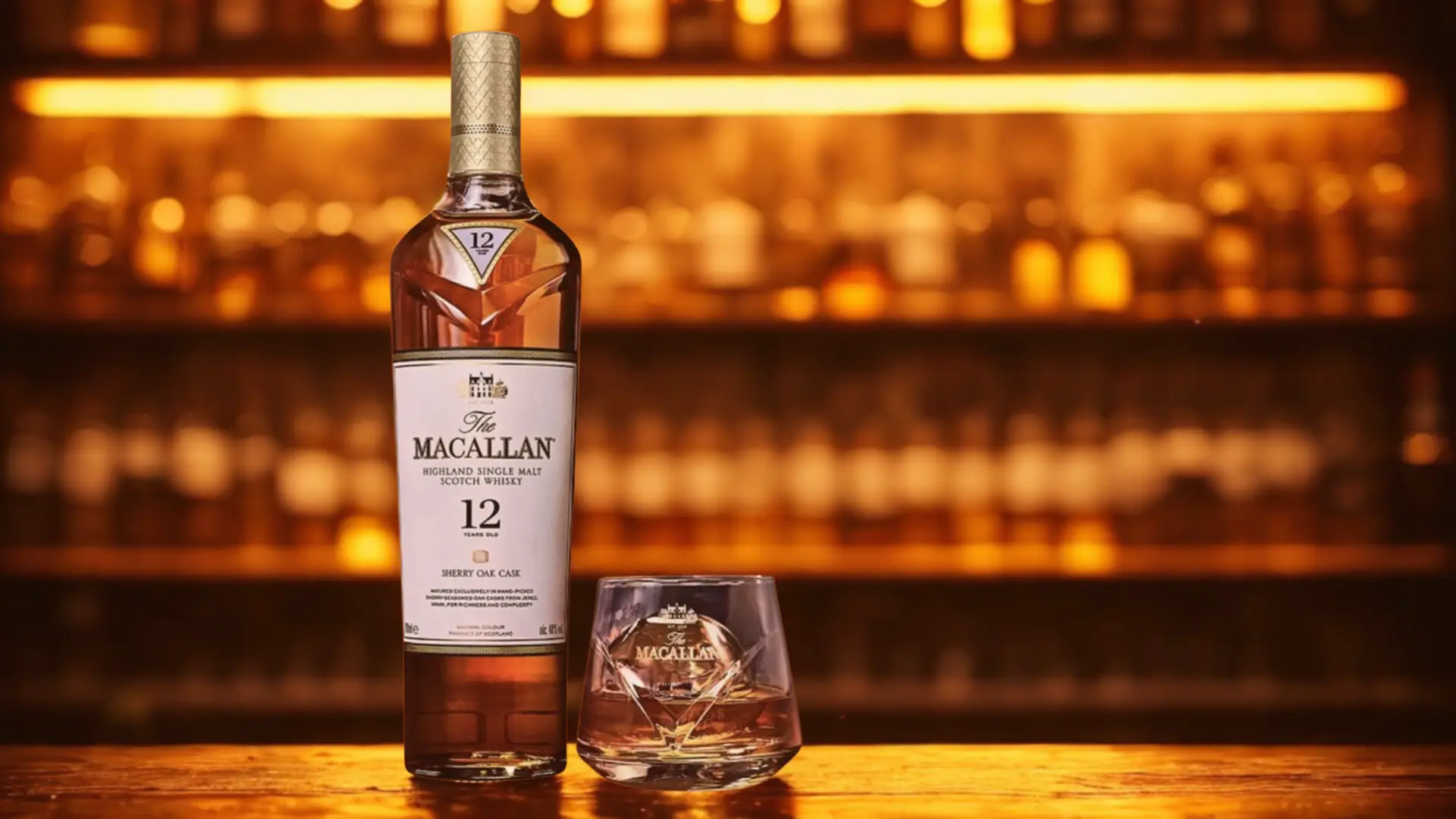
In the world of fine whisky, scotch whisky Macallan occupies a position shaped by history rather than hype. Its reputation as a luxury benchmark was not constructed through sudden innovation or trend-driven marketing but through nearly two centuries of disciplined production choices made in a specific place at a specific time. To understand why Macallan defines modern luxury whisky, one must begin in Speyside during the earliest legal era of Scotch distillation.
The Founding of Macallan and Its Speyside Roots
The story of Scotch whisky Macallan begins in 1824, when Alexander Reid, a barley farmer and schoolteacher, obtained one of the first legal distillation licenses following the Excise Act of 1823. The Macallan Distillery was established on Easter Elchies Estate overlooking the River Spey, a location selected for its access to soft spring water and fertile barley fields.
This moment marked the formal transition of Scotch whisky from illicit production to regulated craft. Macallan’s early legal status allowed it to develop consistent methods at a time when many distillers were still operating outside formal law. The distillery’s historical foundations are preserved within official records and heritage documentation referenced by the Scotch Whisky Association.
Early Production Decisions That Defined Character
From its earliest years, scotch whisky Macallan distinguished itself through deliberate production restraint. The distillery adopted unusually small copper pot stills, a decision that increased copper contact and produced a heavier, more structured spirit. This spirit style was not accidental. It was designed to withstand long maturation without losing balance or depth.
Equally significant was Macallan’s early focus on precise spirit cuts. Only a narrow portion of the distillation run was selected for cask filling, sacrificing volume for quality. These technical decisions established a house style capable of extended ageing, a defining factor in Macallan’s later ascent within the luxury segment.
The Central Role of Sherry Seasoned Oak
By the late 1800s, Macallan Scotch whisky had developed a defining relationship with sherry-seasoned oak casks. While many distilleries relied on reused transport casks, Macallan prioritised European oak sourced primarily from northern Spain and seasoned specifically for whisky maturation.
This commitment intensified throughout the 1900s, as Macallan began supervising the entire cask lifecycle from forest management to cooperage and seasoning. The result was a whisky profile defined by dried fruit richness, spice structure and depth rather than peat or smoke. Macallan’s wood program is frequently cited in industry analysis and referenced by the Scotch Whisky Association as an example of how cask management influences flavour development.
Post-War Expansion and Global Recognition
Following the Second World War, Scotch whisky Macallan entered a period of international expansion. During the 1960s and 1970s, Macallan single malts gained recognition among independent bottlers and collectors at a time when blended Scotch dominated global markets.
The official launch of The Macallan as a single malt brand in the 1980s marked a turning point. Bottlings such as the 18-year-old expression became reference points for aged Speyside whisky and contributed to the rising prestige of single malts worldwide. Coverage in publications such as Forbes later documented how Macallan helped reposition single malt Scotch as a luxury collectible rather than a niche category.
Auctions Collectors and the Language of Luxury
By the early 2000s, the scotch whisky Macallan had entered the world of fine art style collecting. Record-breaking auction sales, including historic vintages distilled in 1926, transformed public perception of whisky value. Macallan became a fixture at international auction houses, redefining what whisky could represent culturally, economically, and symbolically.
This transition was not driven solely by rarity but by trust in provenance consistency and long-term production philosophy. Recognition from institutions such as the World Whiskies Awards repeatedly affirmed Macallan’s commitment to maturation excellence rather than novelty-driven releases.
Where Barlist Meets the Story of Scotch Whisky Macallan
The legacy of Scotch whisky Macallan is built on time discipline and place. Its luxury status is not a surface identity but the result of decisions made in 1824 and repeated with consistency ever since. On Barlist, Macallan stands as a case study in how heritage craftsmanship and patience shape cultural authority. By tracing its dates, locations, and production philosophy, Barlist connects readers to the deeper story behind one of the most influential whiskies in the modern world.

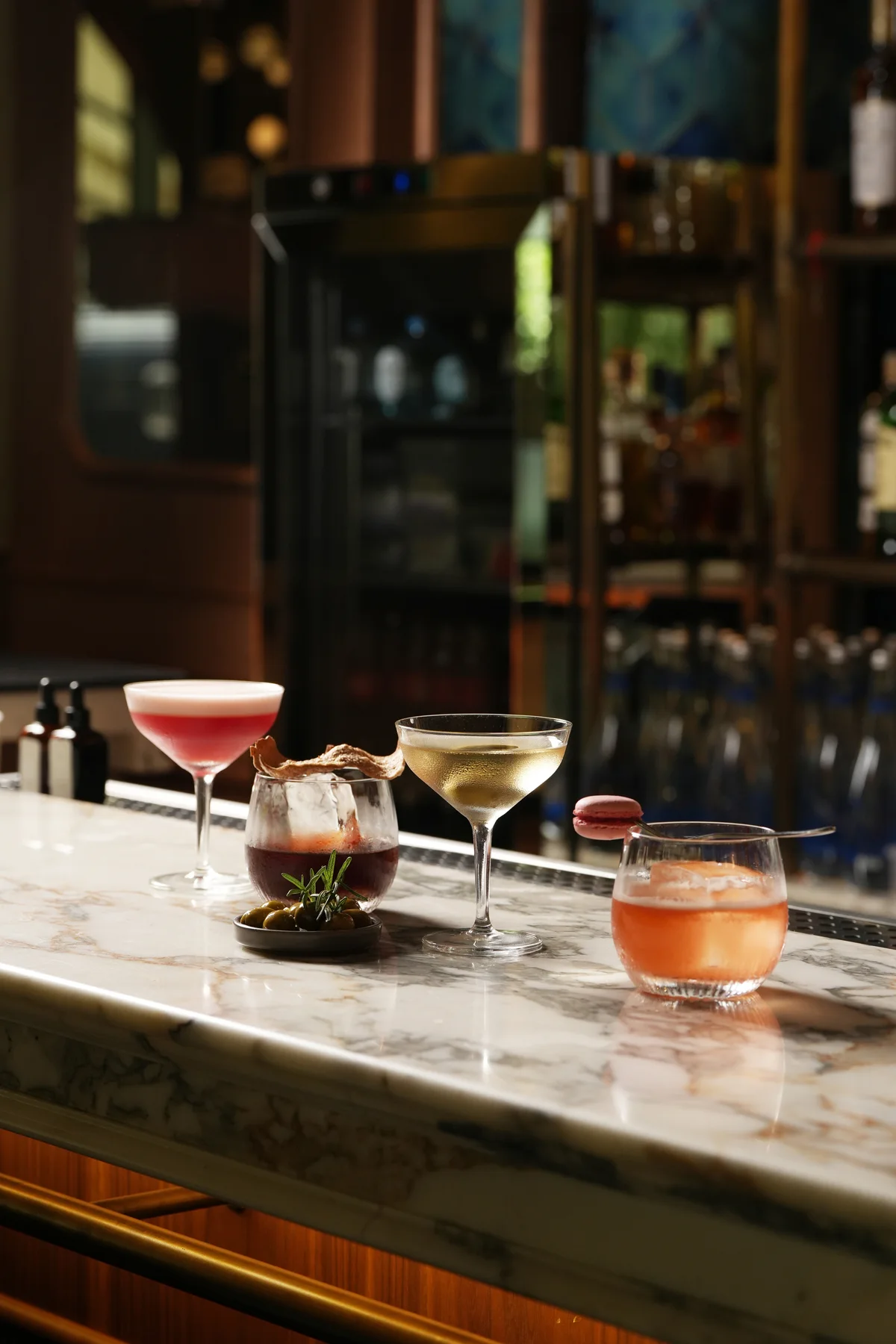
Distillery
The Macallan Distillery is a beacon of heritage and craftsmanship located in the heart of Speyside, in the…
Spirit
Rumclub 21 YO Private Selection Edition 44 Trinidad 2002 Single Cask Rum
The Rumclub 21 YO Private Selection Edition 44 Trinidad 2002 Single Cask Rum is a remarkable representation of…
Spirit
The Macallan 12 YO Double Cask Highland Single Malt Scotch Whisky
The Macallan 12 YO Double Cask is a distinguished Highland single malt Scotch whisky that embodies the rich…
Trends and Innovations
The Digital Decanter: How Alcohol E-Commerce Redefined Premium Spirits
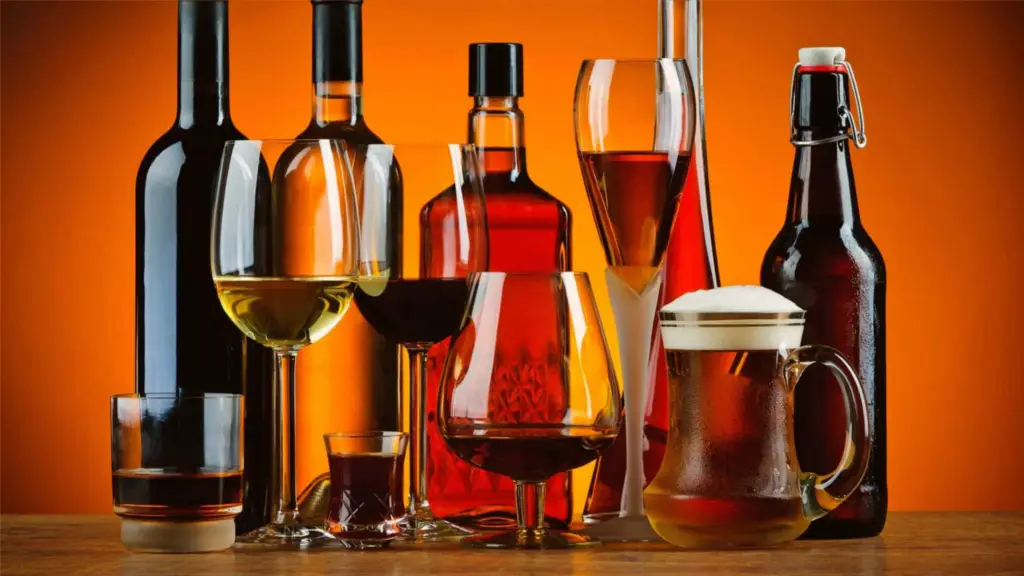
A decade ago, acquiring a premium bottle of whisky or tequila required physical presence. The process unfolded inside specialist retailers, where access depended on geography, relationships, and availability. That structure has shifted. The rise of alcohol e-commerce has transformed acquisition into a digital experience, using Digital Decanter, where selection, storytelling, and delivery operate within a […]
May 21, 2026
Trends and Innovations
Luxury Packaging in Spirits: Perception Versus Liquid Quality
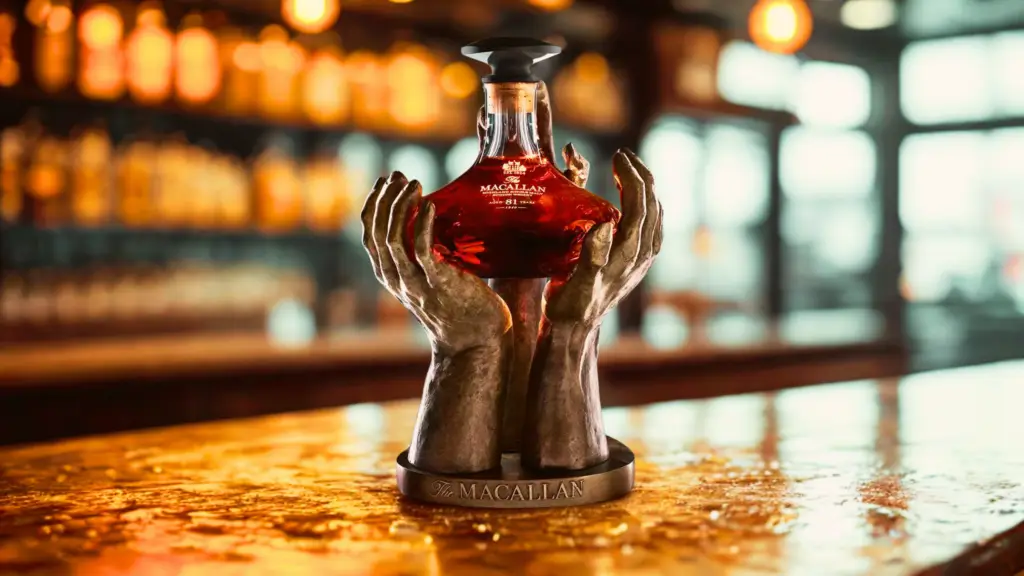
Weight arrives before aroma. A heavy glass bottle, a magnetized closure, an embossed crest, and a velvet-lined box signal prestige before the cork is drawn. In the global spirits market, presentation often precedes palate. Luxury Packaging in Spirits operates at the intersection of psychology, design, and economics, shaping perception long before liquid quality can be […]
April 1, 2026
Tips and Tricks
Why Certain Distilleries Invite Visitors and Others Remain Guarded
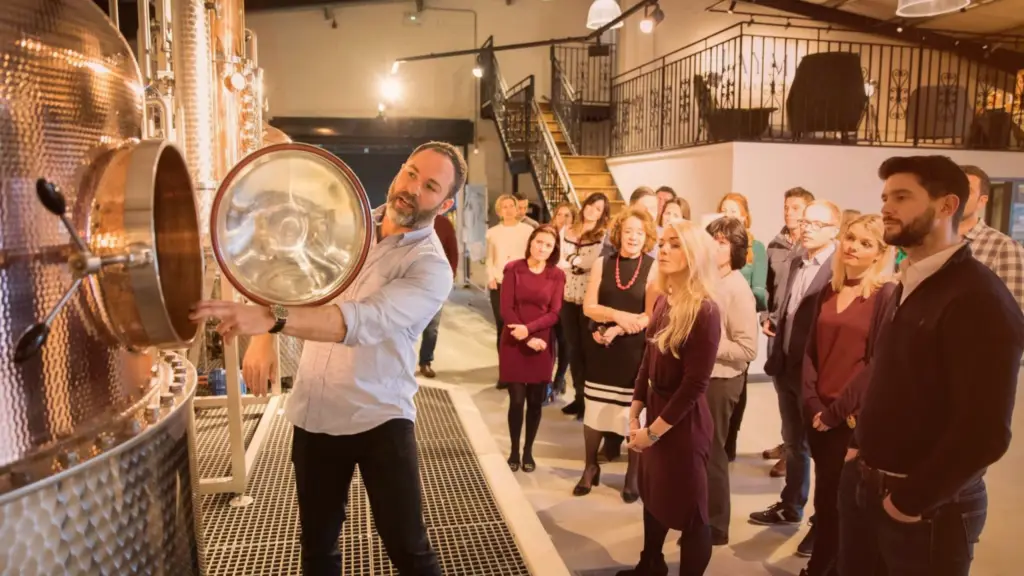
A visitor standing beneath the curved timber roof of The Macallan distillery in Speyside encounters a spectacle of transparency. Glass walls reveal stills. Interactive exhibits explain oak sourcing. The building itself, opened in 2018, was designed as an architectural statement of modern whisky confidence. Yet only portions of production are accessible. Beyond certain corridors, access […]
March 23, 2026