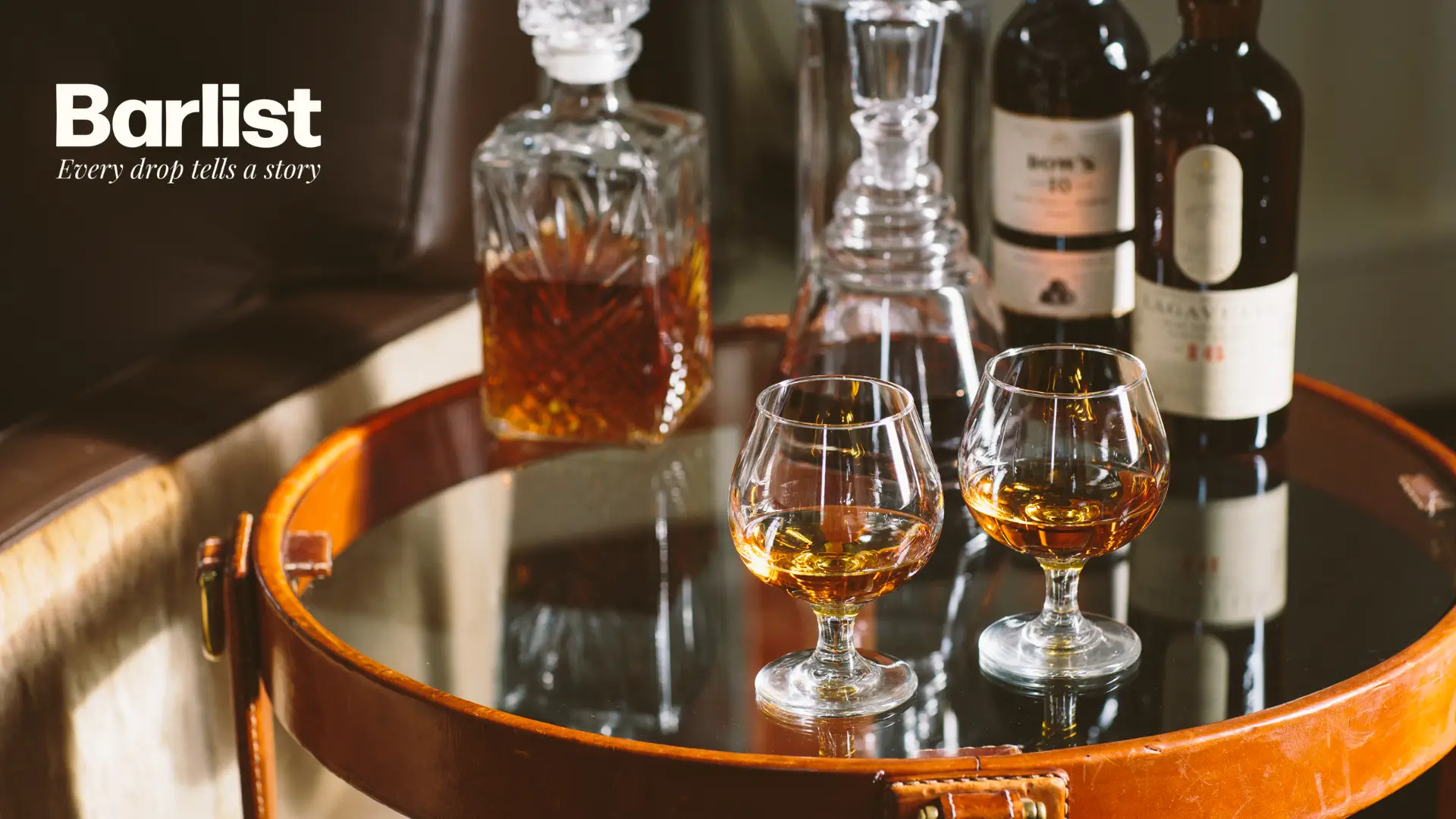
The United States Congress passed a resolution in 1964 that forever changed the world of spirits. It officially declared Bourbon as America’s native spirit, granting legal recognition to a tradition that had already defined the nation’s taste for more than two centuries. This act, simple in words but monumental in effect, established Bourbon as both a cultural symbol and a national treasure.
The Birth of Bourbon Tradition
Long before the resolution, Bourbon had deep roots in American soil. Early settlers in Kentucky and surrounding regions began distilling corn whiskey in the late eighteenth century. The state’s limestone-rich water, abundant grain, and favorable climate made it a natural home for whiskey making. The term Bourbon likely came from Bourbon County, an area named in honor of the French royal family who supported American independence.
By the early nineteenth century, barrels of whiskey shipped from Kentucky down the Ohio and Mississippi Rivers were charred to preserve their contents during transport. The journey mellowed the liquid, giving it its distinct amber color and caramel flavor. As the craft matured, Bourbon whiskey emerged as a proud reflection of American self-reliance and frontier ingenuity.
The Struggle to Preserve Authentic Bourbon
By the middle of the twentieth century, Bourbon faced a serious identity crisis. The global rise of vodka and gin, along with a shift toward lighter spirits, caused domestic sales to decline. To make matters worse, international producers began labeling imitation whiskies as “Bourbon,” misleading consumers and diluting the reputation of genuine American whiskey.
Distillers across Kentucky and Tennessee understood that their craft required protection. What had begun as a local enterprise had grown into an industry worth safeguarding for future generations. With leadership from trade associations and lawmakers, producers united to demand federal recognition.
The 1964 Congressional Decision That Defined Bourbon
On May 4, 1964, the U.S. Congress passed Senate Concurrent Resolution 19, officially recognizing Bourbon as a distinct product of the United States. The resolution stated that no whiskey could bear the name Bourbon unless it met precise standards of production. These standards required that the spirit be made from a mash of at least 51 percent corn, distilled to no more than 160 proof, aged in new charred oak barrels, and bottled at a minimum of 80 proof.
This resolution did more than regulate; it gave Bourbon an identity that belonged entirely to America. The law acknowledged that the process of making Bourbon whiskey was inseparable from American soil, history, and craftsmanship. It was an act of cultural preservation as much as economic protection, ensuring that no imitation could claim the same origin or authenticity.
The Guardians of Bourbon Heritage
After 1964, distillers such as Jim Beam, Maker’s Mark, Wild Turkey, and Heaven Hill became custodians of this legacy. The resolution inspired a renewed pride in craft and transparency, leading to higher production standards and stronger brand storytelling. The Kentucky Bourbon Trail, launched decades later, became a global attraction for enthusiasts seeking to experience Bourbon’s birthplace firsthand.
Each distillery showcased not only its whiskey but the collective story of America’s heartland — of farmers, blenders, coopers, and families who defined the meaning of authenticity. As the decades passed, this pride fueled a renaissance that positioned Bourbon once again among the most respected spirits in the world.
Bourbon Today A Spirit of Identity and Integrity
More than half a century after the 1964 resolution, Bourbon stands as one of the most recognizable symbols of American craftsmanship. From small-batch producers to global brands, every bottle reflects a lineage rooted in law, land, and labor. It remains an ambassador of American tradition, carried from Kentucky’s rolling hills to bars across Europe, Asia, and beyond.
The phrase ‘America’s native spirit’ continues to define its essence. It honors not just the drink itself but the people who made it a cultural inheritance. Each glass poured connects the present to that decisive moment in 1964 when the nation claimed Bourbon as its own.
Where Barlist Meets the Spirit of America
Barlist celebrates Bourbon as the embodiment of heritage and national pride. The 1964 resolution is more than a line in legislative history; it is a declaration of respect for craftsmanship, patience, and authenticity. From the rickhouses of Kentucky to the shelves of collectors worldwide, Bourbon remains proof that tradition, when protected, becomes timeless.

Distillery
Southern Distilling Company is an artisan bourbon maker based in Statesville, North Carolina. The distillery proudly reignites the…
Distillery
Green River Distilling Company, located in Owensboro, Kentucky, is a reverent homage to the rich traditions of bourbon-making.…
Spirit
Southern Star Standard High Rye Straight Bourbon Whiskey
Southern Star Standard High Rye Straight Bourbon Whiskey is a meticulously crafted spirit from the heart of North…
Spirit
Good Trouble Kentucky Straight Bourbon Whiskey
Good Trouble Kentucky Straight Bourbon Whiskey is a remarkable expression of craftsmanship and social consciousness, launched in 2023.…
History
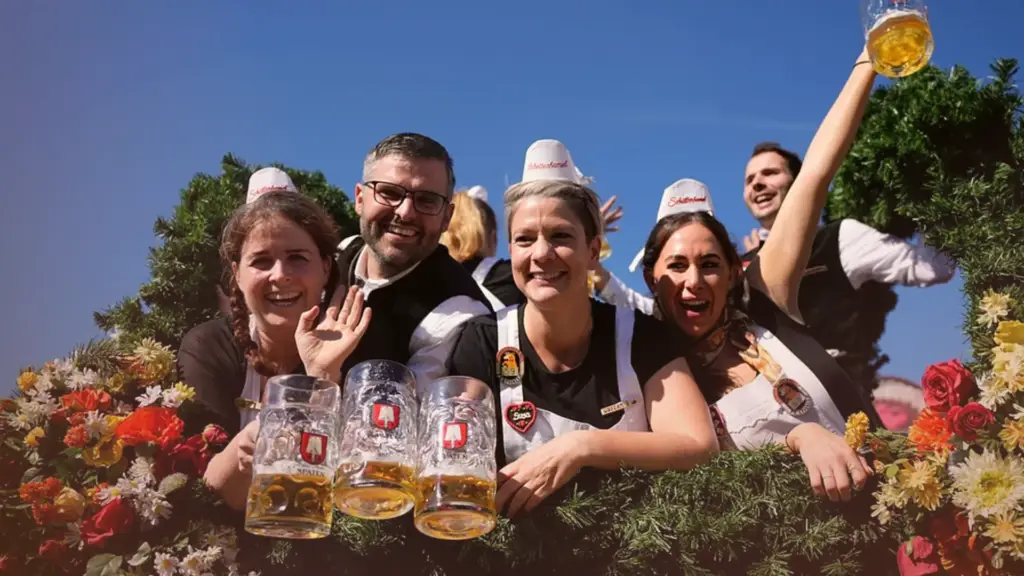
Oktoberfest: Where Beer, History, and Bavarian Tradition Meet
Every autumn, the city of Munich undergoes a remarkable transformation. The streets become filled with traditional music, the aroma of Bavarian cuisine spreads through the city, and millions of visitors gather at Theresienwiese for a celebration unlike any other. Known around the world as Oktoberfest, this festival represents much more than beer. It is a […]
September 25, 2026
History
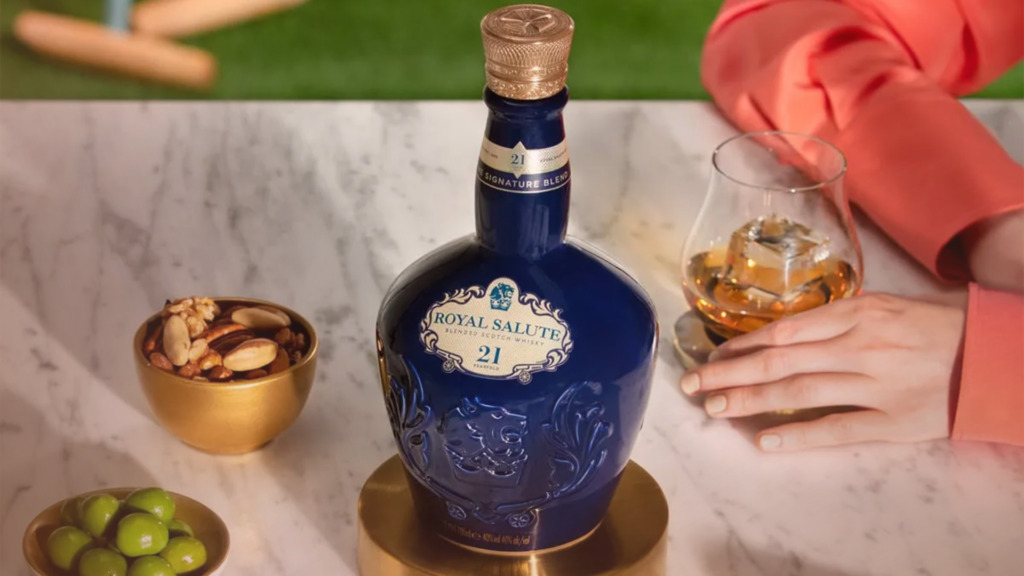
Royal Salute 21-Year-Old: A Celebration Born from Royal Tradition
Some whiskies acquire ceremony around them after decades of reputation. Royal Salute 21-Year-Old began with ceremony already embedded in its identity. The blended Scotch was launched in 1953 in connection with the Coronation of Queen Elizabeth II, held at Westminster Abbey on 2 June that year. The occasion reached an audience unprecedented for a British […]
September 11, 2026
Spirits
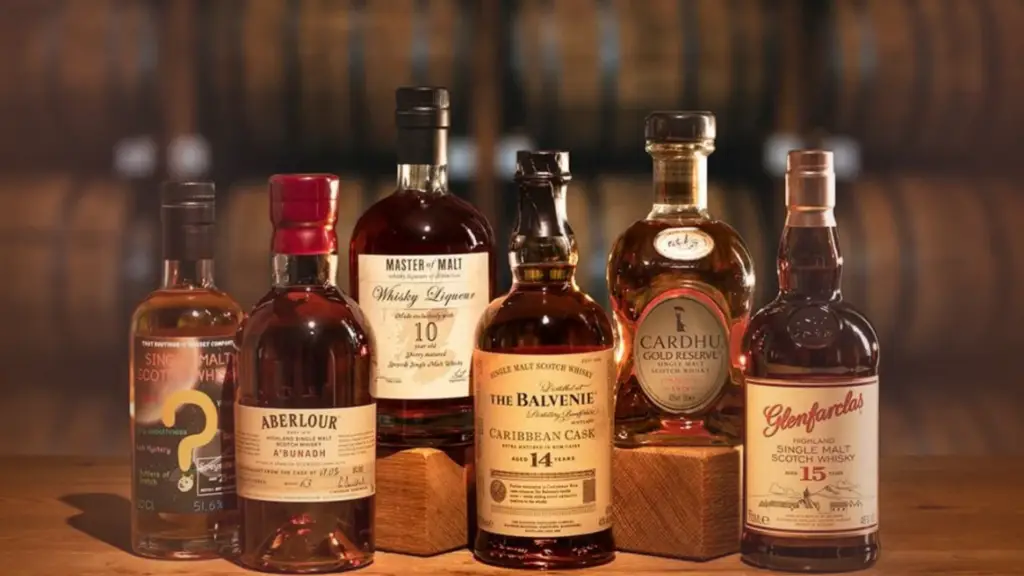
The Best 10 Scotch Whiskies Every Collector Should Try
Scotch whiskies collection is no longer simply about finding the oldest bottle or the most expensive name. A serious collection should tell a story about the spirit itself: where it comes from, how it is made, how oak changes it, how peat shapes it and why particular distilleries have earned lasting reputations. That makes choosing […]
August 21, 2026