Aller au contenu

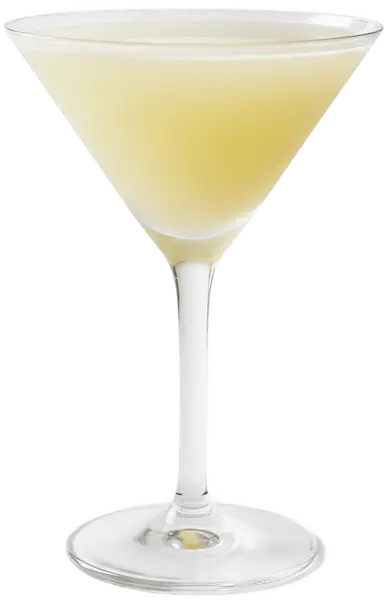
The Daiquiri stands as one of the purest expressions of cocktail craft, celebrated for its elegance, simplicity, and refreshing character. Its origins trace back to the late 19th century in Cuba, specifically to the small mining town of Daiquirí near Santiago de Cuba. The creation of the drink is widely credited to Jennings Cox, an American mining engineer, who in 1898 combined the island’s native rum with lime juice and sugar to serve his guests. The result was a balanced yet invigorating mixture that quickly became a favorite among locals and visitors alike.
The cocktail’s rise from a humble invention to global prominence was closely tied to Cuba’s reputation as a hub of vibrant nightlife and creativity. The Daiquiri became particularly associated with Havana, where it was perfected in some of the city’s most legendary establishments. At El Floridita bar, Constantino Ribalaigua Vert, one of Cuba’s most renowned bartenders, refined the preparation by shaking the drink with finely crushed ice, lending it a smooth and frosty texture that became synonymous with the cocktail’s identity.
The Daiquiri also earned literary fame through its connection with Ernest Hemingway, who spent much of his life in Cuba. Hemingway’s fondness for the cocktail led to his personal variation known as the “Papa Doble,” which featured a drier style without sugar and included grapefruit juice alongside lime. His association with the drink further elevated its cultural importance, making it a symbol not only of Cuban hospitality but also of a cosmopolitan lifestyle.
As American tourists flocked to Cuba during the Prohibition years, the Daiquiri’s reputation grew abroad. After the repeal of Prohibition, bartenders in the United States embraced the cocktail, cementing it as one of the great classics of the 20th century. It became a benchmark for professional bartenders, a test of their ability to strike a flawless balance between sweet, sour, and spirit.
The mid-20th century saw the emergence of frozen and blended variations of the Daiquiri, which introduced the drink to an even wider audience. While purists often champion the original shaken version for its simplicity and authenticity, the frozen style brought a playful dimension that helped keep the cocktail relevant in popular culture. Both interpretations, however, share the same foundation and continue to highlight the tropical vibrancy of Cuban rum.
Today, the Daiquiri remains a timeless classic, celebrated in cocktail competitions and revered in bars around the world. Its legacy endures as a tribute to Cuba’s contribution to global mixology, embodying both tradition and innovation. The drink represents the perfect harmony of three simple ingredients, reminding us that true elegance often lies in restraint.
The flavor of the Daiquiri is crisp and refreshing, with the bright acidity of lime balanced against the natural sweetness of sugar. The rum provides warmth and depth, with notes of molasses, vanilla, and tropical fruit that carry through each sip. Shaken to a fine froth, it has a silky texture and cooling finish, making it both invigorating and sophisticated.