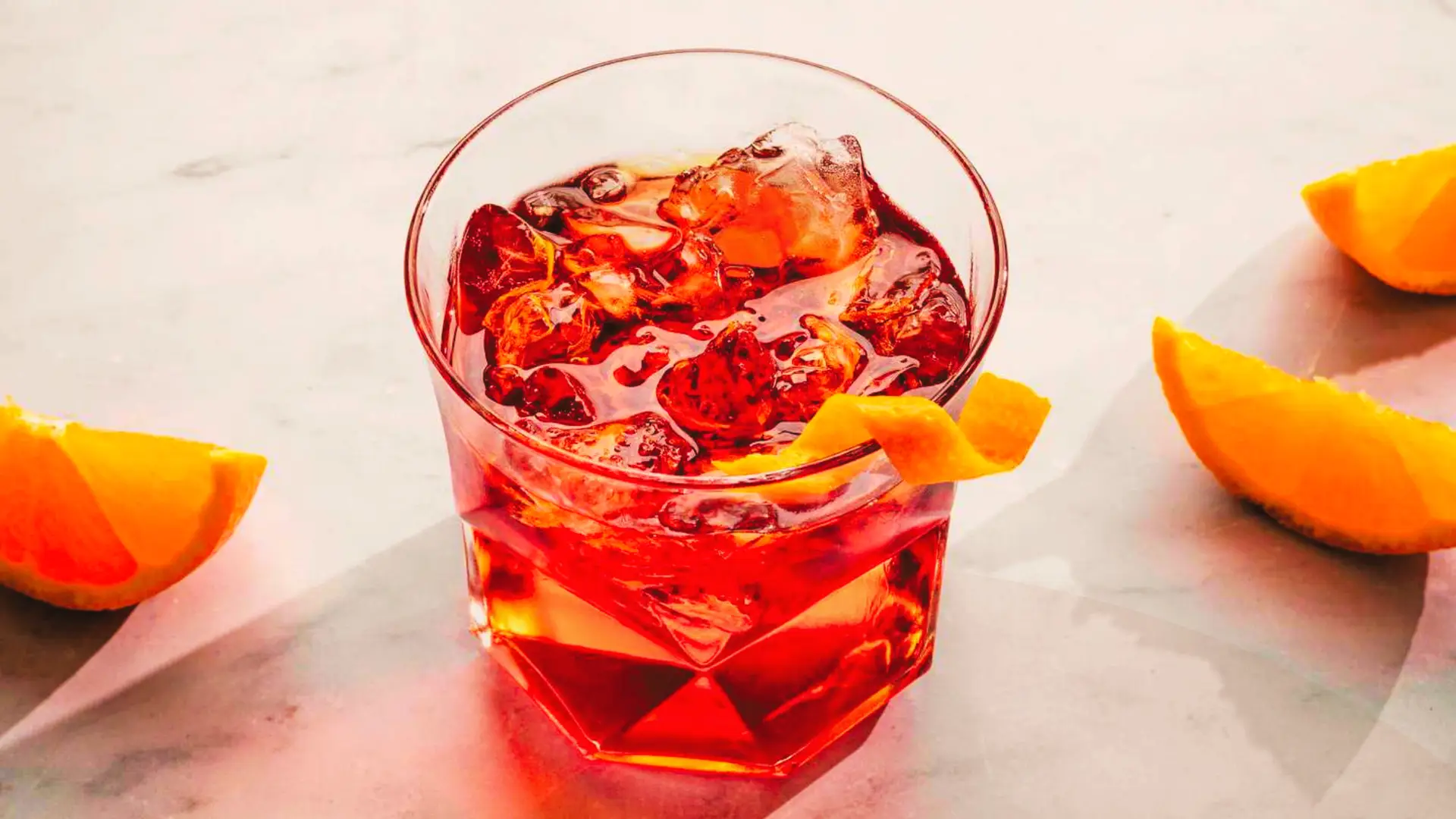
In 1919, inside a café in Florence, a simple request reshaped cocktail history. Count Camillo Negroni asked for something stronger than his usual Americano. Bartender Fosco Scarselli replaced soda water with gin, keeping Campari and sweet vermouth intact. Equal parts. Three ingredients. The Negroni was born.
Three Ingredients of The Negroni and Infinite Precision
The Negroni is built on a deceptively simple structure. Gin brings botanical intensity. Campari delivers bitterness and depth. Sweet Vermouth adds richness and aromatic sweetness. In equal proportions, these elements should clash. Instead, they resolve into balance.
That balance is unforgiving. A shift in vermouth quality alters sweetness. A different gin reshapes the entire profile. The drink does not conceal flaws. It reveals them. Unlike cocktails that rely on sugar or dilution to soften edges, the Negroni is exposed. Precision is not optional. It is fundamental.
Producers such as Tanqueray or Beefeater provide classic structure, while vermouth houses like Carpano Antica Formula define richness and spice. Each choice reshapes the same formula.
A Structure That Invites Reinvention
Despite its rigidity, the Negroni is endlessly adaptable. Replace gin with whiskey and the Boulevardier emerges. Introduce mezcal and smoke to reframe bitterness. The structure holds because the ratio is sound.
The Negroni proves a fundamental principle. Complexity does not require excess. It requires intention. Three ingredients, correctly balanced, can achieve what ten cannot.
At Barlist, the Negroni stands as a benchmark. Not because it is difficult to make, but because it is difficult to perfect. It asks for discipline, rewards precision, and leaves no room to hide.
Three ingredients. One formula. Endless possibilities.

Cocktail
The Americano is a classic and timeless cocktail that embodies elegance, balance, and simplicity. Originating in Italy in…
Cocktail
The Boulevardier is a classic, spirit-forward cocktail celebrated for its sophisticated balance of bitter, sweet, and robust flavors.…

Cocktail
Campari Beer is a modern and invigorating cocktail that combines the bitter, aromatic qualities of Campari with the…
Cocktail
The Negroni is one of Italy’s most celebrated cocktails, a symbol of refinement and balance that has remained…
Distillery
The Beefeater Gin Distillery, nestled in the vibrant heart of Kennington, London, is a bastion of distillation tradition…
Distillery
Tanqueray is a revered brand of gin renowned for its robust flavors and artisanal production methods. Founded in…
Spirit
Carpano Antica Formula Vermouth
Carpano Antica Formula Vermouth is a distinguished sweet vermouth which revolutionized the art of vermouth making and is…
Cocktail
The Americano is a classic and timeless cocktail that embodies elegance, balance, and simplicity. Originating in Italy in…
Cocktail
The Boulevardier is a classic, spirit-forward cocktail celebrated for its sophisticated balance of bitter, sweet, and robust flavors.…
Cocktail
Campari Beer is a modern and invigorating cocktail that combines the bitter, aromatic qualities of Campari with the…
Cocktail
The Negroni is one of Italy’s most celebrated cocktails, a symbol of refinement and balance that has remained…
Distillery
The Beefeater Gin Distillery, nestled in the vibrant heart of Kennington, London, is a bastion of distillation tradition…
Distillery
Tanqueray is a revered brand of gin renowned for its robust flavors and artisanal production methods. Founded in…
Spirit
Carpano Antica Formula Vermouth
Carpano Antica Formula Vermouth is a distinguished sweet vermouth which revolutionized the art of vermouth making and is…
Partnership
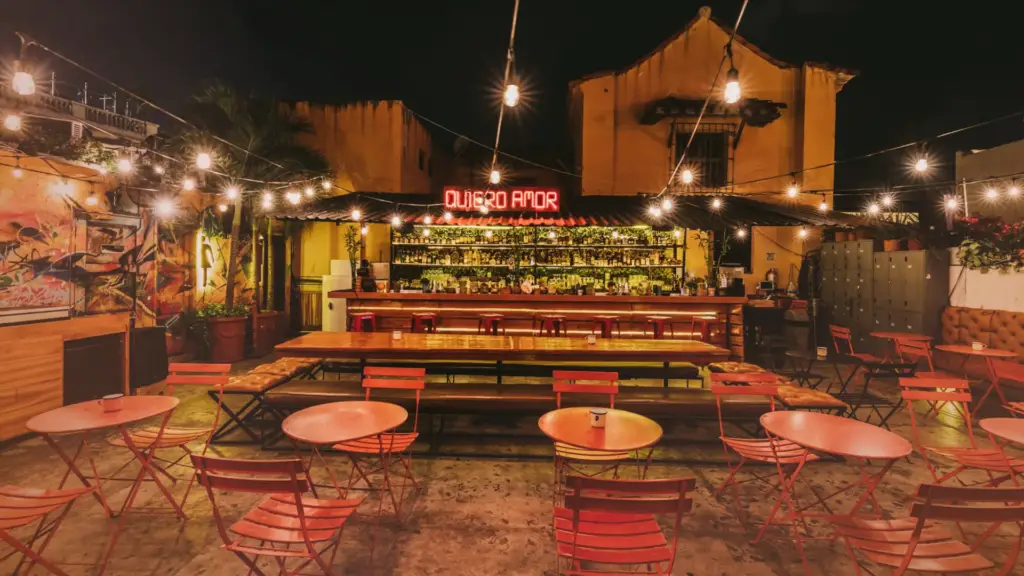
Alquímico in Cartagena: The Multi-Level Bar Where Precision Operates as One System
Within the historic walled city of Cartagena, Alquímico occupies a restored three-storey colonial building that has, since its opening in 2016, evolved into one of the most structurally complex cocktail operations in the world. What appears as a high-energy nightlife destination is, in practice, a fully integrated system combining agriculture, production, and service at scale, […]
September 12, 2026

Partnership
Tres Monos in Buenos Aires: The High-Energy Bar Redefining Cocktail Craft
Volume comes first. Not just music, but movement, conversation, the rhythm of a room that rarely settles. At Tres Monos in Buenos Aires, energy is not an accessory to the experience; it is the structure that holds everything together. What appears spontaneous is, in reality, tightly controlled, with every drink, every gesture, and every interaction […]
September 5, 2026
Bars and Cocktails
How Tres Monos Reframed the Negroni as an Argentine Cocktail Story
The Negroni has travelled further than most cocktails because it is easy to recognise but difficult to exhaust. Its structure is fixed enough to be remembered, yet open enough to be interpreted. That balance explains why bars across the world continue to return to it, not only as a drink, but as a framework for […]
July 22, 2026