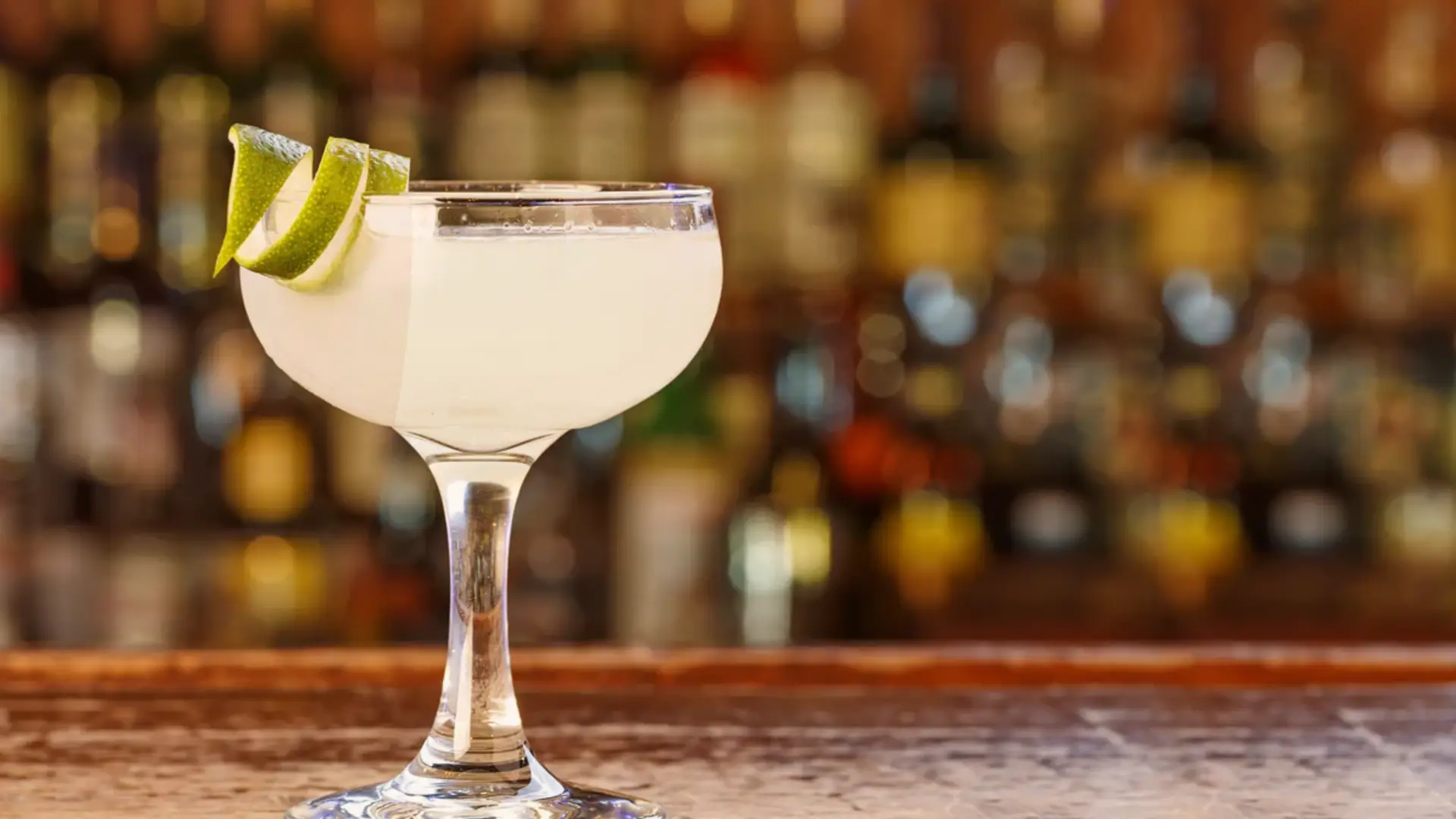
Few cocktails reveal more than the Daiquiri. Built on just three elements, white rum, fresh lime juice, and sugar, it leaves no room for error. Every decision is exposed. Shake too long and dilution overtakes structure. Add too much lime and the balance collapses into sharpness: Misjudge sugar and the drink shifts from precision to excess. The margin between harmony and failure is narrow.
The Daiquiri: Balance, Technique, and the Legacy of the Sour
The Daiquiri sits at the core of the sour family, the foundation upon which countless cocktails are built. Spirits such as Bacardí Carta Blanca or Havana Club 3 Años provide the base, while citrus and sugar define structure. When executed correctly, rum carries warmth, lime delivers brightness, and sugar integrates without dominance.
Writers such as David A. Embury identified the Daiquiri as one of the essential cocktails in his 1948 work, The Fine Art of Mixing Drinks. Its structure echoes through drinks like the Margarita, Whiskey Sour, and Gimlet, each adapting the same balance of spirit, acid, and sweetness.
Modern interpreters such as Jeff Berry have spent years refining the drink, demonstrating that simplicity demands discipline. The Daiquiri is not a forgiving cocktail. It is a test.
At Barlist, the Daiquiri represents more than a recipe. It is a calibration of technique and palate. Master it, and every sour begins to make sense. Fail it, and the imbalance is immediate.

Cocktail
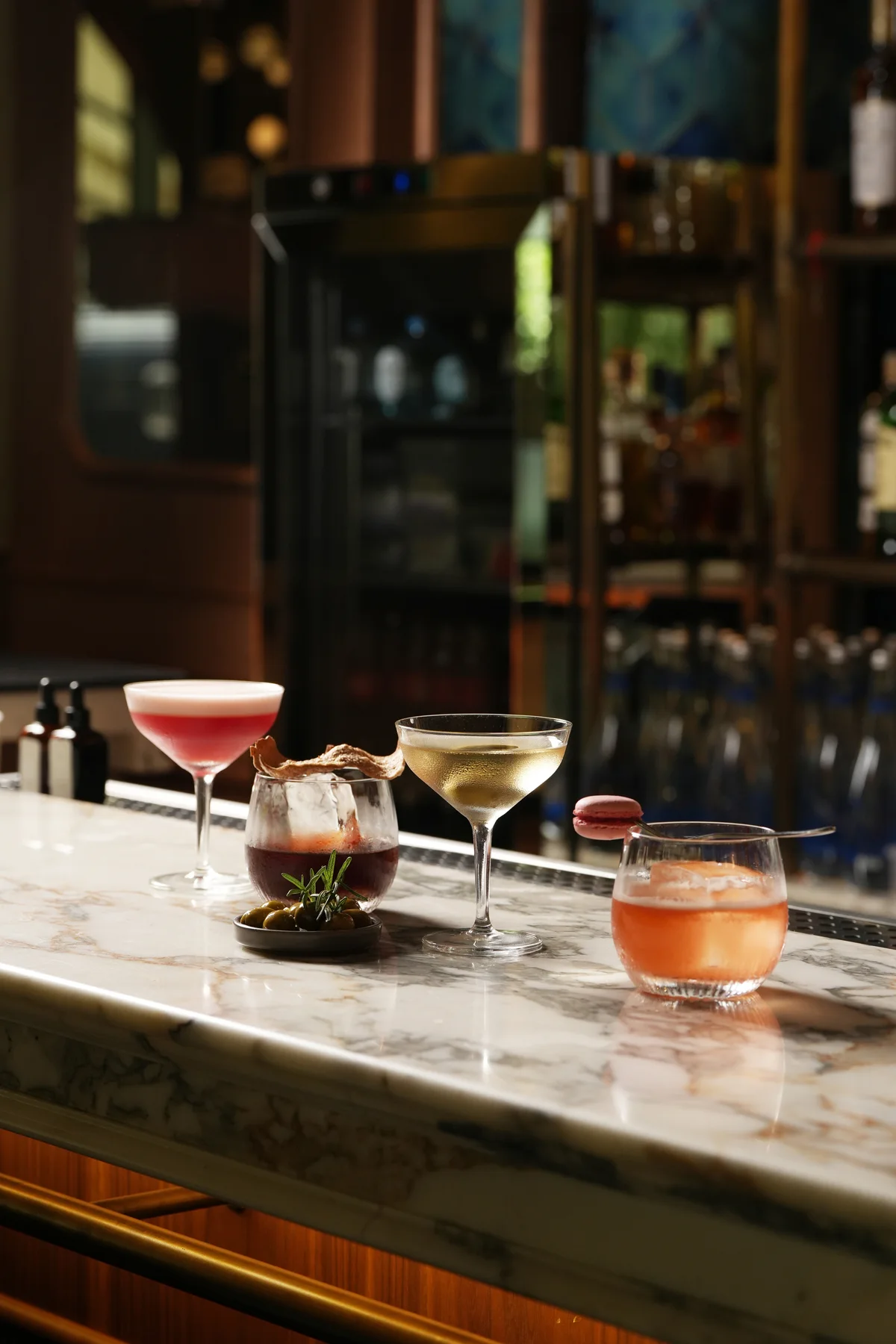
The Whiskey Sour is one of the most enduring cocktails in history, with roots that stretch back to…
Cocktail
The Daiquiri stands as one of the purest expressions of cocktail craft, celebrated for its elegance, simplicity, and…
Spirit
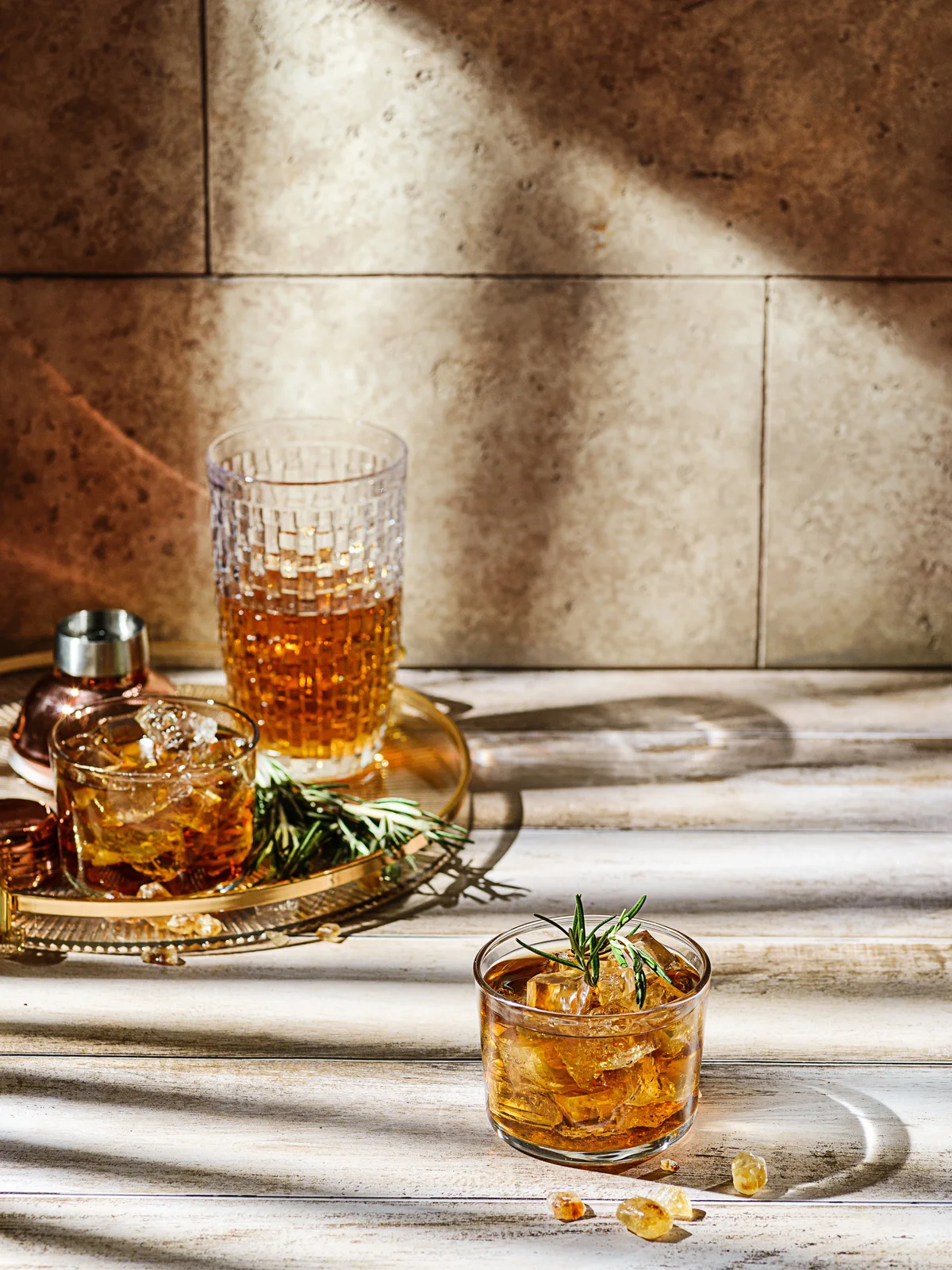
Havana Club Añejo 3 Años Rum epitomizes the vibrant spirit of Cuban rum-making. Known for its clear and…
Spirit
BACARDÍ Carta Blanca Rum is a celebrated expression that embodies the pinnacle of white rum craftsmanship. Crafted with…
Partnership
Don’s Special Daiquiri: How Donn Beach Redefined the Daiquiri in 1930s Hollywood
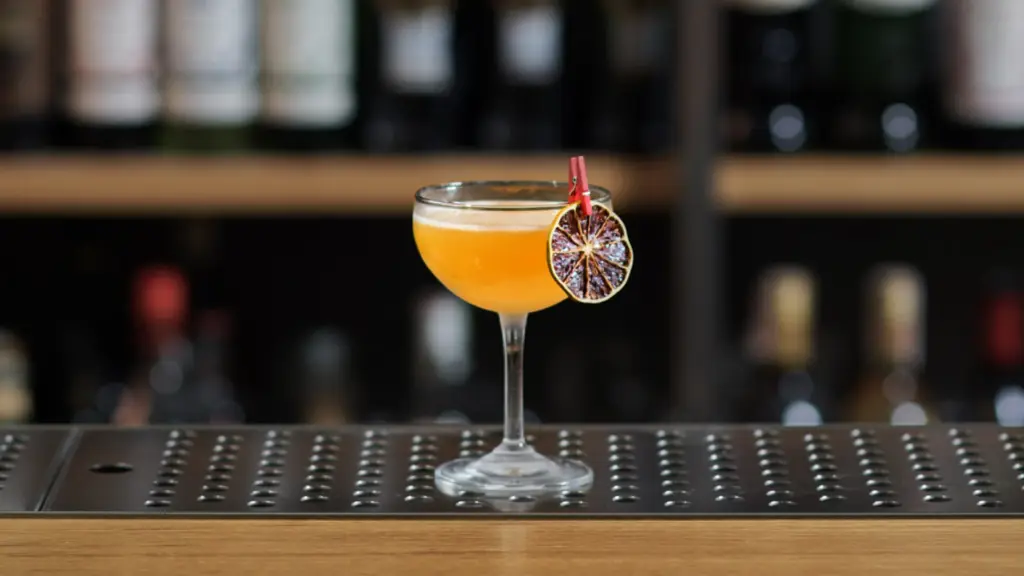
The classic Daiquiri, associated with Cuba in the late nineteenth and early twentieth centuries, is defined by restraint. Rum, fresh lime, and sugar create a precise equilibrium where each component is clearly legible. Donn Beach’s (known as Don’s Special Daiquiri)version begins with this structure but shifts its direction. Passion fruit introduces a broader tropical acidity, […]
August 6, 2026
Partnership
Dilution and the Hidden Structure of the Cocktail
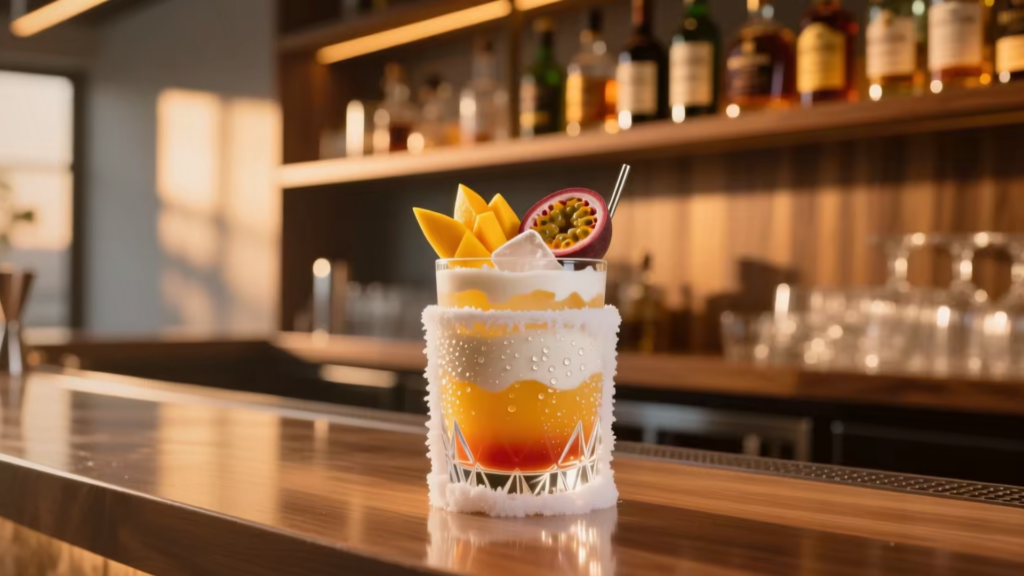
Dilution begins as soon as ice and liquid exchange heat, but its importance extends far beyond the simple addition of water. It changes alcoholic strength, temperature, aroma, sweetness, bitterness and texture, helping separate ingredients become a coherent drink. Because the process is usually invisible, it can be mistaken for a side effect of chilling. In […]
August 4, 2026
Partnership
Alex Sánchez: Havana Doesn’t Teach You to Invent, It Teaches You to Hold the Line
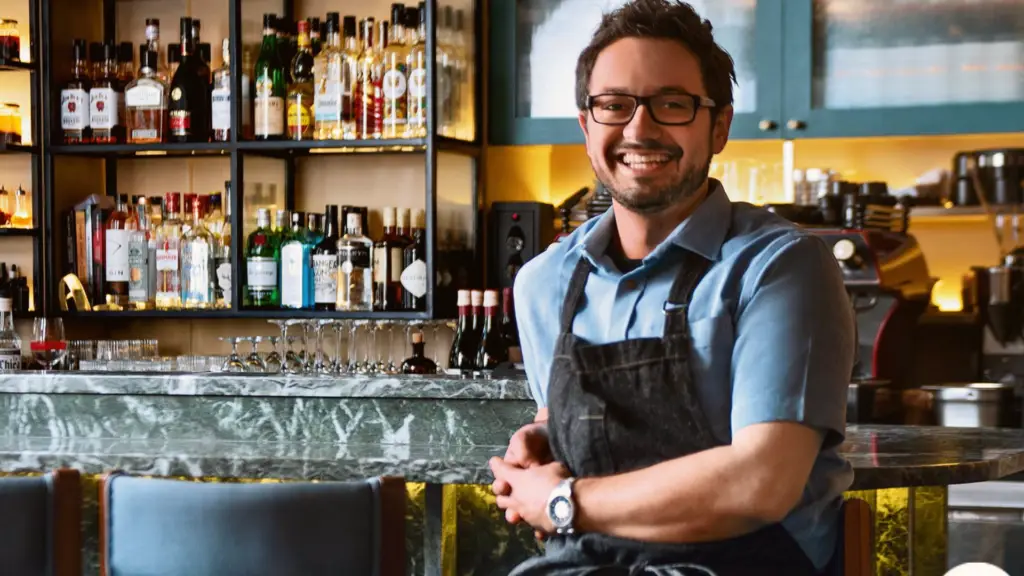
In Havana, the environment Alex Sánchez came up in, cocktails are not rediscovered. They are remembered. Walk into El Floridita or La Bodeguita del Medio and you’re not entering a bar in the usual sense; you’re stepping into a system that has barely changed. The Daiquiri still follows its line. The Mojito still holds its […]
July 20, 2026