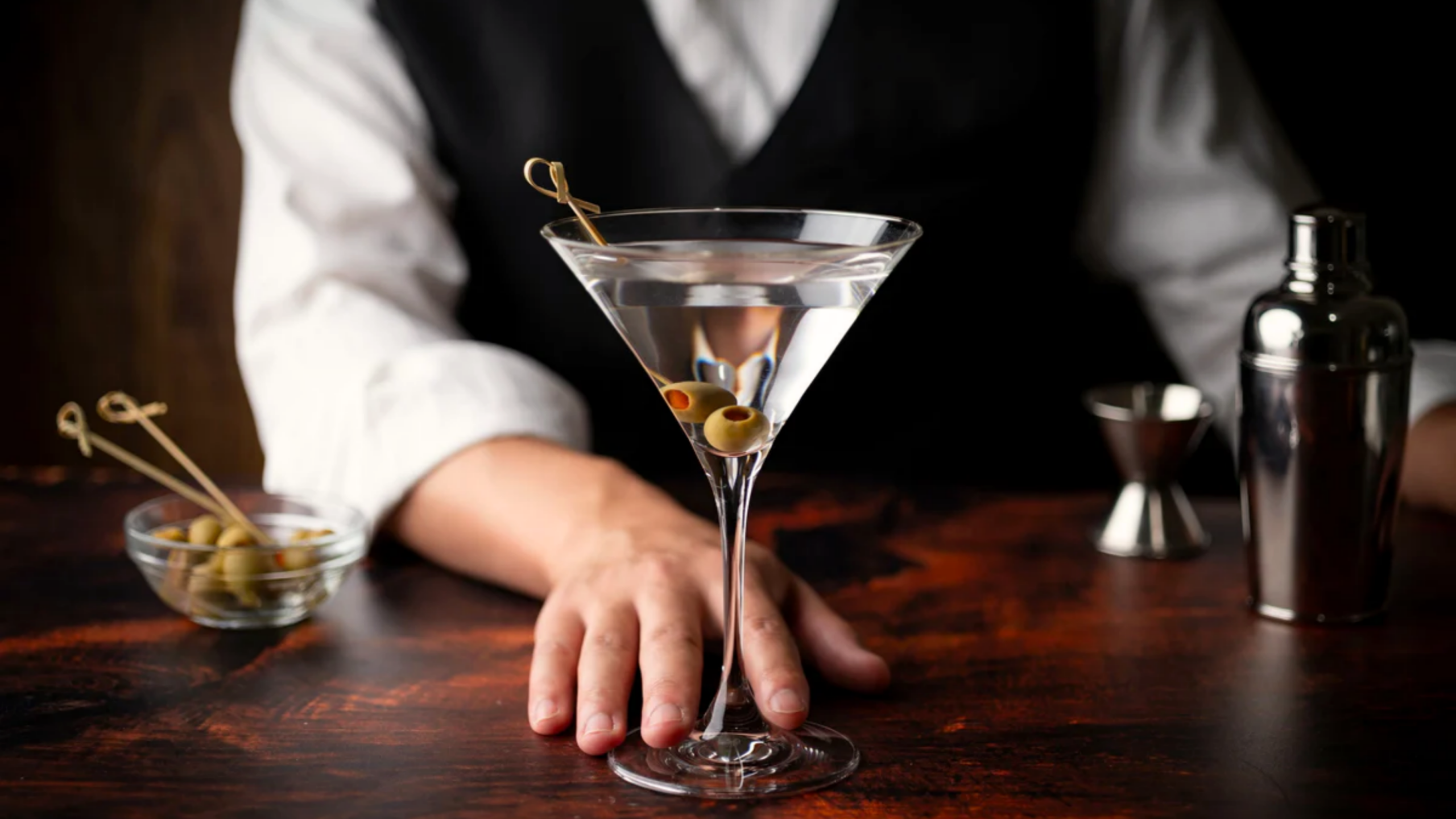
Few cocktails have achieved the cultural permanence of the Martini. Yet the Martini did not become a global benchmark through private clubs or neighborhood taverns alone. It was within the Savoy Hotel, Waldorf Astoria, Dukes Bar, and Harry’s Bar that the Martini evolved from a fashionable drink to an international standard. The Martini Standard emerged not merely from repetition but from ritual, architecture, and disciplined service. In hotel bars where diplomats negotiated and film stars lingered, the Martini became codified, refined, and exported worldwide.
To understand The Martini Standard is to trace the influence of hotel bars across London, New York, Paris, and Venice. These establishments transformed a simple combination of gin and vermouth into a ritual that defined 20th-century cocktail culture.
Where the Martini Found Its Discipline
When the Savoy Hotel established its American Bar, it became one of the most influential cocktail institutions in the world. Under Ada Coleman, and later through Harry Craddock’s The Savoy Cocktail Book, the Martini was shaped into a structured combination of London dry gin and French vermouth.
The Savoy did not invent the Martini, but it defined how it should be presented. The Martini Standard here emphasized precision, clarity, and service ritual. The American Bar became a place where technique was not hidden but performed, setting expectations that could be replicated globally.
The Waldorf Astoria and American Authority
In New York, the Waldorf Astoria established a parallel authority through its Peacock Alley bar. The Martini here became associated with American luxury and formal hospitality, served to politicians, financiers, and cultural figures.
Following Prohibition, the Martini evolved toward a drier style. The Waldorf Astoria reinforced a version defined by clarity, restraint, and controlled dilution. The drink was no longer just a cocktail but a symbol of modern American sophistication.
Dukes Bar and the Ritual of Precision
At Dukes Bar in London, the Martini was transformed into an experience defined by temperature and ritual. Under the influence of Salvatore Calabrese, the preparation emphasized freezer-stored gin, minimal vermouth, and tableside service.
The Martini at Dukes is not simply mixed; it is presented as a ceremony. The bar became globally associated with this ultra-cold style, further amplified by its connection to Ian Fleming, whose portrayal of the Martini embedded it into modern cultural identity.
Harry’s Bar and the International Expression
In Venice, Harry’s Bar, founded by Giuseppe Cipriani, offered a different interpretation. While known for the Bellini, the bar’s Martini reflected a more balanced European style, often retaining a slightly higher vermouth presence.
Patrons such as Ernest Hemingway and Orson Welles contributed to its cultural significance. Here, the Martini Standard demonstrated flexibility within structure, maintaining its identity while adapting to regional taste.
How Technique Became a Universal Language
Across luxury hotels such as the Ritz Paris, the Martini became part of a shared global language. Regardless of location, the drink followed recognizable principles rooted in consistency and technical discipline.
This consistency was reinforced by producers such as Tanqueray and Beefeater, alongside vermouth houses like Noilly Prat. Together, these brands and institutions established a framework where the Martini could be reproduced with reliability across continents.
The Martini Standard in Contemporary Hotel Bars
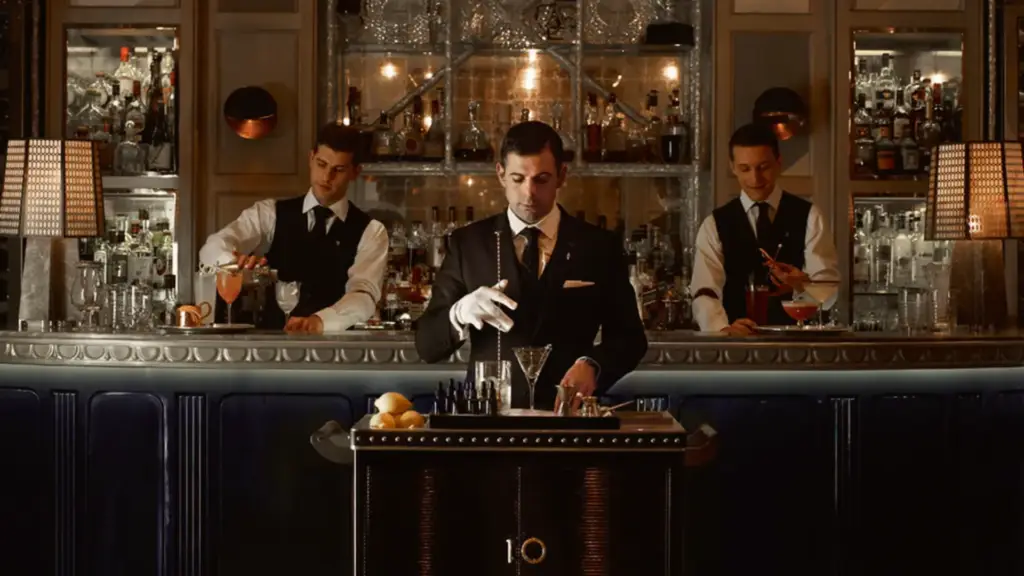
Today, bars such as the Connaught Bar and the King Cole Bar continue to define the Martini through ritual and precision. At the Connaught, under Agostino Perrone, the Martini trolley service reflects a balance between customization and control.
Even in contemporary settings, the Martini remains governed by non-negotiable principles. It persists not because it evolves dramatically, but because it maintains its identity as a benchmark of execution.
The Martini Standard illustrates how institutions shape taste through repetition and discipline. What began as a simple mixture became a global reference point through the influence of hotel bars, producers, and cultural figures.
Barlist traces these connections between places, people, and technique. Through venues such as the Savoy, Waldorf Astoria, Dukes, and Harry’s Bar, the Martini becomes more than a cocktail. It becomes a record of how hospitality, structure, and precision can define a global standard.

Bar
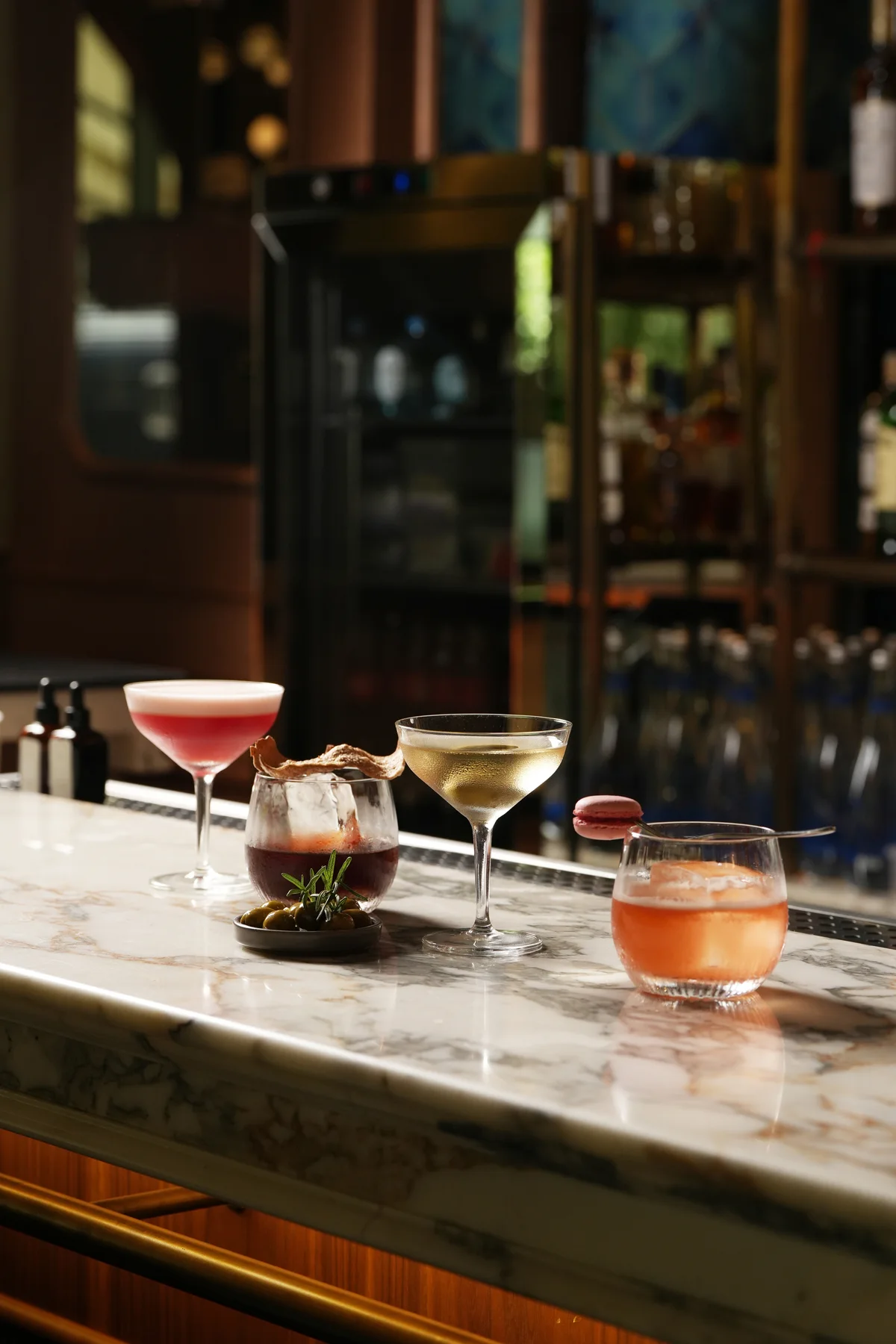
Dukes Bar, located at 35 St James’s Place within the prestigious Dukes Hotel in London, stands as an…
Bar
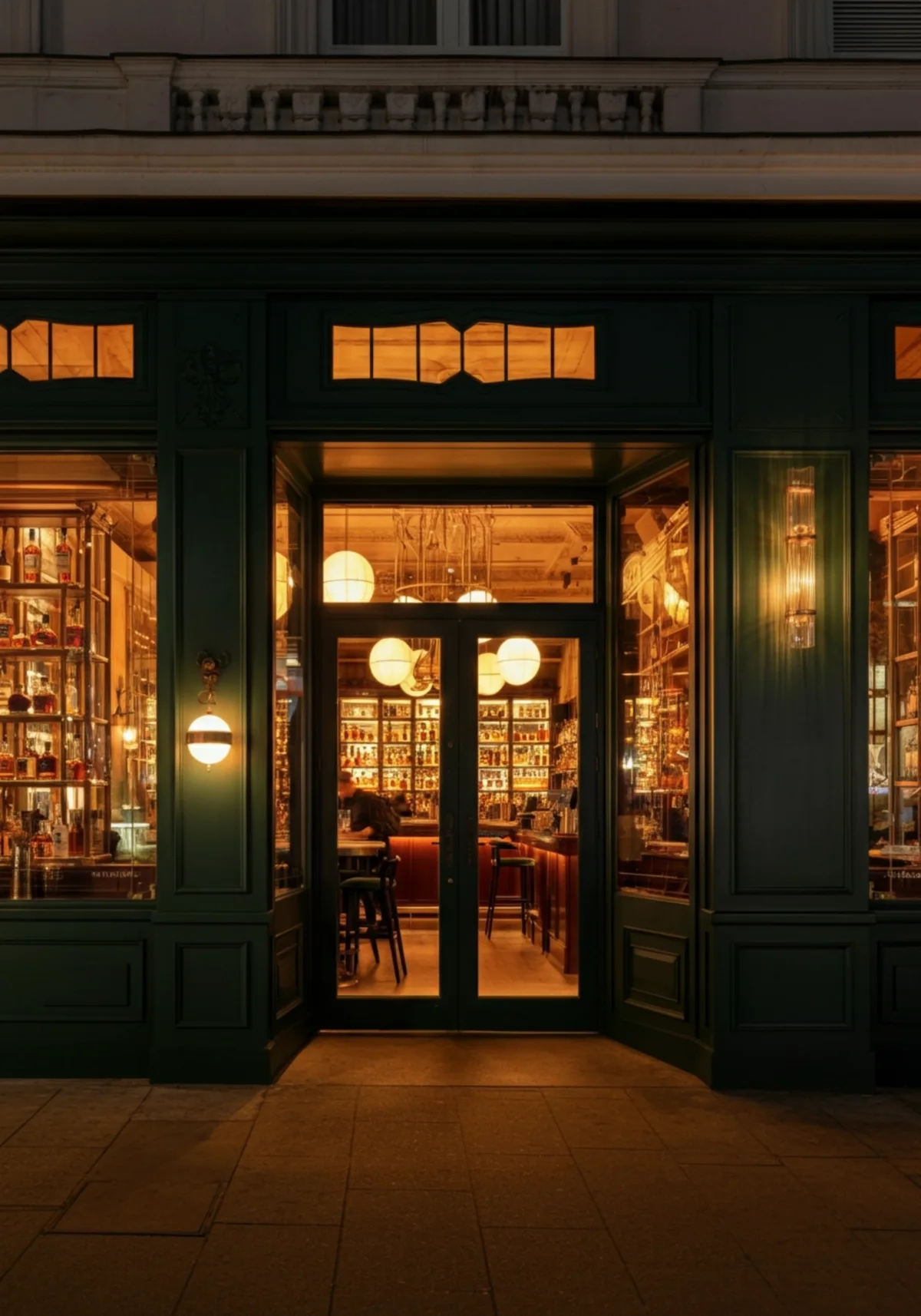
The Ivory Peacock is located in Manhattan’s East Village, a neighborhood celebrated for its lively nightlife, creative spirit,…
Bar
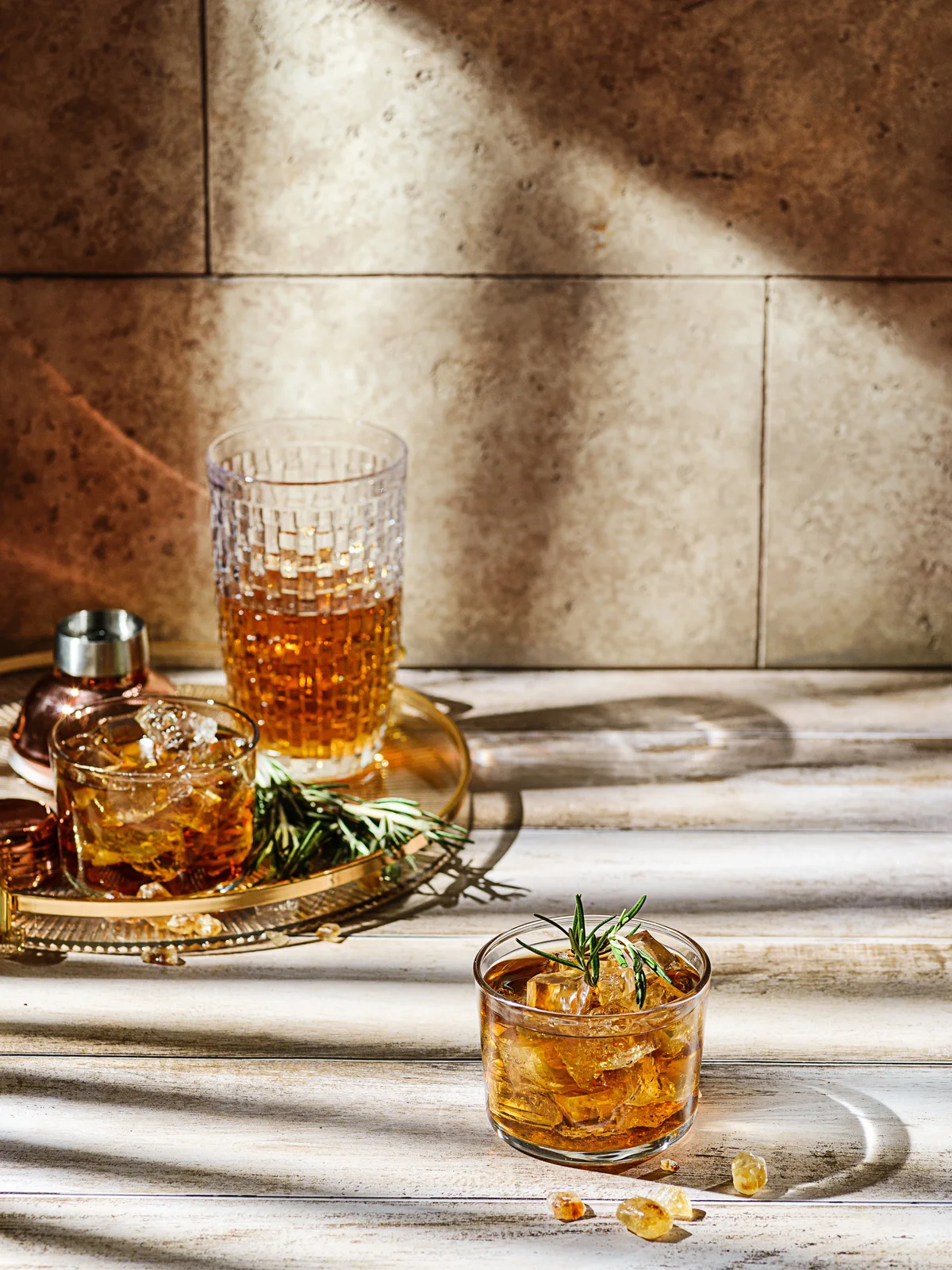
American Bar at The Savoy stands as London’s most historic and iconic cocktail destination, widely recognized as the…
Cocktail
The Martini is perhaps the most iconic cocktail in the world, a symbol of elegance, sophistication, and modernity.…
Spirit
Martini Bianco Vermouth is produced by Martini & Rossi, a distinguished distillery founded in 1863 in Turin, Italy.…
Spirit
Pivot Rafters Restaurant Co Lab London Dry Gin
Pivot Rafters Restaurant Co-Lab London Dry Gin is an innovative spirit that embodies the spirit of collaboration and…
Trending
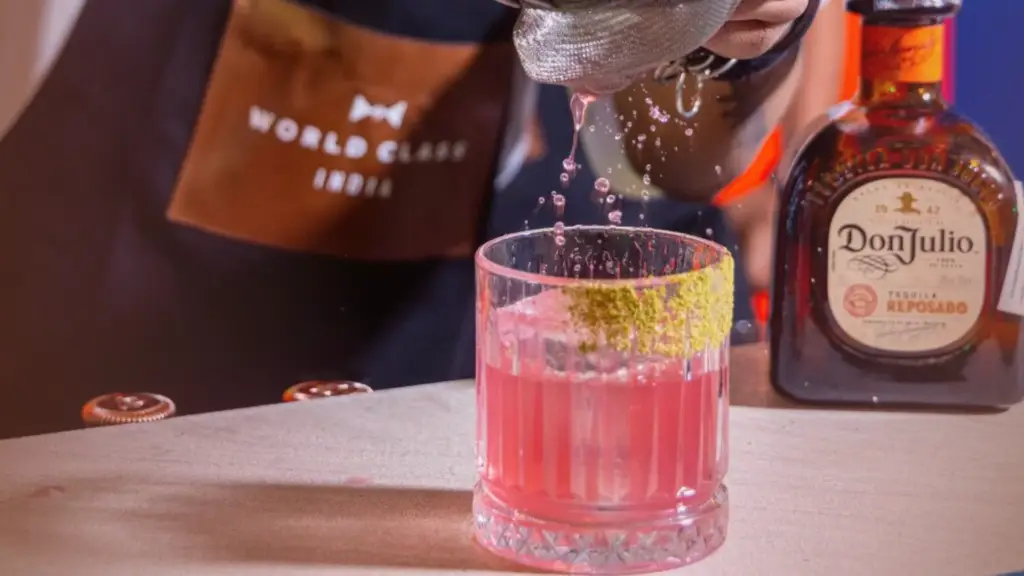
World Class 2026 and Dubai’s Rise as a Global Cocktail Culture Hub
From bartender competition to global industry platform The modern cocktail world has developed far beyond the traditional image of the bartender as a skilled server behind a bar. Over the past two decades, bartending has increasingly been recognised as a professional discipline built on technical knowledge, hospitality, creativity and a deeper understanding of spirits. Few […]
September 8, 2026
Partnership
The Connaught Bar: Precision, Ritual, and the Martini That Set the Standard
Some bars are defined by their drinks. Others by their atmosphere. At Connaught Bar, it is service that holds everything together. Tucked within The Connaught in London, the bar has, over time, established itself as a reference point for what modern classic bartending can look like when precision and ritual are treated as inseparable. This […]
August 1, 2026
Partnership
Craft and the Discipline Behind Modern Bartending
Craft in bartending is sometimes presented as a recent movement, but the habits it describes are much older than the modern language surrounding them. Careful preparation, command of tools, responsible handling of ingredients and consistency during service have long distinguished serious bar work. Craft is therefore best understood not as a fashion or visual style, […]
July 21, 2026